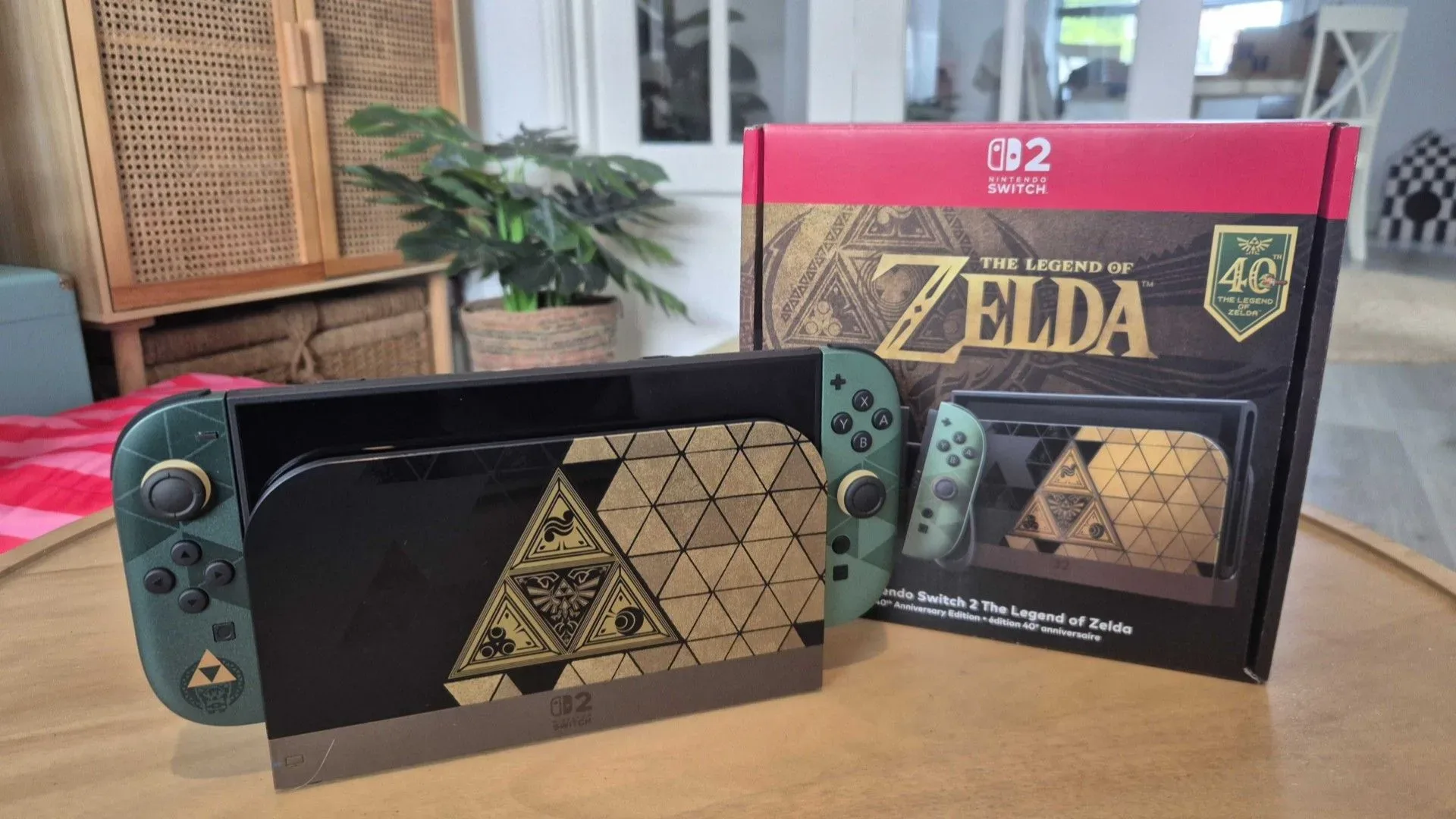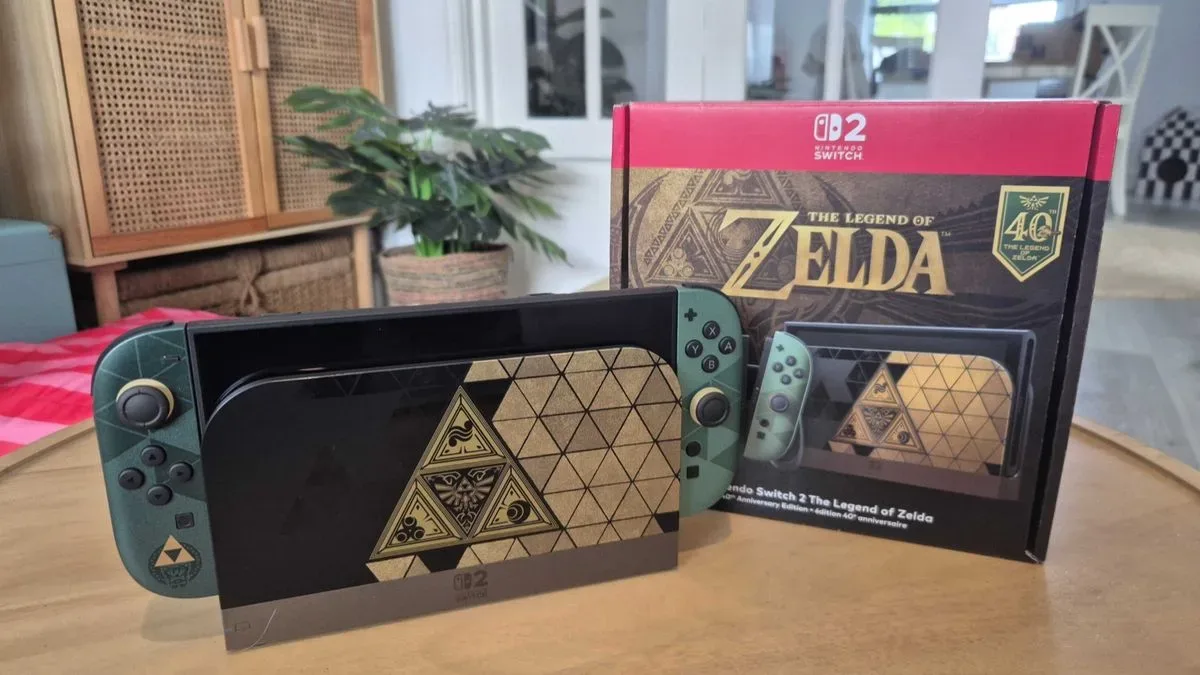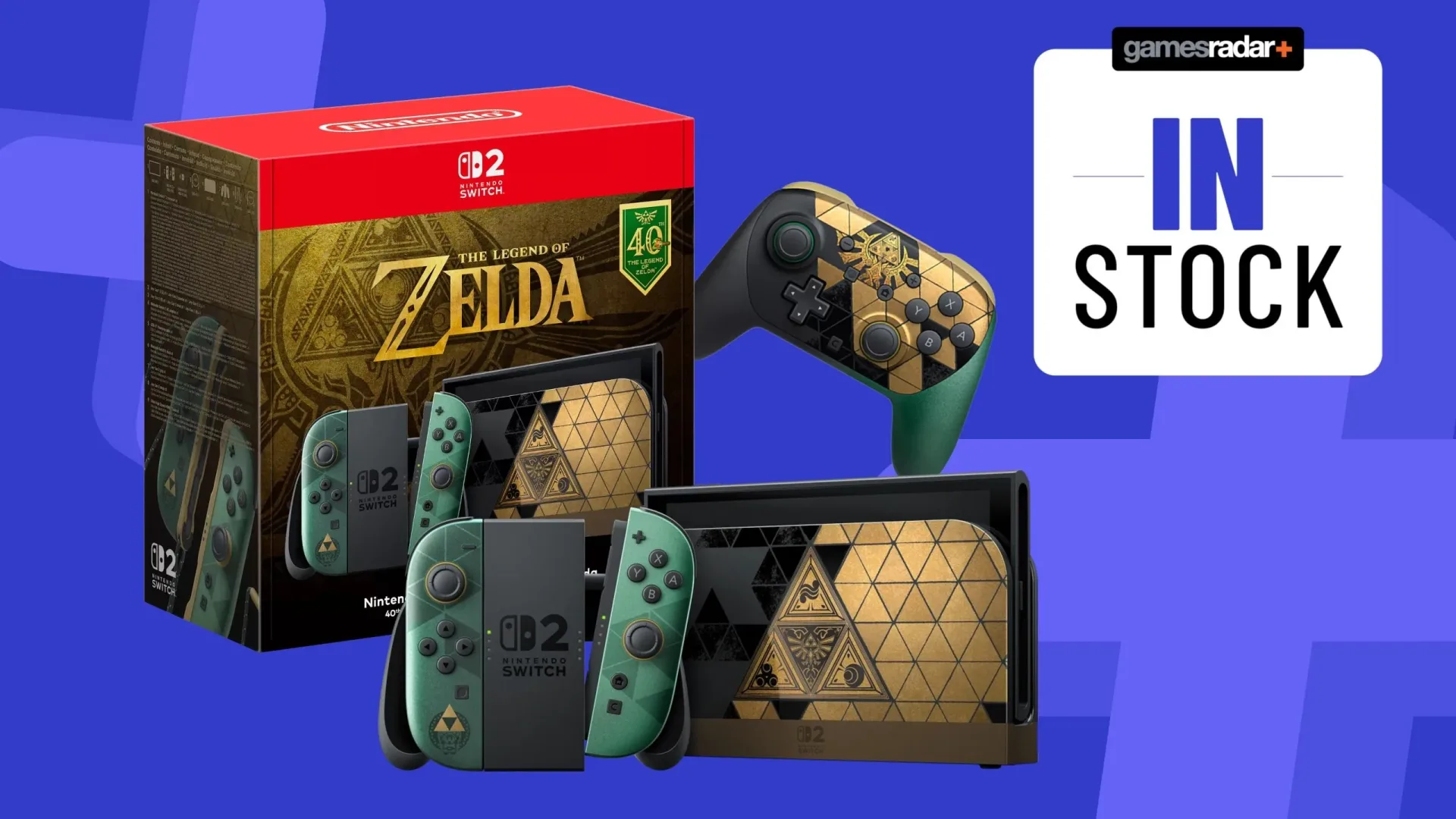
The hunt for the 40th Anniversary Legend of Zelda Nintendo Switch 2 has entered the familiar, unglamorous phase where a product can appear to be “in stock” without actually being a sensible buy. Inventory is sporadic, some retailers are steering buyers to physical stores or notification systems, and marketplace listings are muddying search results with prices above the recommended retail level.
The key number for UK buyers is £429.99; in the US, the console’s stated MSRP is $519.99. A listing at £499.99, even if it sits on a major retail website, is £70 above that UK figure. That makes it important to distinguish between a retailer selling an item directly and a third-party seller using that retailer’s marketplace.
At present, no retailer timetable has been confirmed. There is reason to watch for activity as Black Friday approaches, but expectations of a broad, guaranteed drop would be speculation. The useful approach is less dramatic: know the official price, understand how each retailer is handling stock, and make sure a scarce unit does not turn into an unnecessarily expensive one.
MSRP is the first line of defense
MSRP means manufacturer’s suggested retail price. It is the benchmark price buyers should use when deciding whether a listing is legitimate value, not a guarantee that stock will be readily available. In a tight restock period, it is especially useful because search pages can place direct sales, bundles and independent marketplace offers next to one another.
- Legend of Zelda Switch 2: $519.99 / £429.99
- Legend of Zelda Pro Controller: $99.99 / £64.99
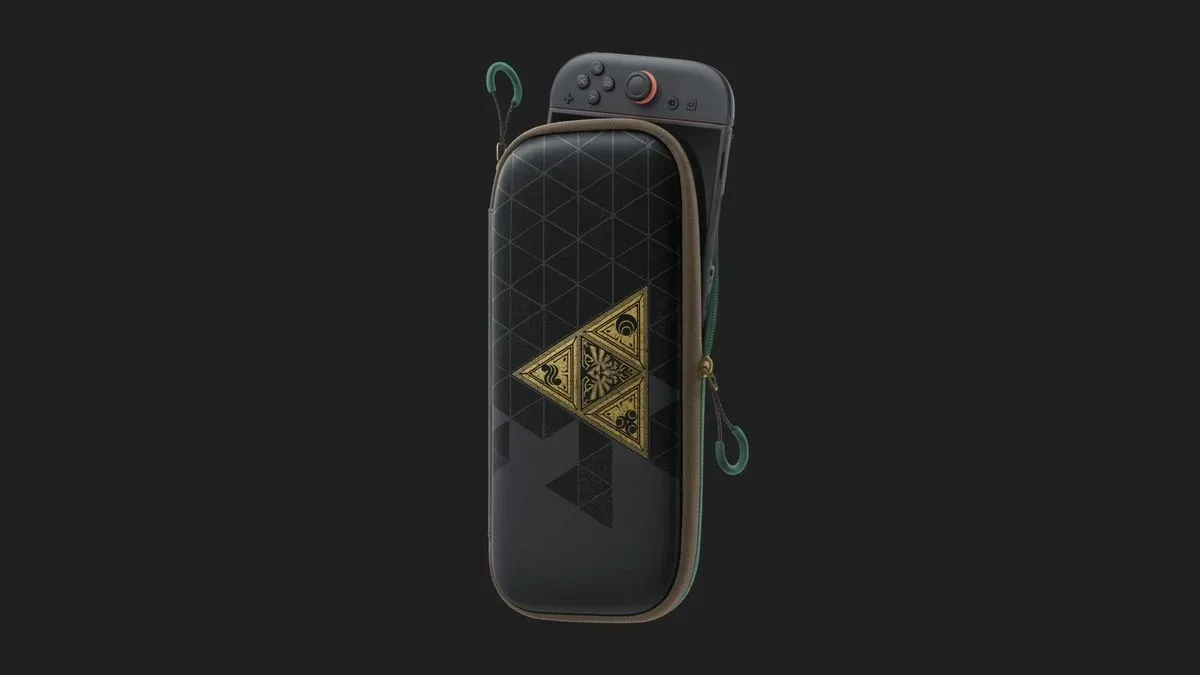
- Legend of Zelda carry case: $39.99 / £29.99
Those figures give shoppers a simple stop sign. An offer substantially over them is not evidence that the product has become more valuable at retail; it may simply be a reseller setting its own price. Paying that premium is a personal choice, but it is not the same as securing normal retail stock.
Amazon UK currently illustrates the problem. The console has appeared there at £499.99, but that is above the £429.99 reference price. The appearance of an item on a familiar storefront should not replace checking the seller, the price and whether the offer is fulfilled as a standard direct retail sale.
Marketplace listings can make a stock page look healthier than it is
A marketplace seller is an independent third party offering goods through a larger retailer’s website. The host site may provide the checkout page, but that does not mean the retailer itself has stocked or priced the item. This distinction matters most when demand is high and the console, controller and carry case have all been seen at inflated prices.
Walmart is a particular page to read carefully. Its Zelda Switch 2 listing has been unavailable for more than a week, following issues with cancelled pre-orders that left the retailer catching up on orders. The page has remained absent, with no clear sign of an immediate return. Separately, Walmart searches can surface marketplace offers. Buyers who choose to shop there should filter results to items sold by Walmart itself rather than assuming every result comes from the retailer.
Related coverage includes Legend of Zelda Switch 2 Restocks Remain Scarce as Retailers Prepare for Black Friday.
This does not mean every third-party offer is automatically improper. It means it should be treated as a separately priced listing and compared with MSRP before any purchase. The same caution applies to a console listing that uses words such as “available” while showing a price that does not match the official benchmark.
Retailer status is fragmented, not uniform
There is no single Zelda Switch 2 restock route. Each retailer is currently using a different method, which changes what “check stock” means in practice.
Argos: local inventory may reduce the size of the race
Argos organizes availability by postcode. Rather than every shopper competing through a single national checkout at the same moment, the retailer’s inventory is tied to local areas. That does not create more consoles, but it can narrow the pool of people pursuing a given unit.
The practical implication is that buyers should enter an accurate postcode and revisit the listing when new stock is expected. A result in one area is not a promise for another. It also means reports from friends, social posts or deal trackers may be less useful without location context.
GameStop: console stock is an in-store matter
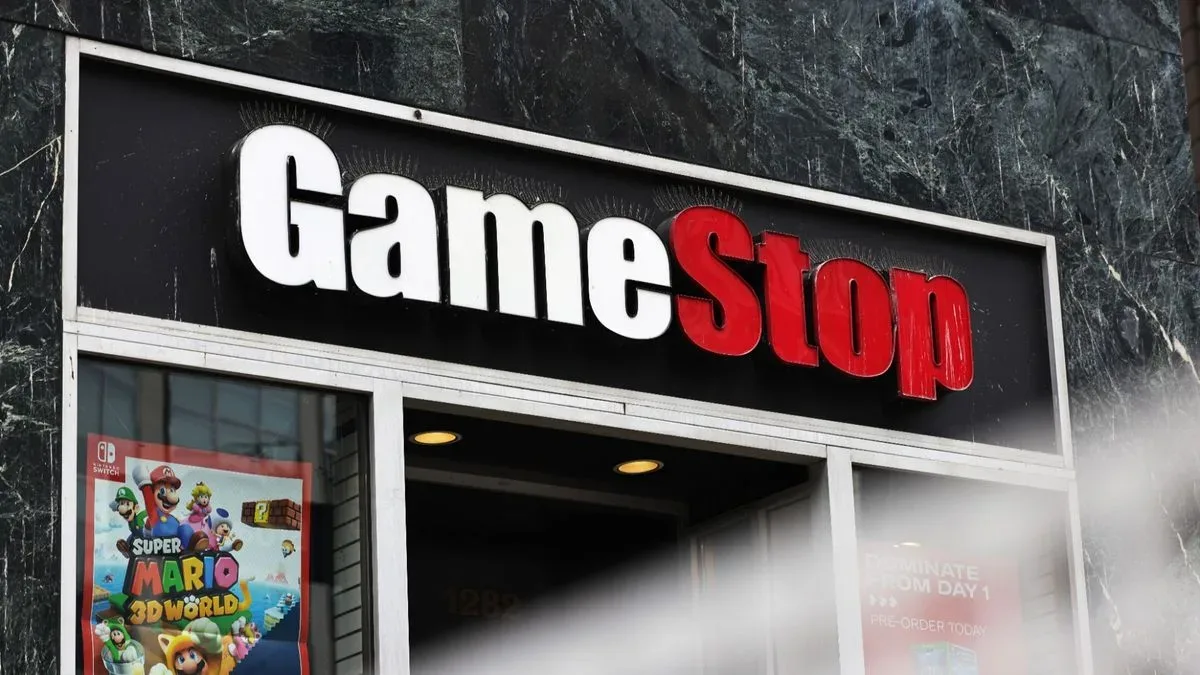
GameStop is directing console buyers to brick-and-mortar stores rather than running online Zelda Switch 2 restocks. Availability may therefore vary from one location to another, and there is no stated schedule for fresh deliveries.
For people close enough to visit, checking a local store is the relevant option; repeatedly refreshing an online console page is not. GameStop’s accessories situation is different. The Zelda Pro Controller and carry case have appeared online with statuses such as “Coming Soon” or “Currently Unavailable,” rather than being directed solely to nearby stores. That suggests online accessory restocks may be possible, but it does not confirm availability or a date.
Nintendo: use the notification route, not guesswork
Nintendo’s official store offers a notification path through its store app. A signed-in customer can add the Legend of Zelda Switch 2 to a wish list and receive notice when stock returns. It is not a reservation and does not guarantee a successful checkout. It is, however, a cleaner signal than relying on a fleeting marketplace listing.
Notification systems reward preparation, not just luck. Make sure the account is active and signed in before an alert arrives. The same basic principle applies to any retail account used for a possible restock.
EE: a promotion worth knowing, if stock returns
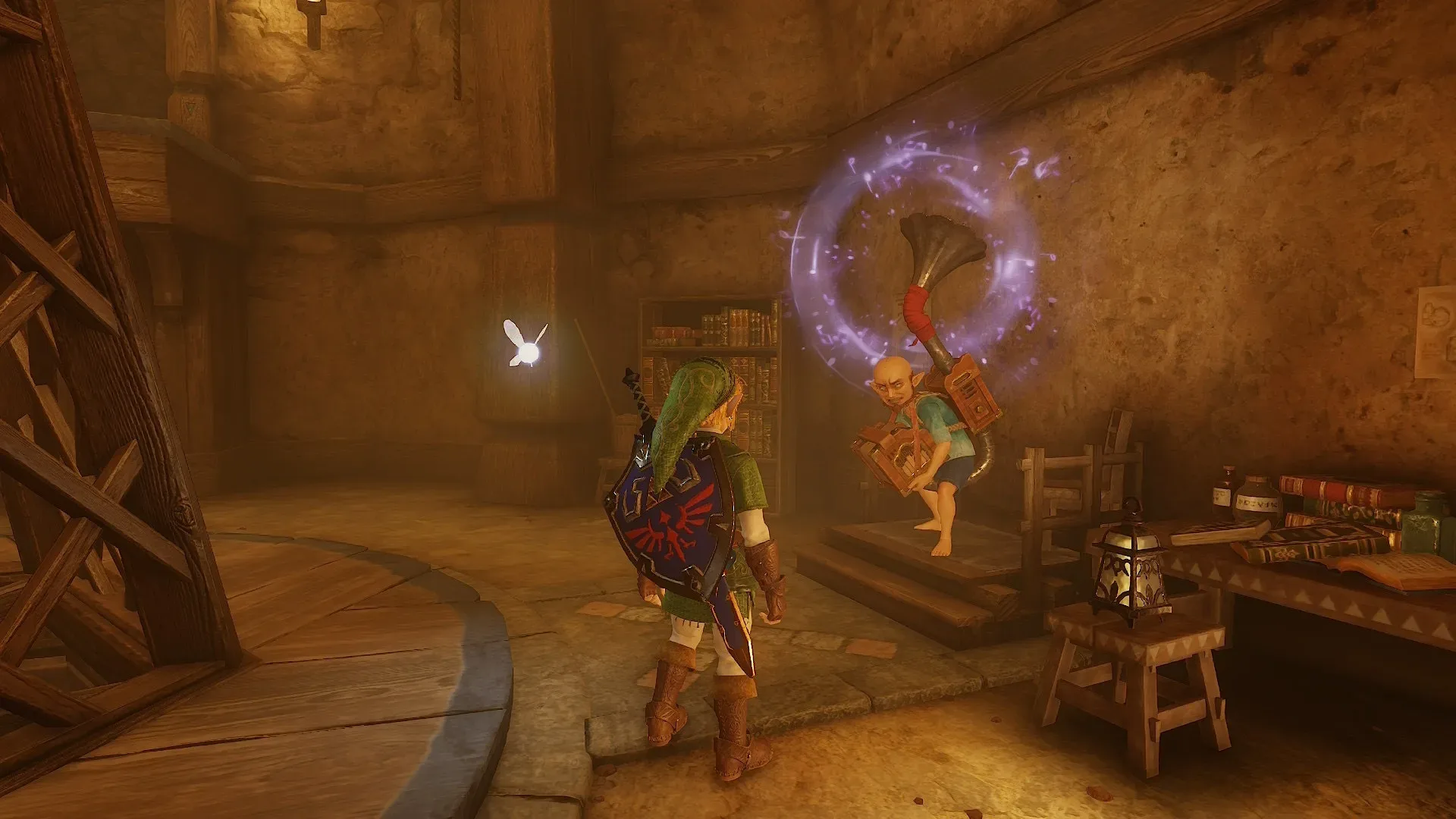
EE has been among the more active retailers during the recent restock window, although the console is currently unavailable there as well. Its listed offer pairs the console with discounts on selected games: £10 off the Ocarina of Time remake, £21.49 off Pokemon Pokopia, or £22.08 off Tomodachi Life: Living the Dream.
That may matter to buyers who intended to pick up one of those games anyway. It should not be mistaken for a lower console MSRP, and the value depends on whether the game purchase was already planned. A discount attached to an extra purchase is different from a discount on the hardware itself.
Why checkout preparation matters in small, irregular drops
The visible restock pattern is one of small quantities arriving without a predictable cadence. In that environment, the difficult part often is not finding a page but completing checkout before stock disappears. A console can move from an active “Add to cart” button to unavailable status very quickly.
Buyers can reduce avoidable delays without taking risks:
- Sign in to the retailer account beforehand.
- Confirm delivery details are current.
- Keep payment details ready through the retailer’s normal, secure checkout process.
- Check that the product, seller and price match what you intend to buy before placing an order.
- For location-based stock, verify the postcode or selected store.
Preparation is not a way to bypass a queue, and it cannot produce inventory that is not there. It simply prevents a buyer from losing time to password resets, old addresses or payment forms while a limited allocation is live. It is also wiser than rushing into an overpriced reseller listing out of fear that normal-price stock will never return.
Technical setup should remain separate from the buying scramble. Once a console is acquired, network choices can affect the broader home-gaming experience; this explainer on router VPNs versus VPN apps for Switch and other consoles covers that distinction. It is not a restock solution, nor does it change retailer availability.
Black Friday may bring movement, but it is not a promise
With a quiet recent week and Black Friday nearing, retailers have had additional time to receive and distribute inventory. That creates a reasonable basis to monitor the end of the month more closely. It does not establish that a large restock is scheduled, which stores will participate, or how much stock any retailer may receive.
The most responsible expectation is that stock could reappear in small, retailer-specific waves. Argos could show local availability; GameStop could have units in selected stores; Nintendo could issue an app notification; and an online retailer could briefly activate checkout. None of those outcomes requires another retailer to have inventory at the same time.
For prospective owners, the priority order is straightforward: wait for a direct retail offer close to MSRP, verify who is selling it, use the retailer channel that actually applies to that seller, and act promptly only after confirming the details. The Zelda Switch 2 shortage is frustrating, but paying an inflated price for a misleading “in stock” label is an entirely avoidable side quest.