Competitive Pokémon player Donghun Youm has reignited one of live gaming’s most awkward recurring conversations: personal hygiene at crowded tournaments.
In a September 27 post on X, Youm said a nearby player’s odor during the 2027 Baltimore Pokémon Regional Championships was so severe that he threw up. He wrote that he and friends were unable to focus for the round, and that they brought the issue to a judge’s attention.
“Please take care of your personal hygiene,” Youm wrote, describing the smell as “putrid” and saying it affected his group’s ability to concentrate.
The account is Youm’s personal description of the incident, rather than an independently documented finding about a particular player. Still, the post spread quickly because the underlying issue is familiar to people who attend tightly packed gaming, esports, trading-card, and fan events: a long day in a crowded room can turn basic courtesy into something with direct effects on everyone’s experience.
Baltimore’s Regional Championships included both Pokémon video game and trading-card competition, part of the circuit resuming after the 2026 World Championships in August. These events place competitors in prolonged, close physical proximity. Unlike a remote ladder match, there is no mute button, no room-change option between turns, and often no meaningful way to create distance once a round has started.
Why an odor complaint can become a competition issue
It is easy to reduce the subject to a familiar joke about “smelly gamers.” That stereotype is unhelpful when it becomes a broad insult aimed at an entire community. But it also should not obscure the practical point raised by Youm’s post: a serious environmental distraction can interfere with competitive play.
Competitive integrity is the basic principle that every participant should have a fair chance to perform based on their game decisions and preparation, rather than on avoidable outside interference. In card games, that includes a usable play space, reasonable conduct, and the ability to communicate. In video game competition, it includes being able to see, hear, and concentrate. A powerful odor is not a strategic game mechanic, and a player feeling nauseated is plainly not in an ideal condition to evaluate a board state, remember information, or make careful decisions under a round clock.
That does not mean every minor discomfort demands an intervention. Conventions and tournaments are busy public spaces, and people arrive after travel, queueing, meals, stress, and a lot of walking. The useful distinction is severity. A passing annoyance is one thing; a condition that makes a neighboring competitor sick or compromises several players’ ability to continue is another.
Related coverage includes Pokémon Competitor Says Baltimore Regional Stench Forced Him to Throw Up.
For players, Youm’s account contains a simple practical lesson: if an in-person condition is affecting a match, raise it discreetly with tournament staff rather than escalating the situation directly at the table. He said that is what his group did. Judges and organizers are the people positioned to assess what can be done without turning a difficult situation into a public confrontation between competitors.
A social post, a viral reaction, and an old event problem
The story travelled widely online, helped along by the fact that hygiene complaints have surfaced around several adjacent scenes before. Competitive Smash Bros. players have faced public criticism over odors at events. A Yu-Gi-Oh tournament has previously been paused over player smell, and an anime voice actor has asked concertgoers to bathe before attending a show.
Those examples explain why the reaction can be so immediate, but they are not evidence that any one audience is uniquely guilty. They are evidence that high-density social events need better shared norms. Gaming communities are far from alone in dealing with the realities of crowded venues; they are simply especially prone to turning the discussion into a meme after the fact.
Replies to Youm’s post included familiar calls for showers and deodorant, along with jokes about him fighting more than one battle. One respondent said the reminder applied across trading-card games. The jokes are predictable, but they point toward a serious standard: attending a public competition means considering the people seated beside you for hours at a time.
That consideration should be handled without cruelty. People can have health conditions, disabilities, sensitivities, financial barriers, travel complications, or other circumstances that are invisible to strangers. Spectators and fellow players do not need to diagnose anyone, speculate online, or identify an individual from an anecdote. The reasonable expectation is narrower and clearer: take ordinary, feasible steps to arrive clean and comfortable for a close-quarters public event, and let staff handle situations that go beyond that.
What good tournament etiquette looks like
Personal hygiene is only one component of being prepared for an all-day event. Pokémon regionals require attention, stamina, and respectful interaction whether a player is competing in the video game or the trading card game. The same preparation that protects an attendee’s own comfort also improves the day for opponents, judges, vendors, and friends.
- Prepare before leaving: Clean clothes and routine hygiene are the baseline for any crowded indoor event.
- Pack for the duration: A long competition day may involve travel, standing in lines, several rounds, food, and little downtime. Bringing water and any personal-care essentials that help someone stay comfortable is sensible planning.
- Keep the table usable: The immediate playing area should remain clear enough for cards, game equipment, scorekeeping, and judge communication.
- Speak to staff, not social media, during a live issue: A judge or organizer can address a disruption more calmly and consistently than players attempting to police one another mid-round.
- Avoid public pile-ons: Reporting a concern is different from humiliating a stranger. The goal should be a playable environment, not a viral target.
Organizers also have an interest in treating attendee comfort as part of event operations. Clear conduct expectations, visible staff support, and a tactful way to report conditions affecting play can make it easier for people to seek help before a match is derailed. The specific response will depend on venue and event policy, but the guiding idea is straightforward: all entrants deserve a space where they can participate without an avoidable physical distraction.
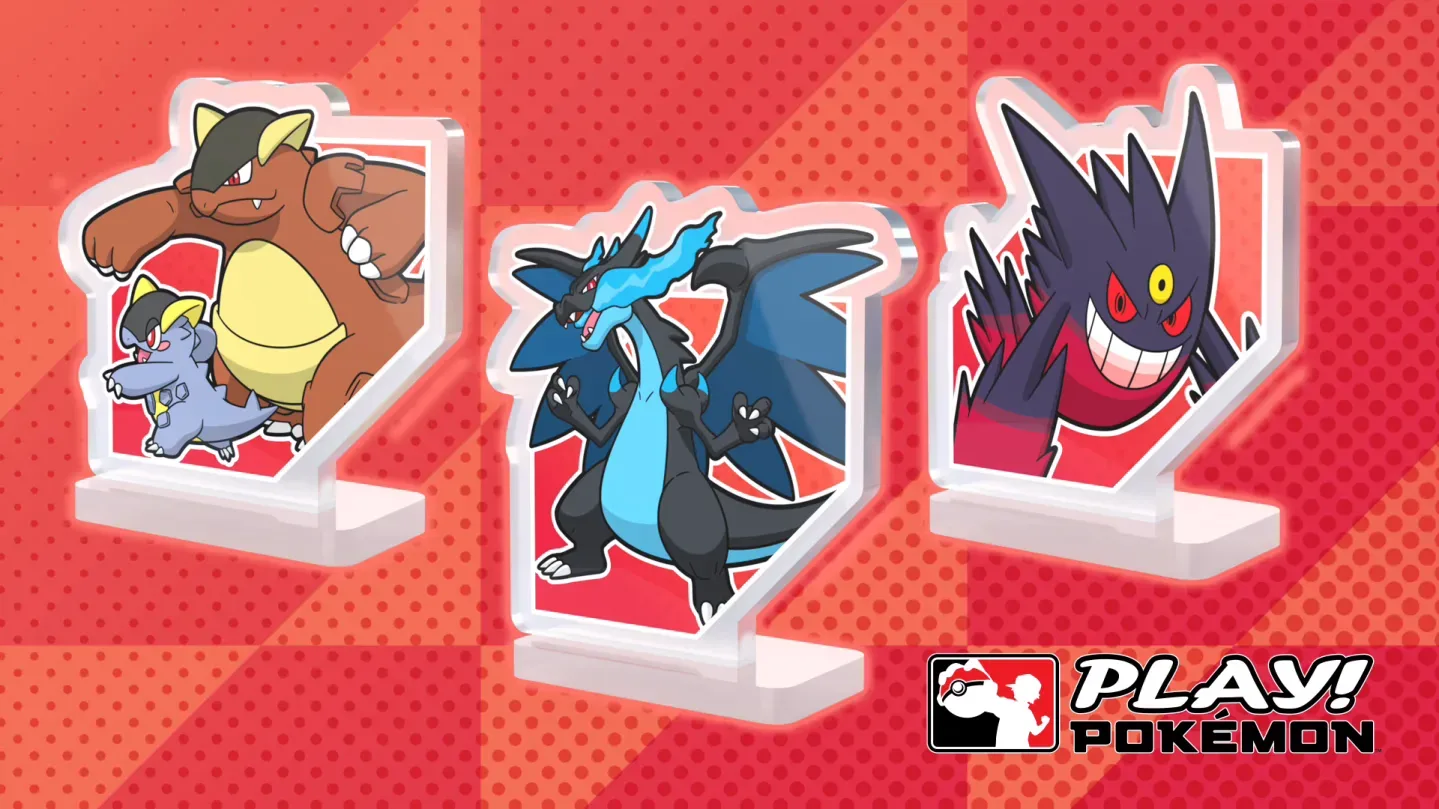
That broader event culture matters for Pokémon in particular because the competitive scene spans formats and age groups. A Regional can be an intense proving ground for serious players, but it is also a social gathering where communities meet in person. The card side of that ecosystem continues to have its own organized play tools and local-event support; for a look at one recent example, see Pokémon League’s October kit, which includes Mega standees and an 80-card Battle Box.
Youm’s Baltimore result
Despite the incident he described, Youm finished 60th at Baltimore Regionals with a 9–4 record. He later characterized it as not his best showing, while noting that he finalized his team at 4 a.m. the night before the competition and felt he had done reasonably well.
His result is a reminder of how narrow the margins can be at a serious tournament. Competitors already manage matchup knowledge, round clocks, fatigue, nerves, travel, food, and the pressure of making correct choices in front of an opponent. An environmental problem that breaks concentration may not show up on a standings sheet, but it can matter deeply to the people at the table.
No one needs a complicated rulebook to take the basic takeaway from this episode. Show up ready to share the room. If something at an event genuinely prevents play, tell staff. And if a hygiene discussion is necessary, keep it focused on making tournaments welcoming and functional rather than using it as an excuse to stereotype a whole community.