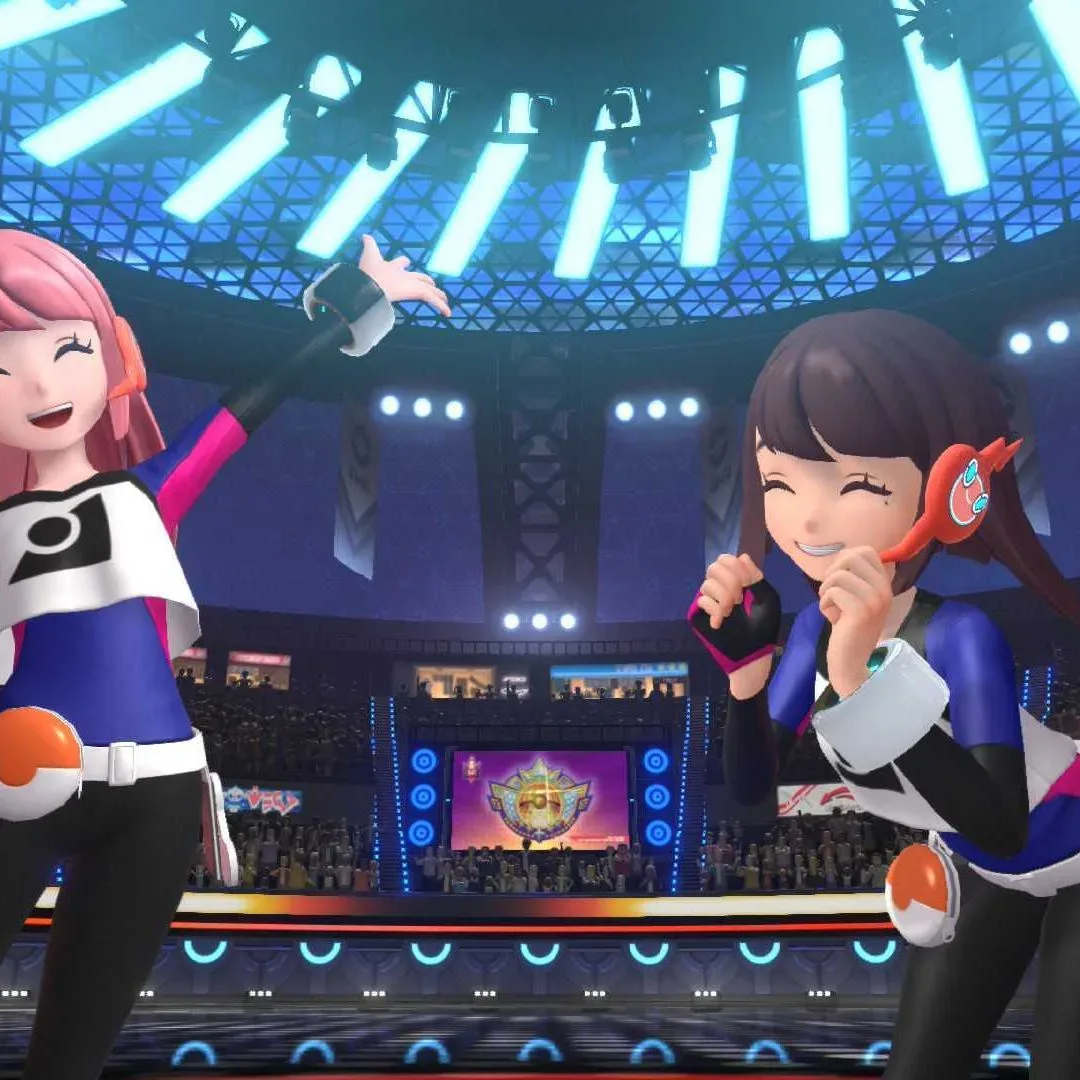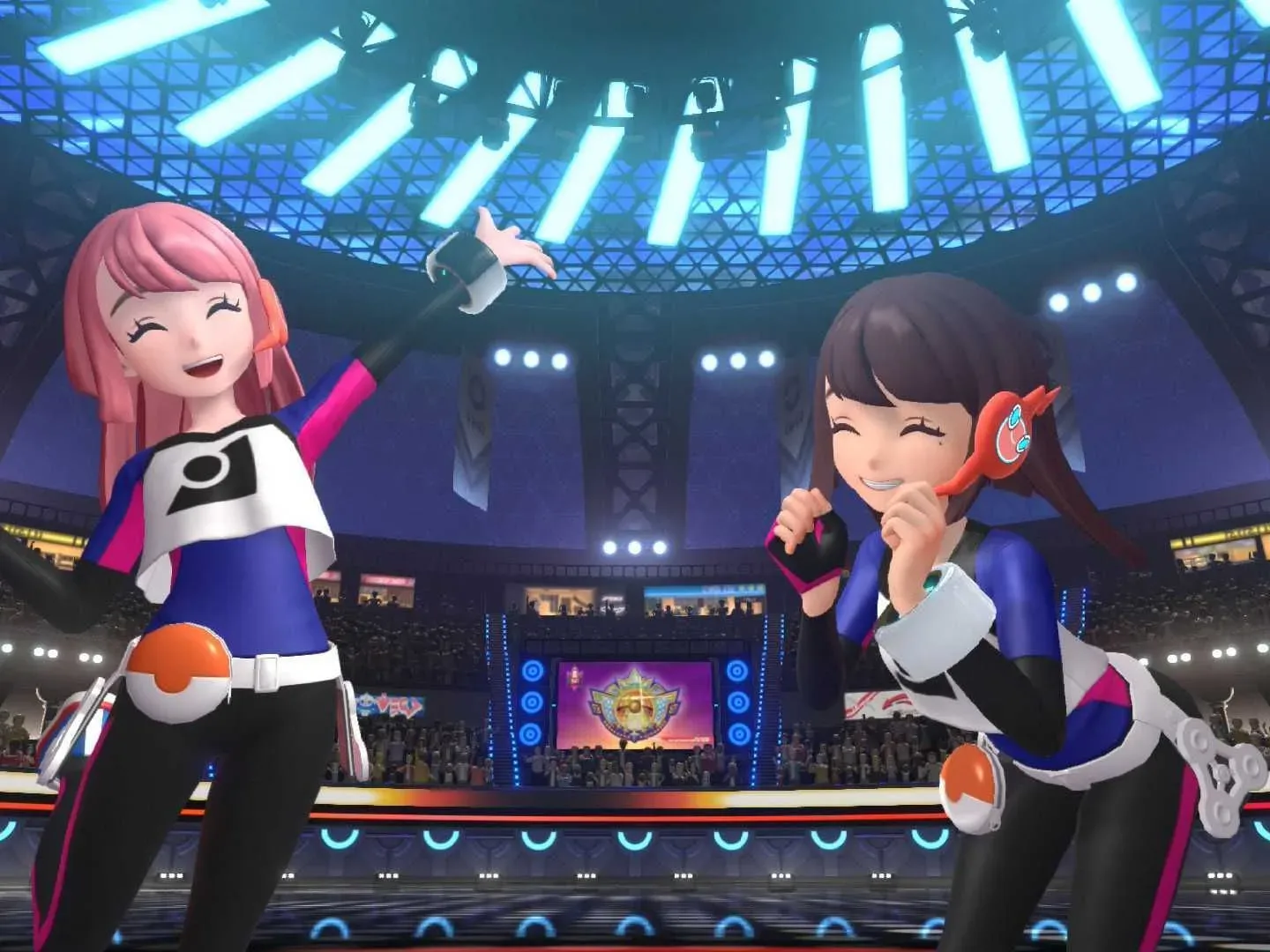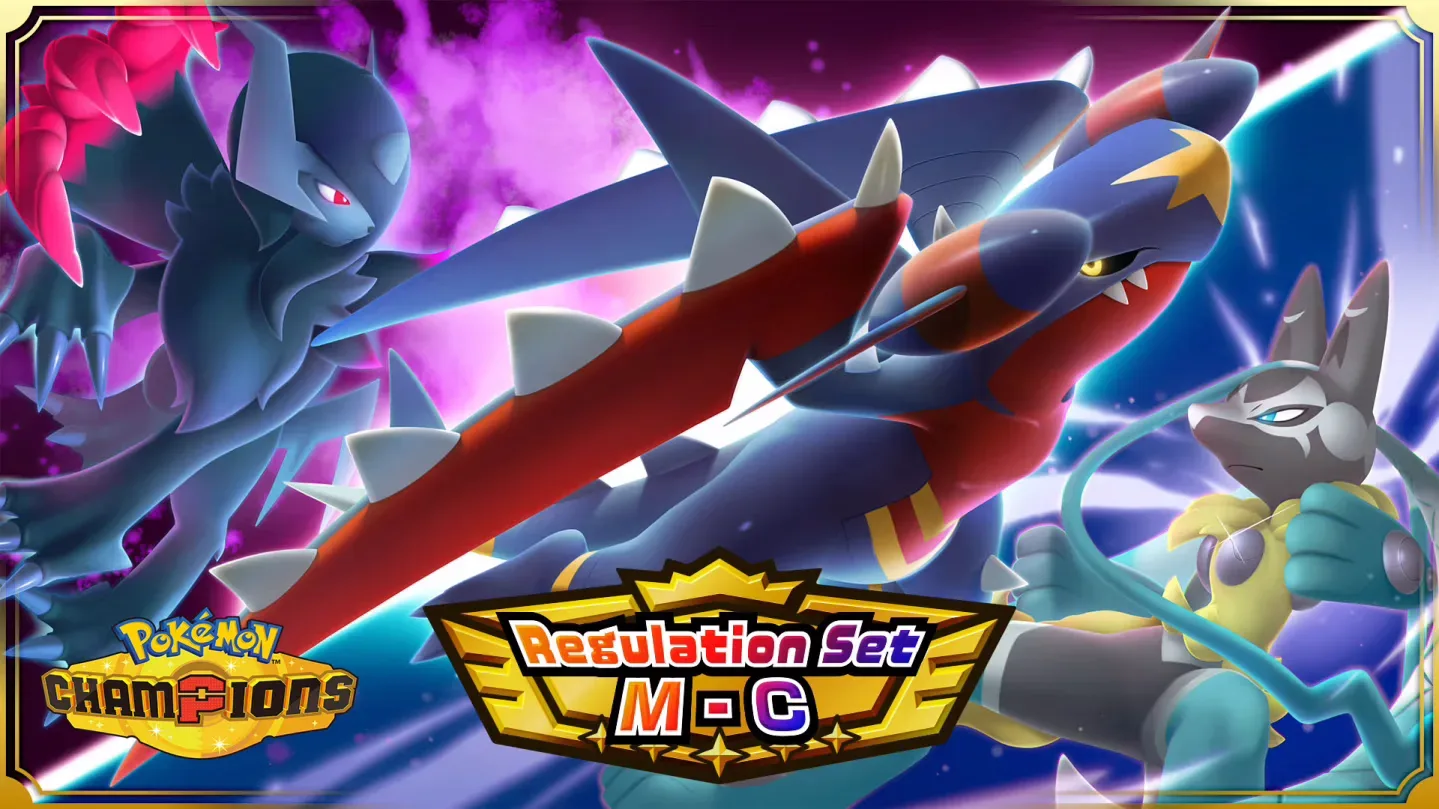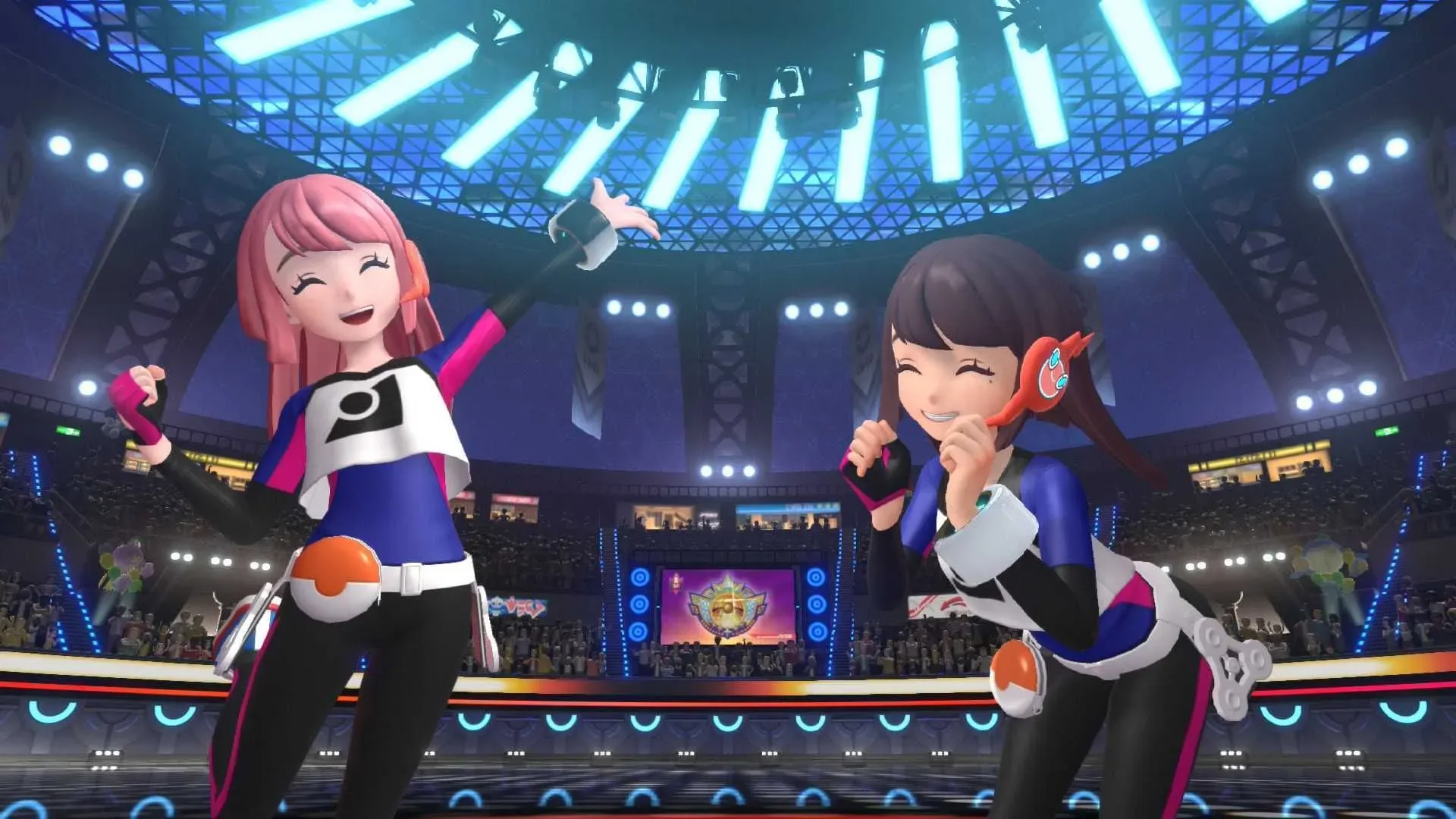
Pokémon’s battle system may be entering a period of wider experimentation, but Pokémon Champions is being positioned as a place where the series’ classic turn-based format can endure. Co-director Masaaki Hoshino has said he wants those battles to remain available indefinitely, describing Champions as a way to preserve the style regardless of how other Pokémon releases choose to approach combat.
That is a reassuringly direct statement for players whose idea of a Pokémon battle begins with selecting a move, weighing type matchups, predicting a switch, and then watching a carefully arranged turn resolve. It also gives Pokémon Champions an unusually important role. Rather than simply being another side project built around multiplayer, it is set to become the platform for official VGC competition at events including the Pokémon World Championships.
A permanent arena for traditional Pokémon battles
Hoshino’s comments frame Pokémon Champions as a long-term competitive home for the battle system players know from the core RPGs. He has explained that Pokémon battles were a major reason he joined The Pokémon Company, and said he would like turn-based play to remain around “forever,” even if the broader franchise continues to explore other approaches.
The key qualification is important: this is not a declaration that every future Pokémon title must use the same battle structure. Instead, it suggests Champions can act as a stable destination for a particular version of Pokémon battling. If an upcoming adventure changes the pace, control scheme, or rhythm of encounters, competitive players would still have a dedicated game built around the familiar turn-by-turn ruleset.
That distinction could matter enormously as Pokémon grows more willing to separate its role-playing adventures from its formal competitive ecosystem. A mainline release has to serve a wide audience: newcomers, collectors, story-focused players, children, longtime fans, and everyone who would rather spend an evening filling out a Pokédex than calculating damage ranges. Champions, by contrast, can concentrate on battle-focused play.
Why the word “forever” keeps surfacing
Hoshino has previously described an ambition to keep Pokémon Champions operating far into the future, for as long as the Pokémon series itself continues. The newer remarks reinforce that goal. “Forever” is naturally a huge promise in a medium where online games, hardware generations, and service plans evolve quickly, so it should be read as a stated intention rather than a guaranteed technical timetable.
Still, the intent is clear. Champions is envisioned as something more durable than a short-lived competitive detour tied to one generation of monsters or one pair of RPG releases. Its development began with the concept of putting the battle system the team had built into a single game that players could continue playing over time.
For the competitive community, that continuity could reduce the pressure created when a new mainline title reshapes battle mechanics, available creatures, or online infrastructure. A dedicated competitive platform has the potential to make the tournament side of Pokémon easier to identify: one central game, one central destination, and a format designed around structured battles rather than a full story campaign.
Related coverage includes Pokémon Champions Co-Director Says Turn-Based Battles Will Be Preserved "Forever".
What “preserved” does — and does not — mean
Preservation does not necessarily mean total immobility. Turn-based Pokémon has never been a single unchanging ruleset. Generations have introduced abilities, held items, double battles, new Pokémon, altered move pools, regional mechanics, and shifting competitive regulations. Even a game committed to turn-based combat can evolve through its roster, rules, balance, and tournament formats.
What Hoshino’s description points to is the survival of the underlying structure: players make choices in turns, teams are constructed around strategic combinations, and victory depends on information, prediction, positioning, risk management, and matchup knowledge. That skeleton can support plenty of changes without becoming an action game.
It is also worth separating a stated design philosophy from details that have not been established. The available information does not spell out every future feature, every supported Pokémon, how formats will rotate, or precisely how long particular services and rules will remain unchanged. The broad direction is much clearer than the fine print.
Pokémon has already tested alternatives
The discussion arrives because recent Pokémon releases have shown a willingness to change how battling feels. Pokémon Legends: Arceus used Strong Style and Agile Style move options, giving moves different effects on battle order and altering the familiar cadence of decisions. Pokémon Legends: Z-A has also been associated with real-time combat rather than the conventional menu-driven turn structure.
Meanwhile, mainline generational games and remakes have largely held to the classic formula. Pokémon Scarlet and Violet retain turn-based battles, as do Pokémon Brilliant Diamond and Shining Pearl. That split illustrates why Champions could be useful: the franchise does not have to treat innovation and tradition as mutually exclusive.
One game can seek a different kind of adventure and experiment with immediacy or movement, while another maintains the slower, tactical framework that has supported organized Pokémon competition for decades. The presence of Champions could give the development teams more room to try new ideas elsewhere without making competitive fans fear that a familiar format has been discarded altogether.
Kazumasa Iwao, another Champions co-director, recently acknowledged that the battle rules used across the RPG series could change gradually. He also said Game Freak wants to challenge itself with new ideas. That leaves open questions about the battle system in Pokémon Winds and Waves, but it does not amount to confirmation that traditional turns are disappearing from every future game.
In fact, the paired comments present a more nuanced picture. Pokémon can experiment. Pokémon Champions can preserve. Those two plans can exist alongside each other, and Champions may be the bridge that lets the franchise pursue both.
The VGC responsibility changes the stakes
Calling Champions a PvP spin-off understates its intended importance now that official VGC tournaments are set to be held in it. Tournament play is not merely a bonus mode for many fans. It is where the series’ systems become a spectator sport: team sheets, bracket runs, surprising reads, unusual picks, precise endgames, and the occasional missed move that makes an entire room groan at once.
A competitive game needs a dependable foundation. Players invest time learning interactions and building teams; organizers need clear rules; viewers benefit from a recognizable format. Moving official competition into Champions makes Hoshino’s preservation language especially meaningful. The game is expected to carry the competitive scene, not simply host optional battles in the background of an RPG.
That does not mean the competitive environment will be frozen in amber. Healthy organized games often require updates and rule changes. But a dedicated platform can make those changes more deliberate, rather than tying every competitive transition to the launch of a new story-driven generation.
It also means fans should avoid treating experimentation in one Pokémon game as a final verdict on all Pokémon combat. A Legends-style release may take a different route, while Champions remains centered on the strategic turn-based experience that tournament players recognize.
Remakes, nostalgia, and the need to keep releases straight
Recent references to Pokémon Gold and Silver by official social accounts have fueled hopes that the Nintendo DS remakes could return on Switch. At present, that is fan speculation rather than a confirmed announcement. The distinction matters, particularly in a series with original releases, enhanced editions, remakes, and new takes on older regions.
Anyone revisiting an older Pokémon game or trying to follow a guide for a remake should be careful about which version they are using. Mechanics, encounter lists, maps, items, and progression can differ considerably between releases that share a region or title lineage. Our guide to matching original, remaster, and remake releases to the right walkthrough covers why that version check is more important than it first appears.
For now, the concrete development is Champions’ stated mission. Pokémon’s next adventures may continue to test new battle concepts, and Pokémon Winds and Waves could eventually clarify just how far that experimentation goes. But Hoshino’s position offers an answer for fans worried that tactical, turn-by-turn Pokémon could be left behind: Champions is intended to keep that battle tradition alive for the long haul.