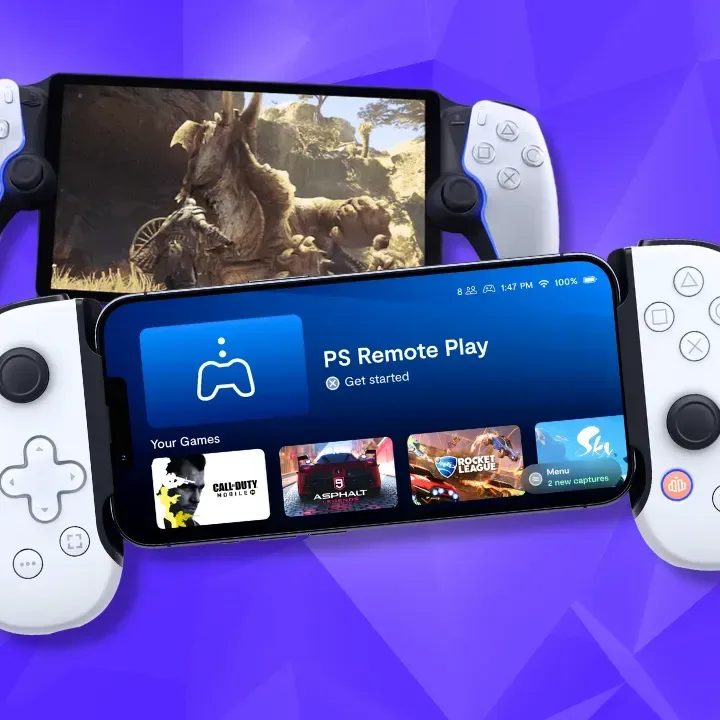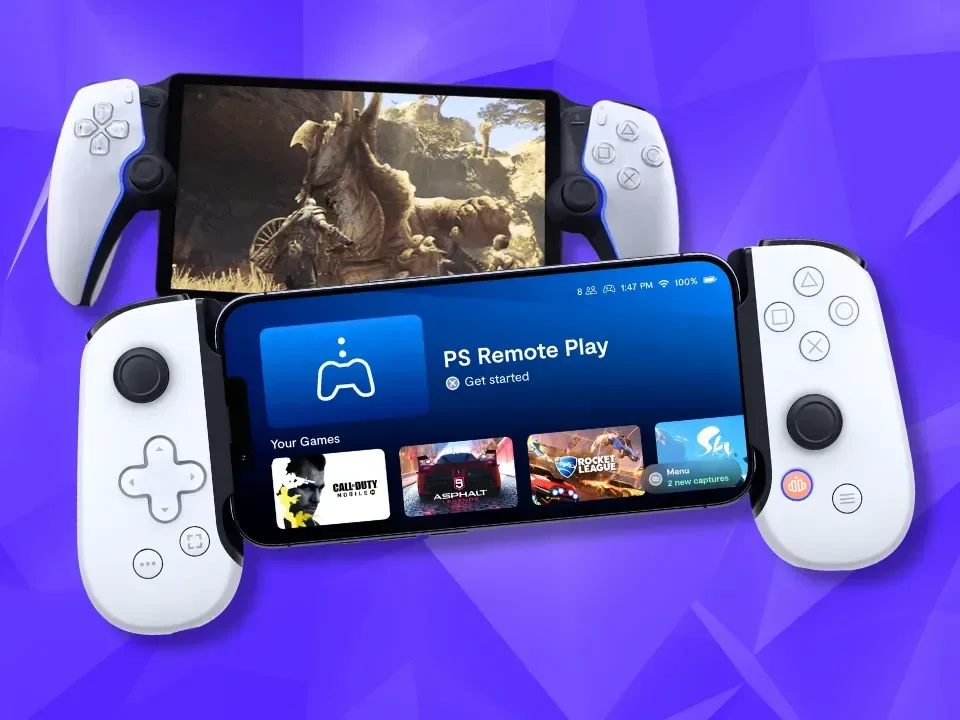
Sony may have a special arrangement with AMD around its next-generation RDNA 5 graphics architecture for a possible PlayStation handheld. That is the intriguing claim making the rounds, but it needs to be read with the emergency brake firmly engaged: Sony has not announced a new handheld, AMD has not confirmed an RDNA 5 handheld contract, and the reported arrangement has not been defined in public.
The discussion centres on the possibility of an AMD RDNA 5-based handheld chip being reserved for Sony in some capacity. The wording matters. The claim describes an “exclusive of sorts,” not a clearly established, blanket prohibition on AMD selling RDNA 5 graphics to every other handheld maker. It could mean many things, from an early-access window to a particular semi-custom design. Without an announcement or technical documentation, the scope, duration and commercial terms are unknown.
What is actually being claimed?
At the narrowest level, the report suggests that Sony could be positioned to use RDNA 5 in a handheld while another AMD handheld-focused chip, reportedly called Z3, is unlikely to use that same graphics architecture. That is a notable distinction because RDNA is AMD’s graphics architecture family: the underlying GPU design that influences how a chip renders games and supports graphics features. It is not, by itself, a full performance specification.
A handheld’s eventual game performance would depend on far more than the RDNA generation attached to its GPU. CPU design, memory capacity and bandwidth, cooling, power limits, display resolution, battery size, storage, operating system overhead and game-specific optimization would all matter. Two devices can share graphics architecture yet deliver very different results if their power and thermal targets differ.
That is why “RDNA 5” should not be treated as a promise that an unannounced PlayStation portable would match a living-room console, run every game at a particular resolution, or arrive with a specific feature set. The current claim is about potential silicon access, not a finalized product spec sheet.
Why a Sony-AMD relationship makes the rumor more plausible than a random wish list
There is a real foundation beneath the speculation. Sony and AMD have worked together through an initiative known as Project Amethyst. That collaboration is tied to PSSR 2 on PlayStation 5 Pro and FSR 4.1 for PC and Xbox. The existence of that work does not confirm a handheld, but it does establish that the two companies have been collaborating on graphics technology.
PSSR, short for PlayStation Spectral Super Resolution, is Sony’s image-reconstruction and upscaling technology. In broad terms, upscaling aims to produce an image that looks closer to a higher-resolution result while beginning from a lower-resolution render. That can be especially relevant to hardware with strict power budgets, since drawing fewer pixels can reduce the graphics workload. FSR, or FidelityFX Super Resolution, is AMD’s family of similar image-upscaling technologies.
It would be a leap, however, to conclude that Project Amethyst guarantees PSSR 2, FSR 4.1, or any other named technology would appear on a future PlayStation portable. The report only establishes the existing collaboration and the rumor surrounding RDNA 5. Software support, product positioning and implementation remain unconfirmed.
Related coverage includes Sony's Rumored PlayStation Handheld Could Use Exclusive Next-Gen AMD Graphics.
The wider handheld race is complicating the picture
The prospect of a new PlayStation handheld arrives amid a competitive and increasingly expensive portable-PC market. Nintendo’s Switch demonstrated the appeal of playing major games both in handheld form and through a television, while PC gaming handhelds have created a broad field of devices with different prices, performance levels and battery compromises.
Sony leadership has previously suggested the company could move toward more hybrid, Switch-like console ideas to suit players who game while away from the TV. That statement is useful context, but it is not the same thing as a product reveal. It does not identify a device, confirm a dock, establish backward compatibility or provide a launch period.
The cost question may be as consequential as the graphics question. The report notes that rising handheld prices, alongside a continuing RAM crisis, could put pressure on the category. RAM is the fast working memory used by games and the operating system. In a portable machine, memory cost and bandwidth can affect both the bill of materials and the graphics system’s ability to move data quickly. If memory remains costly, a platform built around newer silicon may face difficult price, supply and margin decisions.
That backdrop may explain why an RDNA 5 handheld, if one is real, would be strategically interesting. Sony could potentially treat a high-end portable as a tightly controlled platform rather than one more entry in a crowded PC handheld market. But it could also make the device harder to price attractively. Neither outcome can be assumed until there is an actual product and a real price.
Intel’s recent handheld push adds pressure
AMD’s handheld position is not developing in isolation. Intel introduced a Panther Lake handheld chip at Computex 2026, and the report characterizes Intel’s Arc G3 graphics as substantially ahead of AMD’s Ryzen Z2 Extreme in testing. The Z2 Extreme uses an RDNA 3.5 GPU, while Arc G3 is described as using the same GPU design as Intel’s latest laptops, with some CPU cores disabled.
That comparison is relevant less as a permanent league table than as an illustration of how quickly the portable silicon market moves. Architecture labels and individual benchmarks do not settle the entire experience, but competition can force faster product cycles and more ambitious designs. AMD has an incentive to strengthen future handheld offerings; a Sony semi-custom partnership could be one part of that effort.
For prospective buyers, it is also a reason not to reduce the story to a simple “AMD versus Intel” scorecard. A dedicated console handheld and a Windows-based gaming handheld are likely to be designed around different trade-offs. One might emphasize a fixed platform and tailored software environment; another may emphasize access to a broader PC library. The rumored PlayStation device has not been sufficiently detailed to establish where it would sit on that spectrum.
Xbox reports make “exclusivity” harder to interpret
Microsoft is also reported to be pursuing a multi-device effort called Project Helix, with a handheld potentially arriving before its next console. A report has placed that handheld around the 2027 holiday period and the next console in 2028, though the hardware inside either product has not been confirmed.
AMD has teased FSR Diamond alongside Project Helix, and the report suggests that technology would likely run on RDNA 5. If those separate reports prove accurate, they would make any Sony-AMD arrangement more nuanced than a simple universal RDNA 5 lockout. Sony might have exclusive access to a particular handheld implementation or an early period of availability, while AMD still supplies related technology or later hardware to other partners. Again, that is analysis of how the claims could coexist, not confirmation of an agreement.
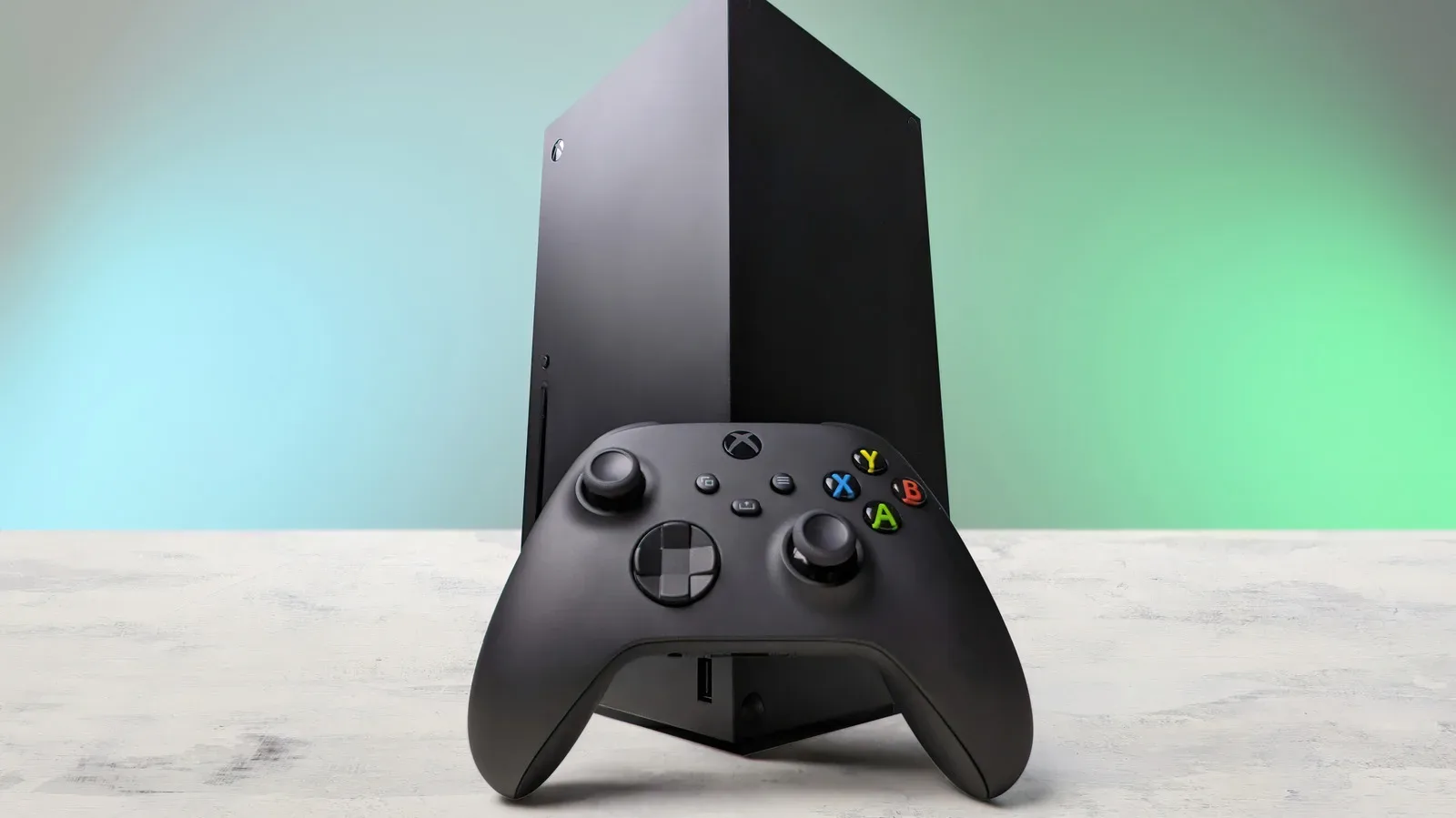
For more on the value pressure around powerful game hardware, see why a PC comparable to Xbox Series X hardware can still cost more than the console.
Docking and backward compatibility are still only rumors
Previous reporting has described an unannounced PlayStation 6-era handheld that could be dockable and backward compatible with PlayStation 4 and PlayStation 5 games. It also mentioned a possible lower-cost “PS6 S” concept. These details have not been confirmed by Sony, and they should not be folded into the newer RDNA 5 discussion as settled facts.
Still, they identify the questions that matter most if a device does emerge. A dockable system would need to explain how games scale between portable and TV use. Backward compatibility would require clarity about which library is supported, whether support is native or streamed, and how older games perform. A lower-priced companion system would raise another issue: whether Sony is considering a family of devices rather than a single premium handheld.
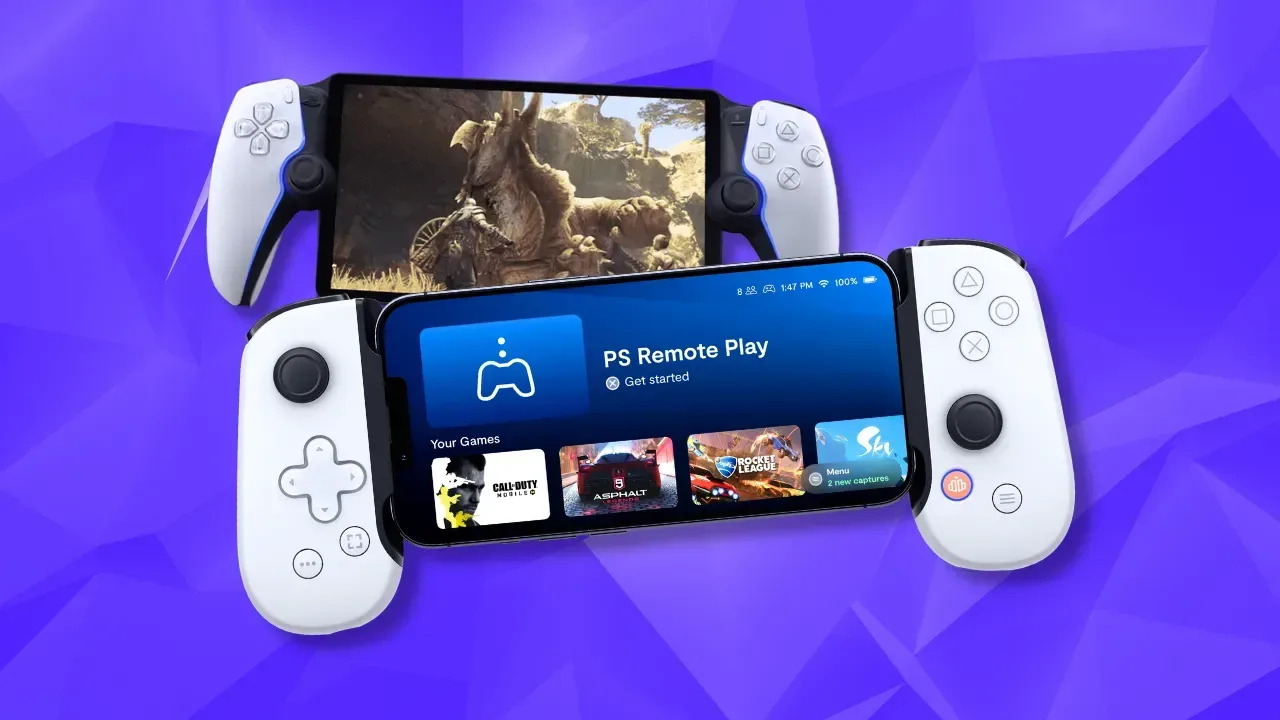
None of those answers are available yet. The only sensible reading of the RDNA 5 claim is that a potential PlayStation portable could be part of a more technologically ambitious plan than a basic remote-play accessory. It is not evidence that the plan has reached manufacturing, that a feature list is final, or that consumers should expect a particular launch schedule.
What to watch next
- A Sony confirmation: A product name, product category or formal hardware roadmap would move the discussion beyond rumor.
- AMD clarification: Any public explanation of RDNA 5 mobile plans could illuminate whether a custom handheld design exists and how broadly the architecture will be available.
- The meaning of “exclusive”: Timing exclusivity, a bespoke chip and a full platform exclusivity arrangement would have very different implications.
- Memory and pricing conditions: The reported RAM crunch could shape the viability of premium handheld hardware as much as GPU ambition does.
- Software strategy: Compatibility, local play versus streaming, dock support and image-upscaling tools will matter as much as raw chip branding.
For now, the report is an interesting signal of where Sony and AMD’s existing relationship might lead, rather than a substitute for an announcement. RDNA 5 could become a meaningful advantage for a future PlayStation handheld, but the form of that advantage—and whether the handheld itself materializes as described—remains unresolved.