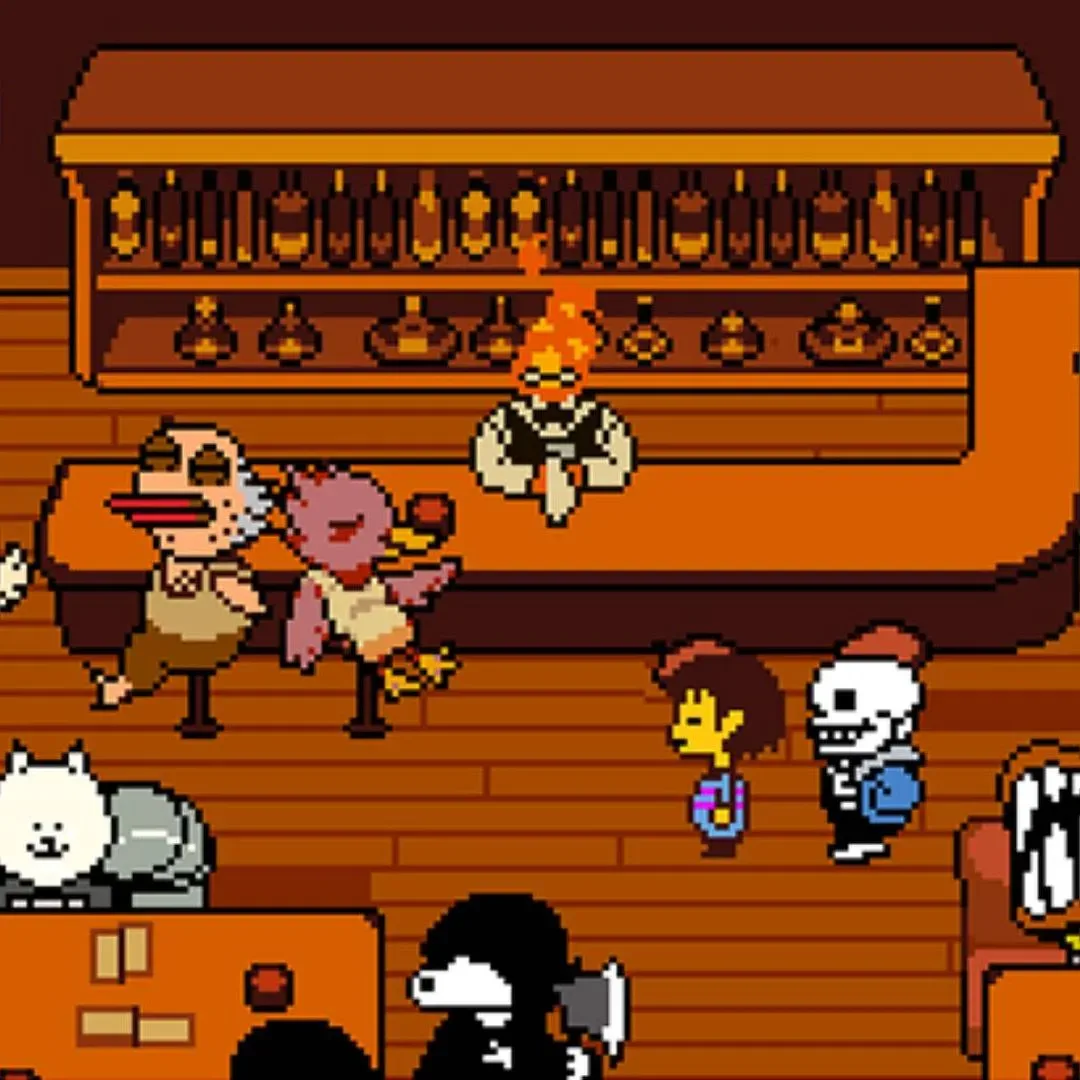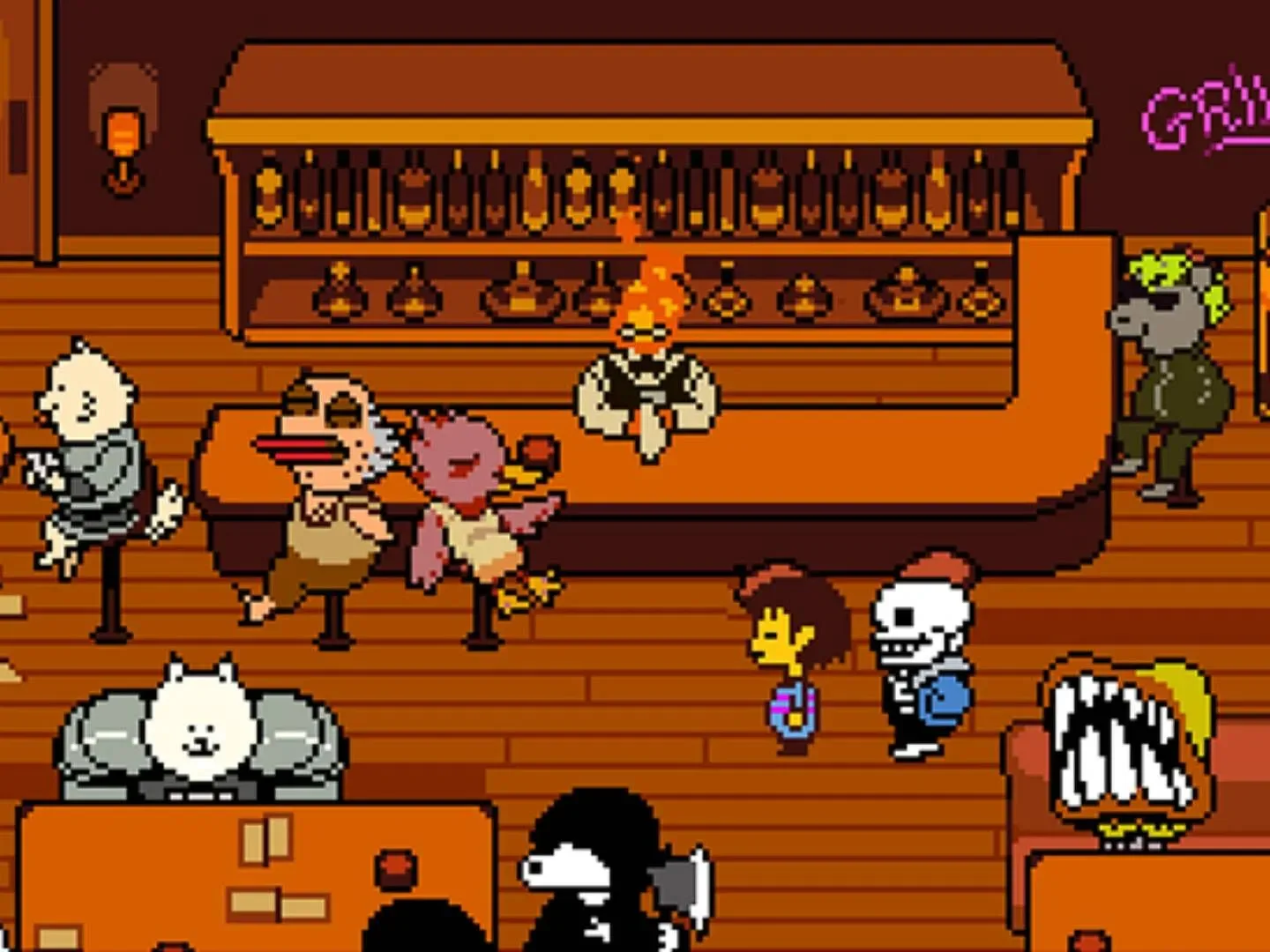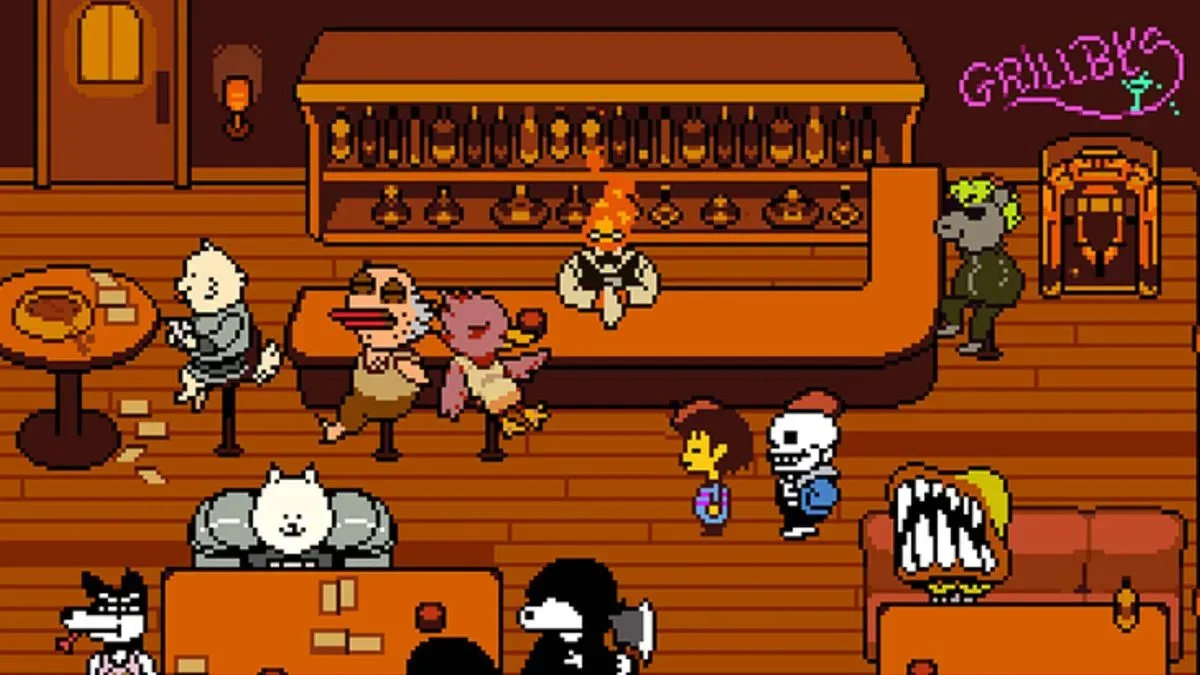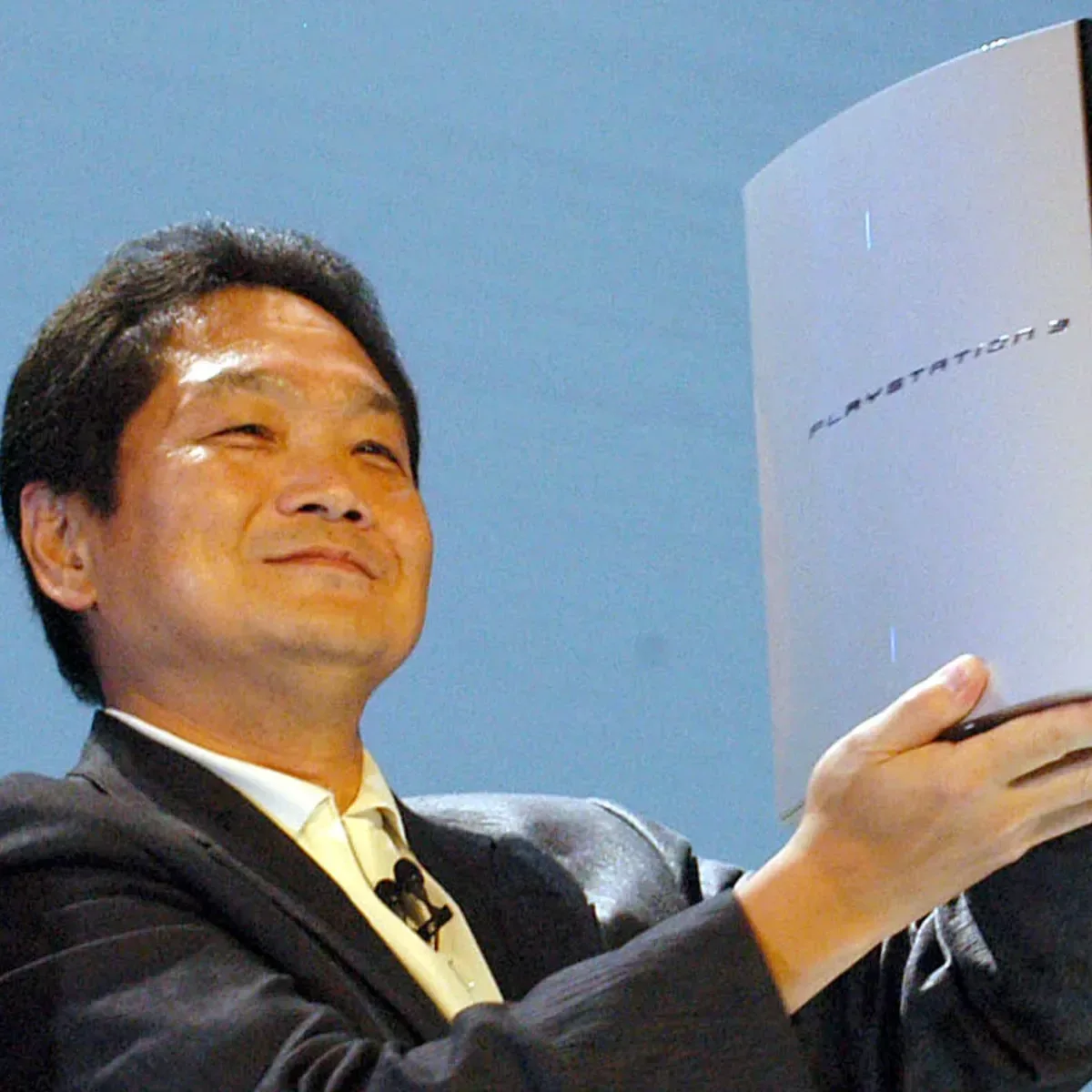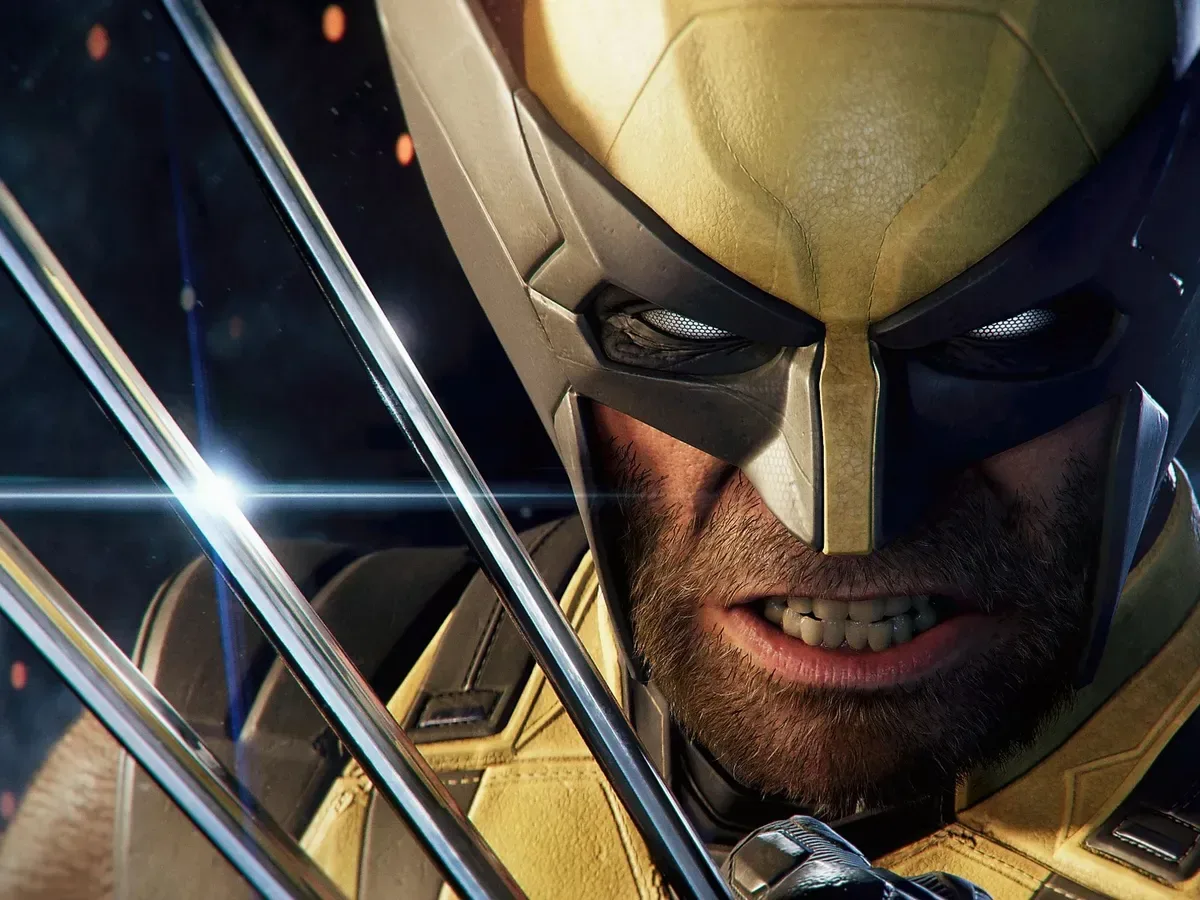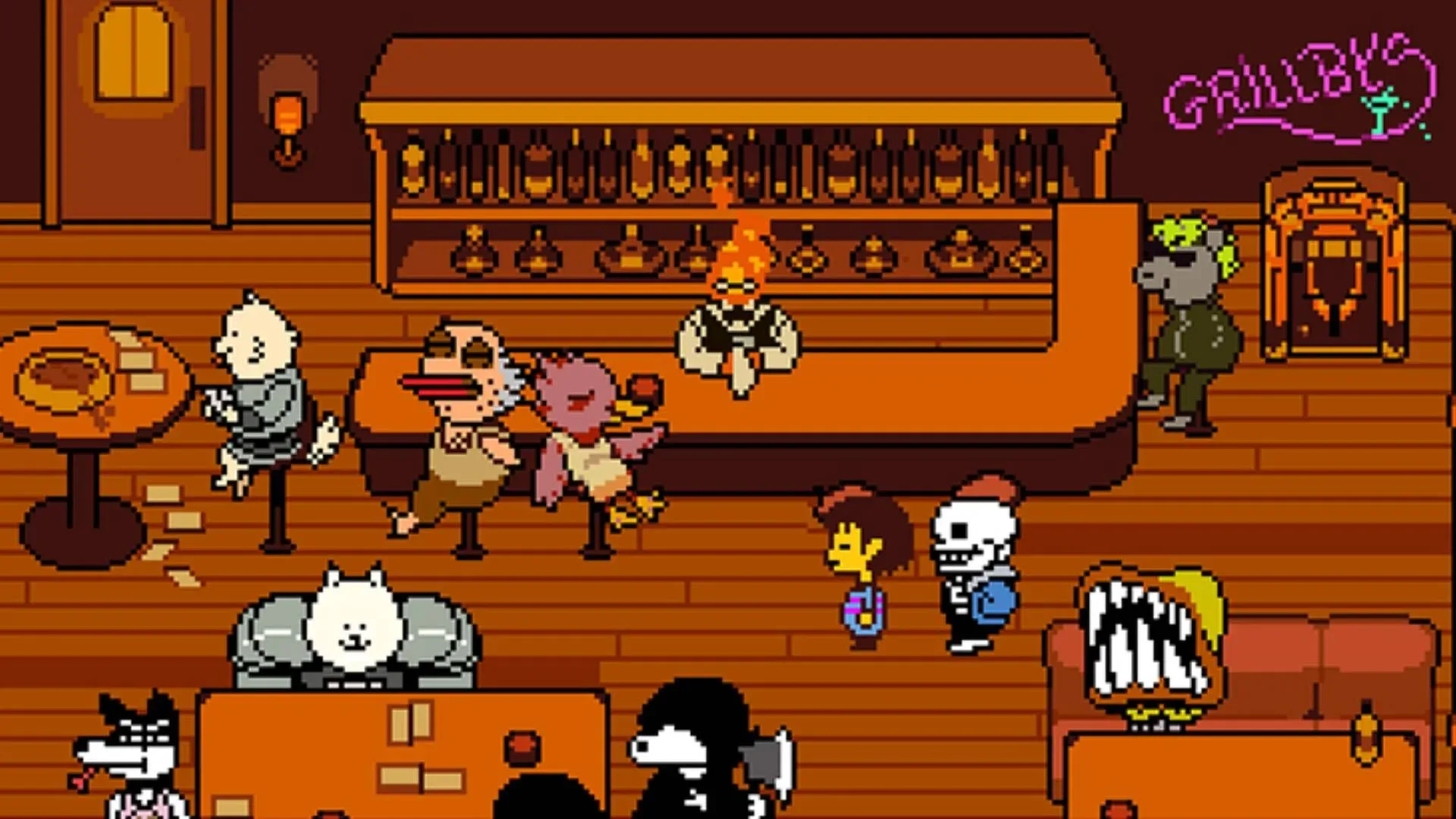
A Roblox experience built around a striking imitation of the PlayStation 4 interface has returned under a new name after its earlier version was taken down. The original project, called PlayStation Experience, reportedly presented users with a PS4-style boot sequence and home menu, then offered playable versions of games including Five Nights at Freddy’s, Undertale, The Simpsons: Hit & Run, and Roblox itself.
The replacement is called Rostation Experience. Footage shared online indicates that it closely resembles the removed project, with the naming change and a disclaimer apparently serving as the major visible differences. The project has become a useful example of the increasingly messy boundary between fan-made homage, a platform-hosted recreation, recognizable console branding, and games that may themselves belong to separate rights holders.
What was in the removed Roblox project?
The original PlayStation Experience reportedly went beyond decorating a Roblox lobby with familiar blue panels and console-like icons. It included a full startup presentation and a functional home-menu-style interface, with multiple selectable games. One report that tested its version of The Simpsons: Hit & Run described it as largely the same as the original release.
That distinction matters. A fan project that merely evokes a console’s design creates one kind of dispute. A project that reproduces a recognizable system interface and contains playable recreations of several commercial games creates a much broader set of potential concerns. The interface itself, console identity, individual game characters, game worlds, audiovisual material, and any copied code or assets can all raise different questions. The available information does not establish exactly how any portion was made, nor which elements may have prompted the takedown.
The project was highlighted online by creator KreekCraft and was subsequently removed. No specific reason for the removal has been provided in the information available, and it should not be assumed that a particular company submitted a complaint or that a formal legal finding was made.
“Rostation Experience” attempts a quick reset
Redwing Works lead developer Robin publicly addressed the disappearance of the earlier project and shared the replacement, saying the team would remain “right behind the line.” The wording reflects the apparent strategy: retain the overall experience while replacing the direct PlayStation-facing name with Rostation Experience.
The new listing also includes a disclaimer describing RoStation as an original fan project that is not affiliated with a console maker. Such language can clarify that a project is unofficial, but it does not by itself determine whether material is permissible to use. A disclaimer does not answer whether an interface is too close to a protected design, whether copyrighted game content appears in the experience, or whether a hosting platform will act on a rights-holder complaint.
That leaves the project’s future uncertain. Changing a name may reduce the most obvious use of a brand name, but the broader resemblance described in online footage could still draw scrutiny. The playable games are also important: concerns would not be limited to the company associated with the PS4 if the experience includes material based on games owned or controlled by other creators and publishers.
Related coverage includes Roblox PS4 Dashboard Replica Returns as 'Rostation Experience' After Takedown.
Why the games inside are the bigger complication
The dashboard imitation is the attention-grabbing hook, but the game selection may be the more consequential issue. A conventional Roblox fan creation often uses original gameplay built with Roblox tools, even when its theme nods toward a famous game or franchise. Here, the reporting describes accessible versions of established games within an interface modeled after a major console platform.
That creates layers of authorship rather than one simple reference. Undertale, Five Nights at Freddy’s, and The Simpsons: Hit & Run are separate properties. Roblox is the host platform and also appears as an in-experience game reference. Meanwhile, the console-like presentation is associated with PlayStation. A removal affecting the first project therefore should not be read as a definitive judgment about only one element, especially when the basis for the action is unconfirmed.
For players, the practical point is straightforward: unofficial experiences built around recognizable commercial material can disappear with little warning. A listing being available at a given moment is not proof of official involvement, licensed status, preservation value, or long-term support. Anyone looking for authorized PlayStation software and rotating catalog updates should instead follow official services and verified releases; recent changes to the PS Plus lineup, for example, are a separate and official part of the PlayStation ecosystem.
AI speculation is not evidence
Online discussion has also centered on whether generative AI helped make the project. That speculation appears to stem from a broader rise in so-called “vibe-coded” ports and recompilations: projects made with substantial assistance from AI tools, often through natural-language prompts and iterative generated code rather than conventional programming alone.
There is no stated AI disclosure in the new experience’s description, and the available material does not establish that AI was used. The fact that other fan projects have credited an AI system, or that observers believe the work resembles AI-assisted output, is not evidence of the workflow behind Rostation Experience. It is more accurate to say that AI use has been alleged or presumed by some commenters, not confirmed.
The distinction is important technically as well as ethically. AI-assisted development can refer to many very different practices: generating placeholder scripts, explaining code errors, drafting a prototype, recreating systems from reference material, or assembling much larger portions of a game. None of those descriptions alone reveals whether a project contains copied assets, copied code, independently created models, or manually recreated gameplay. The legal and platform questions surrounding a project do not disappear if AI was used, but neither can AI be treated as a proven explanation without direct evidence.
What this says about Roblox fan projects
Roblox makes it possible to publish and share interactive creations quickly, which is a major reason imaginative fan spaces thrive there. The same speed can make it easy for a project to move from an apparent novelty to widespread attention before its status is clear. A console-dashboard replica containing multiple recognizable games is particularly likely to attract attention because it combines nostalgia, a familiar interface, and the novelty of seeing unrelated properties packaged together.
But visibility is not durability. The quick removal of PlayStation Experience, followed by the arrival of Rostation Experience, shows how rapidly creators can revise a project’s presentation. It does not demonstrate that the revised version is insulated from further moderation or rights-holder action. Nor does it tell players whether the underlying games, assets, or interface were changed in a meaningful way.
For now, the clearest facts are limited: a Roblox project called PlayStation Experience reportedly offered a PS4-style interface and playable game recreations; it was taken down; and a very similar project, Rostation Experience, has appeared in its place with an unofficial-fan-project disclaimer. Whether it remains online, whether the original removal was connected to a complaint, and whether AI tools played any role are all questions that remain unanswered.