Razer is preparing an especially limited version of its PlayStation 5-focused Raiju V3 Pro controller: the Raiju V3 Pro Signature Edition. Only 1,337 units are planned, each individually serialized, and the company has not indicated that another production run will follow once this initial allocation is gone.
The Signature Edition is due to be sold exclusively through Razer in regionalized, first-come, first-served drops beginning November 10. It is priced at $349.99 / £349.99. More details about the release are expected on November 6, but the limited supply and regional rollout mean prospective buyers should not assume that every market will have identical timing or availability.
That price puts the Signature Edition firmly in luxury-controller territory. Its proposition is not merely a special finish over a standard pad. Razer is foregrounding a visibly unusual exoskeleton-style design and an upgraded materials list, while carrying over the competitive-oriented control layout and technology associated with the regular Raiju V3 Pro.
A limited controller release built around materials and display appeal
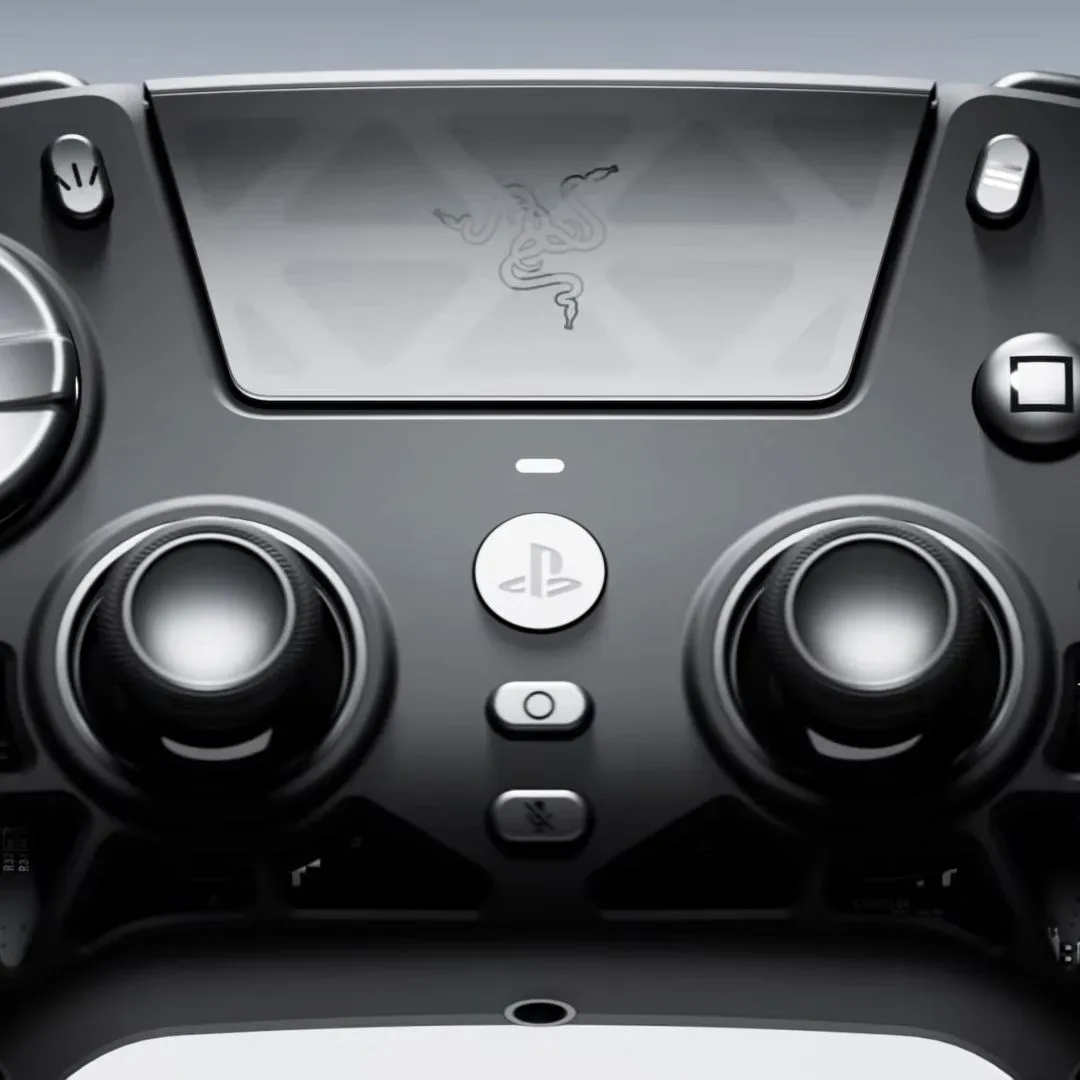
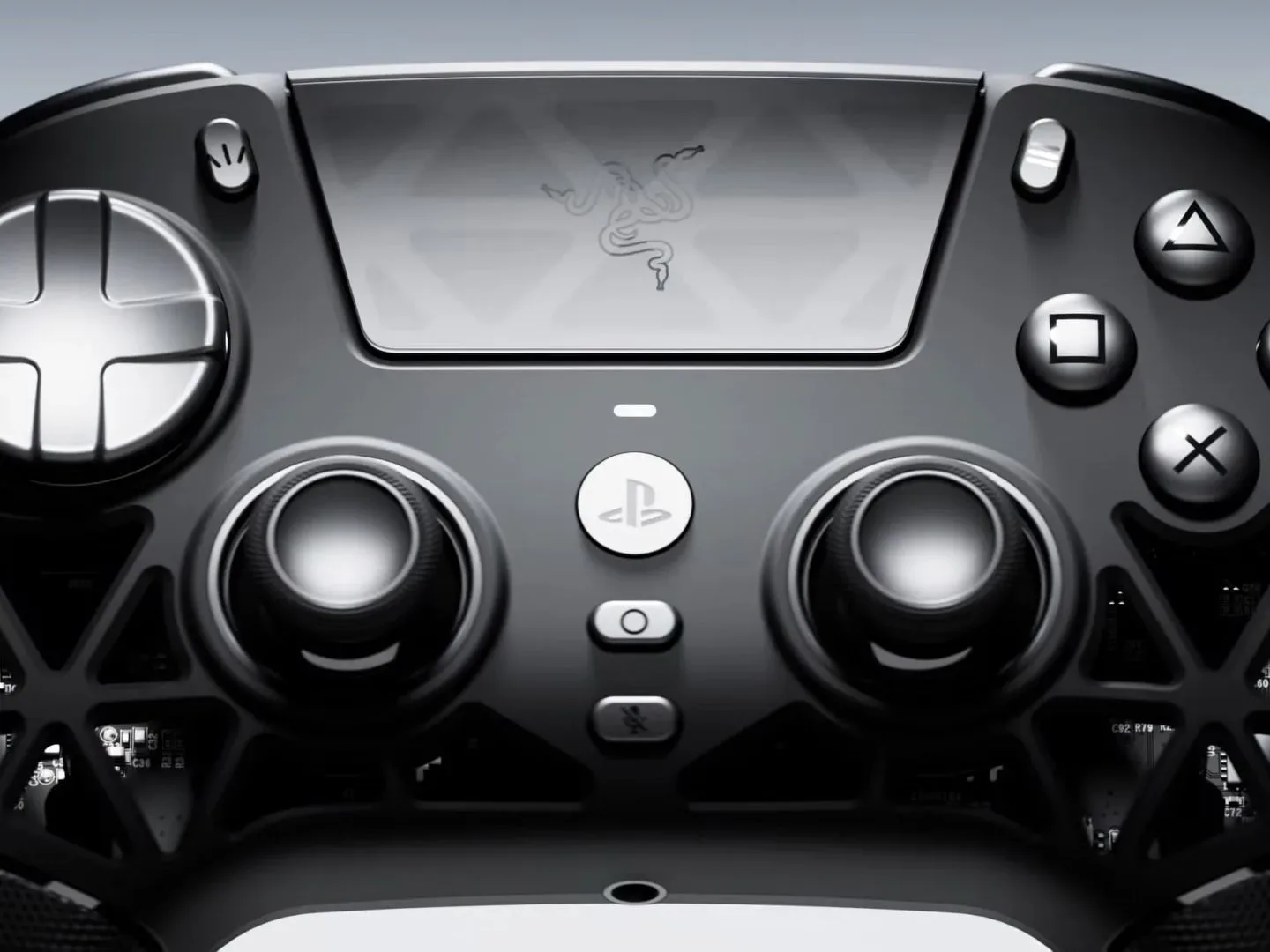
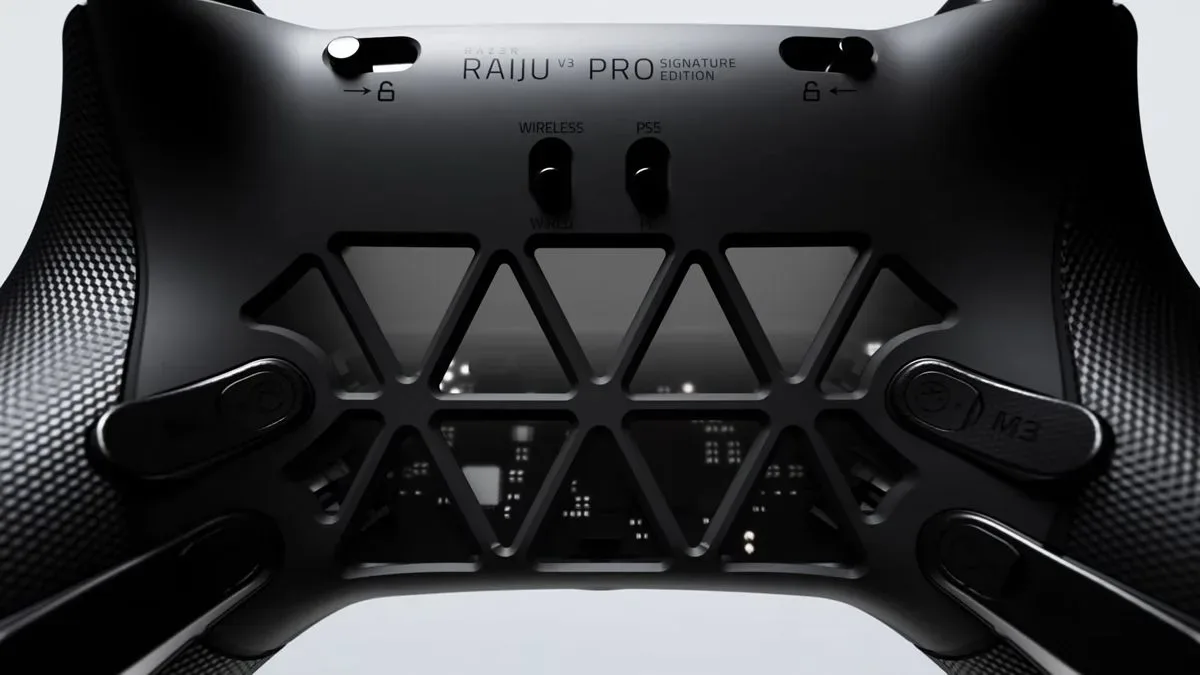
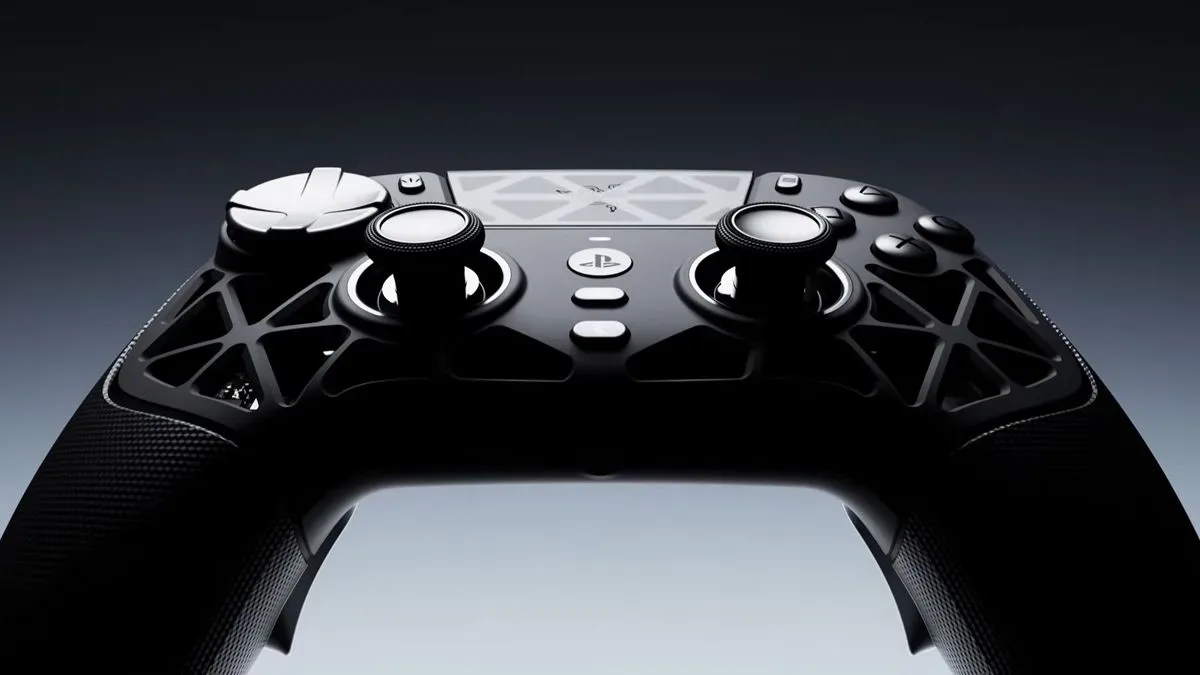
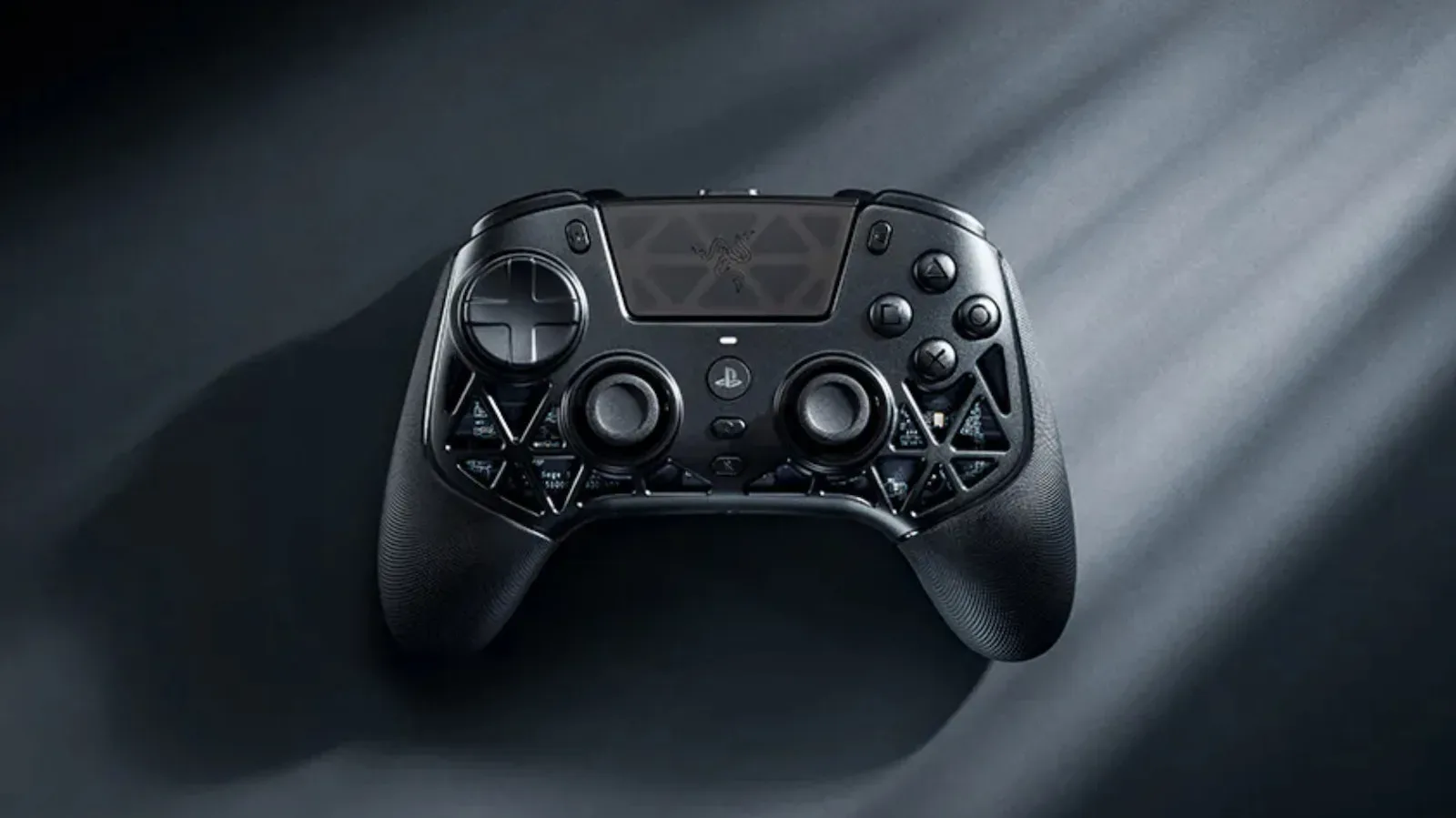
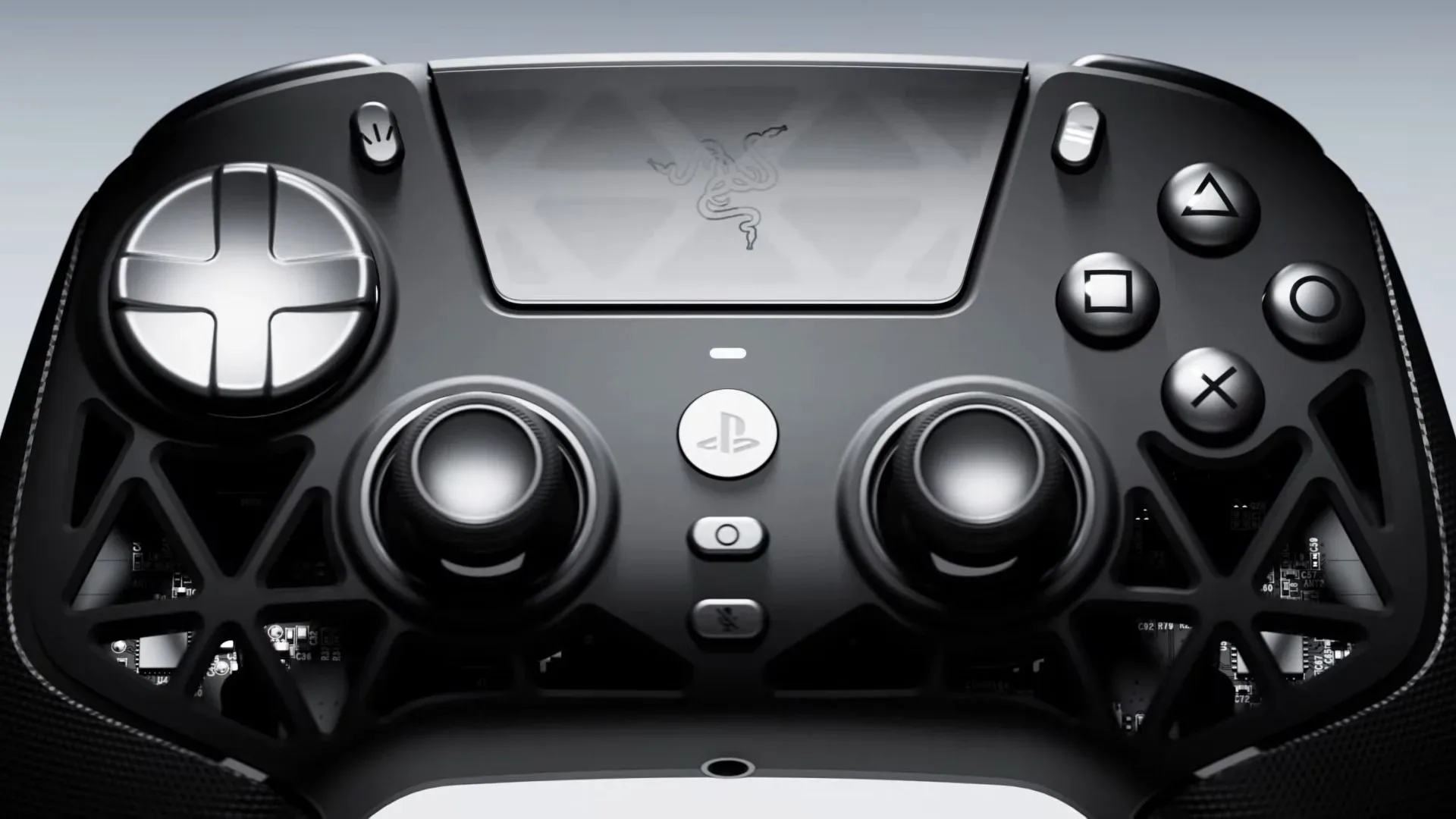
The most immediate distinction is the exterior. Razer has given the Signature Edition an exoskeleton design, using an open, structural visual language reminiscent of the honeycomb forms sometimes used in ultralight gaming mice. In this case, the look is as important as any suggestion of reduced material: this is a controller designed to be noticed on a desk, in a case, or in hand.
Its chassis is made from magnesium alloy, a metal material often chosen where makers want a combination of rigidity and comparatively low weight. That does not, by itself, establish how the finished controller will feel or weigh; Razer has not supplied a weight comparison here. It does explain why the Signature Edition’s construction differs from an ordinary all-plastic gamepad, however, and why the controller is being positioned as a premium object rather than solely a performance accessory.
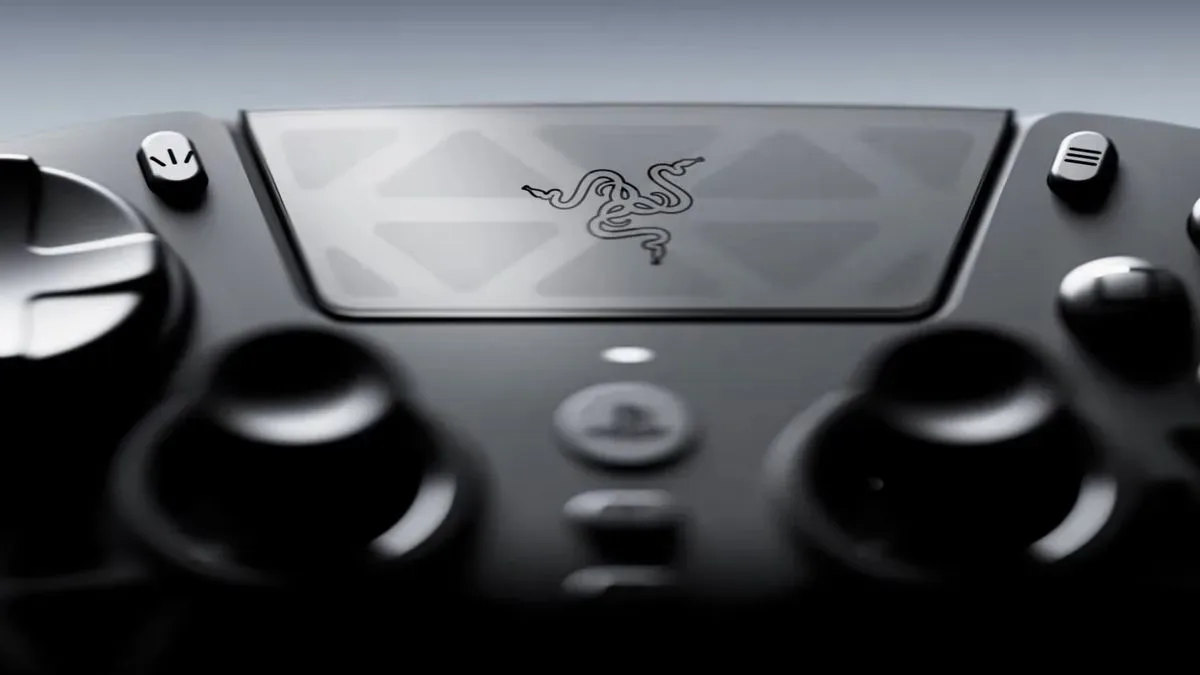
The touchpad is another visual centerpiece. It is described as semi-transparent glass with laser etching. Laser etching is a process that marks a surface with a precise pattern or design, rather than applying a conventional printed graphic. Alongside the exposed-looking frame, that touchpad helps separate the edition from a standard black-box controller aesthetic.
Razer has also specified TPU-wrapped grips. TPU, short for thermoplastic polyurethane, is a flexible material commonly used where a grippier, more resilient outer surface is wanted. The inclusion indicates an attempt to balance the highly engineered appearance with an area intended for repeated contact during play.
The face buttons use double-shot PBT molding. PBT, or polybutylene terephthalate, is a plastic valued in enthusiast input devices for its durability. Double-shot molding refers to forming a component with two layers of material, allowing markings to be built into the button rather than simply printed over its top. Razer’s stated aim is improved resistance to oil buildup and longer-lasting button surfaces. It is a material-focused claim, not a guarantee of a particular lifespan, but it is relevant to buyers thinking about the practical effects of frequent use.
The package also includes a premium leatherette carrying case designed to hold the Raiju’s regular accessories and add-ons. For a controller at this price, a fitted storage solution has practical value: it provides a single place for the pad and its associated pieces instead of treating the case as an afterthought. It also reinforces that this is intended as a limited-run presentation product as much as an input device.
The performance foundation comes from the Raiju V3 Pro
Underneath the special construction, the Signature Edition is based on the existing Raiju V3 Pro. That controller arrived late last year and brought design ideas and features from Razer’s Wolverine V3 Pro line to PlayStation. The core specification includes TMR thumbsticks, microswitch buttons, four rear buttons, and two additional bumpers.
TMR thumbsticks use tunneling magnetoresistance sensing. Put simply, the stick’s movement is read magnetically rather than through the contact-based mechanism associated with conventional potentiometer sticks. The supplied information identifies TMR as part of the controller’s feature set, but does not make a specific durability or drift-prevention promise. Buyers should therefore treat the technology as a design characteristic, not an absolute assurance against every long-term stick issue.
The Raiju V3 Pro also uses microswitch buttons. A microswitch is a compact switch mechanism intended to register presses with a distinct actuation point. The important practical implication is responsiveness: the controller is aimed at players who value quick, defined button inputs rather than only a soft, conventional membrane feel. Whether that feel is preferable remains personal; some players favor a sharper click, while others prioritize quieter operation or a different tactile response.
Its extra inputs are just as central to the pro-controller pitch. The four back buttons can let a player move certain commands away from the face buttons, potentially reducing the need to lift a thumb from a stick. The two added bumpers provide further accessible inputs. Such controls can matter most in games that require frequent simultaneous movement, camera control and actions, but their usefulness depends on game support, individual hand comfort and the player’s willingness to adapt to a new control scheme.
Razer also lists a 2,000Hz polling rate on PC. Polling rate is the frequency at which an input device reports its state to a connected system; 2,000Hz means up to 2,000 reports per second in the stated PC context. That figure should not be read as a blanket claim for PlayStation 5 performance, because the specification is explicitly tied to PC. It is nevertheless a reminder that the Raiju V3 Pro platform is aimed beyond a single console use case.
Players comparing controller layouts across platforms may also find this broader discussion of controller differences useful context when deciding whether premium features justify a platform-specific purchase.
The price premium is substantial
Razer’s standard Raiju V3 Pro has been cited at roughly $200 / £200, while another listed regular price is $214 and an Amazon listing was noted at $219.99 before a $179.99 discount. Those figures vary by listing and timing, but they establish the key comparison: the Signature Edition’s $349.99 / £349.99 price represents a major step above the standard model.
That gap is best understood as payment for scarcity, construction choices and presentation, not a newly documented set of gameplay features. The supplied specification for the Signature Edition emphasizes its magnesium-alloy chassis, glass touchpad, grip treatment, button construction, case and serialized limitation. Its performance case, meanwhile, rests on the established Raiju V3 Pro feature set.
For a buyer who primarily wants rear controls, TMR sticks, microswitch inputs and PC polling support, the regular Raiju V3 Pro is the more direct comparison point. For someone who values the Signature Edition’s chassis, styling, individual serial number and sharply restricted production, the decision is inherently less about an incremental competitive advantage and more about whether the object itself warrants the additional spend.
Scarcity creates urgency, but not certainty
A run of 1,337 units is small enough that availability may be the central obstacle. Individually serialized hardware can be attractive to people who appreciate limited physical editions, but a serial number establishes identity within the run; it does not establish future value, demand or resale outcomes. With no announced second run, the edition may disappear quickly, but neither resale prices nor sell-through speed can be assumed in advance.
The first-come, first-served format makes the November 10 regional drops especially consequential. Buyers who decide this edition is for them should pay attention to the forthcoming November 6 details, including the information Razer provides for their region. Equally, the limited count is a reason to be deliberate rather than to treat urgency as a substitute for comparison: the Signature Edition costs far more than the already premium base controller.
Razer’s design leadership describes the project as an attempt to push its engineering and design capabilities to their limits, with tournament-grade responsiveness in a controller intended to feel like a statement piece. The available details support the second half of that ambition clearly. Between the skeletal visual treatment, metal chassis, etched glass, material-specific buttons and included case, this is a PS5 controller designed to look unusually elaborate before it ever reaches a match.
Whether 1,337 buyers embrace that proposition will be answered only after the regional releases begin. What is clear now is the split in the product’s appeal: it combines the existing Raiju V3 Pro’s competitive control features with a costly, serialized collector-style treatment. It is not positioned as the sensible default PS5 controller. It is positioned as the conspicuous one.
Shop the products
Check current price, model and availability at the retailer.