Sony’s latest gaming-quarter figures draw a useful distinction between a shrinking hardware number and a shrinking PlayStation business. PS5 console sales were lower year over year, but software, digital purchases and PlayStation Network services all moved upward. Revenue rose 9% and profit climbed 83% from the comparable quarter a year earlier, suggesting that the major problem is not a lack of player spending.
The complication is hardware availability. Sony sold 2.6 million PS5 consoles in Q2 2026, down from 4 million in the same quarter the prior year. That drop arrives while the company is approaching 100 million cumulative PS5 sales, with 97.9 million consoles sold since the system’s June 2020 launch. The supplied figures also point to a potentially awkward moment: Grand Theft Auto VI is set to launch November 19 on PS5 and Xbox Series X|S, precisely when prospective buyers may be looking for a current-generation console.
For people already inside the PlayStation ecosystem, the quarter says there is plenty being bought and played. For people trying to get in, it says inventory may matter as much as enthusiasm. That is an important difference, especially when retailers are reportedly using lotteries for PS5 Pro stock to discourage scalpers.
Lower console shipments do not tell the whole PlayStation story
Hardware units are the most visible console metric, but they are only one part of the business. A console sale brings in a customer; games, add-on purchases and network services can continue generating revenue once that customer is established. Sony’s numbers illustrate that split clearly.
- PS5 hardware sales were 2.6 million units in Q2 2026, versus 4 million in the year-earlier period.
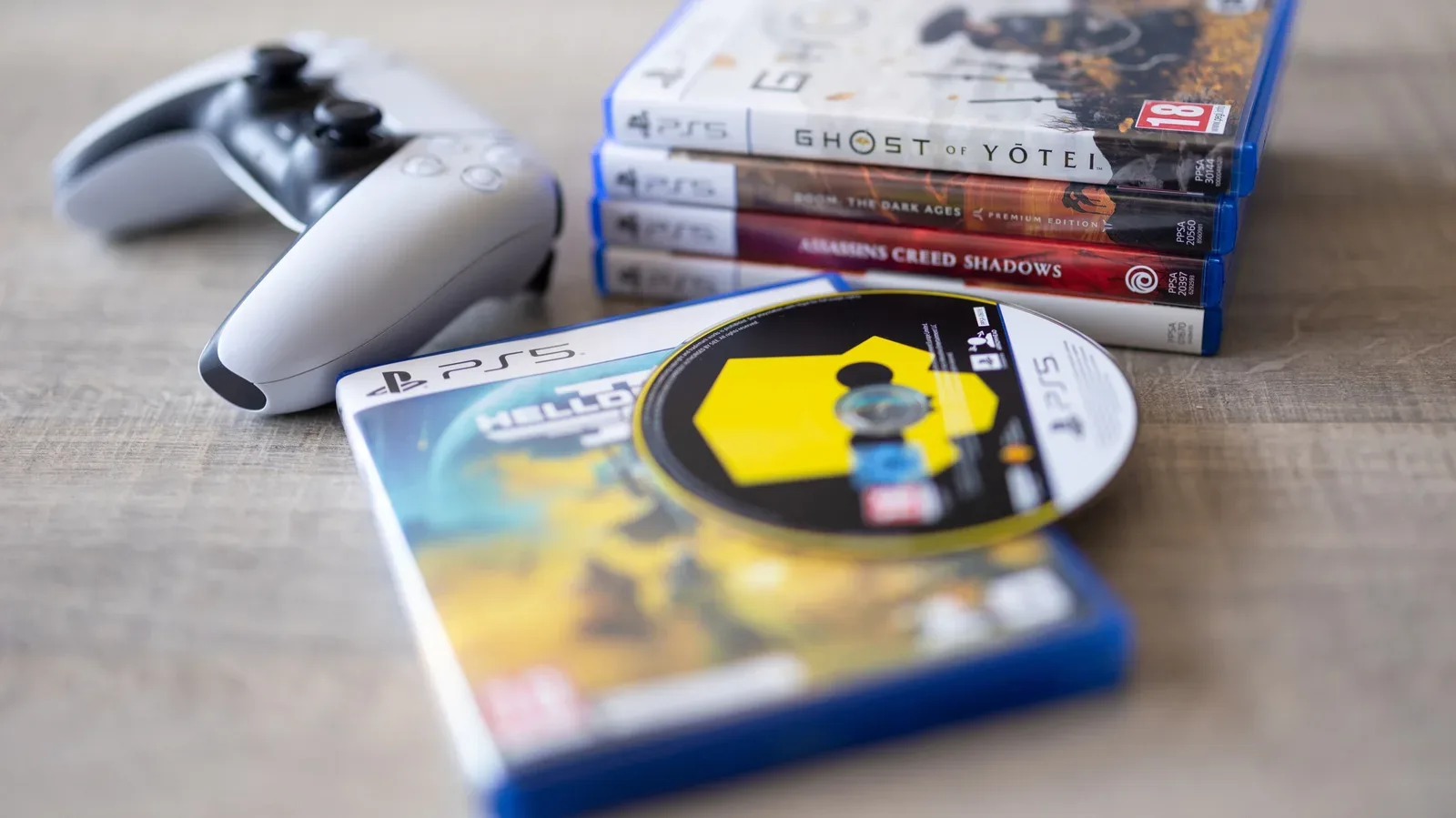
- Game sales rose by 9.8 million units year over year across both first-party and third-party titles.
- Software sales reached 708.5 billion yen, or $4.48 billion, compared with 629.3 billion yen, or $3.98 billion, in the corresponding 2025 period.
- Network services revenue grew 19.5% to 218.3 billion yen, or $1.38 billion.
- Digital downloads represented 78% of full-game software sales, up from 72% a year earlier.
“First-party” games are published by the platform holder, while “third-party” covers games from outside publishers sold through PlayStation’s ecosystem. Growth across both groups matters. A strong first-party release can sell consoles and persuade existing users to spend; broad third-party growth indicates that owners are also buying games from the industry at large. Neither number alone proves why a player purchased, but together they show robust software activity despite the lower console total.
Network services are a separate but related category. In practical terms, it refers to revenue tied to PlayStation’s online business rather than a boxed or downloaded full game alone. Its 19.5% rise is meaningful because service spending can make the installed base more valuable even when fewer new machines reach customers during a quarter.
The digital mix has become even more central
Digital downloads accounted for 78% of full-game software sales, a six-percentage-point increase over the 72% share recorded in the same period last year. That does not mean physical games have vanished, nor does it identify every kind of transaction within the wider PlayStation business. It does show that nearly four out of every five full-game sales in this measure were downloads.
The change also matters to the supply discussion. A digital game purchase does not require a retailer to have a disc copy on a shelf, but it does require the buyer to already own compatible hardware. In other words, digital distribution can keep software spending flowing among current PS5 owners, while it cannot solve a new customer’s difficulty locating a console.
Related coverage includes PS5 Software and Network Growth Offset a Sharp Console Sales Drop.
That tension helps explain why a hardware decline can coexist with higher revenue. Existing owners can purchase more games digitally and spend through network services. Meanwhile, would-be owners who cannot find a PS5 are not reflected as a successful hardware sale at all. The sales result therefore should not automatically be read as a signal that interest in the machine has cooled.
The shift toward downloads has also been a major point of controversy for Sony during the year. The figures establish the direction of consumer spending in this quarter, but they do not settle wider questions around ownership, physical media, storage or retailer choice. They do establish that digital sales are an increasingly large component of full-game software performance.
Wolverine and Ghost of Yotei provide concrete software markers
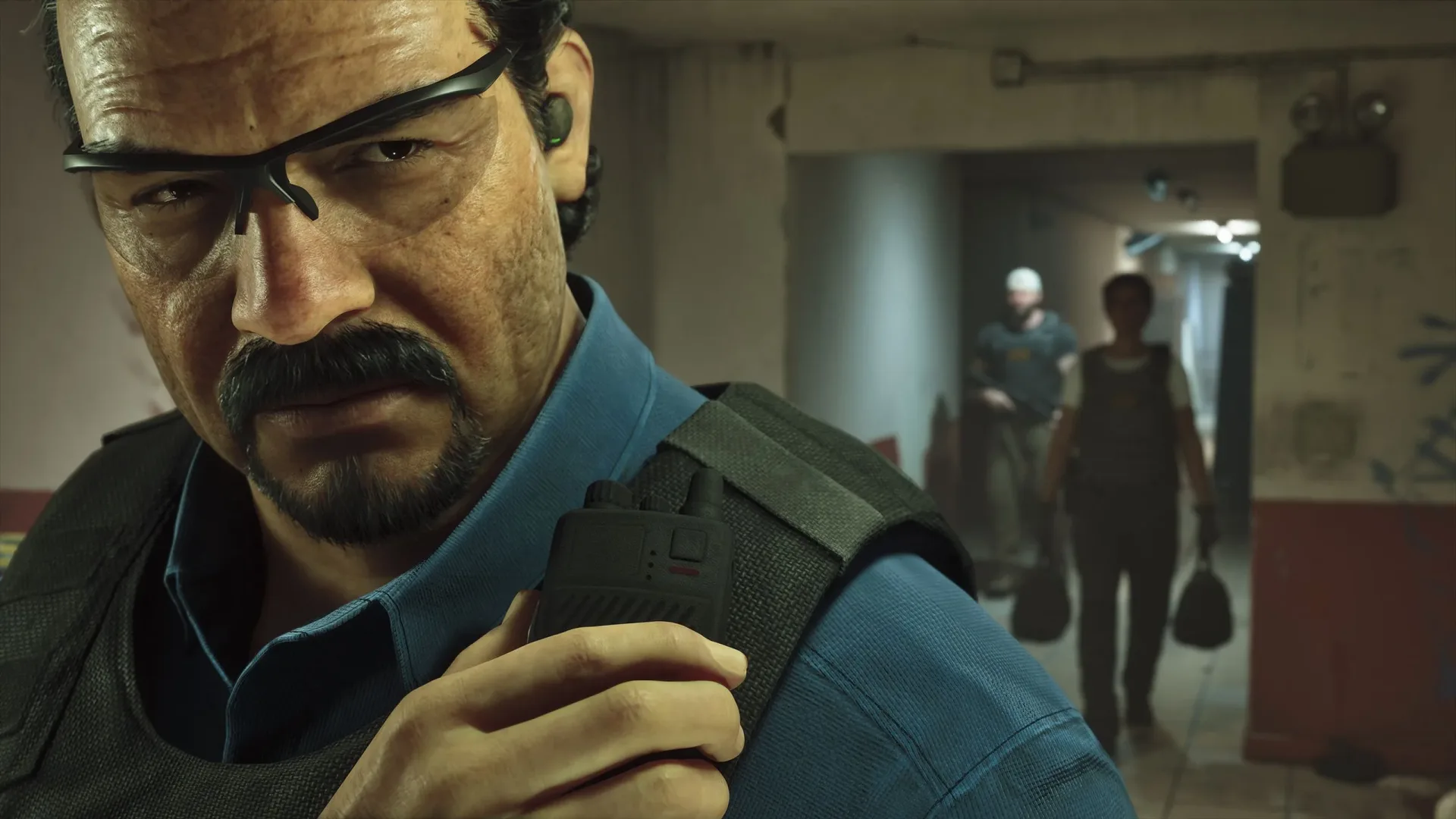
Two recent PlayStation releases give the overall software growth some individual scale. Marvel’s Wolverine had sold 2.4 million copies as of November 4, approximately 50 days after release. Ghost of Yotei had moved 3.3 million units since its October 2, 2025 launch, based on Sony’s most recent reported total.
These totals should be read with their launch windows in mind. They are not like-for-like snapshots: Wolverine’s figure is tied to roughly 50 days on sale, while the Ghost of Yotei total covers a much longer period after its 2025 debut. Still, both are evidence that major games are contributing to the healthier software side of the ledger.
For Sony, that is a helpful counterweight to fewer hardware units. Big releases can stimulate game purchases among owners who already have a console, and the broader 9.8 million-unit improvement includes both Sony-published titles and games from other publishers. The quarter’s strongest theme is therefore not one hit game, but a platform where game purchasing and network activity grew even as console supply appears constrained.
GTA VI could turn a supply issue into a customer problem
The next test is unusually clear. Grand Theft Auto VI is scheduled for November 19 on PS5 and Xbox Series X|S, two weeks after these results were reported. Pre-orders were reportedly already at $750 million. That reported figure signals the scale of attention surrounding the release, though it does not tell us how many buyers are seeking a new console rather than a game for hardware they already own.
What is clear is the practical risk: a highly anticipated new-generation release can push undecided players to buy hardware, upgrade a current setup or look for a more capable model. If retail PS5 inventory remains limited, some of that purchase intent may not translate into sales when the interest is highest.
The PS5 Pro is particularly relevant. It is described as a major hit, yet some retailers have reportedly adopted lottery systems to manage demand and reduce scalping. A retail lottery is not a normal expression of consumer convenience; it is a mechanism used when demand and available stock are sufficiently mismatched that a regular first-come, first-served sale may be difficult to manage fairly.
For buyers, the sensible implication is not to assume a desired system will be readily available during a major release window. Retail allocation and availability can vary, and a lottery process means simply arriving at a store or checking a listing may not be enough. For Sony, the implication is larger: the company can benefit from stronger software spending, but constrained hardware availability limits how quickly it can add new customers to that spending base.
There is useful additional context in the broader GTA VI conversation. The pressure around shipping GTA VI only when it is ready has already been a central industry issue. Sony’s issue is adjacent rather than identical. One is about getting a vast game to market; the other is about making sure players who want to enter the current console generation can obtain the hardware.
Memory constraints and tariffs remain the pressure points
The hardware shortfall has been linked to supply rather than demand. The current environment includes a RAM shortage, described as the “RAMaggedon” crisis, alongside tariffs that have made PS5 consoles more expensive and harder to obtain. RAM, short for random-access memory, is a form of fast working memory used by computing devices. The supplied information does not quantify Sony’s component allocation or explain every stage of console manufacturing, so it would be a mistake to reduce the situation to a single part. But memory supply is clearly part of the stated concern.
Sony had previously said it secured enough memory to meet demand. More recently, it reportedly told distribution partners that temporary market supply constraints and high demand would continue limiting retailer inventory until next year. The shift in emphasis matters. A prior assurance about memory does not necessarily guarantee that every channel, retailer, model and region has adequate stock at the moment consumers want to buy.
Tariffs add a different kind of pressure. Where a component constraint affects the ability to supply units, tariffs can contribute to higher costs and therefore higher console prices. Both conditions make it more difficult for a buyer to complete a purchase, but through different routes: one through availability, the other through affordability. The supplied information identifies both as part of why PS5 systems are expensive and difficult to find.
What the quarter actually says
Sony’s results support a fairly narrow, but important, reading. PlayStation’s software and service business is growing: full-game unit sales rose, the digital share increased, software revenue climbed, network services advanced and recent releases posted substantial sales. At the same time, PS5 hardware sales fell sharply from 4 million to 2.6 million units year over year.
It is tempting to treat the hardware decline as a verdict on the console’s appeal. The surrounding evidence argues against that simple interpretation. The company sits at 97.9 million PS5 sales cumulatively, expects to pass 100 million in the holiday quarter, and is facing enough demand for PS5 Pro units that lotteries have reportedly appeared at some retailers. Those signals are more consistent with a supply-limited market than a demand-limited one, though the figures alone cannot measure every unfulfilled purchase.
The holiday quarter will put that interpretation under a brighter light. A major GTA VI launch, 100 million PS5 sales within reach, durable digital spending and ongoing inventory limitations create a mixed picture: PlayStation is making more money from games and services, but the opportunity to sell additional hardware may be restricted exactly when a blockbuster could make a new console especially desirable.