Grand Theft Auto VI is nearing its stated November 19 release date after multiple delays, and Take-Two Interactive chief executive Strauss Zelnick has made the company’s position clear: postponing a giant game can be expensive and inconvenient, but shipping one before it is ready can cost far more.
In comments about the decisions behind GTA 6’s schedule, Zelnick described delays as difficult calls rather than automatic victories. His argument was that a company pursuing ambitious entertainment sometimes has to accept disruption in order to protect the quality of what reaches players. He also contrasted that approach with the risk of adhering rigidly to a date regardless of a game’s condition.
“Sometimes you have to make these expensive and inconvenient decisions” in service of the company’s mission and goals, Zelnick said.
The timing gives those comments extra weight. GTA 6 is one of the industry’s most closely watched releases, while Rockstar’s previous mainline Grand Theft Auto entry, GTA 5, launched 13 years ago. That interval does not prove what work remains on GTA 6, nor does it guarantee any particular level of polish. It does, however, explain why the game’s delays have become a major point of discussion: the longer wait has compounded an already extraordinary level of expectation.
A warning about the cost of a rushed launch
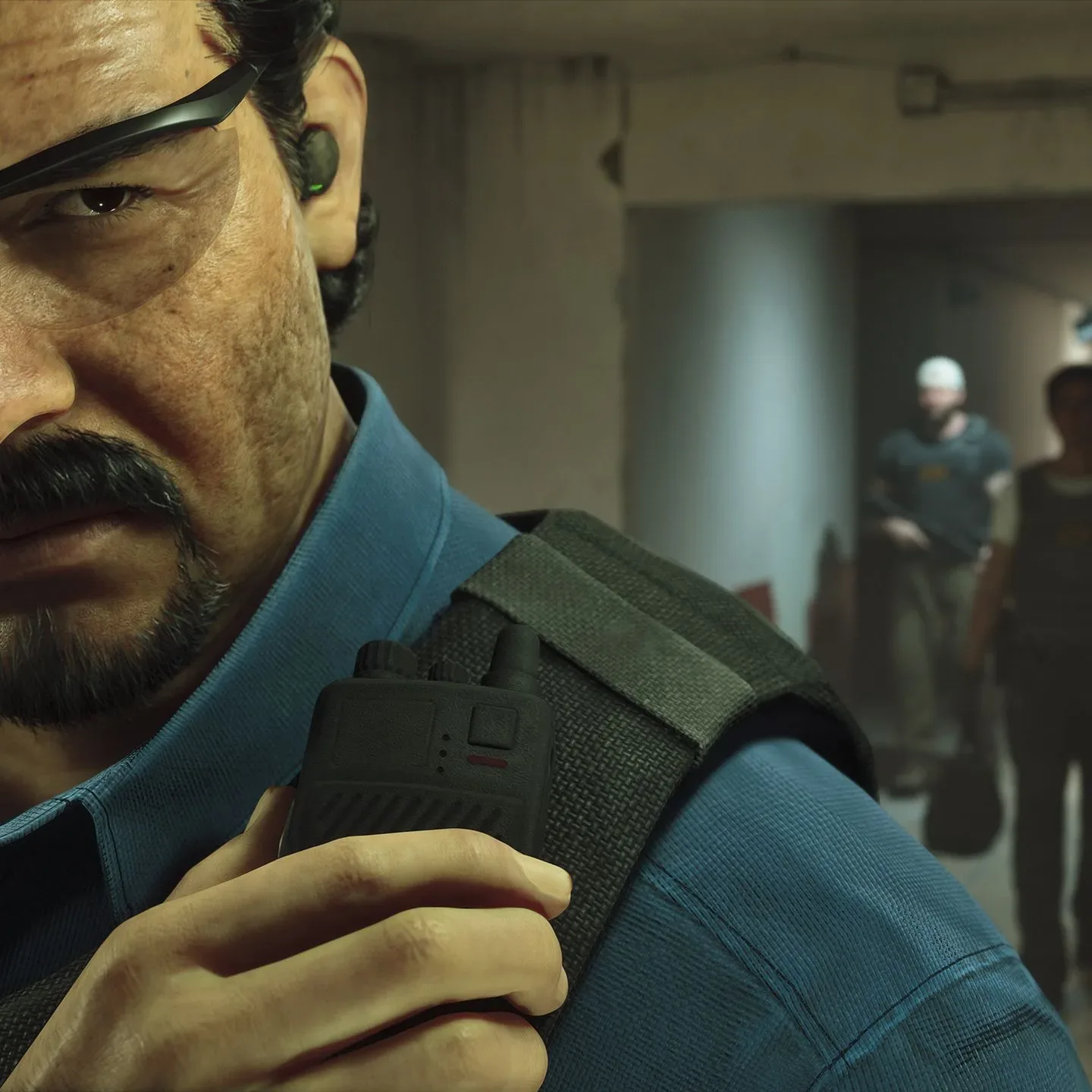
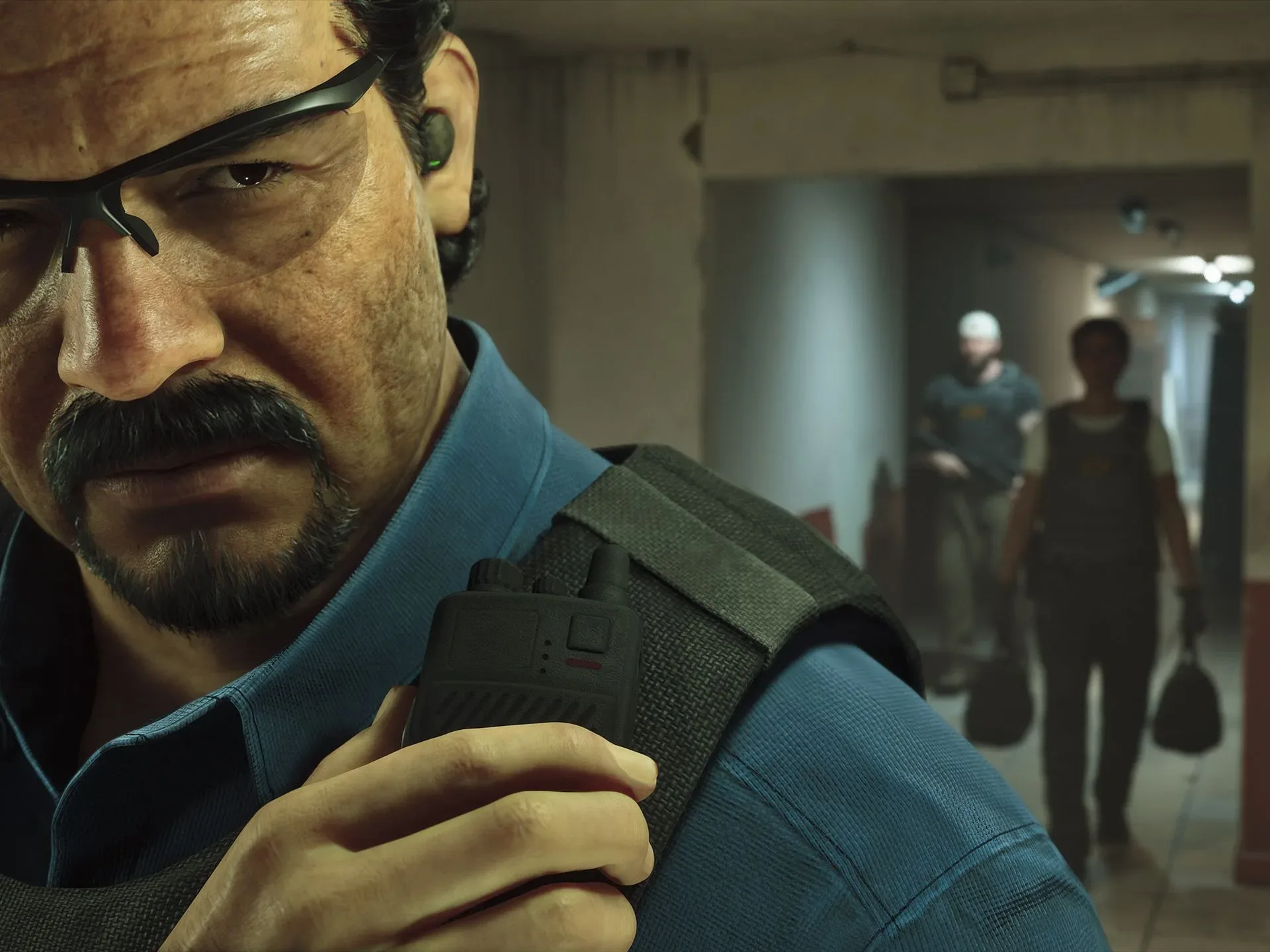
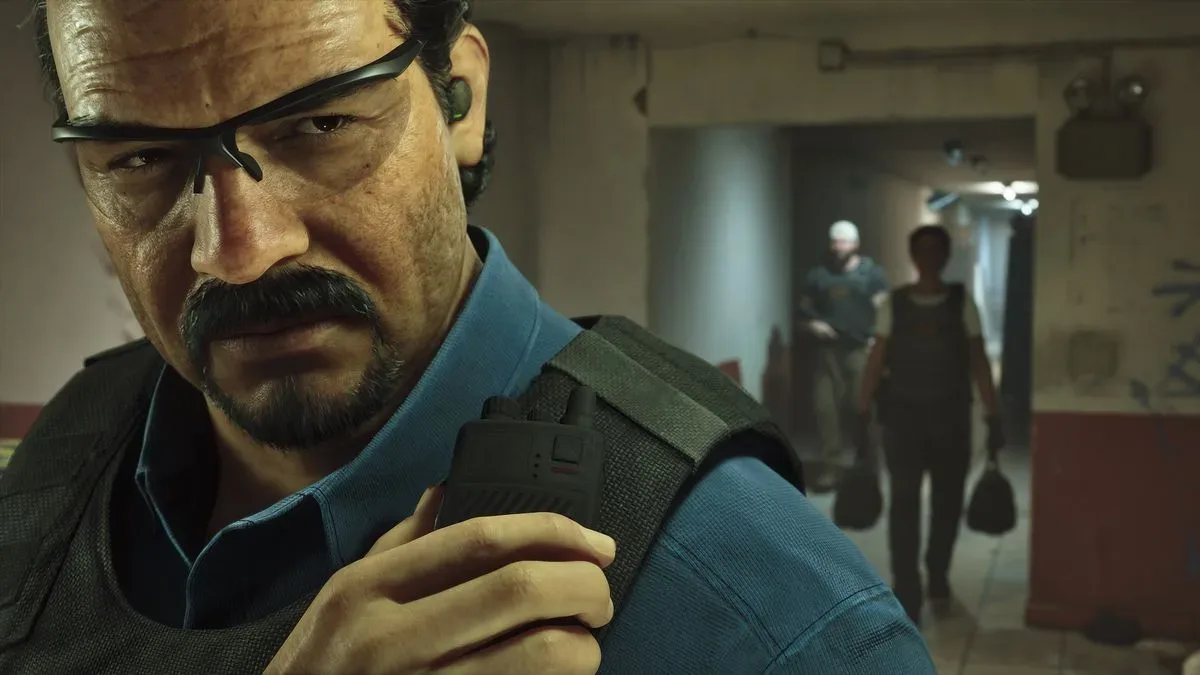
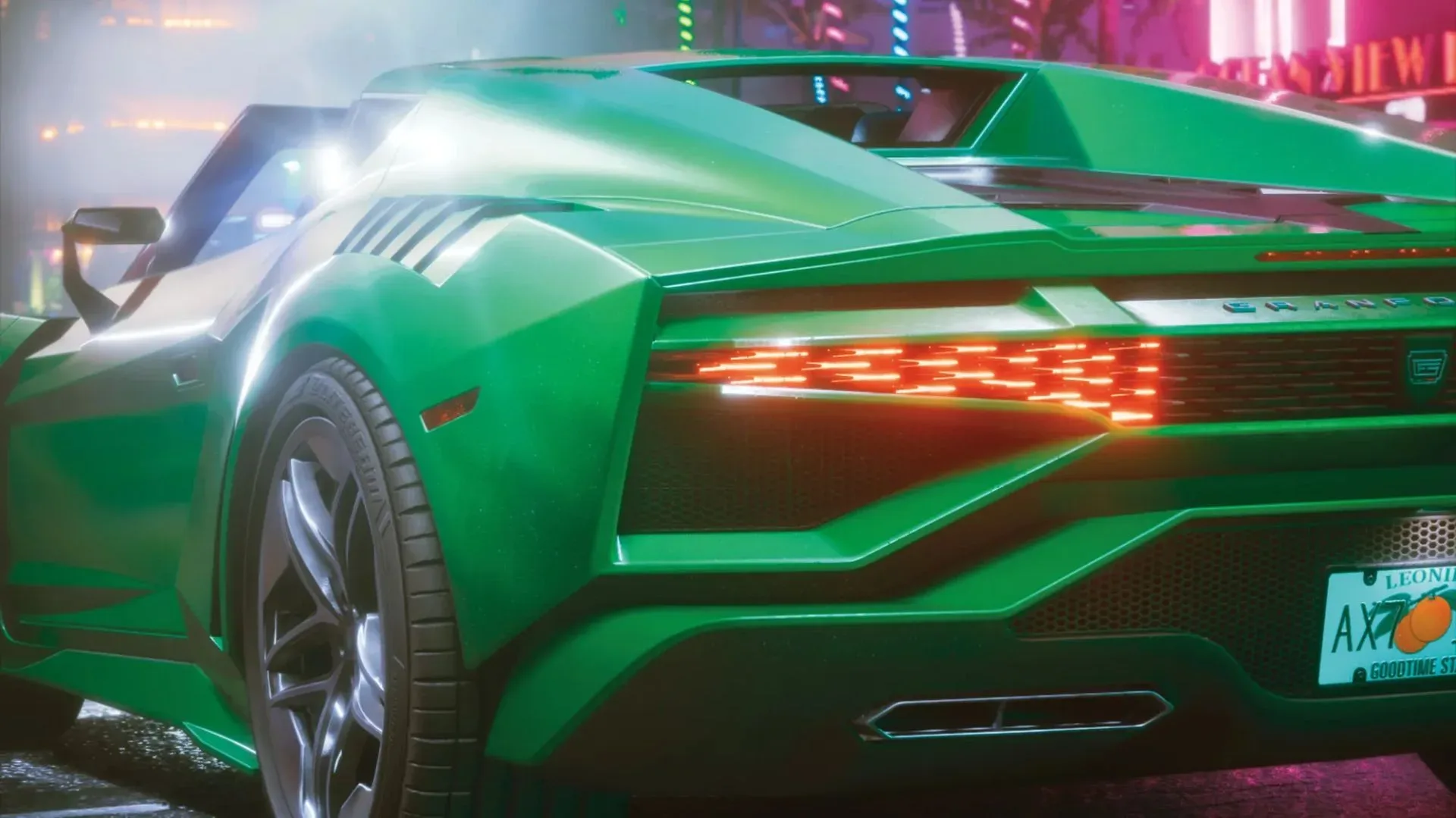
Zelnick did not identify another company or game by name, but he referred to a recent, high-profile release that was shipped and then had to be pulled after launch. The description strongly appears to point to Cyberpunk 2077.
That RPG had a notoriously troubled debut, particularly amid reports of serious bugs. Within roughly a week of release, CD Projekt Red temporarily removed it from the PlayStation Store and offered refunds to customers who had bought it. The game was later supported with many updates and ultimately became successful and widely praised, but its launch remains a prominent example of the damage that a bad first impression can do to a major release.
The important distinction is that Zelnick’s remarks do not establish a direct comparison between GTA 6 and Cyberpunk 2077’s development. He did not say GTA 6 faced the same issues, and no specific technical reason for its delays was given. His point was broader: a launch date is not valuable enough to justify releasing a game in a state that could undermine the product, the audience’s trust, or the publisher’s own long-term aims.
What “shipping” means—and why it still matters
In game publishing, “shipping” means sending a title into commercial release. For a modern game, that can involve platform storefronts, physical production, marketing commitments, customer support plans, certification processes, and a release calendar shared by many partners. Once the game is out, the conversation moves rapidly from what it promises to what players actually encounter.
Related coverage includes Take-Two CEO Defends GTA 6 Delays as Launch Nears.
That is why the issue is larger than a handful of bugs. A game can receive patches after launch, and ongoing support can substantially improve it. But patches do not erase the experience of players who bought in at day one, particularly if they encountered crashes, performance problems, progression-blocking defects, or features that did not work as expected.
A delayed release also has real consequences. It can frustrate players, throw off personal plans, disrupt marketing campaigns, and require additional spending. Zelnick explicitly acknowledged that these choices are hard. His argument is not that every delay is inherently good; it is that a studio should not let the calendar become the sole decision-maker when the readiness of the game says otherwise.
He also indicated that Take-Two does not treat every proposal as a reason to delay. Zelnick recalled a separate situation in which he decided that the company should ship, adding that he was fortunate to have been correct. That caveat matters. It frames the company’s stated philosophy as a judgment call based on circumstances, not a blanket “delay it again” rule.
Why GTA 6’s stakes are unusually high
Every major release carries commercial and reputational risk, but GTA 6 arrives with unusual pressure. Rockstar and Take-Two are following GTA 5 after a 13-year gap, and the new game has spent years at the center of fan anticipation. A successful launch would need to satisfy players who have waited through repeated schedule changes while also meeting the practical standards expected of a blockbuster game.
That does not mean there is a realistic way for the release to satisfy every individual expectation. The larger and more anticipated a game becomes, the more likely it is that different players will want different things from it. A smooth launch cannot settle every debate over story, design, pacing, or scope.
It can, however, avoid adding preventable technical friction to those debates. Players may disagree over whether a mission works, whether a character lands, or whether a new system is fun. They are much less forgiving when basic access, stability, and performance obscure those judgments. In that sense, launch quality is not merely a technical concern. It determines whether audiences can fairly evaluate the game itself.
The supplied details on GTA 6’s world also suggest a game with systems that could need careful integration. Its weather is described as capable of rocking boats, damaging planes, and sending Vice City residents to shelter. Features like those are not proof of complexity on their own, but they illustrate why testing can be about interactions rather than isolated mechanics. A weather event touching vehicles, environmental effects, and civilian behavior has to work reliably across the situations where players may trigger or encounter it.
What players should take from the remarks
Zelnick’s comments are a defense of the delays already made, not a technical breakdown of GTA 6’s development and not a promise that no issues will occur at launch. Players should be careful not to turn corporate messaging into a guarantee. No large game is immune to launch-day problems, and no executive statement can substitute for the released game’s actual performance.
Still, the practical message is straightforward: Take-Two believes the added time is preferable to releasing prematurely. For players, that means the most useful response is to judge GTA 6 on what is available at release rather than treating either delays or anticipation as evidence of the final result.
For anyone planning a release-week setup, the game itself remains the central question; peripheral purchases are not a substitute for waiting on real-world performance. If a tidier charging arrangement is part of that preparation, this three-port gaming-setup charger guide covers one such option.
For Take-Two and Rockstar, the upside of the delay strategy is clear: launch GTA 6 in the strongest condition possible and avoid letting an avoidable technical crisis define its opening days. The downside is equally visible: every postponement tests patience and intensifies scrutiny. With November 19 presented as the target, the decision will soon be measured not by the reasoning behind it, but by the game players receive.