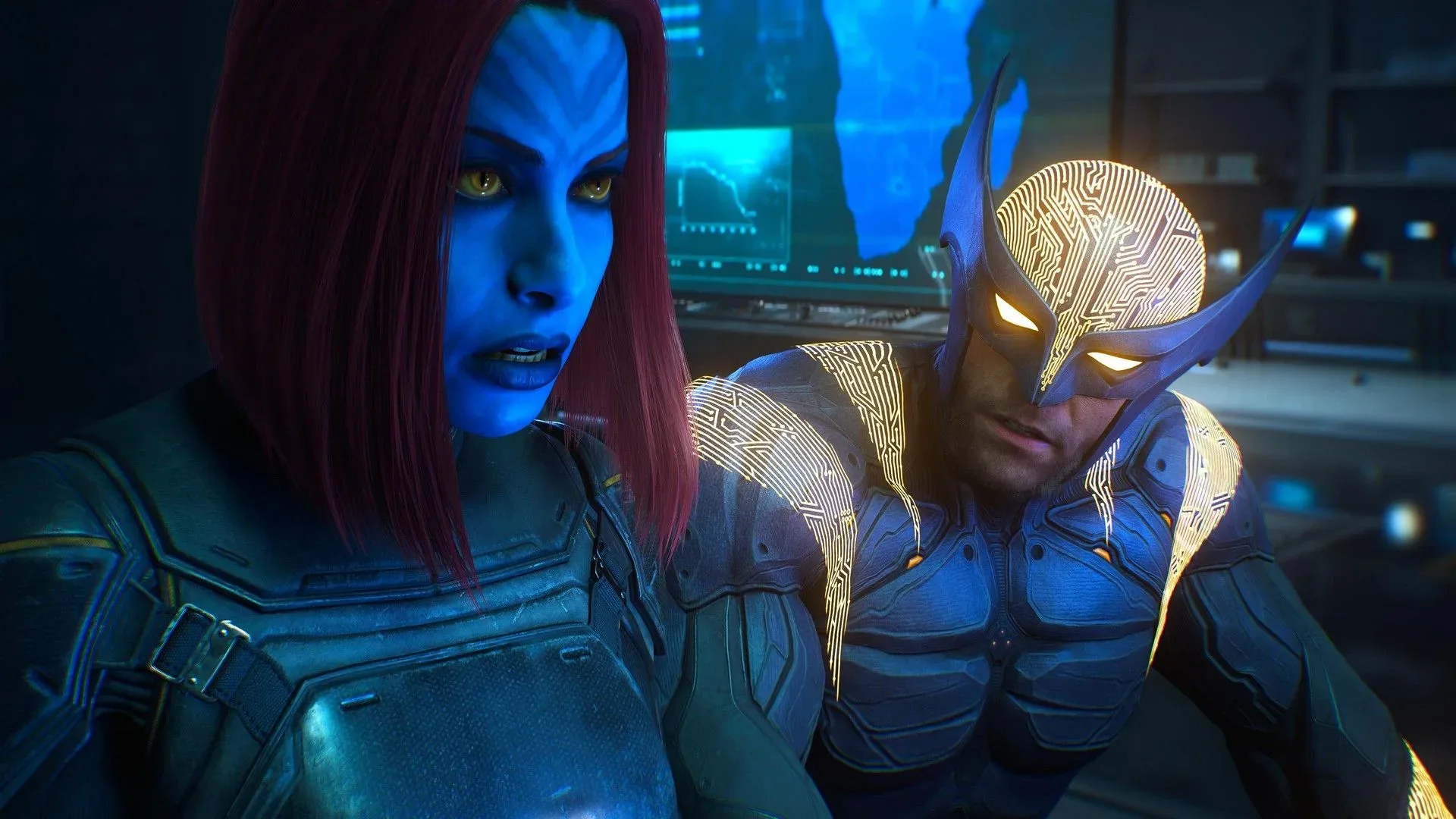
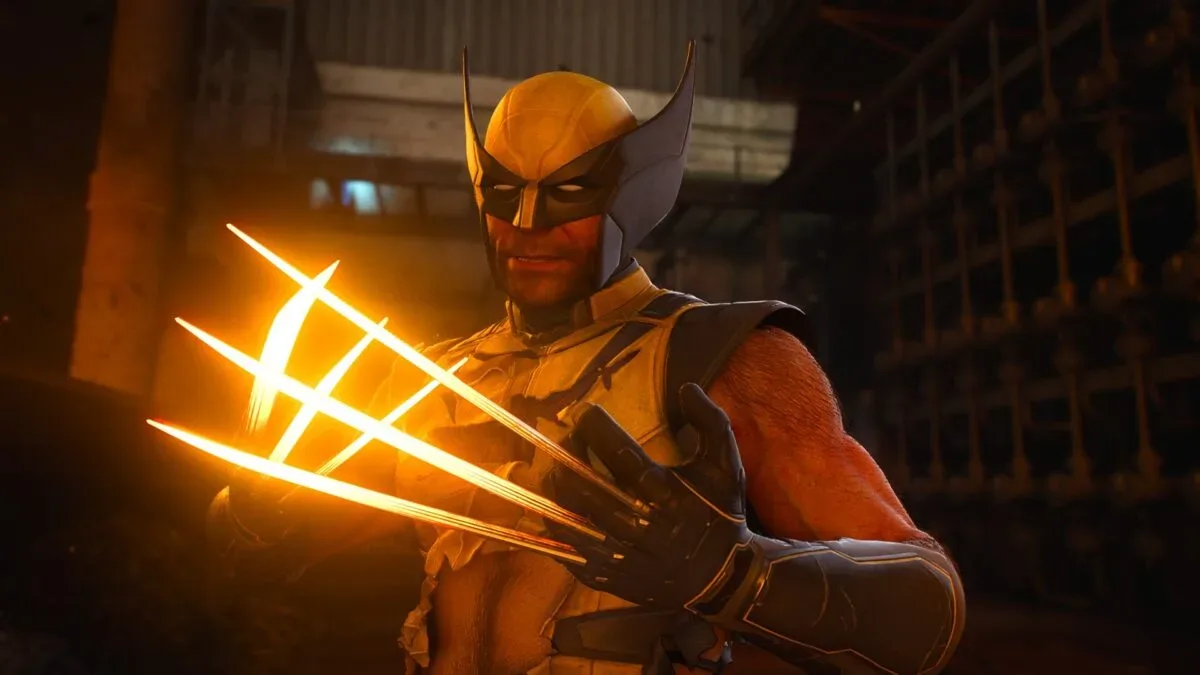
Marvel’s Wolverine has reached 2.4 million units sold in about seven weeks, a substantial raw number that nevertheless looks modest beside several of Sony’s biggest first-party launch performances. The figure arrived within Sony’s 2026 second-quarter results, a report otherwise full of strong PlayStation-wide metrics.
Context is doing almost all of the work here. Selling millions of copies is not inherently a poor outcome, and the available figures do not establish whether Wolverine will ultimately meet its commercial target. But the disclosed launch pace is below the early totals cited for Marvel’s Spider-Man 2, Ghost of Yōtei and Uncharted 4: A Thief’s End. With no official Wolverine budget provided, there is also no reliable basis for declaring whether the game has or has not recovered its costs.
What the 2.4 million figure actually says
Unit sales are simply the number of copies sold. They are not the same thing as revenue, profit, player count, downloads, or a publisher’s internal return-on-investment calculation. A 2.4 million-unit result can mean very different things depending on a game’s price mix, spending, marketing costs, timing, discounts and the company’s expectations. None of those Wolverine-specific details are included in the reported figures.
That distinction matters because the headline number is easy to read in two opposite ways. In isolation, 2.4 million copies is a large audience. In the more particular context of a major PlayStation release built around Wolverine, one of Marvel’s best-known characters, the opening is slower than the comparisons Sony has put on the table for other premium first-party releases.
The timing comparison is especially important. Wolverine has accumulated its 2.4 million sales over its first seven weeks, or roughly two months. The other milestones were achieved much sooner:
- Marvel’s Spider-Man 2 sold 2.5 million units in its first day.
- Ghost of Yōtei passed 3.3 million units within 32 days.
- Uncharted 4: A Thief’s End reached 2.7 million players in its first week.
These are not perfectly interchangeable measures. “First day,” “first week,” “within 32 days,” and “seven weeks” are different windows, and a launch curve—the rate at which a game keeps selling after release—can vary significantly from one title to another. Still, the comparison reveals the central point: Wolverine had not caught any of those cited totals by the end of its seventh week.
Why comparisons to Spider-Man 2 carry extra weight
The Spider-Man 2 comparison is the most immediate because it is another recent Marvel game from Insomniac Games. Its 2.5 million opening-day total is only 100,000 copies higher than Wolverine’s seven-week figure, but the difference is not the numerical gap alone. It is the speed at which the respective totals were reached.
That does not prove that Wolverine cannot continue to sell meaningfully over a longer period. Launches are snapshots, not lifetime totals. It does mean that its initial commercial momentum, based on the disclosed unit numbers, is far behind the pace set by Spider-Man 2.
Related coverage includes Marvel's Wolverine Reaches 2.4 Million Sales as Sony's Latest Results Highlight a Slower Start.
Budget context adds a reason for caution rather than a verdict. There is no official Wolverine budget in the available information. Spider-Man 2, meanwhile, was reported to have cost around $300 million. It would be a mistake to assume Wolverine cost the same, or to use Spider-Man 2’s estimated spending as a break-even calculator for another game. Development scope, marketing and other costs may differ. The useful takeaway is narrower: modern Marvel releases from this studio can operate at an enormous financial scale, making both sales velocity and long-term demand important questions.
A healthy PlayStation quarter makes Wolverine stand out
The slower Wolverine start is conspicuous because it appears in a broader set of positive PlayStation numbers. Sony reported 97.9 million PS5 systems shipped, 127 million active PlayStation Plus subscribers, and a 45% quarterly profit increase of roughly $3.95 billion.
“Shipped” needs a little unpacking. PS5 systems shipped refers to hardware sent into the distribution chain; it should not automatically be treated as an identical measure to consoles purchased by individual customers. It remains a major indicator of PlayStation’s scale, but it answers a different question from software units sold.
Likewise, PlayStation Plus subscribers are a service-audience metric rather than a direct tally of the potential buyers for one game. Those users may play across different preferences and spending habits. The figure does, however, illustrate the size of the wider PlayStation ecosystem in which Wolverine launched.
Against that backdrop, the game’s 2.4 million result is not evidence that PlayStation as a whole is struggling. The figures instead suggest a contrast: Sony’s platform business reported broad strength while this particular marquee release opened at a pace below several notable internal benchmarks.
Rhythm Heaven Groove is ahead, but the calendar matters
Another comparison has drawn attention because of the very different types of games involved. Nintendo reported 2.89 million sales for the Nintendo Switch-exclusive Rhythm Heaven Groove as of September 30. That places it 490,000 units ahead of Wolverine’s 2.4 million total.
It is a striking comparison on the face of it: a rhythm game is ahead of a high-budget superhero release featuring a globally familiar character. But the release dates prevent a straight head-to-head interpretation. Rhythm Heaven Groove launched on July 2, approximately two months before Wolverine. Its reported total therefore covers a longer selling period.
The comparison is useful as a reminder that sales totals do not follow a simple hierarchy in which familiar brands, apparent scale or genre automatically dictate demand. It is not enough, though, to establish that one game had the stronger launch. To make that claim responsibly, both games would need comparable sales windows and more detail on their commercial circumstances.
What comes next for Wolverine
The holiday shopping period could change the discussion. A game’s first weeks matter, particularly for a prominent release, but seasonal purchases can add significant volume after the launch rush. The available numbers do not show Wolverine’s weekly sales pattern, so there is no way to tell from this update whether it is holding steady, accelerating or slowing down.
Competition will also shape the market around it. Grand Theft Auto VI remains a looming release on the calendar, while a remake of The Legend of Zelda: Ocarina of Time is identified as the year’s best-reviewed game. Neither fact predicts Wolverine’s eventual sales, but both show that attention in the premium-game market will not remain fixed on a single title.
For now, the fairest reading is neither that 2.4 million sales are trivial nor that they are an uncomplicated success. Wolverine has reached a multimillion-unit audience, yet it has done so more slowly than the specific Sony blockbusters used for comparison. The missing pieces—its budget, expectations, revenue mix and future sell-through—are exactly the pieces needed to judge the business outcome rather than just the opening pace.