Spoilers for The Last of Us Part II follow.
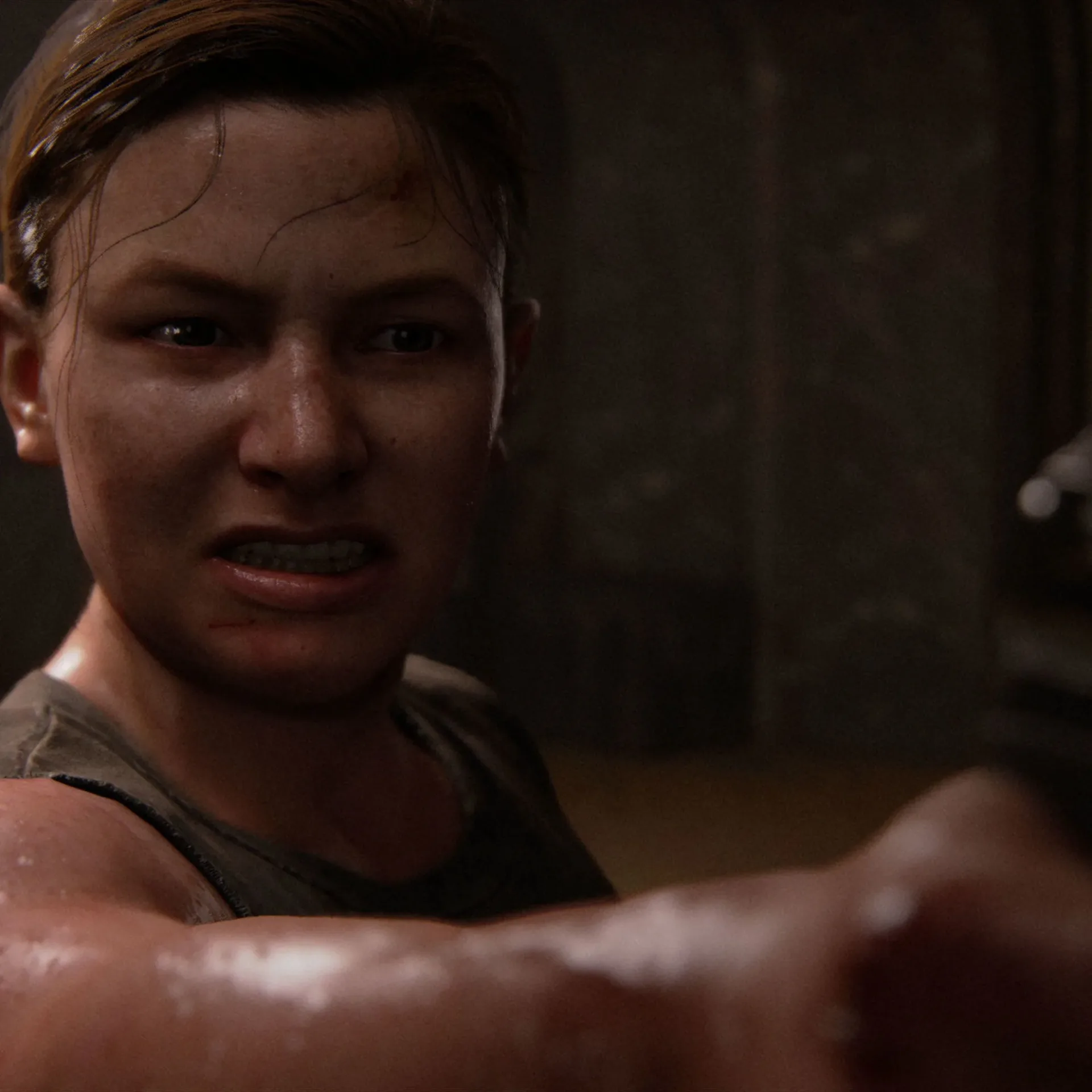
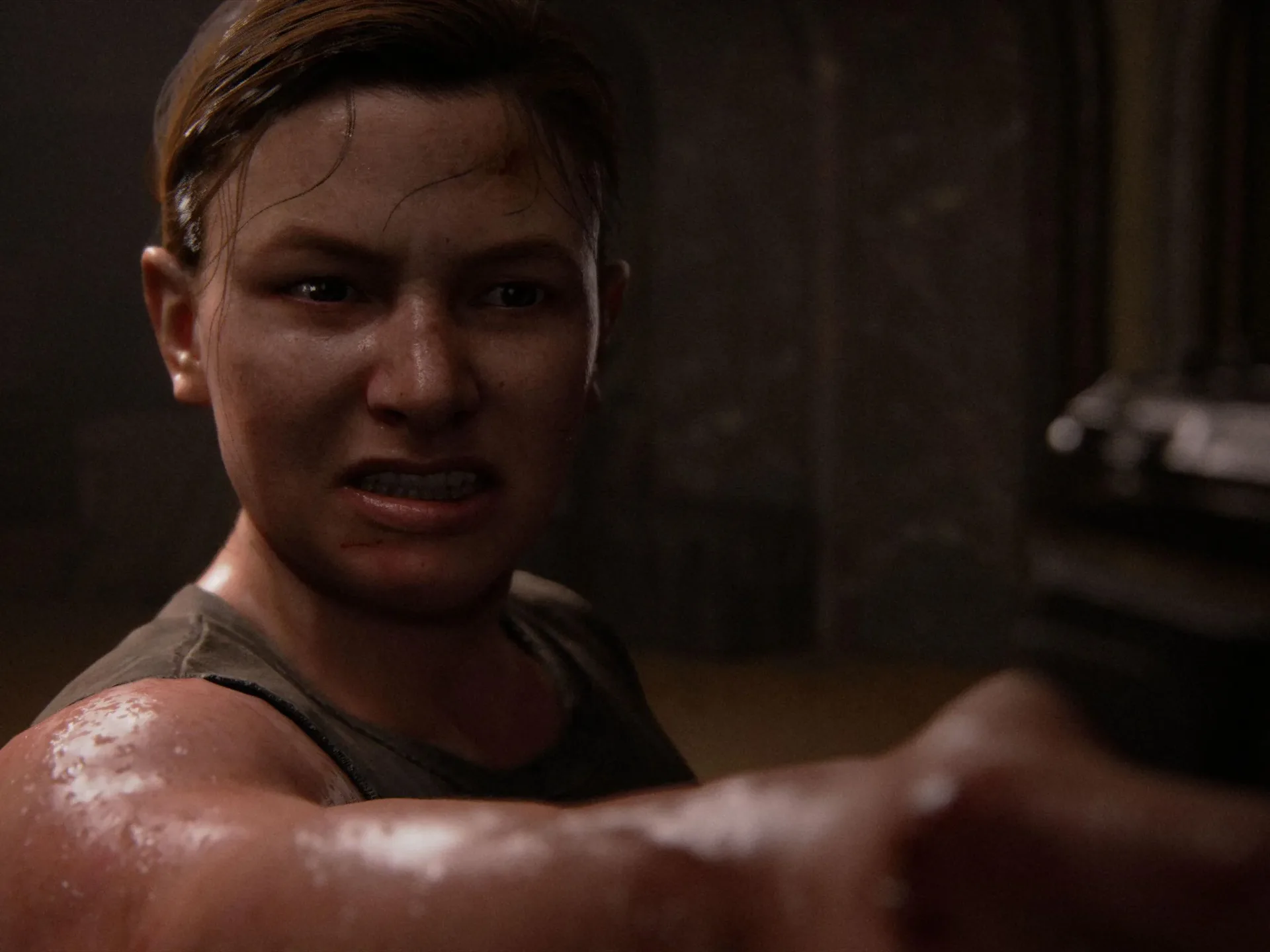
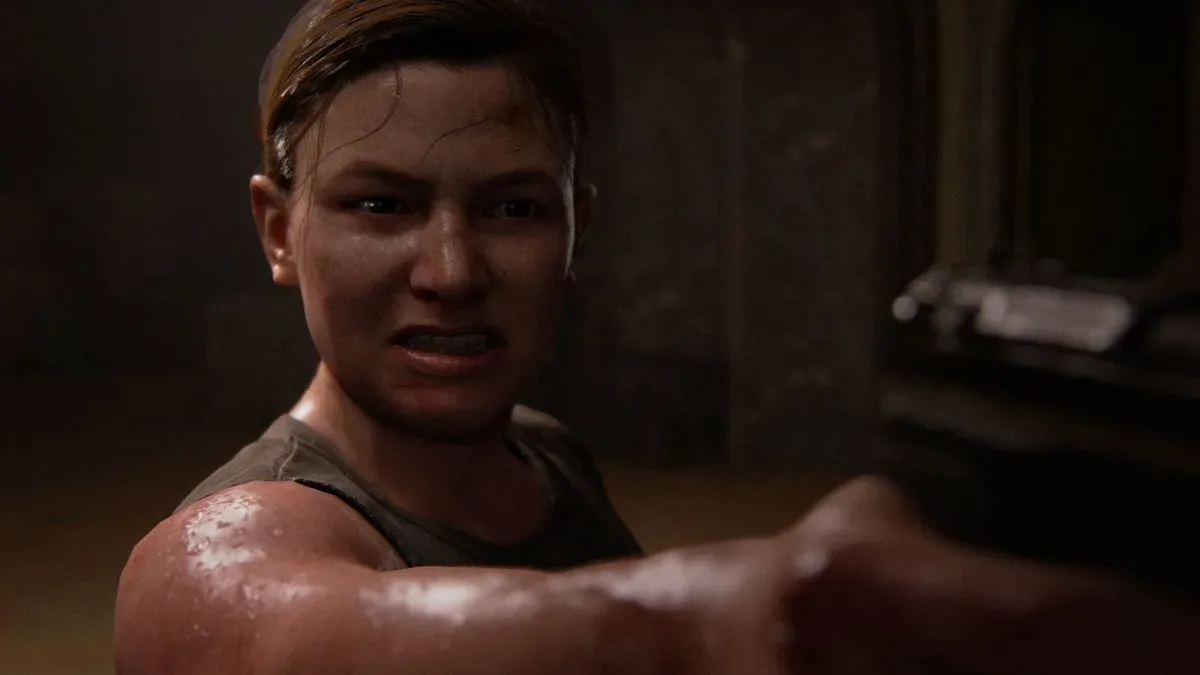
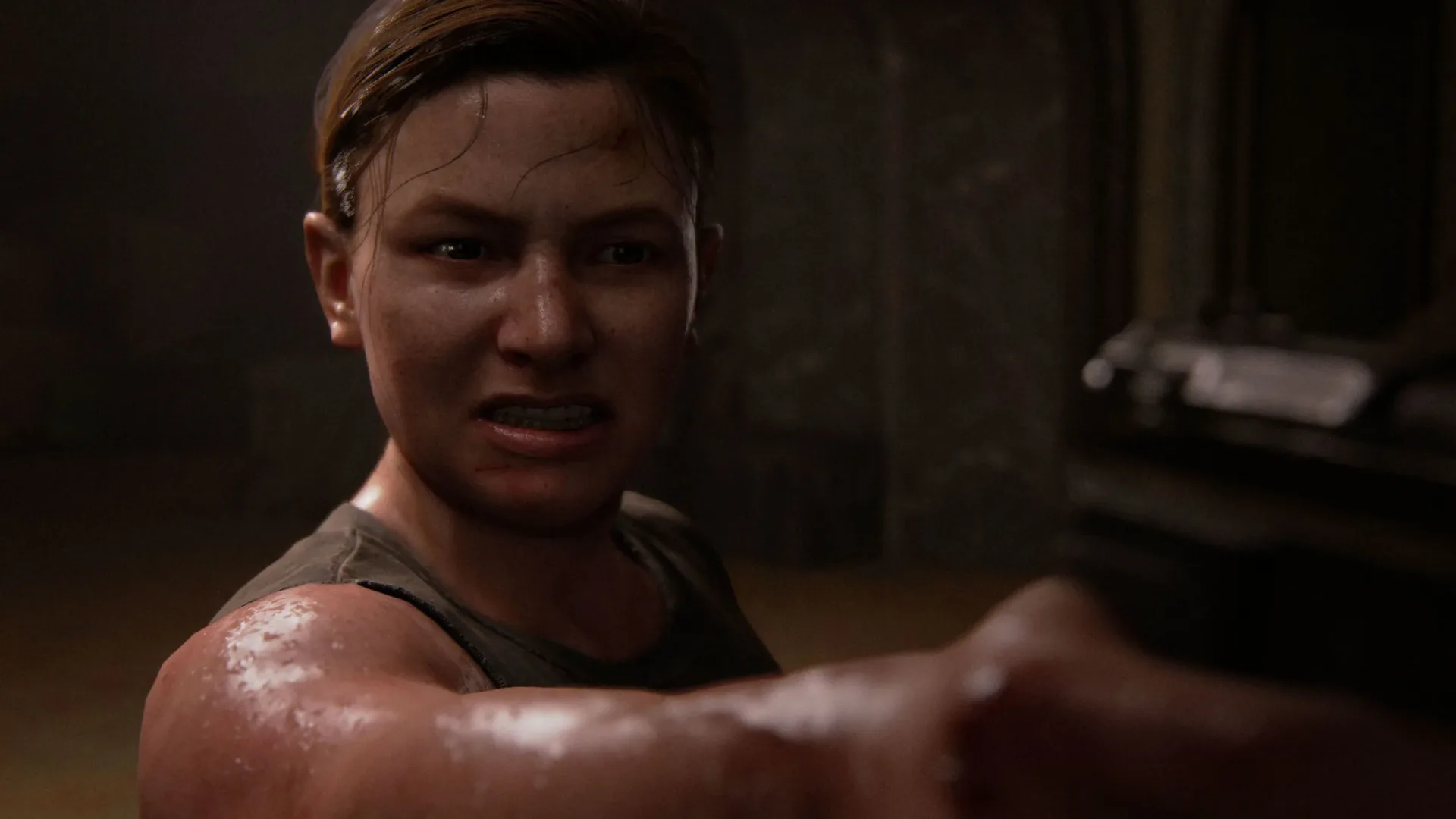
Laura Bailey, who played Abby in The Last of Us Part II, has reflected on the game’s hostile pre-release and launch-era discourse, saying leaks and misinformation made an already emotionally charged reaction far worse. Her account draws an important line between an audience disagreeing with a story and the real-world abuse directed at the people who help make it.
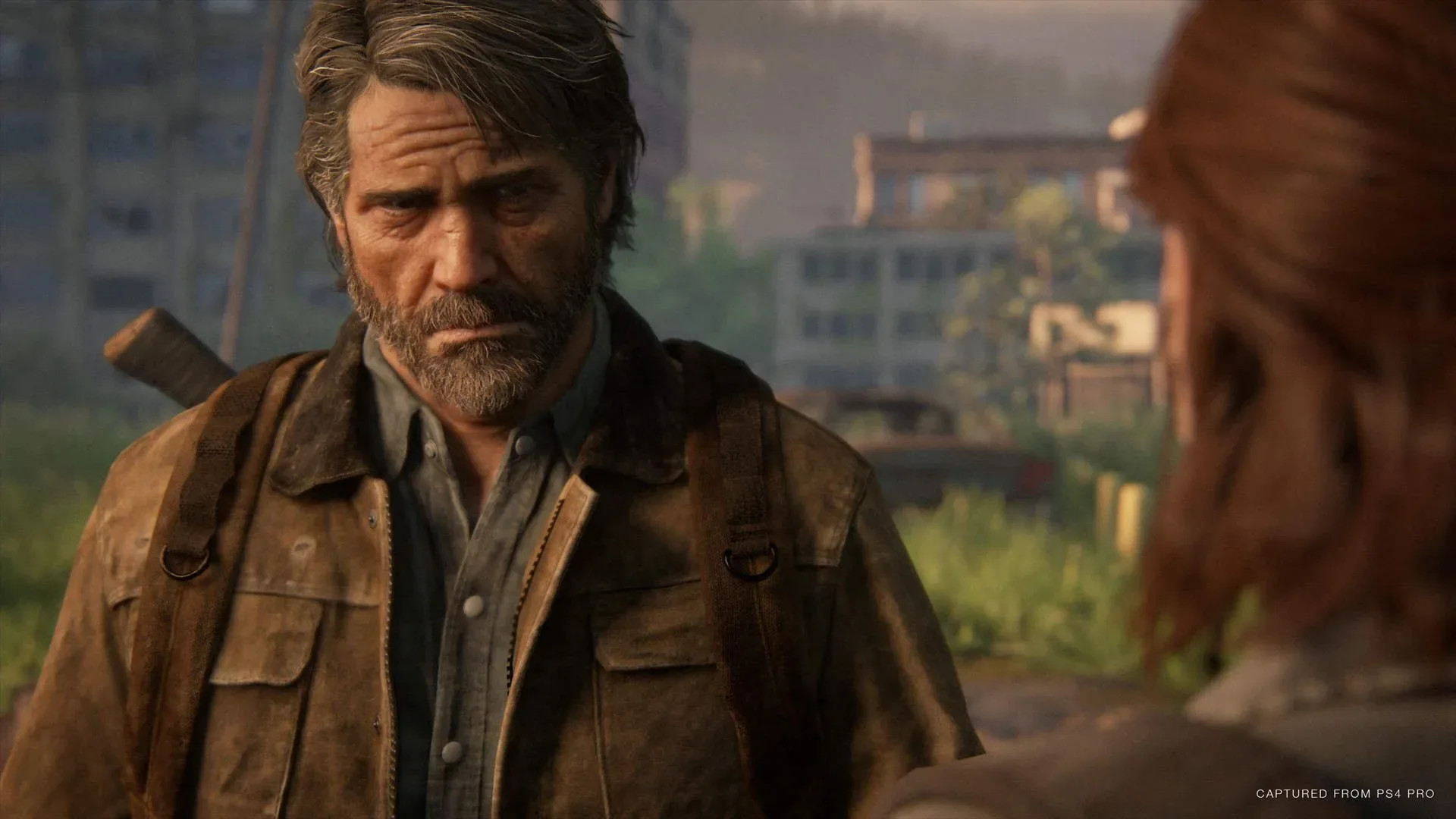
Bailey described the project as being “cursed by so many different elements.” Her central point is not that the game’s most consequential choices would have been universally accepted without leaks. She expected a powerful response because Joel was a beloved character. Rather, she argues that people encountered isolated material before they had the complete narrative context, and that false claims spread alongside it.
That distinction matters for a game built around perspective. The Last of Us Part II asks players first to experience Joel’s death through Ellie’s loss, then to spend a substantial portion of the game playing as Abby, the character responsible for it. It is deliberately uncomfortable structure: the audience begins with an established attachment, then is asked to inhabit the outlook of somebody initially framed as an enemy. Whether a player appreciates that approach or rejects it, the intended experience depends heavily on sequencing and context.
For more context, explore Amazon’s 14-Inch M6 MacBook Pro Falls to $1,779 With an On-Page Coupon.
What Bailey says the leaks changed
Bailey said the material that circulated did not tell the full story. What spread were severe, inflammatory scenes, including Abby killing Joel with a golf club. Removed from the game’s larger arc, that moment was easy to reduce to a provocation: a new character brutally kills a returning protagonist, then appears to take over the story.
A leak is information that becomes public without the planned release context. In entertainment, that can mean anything from a casting detail to a complete plot beat. Context is not an excuse for every creative decision, nor does it require players to like a decision once they have seen it. It does, however, affect what people believe they are reacting to. A scene can establish a question, a motive, or a character relationship that is only addressed later. When only the sharpest moments circulate, they can become the whole supposed story in online discussion.
Bailey also pointed to misinformation that became connected to the leaked material. One claim incorrectly identified Abby as the game’s trans character. In the finished game, Lev is the trans character. That error is significant because it shows how discussion moved beyond spoilers into claims about the game that were simply wrong, while still becoming part of the outrage around Abby and Bailey.
In other words, the backlash was not one uniform reaction. Some players objected to the narrative choices as presented in the finished game. Others were reacting to partial leaks. Still others appear to have engaged with misinformation. Treating all of those responses as the same thing makes it harder to discuss either the game or the harm Bailey says followed.
A performer is not the character
Bailey said she, her parents and her newborn child received death threats, describing the harassment as constant. That is the clearest and most serious element of her comments. Disliking Abby, or strongly disagreeing with the way the sequel treats Joel, is a critical response to fiction. Sending threats to the actor behind a performance is not criticism and cannot be justified as fan engagement.
Voice and performance-capture work can make that boundary especially vulnerable in public conversation. Players see and hear a character in intimate, high-stakes scenes, and a performance may make an antagonist’s actions feel more immediate. But the performer is interpreting a role within a project made by a wider creative team. Bailey did not become Abby, and holding her personally responsible for a fictional character’s actions collapses the most basic distinction between art and the people who create it.
The case also illustrates how online hostility can spill beyond the person initially targeted. Bailey said threats reached her family, including at a time when she had a newborn child. The practical consequence she identifies is a reduced online presence. That is a tangible cost: abusive conduct can limit how freely performers can participate in the public communities that form around their work.
Why the game was primed for an intense reaction
The original The Last of Us established Joel as a central protagonist and a character Bailey herself said she loved. The sequel’s choice to kill him violently and then make Abby playable for roughly its second half was therefore not a routine plot twist. It challenged player identification directly.
Player identification is the connection players form with a protagonist through time, action and point of view. Games can make that connection particularly strong because players do not merely watch a character; they guide them through spaces and conflicts. Switching the playable perspective can consequently feel more personal than a comparable shift in a film or television story. That does not make the choice inherently right or wrong, but it helps explain why it produced such an intense response.
Bailey’s comments acknowledge that reality. She said she knew Joel’s death would get a reaction. The argument is instead about scale and conditions: with leaked, graphic scenes circulating before people knew the full story, and with falsehoods attached to those leaks, the reaction became a “nightmare online.” That framing leaves room for disagreement about the game while refusing to pretend the threats were an inevitable or acceptable byproduct of debate.
In-person response tells a different story
Bailey says she has stepped back from online spaces, but she also reports receiving substantial affection at conventions from people who love both the game and Abby. That contrast is worth noting. Online platforms often reward the fastest and most extreme response, particularly when spoilers, incomplete information and identity-driven arguments collide. A convention interaction is not a representative survey of every player, but it is a reminder that visible social-media outrage is not the only relationship audiences have with a work.
It also underlines the difference between a divided audience and a uniformly hostile one. The Last of Us Part II can remain a game that prompts debate over narrative structure, character focus and its treatment of familiar figures. None of those debates need to be erased. But Bailey’s experience is a warning about what happens when leaked fragments become the basis for certainty and when that certainty is redirected at an individual performer.
For audiences, the practical lesson is simple: verify spoiler-era claims before repeating them, distinguish an actor from a role, and keep criticism directed at the work rather than a person’s private life. For studios and performers, Bailey’s account highlights the personal stakes that can accompany high-profile narrative releases, particularly when confidential material escapes before players can see the completed context.
Bailey’s recollection adds human detail to a controversy often reduced to arguments about a single plot point. The lasting issue is not whether everyone should have embraced Abby or agreed with the game’s storytelling. It is that partial information and false claims helped create an environment in which a performer and her family, by her account, were subjected to threats over fiction. Further coverage of Bailey’s comments similarly centers the role leaks played in that backlash.