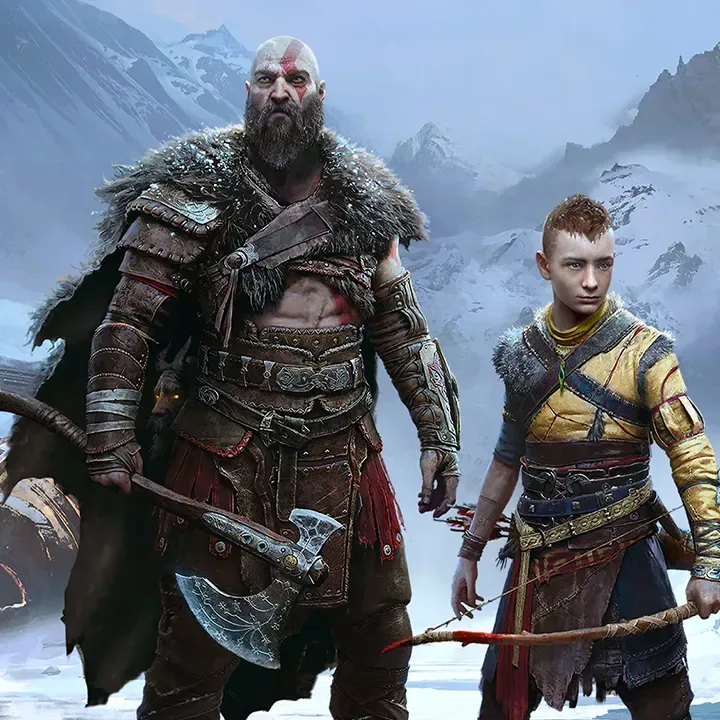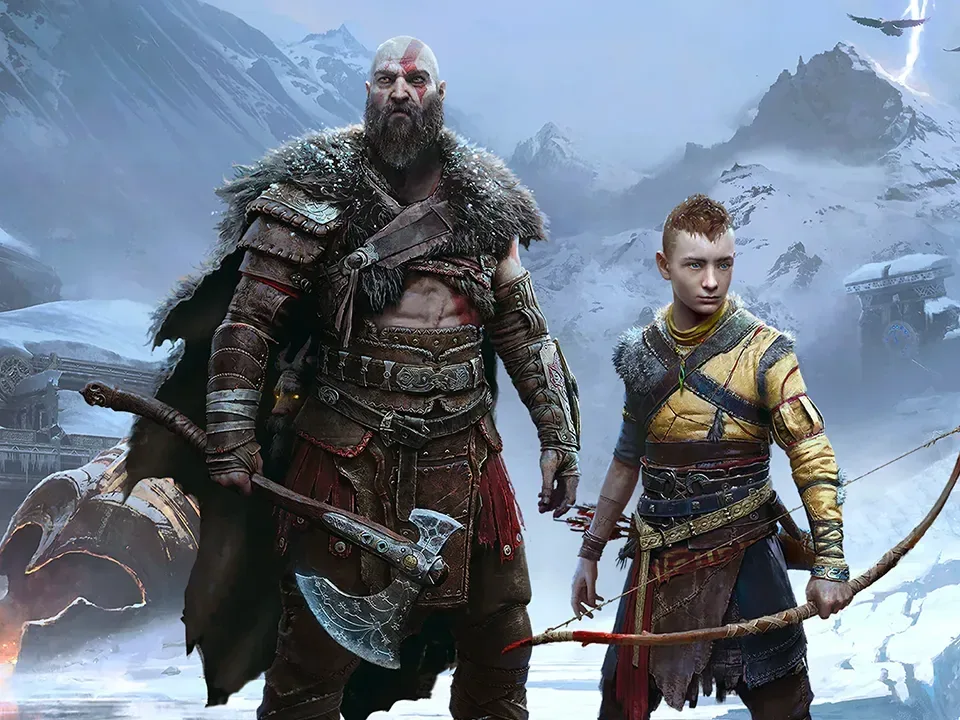
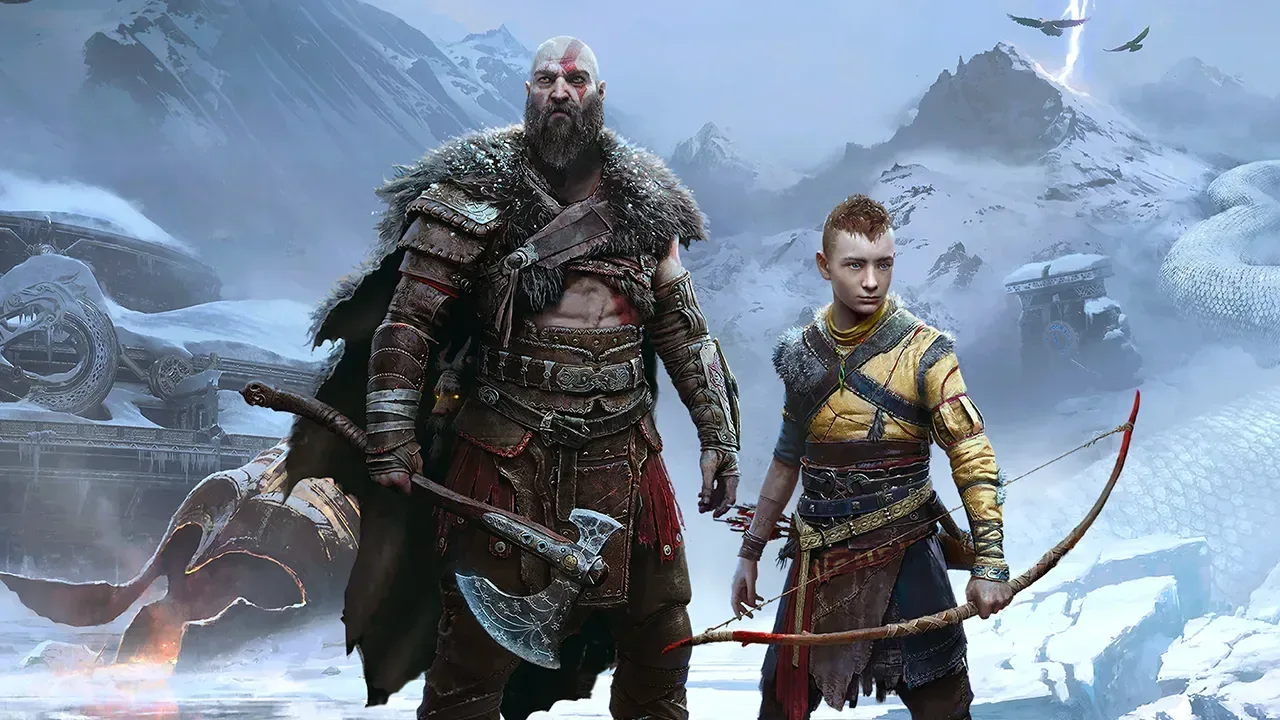
Kratos has apparently turned the Leviathan Axe into a very efficient revenue instrument. God of War Ragnarök is estimated to be the highest-grossing PlayStation Studios game of the PS5 generation so far, generating roughly $1.4 billion in gross revenue. That puts it ahead of Spider-Man 2, estimated at $1.3 billion, and Gran Turismo 7, estimated at $841.9 million.
The ranking comes from Alinea Analytics estimates and covers games published under the PlayStation banner during the PS5 era. Crucially, it is not a company-issued sales report, and it is not limited to PS5 storefront revenue. That qualification matters: some of the games in the list have reached PS4, PC, or both, so this is better understood as a PS5-generation release window rather than a strict PS5-only chart.
Even with that caution attached, the combined number is substantial. The 10 listed games are estimated to have brought in $6.5 billion in gross revenue. It is a striking snapshot of how PlayStation’s biggest releases can earn over time through a mix of platforms, formats, subscription exposure and, in some cases, expansions.
The estimated top 10
- God of War Ragnarök — $1.4 billion
- Spider-Man 2 — $1.3 billion
- Gran Turismo 7 — $841.9 million
- Helldivers 2 — $786.3 million
- Horizon Forbidden West — $485.8 million
- Ghost of Yōtei — $410.1 million
- The Last of Us Part 1 — $341.3 million
- Ratchet & Clank: Rift Apart — $334.9 million
- Stellar Blade — $316.9 million
- Astro Bot — $292.6 million
The top of the table is close enough to make the difference interesting. Ragnarök’s estimated lead over Spider-Man 2 is about $100 million, while Gran Turismo 7 sits nearly half a billion dollars behind second place. The rest of the list also shows that PlayStation’s productive formula is not one genre wearing a thousand different hats. It includes character-action spectacle, superhero adventure, racing, co-op shooter action, open-world adventures, a remake, a platformer and a second-party release.
What “gross revenue” does—and does not—tell us
Gross revenue is the money generated before deducting the many costs involved in making and selling a game. It is not the same thing as profit. Development, marketing, distribution, platform-holder fees, physical manufacturing, support, post-launch work and other expenses are not answered by a gross-revenue number alone.
That distinction is especially important when looking at a ranking like this. A game can be high on a revenue chart without revealing its profitability, budget, marketing spend, internal return target, or the portion of money ultimately retained by PlayStation. The list is useful for comparing estimated commercial scale, but it is not a scorecard for which project was most efficient or most profitable.
The estimates also should not be read as an official audit of PlayStation’s business. Alinea Analytics’ figures provide a modelled view of market performance rather than confirmed internal financial results. For readers, the sensible approach is to treat the precise dollar amounts as estimates while taking the broader pattern seriously: these titles have collectively reached a large commercial footprint.
Ragnarök’s long tail is the headline behind the headline
Ragnarök’s first-place finish is not presented merely as a launch-week victory lap. It is described as an evergreen release—industry shorthand for a game that continues to sell meaningfully long after its initial release period rather than doing all of its business immediately and vanishing into the discount-bin mist.
Related coverage includes God of War Ragnarök Leads Estimated PS5-Era PlayStation Studios Revenue Rankings.
The available estimate puts Ragnarök at 21.6 million copies across PS5, PS4 and PC. Of the reported 20.1 million copies sold on PlayStation platforms, 75.2% were on PS5. Physical copies represented 27.5% of sales across PS4 and PS5. The game is also estimated to have sold 1.1 million copies during 2026 alone.
Those figures point to several ways a large first-party release can keep moving. The title spans three platforms, with PS5 accounting for the dominant portion of its PlayStation sales. It has retained a physical audience alongside digital sales. And it has continued to find buyers despite having been available through PlayStation Plus Extra since January 2025.
That last detail is worth unpacking. A subscription catalog appearance does not automatically end direct purchases. People can buy games before they join a service, after they leave it, on another platform, in a preferred format, or simply because they want permanent ownership within the platform ecosystem. The figures do not establish why any individual bought Ragnarök, but the title’s continued estimated sales alongside its subscription availability show why “it is in a catalog now” is not a complete explanation of a game’s commercial life.
Alinea Analytics estimates that 6.7 million PlayStation Plus users have accessed Ragnarök through the service. Access is not the same measurement as copies sold, and neither metric should be substituted for the other. One describes use through a subscription benefit; the other describes unit sales. Together, though, they underline the breadth of Ragnarök’s reach.
Platform strategy appears all over the list
Astro Bot provides the clearest counterpoint to Ragnarök. It is a PS5 exclusive in the supplied figures, estimated to have sold 4.7 million copies and generated $292.6 million from that one platform. Its presence in 10th place illustrates that an exclusive does not need the widest possible hardware footprint to make the list, although its revenue is naturally being measured under a different distribution setup from games that also sold on PC or PS4.
Stellar Blade makes the cross-platform point even more directly. It is identified as a second-party game published by PlayStation Studios, meaning it is not framed here as a wholly internally developed PlayStation Studios title even though it was published under the PlayStation umbrella. Its estimated revenue split is 59.7% from PS5 and 40.3% from Steam, based on the PS5 and Steam sales counted in the analysis.
That division is notable not because it declares one platform the winner, but because it demonstrates that PC can be a major part of the business for a PlayStation-published release. The ranking’s methodology encompasses that broader commercial footprint. A PS5-generation list, therefore, can include results shaped significantly by platforms beyond PS5 itself.
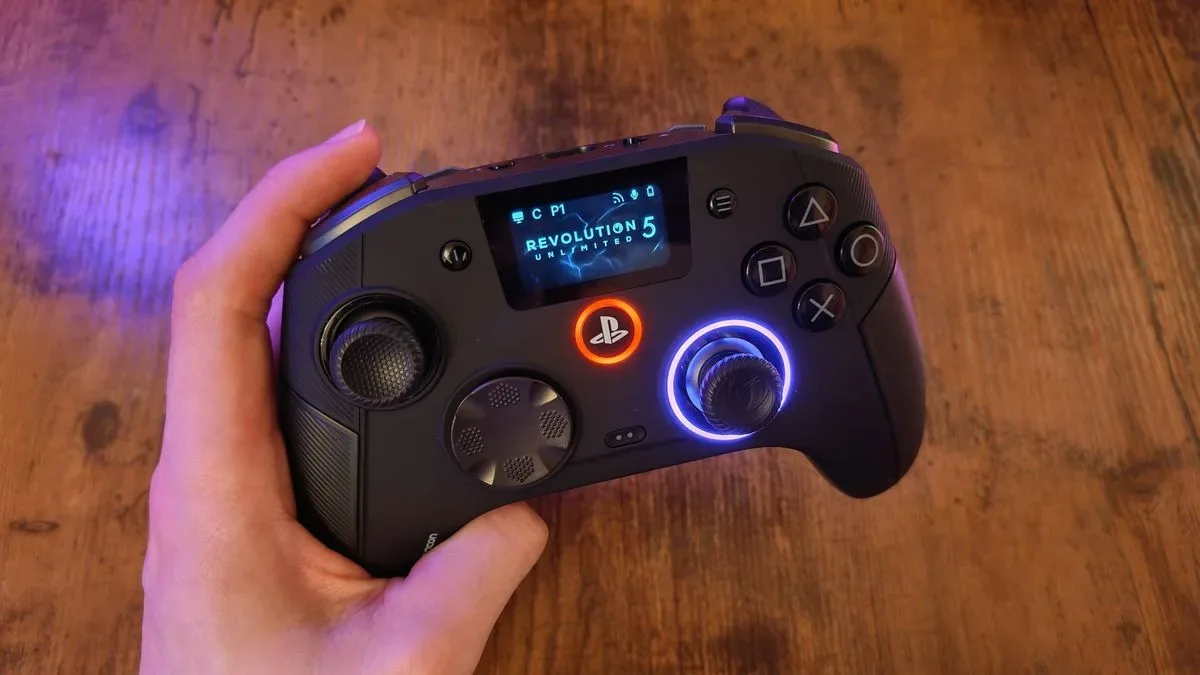
For a different side of the PlayStation hardware experience, see our look at the Nacon Revolution 5 Unlimited and its feature-heavy PS5 controller approach.
Ghost of Yōtei and the value of post-launch momentum
Ghost of Yōtei is estimated at $410.1 million and sixth in the ranking, with 5.5 million copies sold as a PS5 exclusive. It had been trailing its predecessor as of October, but the recent Echoes of Sekigahara expansion is identified as a factor in helping the game reach its current position.
An expansion is additional content released after the base game. In commercial terms, it can create a fresh reason for existing players to return and potential buyers to finally jump in. The data here does not break out how much revenue came specifically from Echoes of Sekigahara, so it would be overreach to assign it a dollar value. What can be said is that the expansion coincided with the game’s placement in the updated ranking and illustrates how post-launch releases can keep a major game visible.
What the list says about the current PlayStation portfolio
The top 10 does not reduce PlayStation’s business to one franchise, one studio, or even one sales route. Ragnarök and Spider-Man 2 lead the pack, but Gran Turismo 7 and Helldivers 2 sit immediately behind them with very different kinds of games. Horizon Forbidden West, The Last of Us Part 1, Ratchet & Clank: Rift Apart and Astro Bot show additional established PlayStation series reaching the chart. Ghost of Yōtei and Stellar Blade add newer or differently structured entries to the mix.
There is also a practical reminder in the numbers for players who use sales rankings as a popularity contest. Revenue, copies sold, subscription access, and physical share answer different questions. A higher-grossing title may have a broader platform footprint; a PS5-only game may be serving a smaller addressable audience; a subscription title can reach users in ways that do not register as individual retail purchases. Rankings are illuminating, but the labels on the measuring cups still matter.
For now, the biggest takeaway is simple: by this estimate, God of War Ragnarök remains PlayStation’s PS5-era commercial champion, and it is still selling years into its life. The rest of the chart makes the broader case that PlayStation’s recent publishing slate has found considerable revenue across a range of genres and release strategies—though the final word on exact totals remains with PlayStation’s own financial reporting, not a third-party estimate.