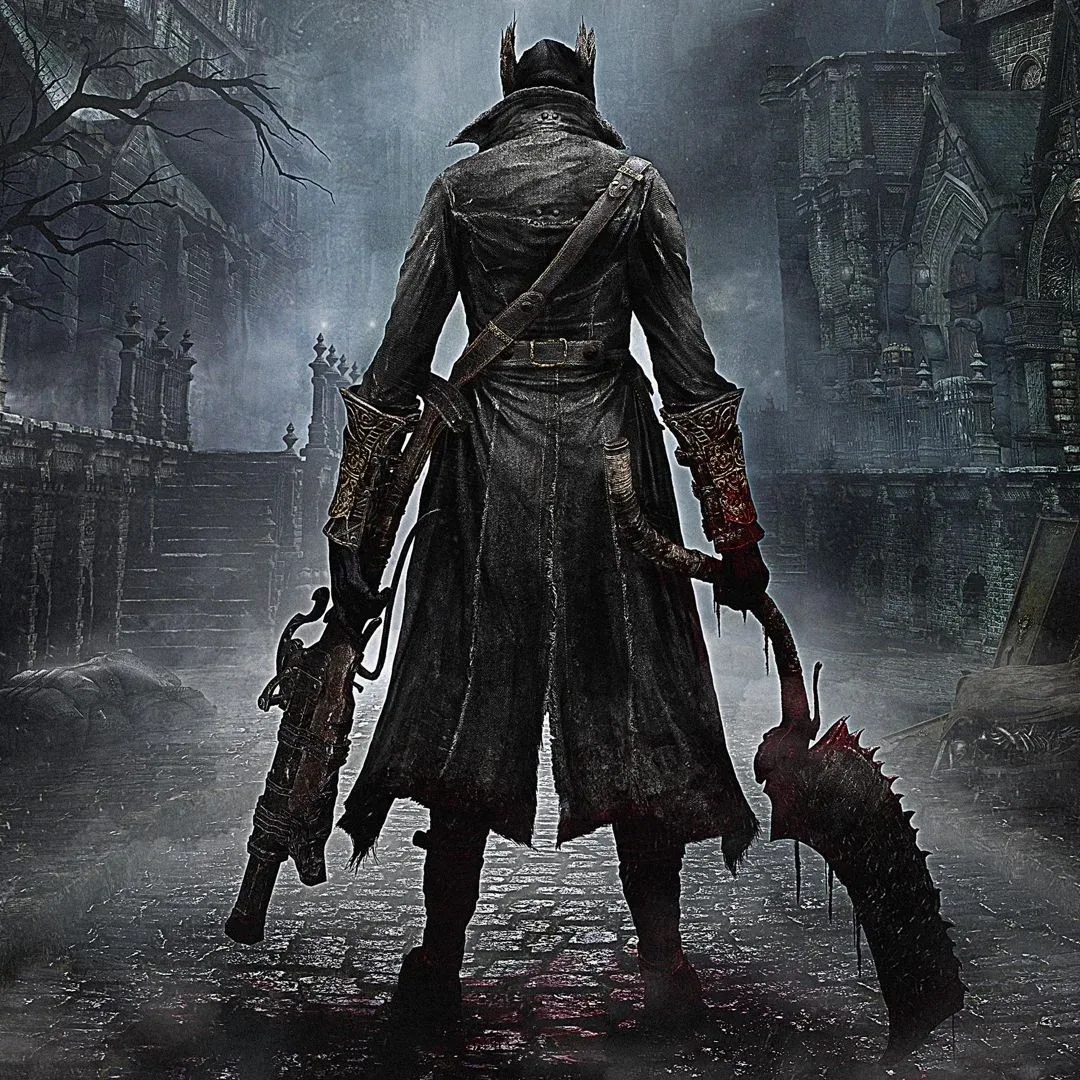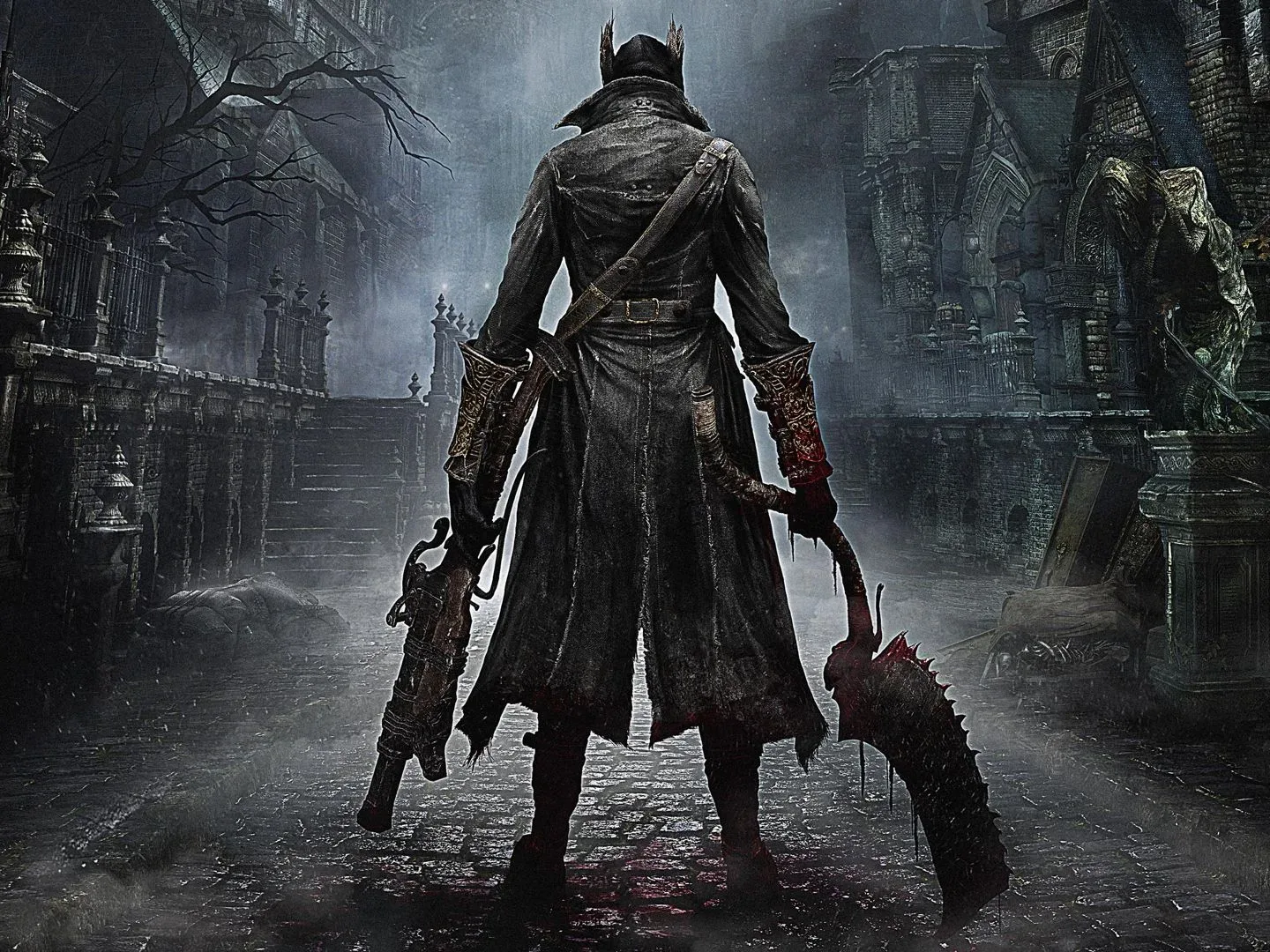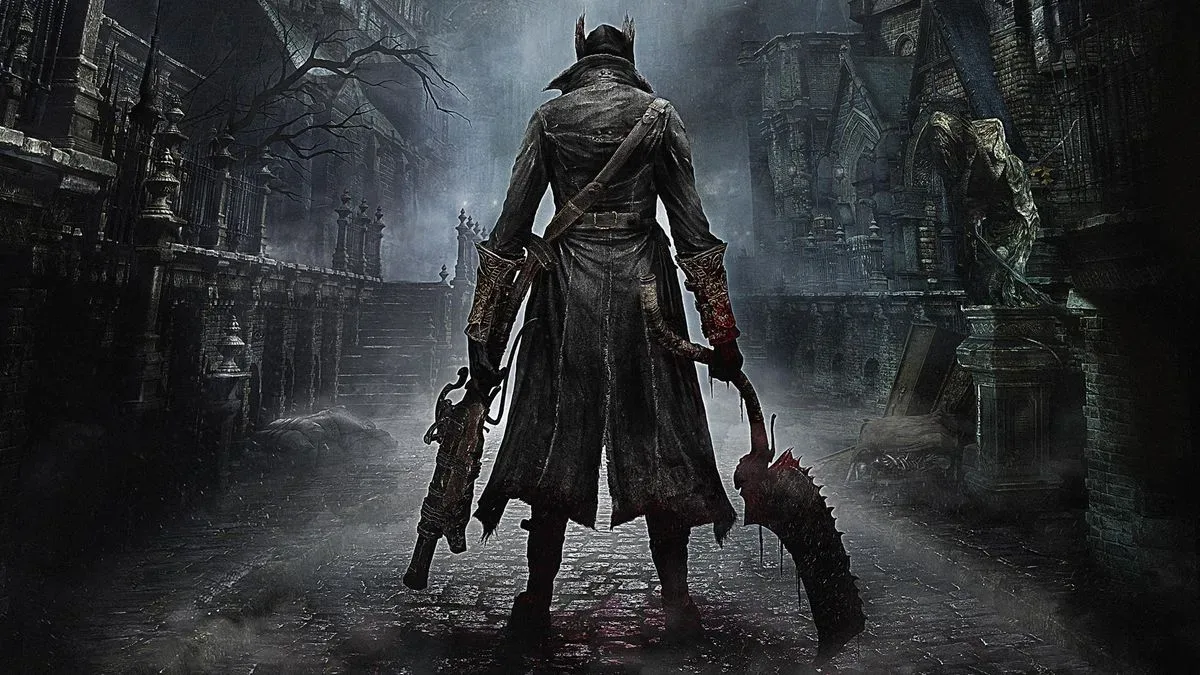
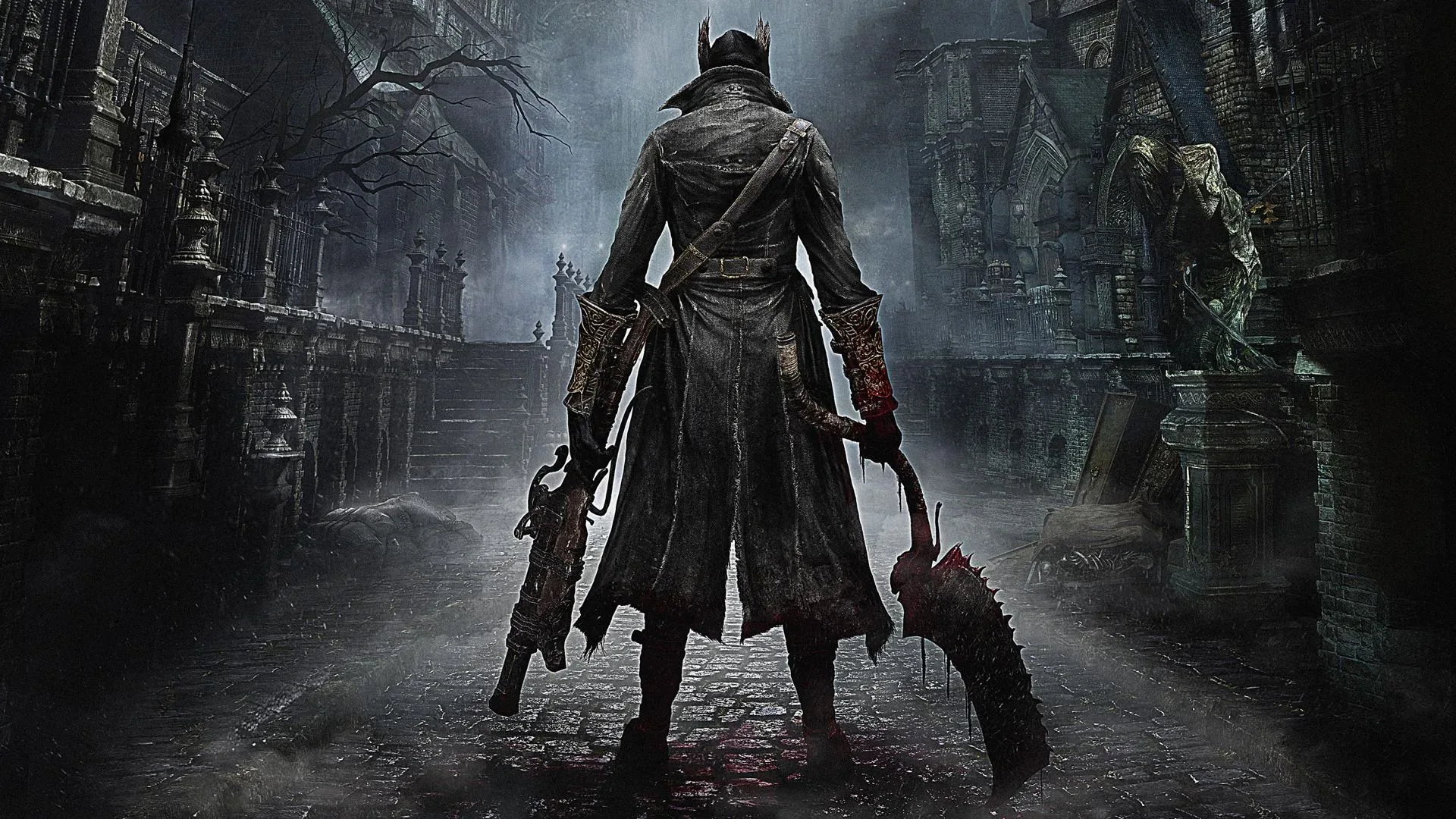
Bloodborne has spent a long time in the Hunter’s Dream: awake enough to be replayed, asleep enough that its future remains frustratingly foggy. No remaster has arrived. No PC port has emerged. And, most painfully for fans prepared to dodge-roll into the moon, there is still no Bloodborne 2.
Shawn Layden, the former president and CEO of Sony Interactive Entertainment America, has offered a measured explanation for why a sequel may be much harder to make than the demand around it suggests. Speaking on The Trophy Room podcast, Layden said the key difficulty is not simply deciding that a return to Yharnam sounds commercially attractive. It is getting every party with a stake in the project to approve it.
“There’s a lot of involved rights associated with it,” Layden said, adding that Sony, FromSoftware and FromSoftware’s parent company would all need to be on board. He described getting everyone to sign off as “probably the biggest challenge.”
That is not a Bloodborne 2 announcement, a promise, or even a definitive account of the game’s legal arrangements. Layden used cautious language, and the specific rights, contractual obligations and decision-makers involved have not been detailed here. But it is a useful reminder that a beloved game cannot necessarily be revived just because an audience wants it revived—or because one company appears to have a clear commercial reason to pursue it.
The sequel problem is bigger than a yes-or-no decision
When players ask for a sequel, the request can sound wonderfully direct: make another one. In practice, a project such as Bloodborne 2 can involve several distinct approvals. The people or companies that hold rights in the property may not be identical to the studio that would make the game. A developer may have creative interests and scheduling realities; a platform holder may have publishing, platform and brand considerations; a parent company may need to approve how its subsidiary’s work, personnel and business commitments are used.
“Rights” is a broad term, and Layden did not identify which particular rights are at issue for Bloodborne. In plain English, it refers to the permissions and control necessary to use an existing work and turn it into a new commercial project. Those permissions can cover the game’s name, characters, setting, creative assets, publishing arrangements and more. The important point is not to assume the exact split of ownership from outside. The important point is that Layden says there are multiple involved parties, and alignment among them is the apparent obstacle.
That distinction matters because fan conversation often collapses several different possibilities into one. A sequel, remake, remaster and PC release are all “doing something with Bloodborne,” but they are not the same undertaking.
- A sequel is a new game. It needs a creative direction, a development plan, funding, approvals and a team capable of delivering a follow-up that can stand beside the original.
- A remake rebuilds an older game for newer hardware or expectations. The core work is established, but the question becomes whether the new version can honor the original while still justifying its existence.
- A remaster typically updates an existing release rather than rebuilding it from the ground up. It may sound comparatively simple, but it can still require technical work and the necessary business permissions.
- A PC port brings a game to a different platform. It is not a sequel or a remake, but it too is a separate release decision rather than an automatic consequence of player interest.
None of those possibilities has been confirmed in Layden’s remarks. What his comments do indicate is that the sequel conversation cannot be reduced to one executive flicking a switch labeled “Bloodborne 2,” however satisfying that imaginary switch might be.
Related coverage includes Bloodborne 2 Faces Major Approval Hurdles, Former PlayStation Executive Says.
Why a remake is not an easy fallback
Layden was also asked about the prospect of a Bloodborne remake. His response framed the issue in creative terms as well as administrative ones: can a revived game both respect the original and recreate what made it resonate?
That is a sharper question than it first appears. A remake can be technically impressive and still invite the accusation that it misunderstood the original’s mood, pacing or texture. Bloodborne’s reputation is tied to more than its name. A new version would have to confront the expectations attached to its setting, combat and identity without any guarantee that technical modernization alone would satisfy the people who have kept asking for it.
Layden referenced the successful remake of Demon’s Souls, created by Japan Studio and Bluepoint Games, as an example that has encouraged hopes for further FromSoftware-related revivals. But a past remake’s success does not establish that every other title is ready for, suited to or cleared for the same approach. Projects can share a surface-level category—prestige console games with devoted communities—while having very different practical circumstances.
The phrase “recreate the phenomenon” is especially revealing. It shifts the question away from whether a game can be made to look newer and toward whether a team can preserve the reasons it mattered. That is a creative challenge, not a claim that a remake is impossible. Nor is it a declaration that Bloodborne is off the table. It simply means a remake would need more than fan enthusiasm and an attractive technical pitch.
What Japan Studio’s closure does—and does not—tell us
Bloodborne was co-developed with Japan Studio, which closed in 2020. That history naturally raises questions whenever the game’s future is discussed. However, there is no basis here to state that Japan Studio’s closure is the reason a sequel, remake, remaster or port has not happened. The precise ownership and rights implications have not been established in Layden’s comments.
It is worth keeping that line bright. “Japan Studio was involved and later closed” is a fact. “Its closure caused the present Bloodborne impasse” is speculation. Likewise, fans may reasonably wonder whether the closure complicated the path to a revival, but wondering is not knowing. Layden’s actual point is broader: multiple parties and involved rights make sign-off difficult.
That restraint may be less thrilling than an elaborate corkboard theory tied together with red string and eldritch incense, but it is more useful. It directs attention toward the barrier that has been named instead of treating an unverified explanation as a solved mystery.
What Layden’s comments mean for fans right now
The immediate practical takeaway is modest: there is still no announced Bloodborne follow-up or revival, and Layden’s comments should not be read as a timeline. They do, however, explain why silence does not necessarily mean indifference. A game can remain culturally important and commercially tempting while its prospective owners, publishers and creators have not reached the agreement needed to move forward.
For players, the absence of a deal means expectations should stay anchored to confirmed information. There is no new platform release to plan around, no sequel details to dissect and no announced remake to pre-order. The original remains the tangible part of the story, still available to replay for those with access to it. Everything beyond that remains possibility rather than product.
There is also a wider industry lesson in the gap between desire and execution. The games business is full of projects that depend on partnerships, rights and approval chains alongside creative ambition. That corporate layer is rarely as dramatic as a giant beast emerging from the fog, but it can determine whether a familiar world is revisited at all. Questions about who controls what, who must consent and whether a deal serves every participant can shape the future of a franchise as decisively as a design document.
That business context is increasingly visible elsewhere in games, including in discussions of distribution and subscription partnerships. For another example of how gaming services can become part of broader corporate bundles, see how phone plans are being linked with streaming bundles and Xbox Game Pass. Bloodborne’s situation is different, but both stories underline a basic truth: players see a game; companies must navigate the agreements surrounding it.
Hope remains, but certainty does not
Layden did not close the door on Bloodborne. He did not say a sequel cannot happen, that a remake is impossible, or that the rights situation is permanently frozen. His comments instead portray a difficult negotiation problem, one in which the necessary stakeholders must all reach an agreement.
That is simultaneously encouraging and maddening. Encouraging, because it leaves the door open. Maddening, because open doors in video games are usually where the useful loot is, while this one appears to lead to a conference room full of documents.
For now, Bloodborne fans have a clearer, if still incomplete, explanation for the long quiet. The obstacle, as Layden describes it, is consensus among Sony, FromSoftware and FromSoftware’s parent company amid involved rights. Until there is evidence that consensus has been reached, the safest reading is also the least flashy: Yharnam has not been forgotten in any demonstrated sense, but it has not yet escaped the paperwork either.