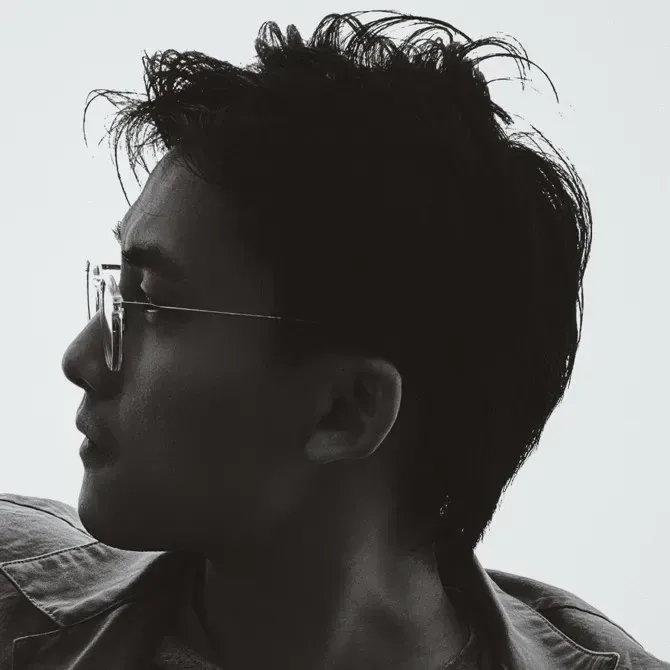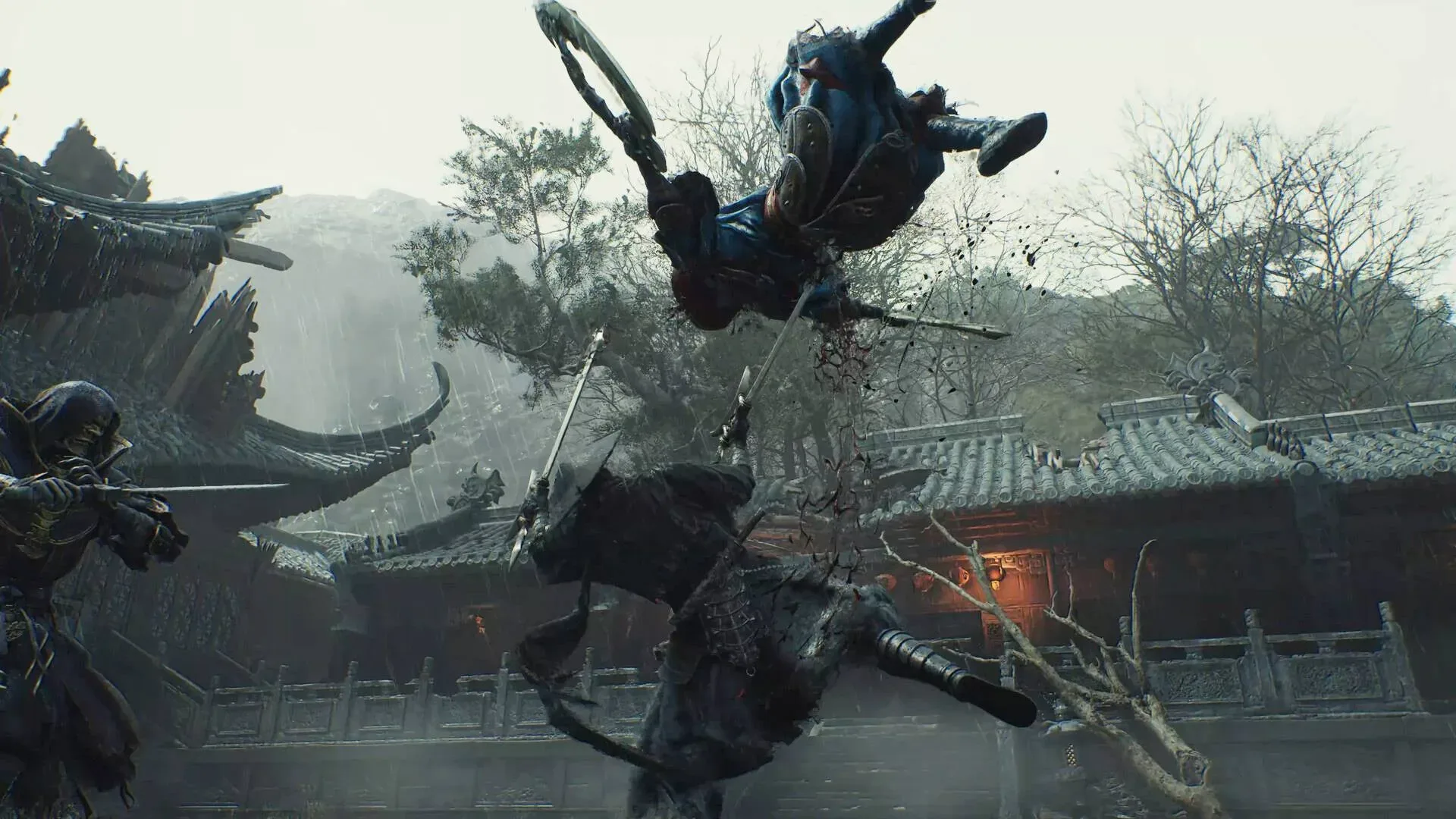
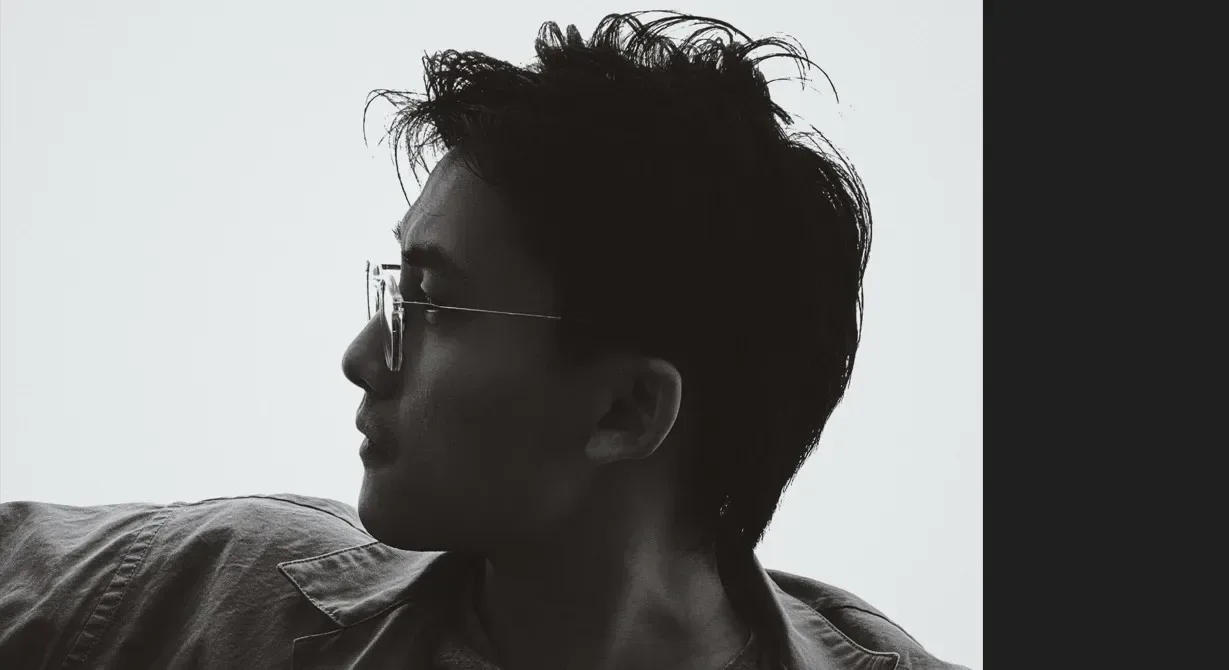
Phantom Blade Zero’s score is not treating traditional Chinese instruments as scenery. Composer Caisheng Bo has described a more disruptive goal for the game’s music: retain the instruments’ cultural weight while deliberately pushing them into unfamiliar narrative territory. That approach is central to the action game’s “Kungfu Punk” identity, and it now has a standalone form in an 81-track, four-disc soundtrack released by Milan Records.
The album’s scale suggests that the score is meant to carry more than a few recognizable themes between fights. Bo’s account instead outlines a system in which particular sounds signal competing ideas: heroism and manipulation, righteousness and terror at overwhelming scale, grief and authority. In cutscenes, an increasingly intrusive stutter becomes an audible measure of a character’s accelerating ambition. And in development, the relationship apparently ran both ways: teams adjusted maps, combat and bosses after receiving Bo’s demos so that the game’s action could line up with the score.
It is an unusually specific description of what game music can do. Rather than simply telling players that a sequence is ancient, dangerous or emotional, the soundtrack is designed to make those meanings unstable. That is a fitting mission for a world described through the deliberately hybrid label “Kungfu Punk.”
An 18-year musical thread from Rainblood to Phantom Blade
The musical history behind Phantom Blade Zero stretches back nearly 18 years. Bo and Soulframe Liang began working together on the indie game Rainblood 2: City of Flames, an earlier project that eventually developed into the Phantom Blade franchise. Bo says much of Phantom Blade Zero is built on music he had written throughout those years, though it has evolved into a distinct work of its own.
That continuity matters because it frames the soundtrack as something more substantial than a last-minute stylistic overlay. Most melodies have been carried forward from the series’ past, while two of the score’s defining newer methods are the stuttering sound design and the intentional “polarity” between an instrument’s expected meaning and a different, newly assigned one.
In plain terms, a musical motif is a recurring phrase or idea. A listener does not need to identify every return consciously for it to build familiarity. Reusing melodic material across a franchise can create that familiar foundation. Bo’s newer choices, however, appear intended to unsettle it. Players may hear an instrument and bring assumptions about the mood or figure it traditionally evokes, only for the game to connect that sound with a second, more unsettling concept.
What the instrument “polarities” mean
Bo argues that Chinese instruments have accumulated rigid narrative associations in conventional usage. His solution on Phantom Blade Zero is not to discard those associations. It is to place them in tension with new ones.
The erhu, a two-string bowed instrument, traditionally evokes heroic action and the sadness of personal struggle in the framework Bo describes. Phantom Blade Zero preserves its link to heroism but also makes it a sound of manipulation. The latter is tied to an image of red threads descending from the sky, lifting enemies and controlling them. The same instrumental color can therefore sit near a familiar idea of valor while pointing toward coercion.
Related coverage includes Phantom Blade Zero Soundtrack Turns Kungfu Punk Into a Collision of Tradition and Neon.
The pipa, a four-string lute, is likewise given a split role. Bo connects it both to danger and a looming crisis in darkness, and to “discordance,” an otherworldly realm where time stops and space becomes distorted. The word discordance here is not simply a technical claim that every note is dissonant. It is a narrative label for a place and condition where the expected order of reality has broken down.
- Erhu: heroic action and personal sorrow, alongside manipulation.
- Pipa: danger and battlefield crisis, alongside discordance and warped reality.
- Matouqin and Hoomai throat singing: mandate and righteousness, but also megalophobia.
- Xūn: weeping in its familiar use, plus the presence of Mu Tianmiao, a figure of absolute authority.
Megalophobia is the fear of enormous objects. Bo’s use of the term for the matouqin and Hoomai pairing is especially striking because it moves beyond an emotion such as fear or sadness and toward a particular kind of scale-based dread. “Mandate” and righteousness suggest legitimacy, duty or moral authority; megalophobia puts that authority beneath something gigantic and threatening. The collision is the point: a sound can carry prestige and intimidation at once.
The xūn is a Chinese clay ocarina. Bo notes that it is conventionally associated with weeping, including through one of its signature playing techniques. In Phantom Blade Zero, it also marks the appearance of Mu Tianmiao. That creates a possible ambiguity around authority: the sound does not stop being capable of grief merely because it now accompanies power. It can make that power feel mournful, severe, fragile or all of those at different moments. Those particular interpretations remain analysis rather than confirmed story meaning, but the design clearly asks listeners to connect one instrument with more than one emotional register.
Stutter as a storytelling device
Alongside the instrumental system, Bo identifies stuttering sound design as a major new addition. The effect is heard during cutscenes, especially where Zuo Shang is working through his scheme. As the story moves ahead, the stutter becomes louder and more prominent, representing the character’s expanding ambition and his increasingly uncontainable Sha Qi, or killing intent.
Sound design differs from melody or conventional accompaniment. It refers to the designed sonic texture around the music: effects, interruptions, processing and other sounds that help establish a place, a state of mind or a dramatic shift. A stutter effect repeats or chops a small unit of sound in rapid succession. In this context, it is being used less as decorative glitch and more as an escalating narrative marker.
That approach can have a practical benefit for players following a complicated story. A recurring sonic cue may establish an association before dialogue fully spells it out. As the effect intensifies, it can communicate that something has changed in the plot or a character’s mental and moral direction. The game does not need to explain the technique for the listener to feel the rising pressure.
The score was part of level and combat development
Bo’s role went beyond delivering tracks after levels were complete. Once an area was roughly 60% finished, Soulframe would send him its script and lengthy gameplay footage showing a full journey through the location. These recordings could run for four hours and included exploration, hidden paths, enemy encounters and treasures.
Bo then divided each location into segments and planned the music around them. He characterizes his job as both composer and music director: someone responsible for writing the material and for deciding where it begins and which emotional needs it should meet. Once his demo was delivered, the development team refined elements of the map, combat and boss battles to better match it.
This is significant because game scoring can be reactive or iterative. A reactive score is built around a largely settled game. An iterative process, by contrast, permits the game and its music to shape one another while both are still changing. Phantom Blade Zero’s process, as described, leans toward the latter. A boss fight’s rhythm, the pace between encounters or the structure of a route can be tuned so the player’s movement through an area better fits the intended musical arc.
It is not the only way a game can evolve through development input. Recent discussion around The Expanse: Osiris Reborn’s response to beta feedback illustrates a different kind of iteration, where player feedback can alter a project. Phantom Blade Zero’s account concerns internal creative synchronization rather than beta feedback, but both examples underline that games are not always assembled in isolated departments.
Not a choice between “traditional” and “modern” Chinese sound
Bo contrasts a common image of Chinese music with what he wants Phantom Blade Zero to express. The familiar image, in his description, resembles ancient villages, temples, mountain scenery and ink-wash painting. The composer does not reject that imagery; rather, he wants the game to make room for another recognizably Chinese vision: modern Shanghai, with skyscrapers and neon.
That is where the Kungfu Punk concept becomes useful. It gives Bo permission to combine traditional Chinese instrumentation with modern genres and production elements, including pop, trap and metal. “Punk” in the label should not be taken as confirmation that every piece is punk rock. The supplied details instead point to a broader hybrid aesthetic: old and new sounds are deliberately placed together, often in productive friction.
Trap is a modern genre and production language often associated with heavy low-end percussion and electronically programmed rhythms; metal typically emphasizes amplified instrumentation, forceful rhythmic drive and intensity. Neither label tells us exactly how every Phantom Blade Zero cue sounds, and no track-by-track details have been provided. What is clear is Bo’s stated ambition to show that Chinese ethnic elements and Western modern genres can coexist without reducing either side to an exotic ornament or a mere novelty.
For listeners approaching the four-disc release outside the game, the recurring themes, instrumental associations and stuttering motifs may offer a way to hear the score as a narrative work on its own. For players, the more intriguing prospect is that these choices are woven into navigation, combat, character presence and worldbuilding. Phantom Blade Zero’s soundtrack is presenting its instruments not as museum pieces and not as anonymous texture, but as active dramatic voices—sometimes familiar, sometimes deliberately alarming, and often both at once.