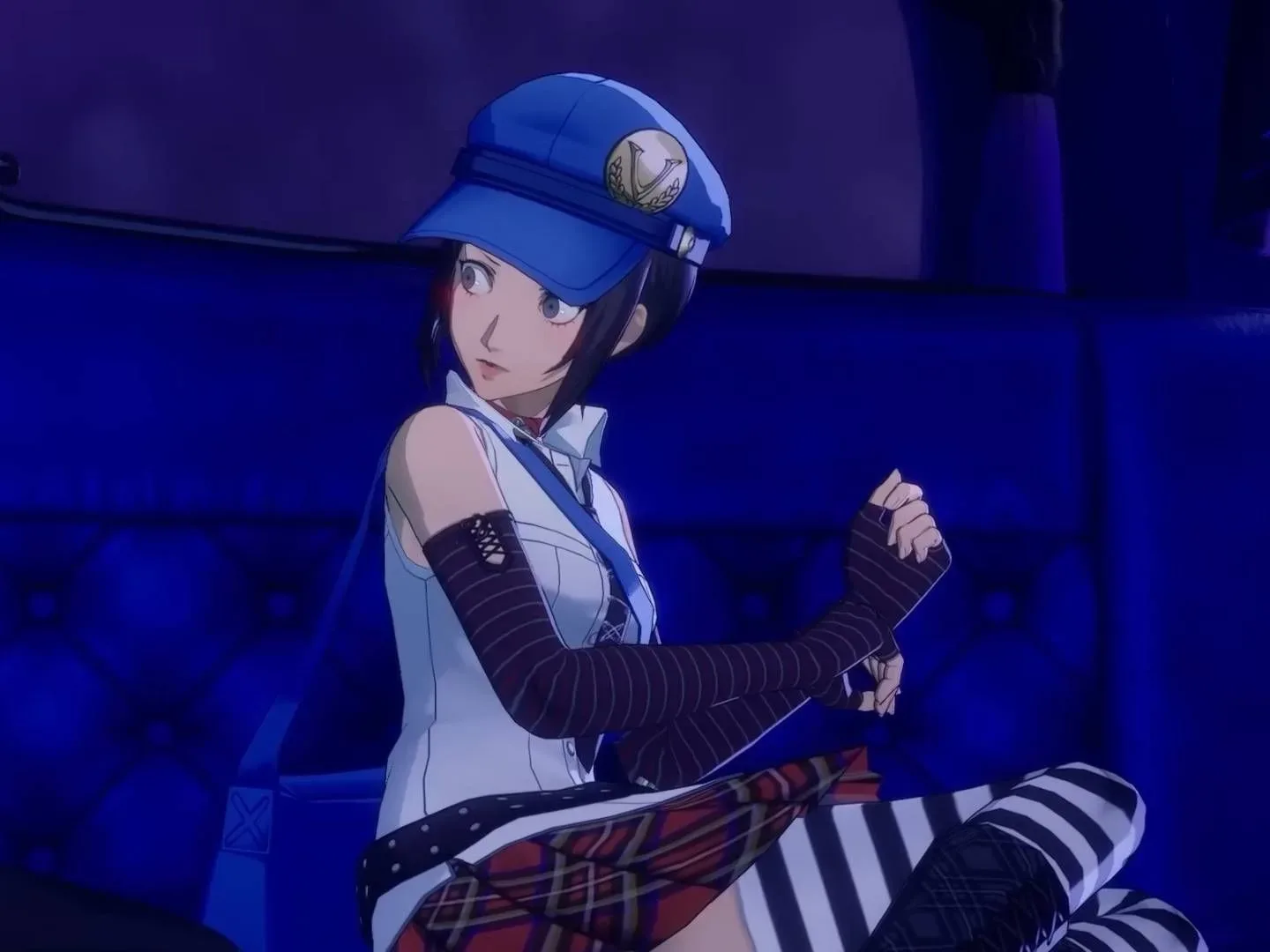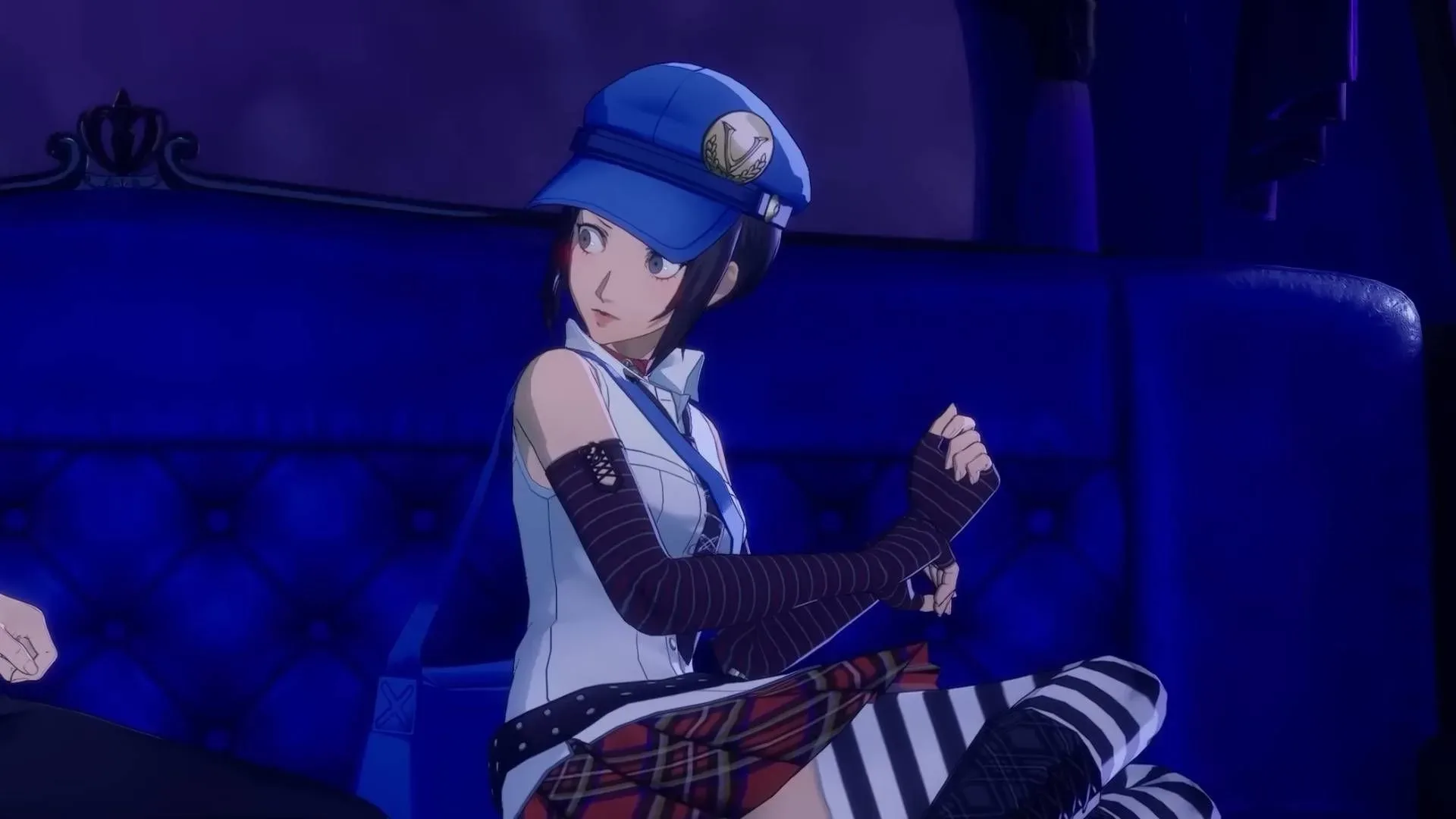
Persona 4 Revival is approaching one of Persona 4 Golden’s most debated additions with a different narrative strategy. Marie, the Velvet Room-connected character added for Golden’s PS Vita expansion, is intended to belong to the remake’s story from its opening moments rather than arrive with the unmistakable sense that a new character has been inserted into an established adventure.
Series producer Kazuhisa Wada discussed the remake’s approach at Gamescom 2026, explaining that the original challenge with Golden was making Marie’s significance clear after the fact. Revival has a different starting point: the development team considers her central enough to the wider narrative that she should be present from the beginning. The stated goal is a smoother, more organic entrance for a character whose role has long generated as much discussion as her cryptic poetry.
That is a meaningful distinction for a remake that otherwise appears to be aiming for a largely faithful recreation of Persona 4. It does not necessarily establish the full scale of Marie’s revised material, nor does it confirm every scene fans have speculated about. But it does indicate that the team sees narrative integration—not merely visual modernization or content preservation—as an important reason to revisit this version of the story.
Why Marie’s Golden-era role divided players
Persona 4 Golden expanded the original Persona 4 with extra social content, events, story material, and Marie. As a resident of the Velvet Room orbit, she is closely tied to the game’s mythology. Yet the fact that she did not exist in the base release made her placement unusually conspicuous to many returning players. Her introduction had to announce her importance quickly, because the game needed players to recognize that this unfamiliar figure mattered.
That design objective was understandable, but it created friction. Marie could feel detached from the everyday rhythm of Inaba and the central investigation, particularly beside a cast whose friendships develop over long stretches of school life, errands, battles, and increasingly bizarre television-world emergencies. She is intentionally guarded, and her personality can be abrasive. Neither trait is inherently a flaw, but they can make a late or highly signposted arrival harder to embrace.
Golden also tied progress with Marie to material later in the game. Players who did not understand the importance of her Social Link could miss portions of the expanded experience. That has been a recurring point of criticism because the game did not make the requirement especially transparent. A character can be optional in an RPG without becoming invisible, but an optional relationship that carries major narrative consequences needs especially thoughtful guidance.
Revival’s plan appears designed to address the earlier structural problem at its root. If Marie is established naturally alongside the game’s other important relationships, her presence has more time to breathe. Her mystery can emerge as part of the story’s texture rather than resembling a conspicuous marker planted to direct players toward added content.
A remake can preserve the plot while improving the seams
The phrase “faithful remake” often inspires a peculiar kind of anxiety. Some players want every memory preserved exactly, including the awkward bits. Others hope a new edition will repair the structural rough edges that became more visible over time. Persona 4 Revival seems to be navigating that divide by retaining the core while allowing selective changes where a modern production can provide a clearer, more coherent presentation.
Related coverage includes Persona 4 Revival Aims to Give Marie a More Natural Role From the Start.
Marie is a strong test case for that philosophy. Her presence has ramifications beyond a single optional hangout route. She touches the game’s themes, its late-game developments, and the way the Velvet Room’s inhabitants frame the protagonist’s journey. Folding her into the narrative earlier gives the remake an opportunity to make those connections feel earned across the full arc.
Fans have previously spotted footage or imagery that appeared to include new Marie scenes, which naturally encouraged theories that her role may be broader in Revival. Those observations are suggestive, not a full accounting of the remake’s story changes. The firm takeaway is narrower: the developers have said that a natural flow for Marie is a priority, and early placement is part of achieving it.
That may be the most sensible route for an expanded version of a beloved RPG. A remake does not have to pretend later additions never happened, and it does not have to leave them stranded in the exact form they first appeared. It can use the benefit of hindsight. In Marie’s case, hindsight means acknowledging that “important” and “obviously important” are not the same thing.
Other changes already point to a careful update
Marie is not the only area where Persona 4 Revival is taking liberties. The English voice cast has been fully recast. The reason given was practical: the team had difficulty bringing everyone from the original English cast back for recording. Recasting a game with such familiar performances will inevitably be a sensitive subject, especially for players who have returned to Persona 4 across several releases and adaptations. Still, it is a concrete sign that Revival is not attempting to be a museum-piece reproduction.
Some dialogue is also being revised to sound more modern. That can be a delicate task in a game remembered for a specific early-2010s tone. Updating wording can help a new script read more smoothly to contemporary players, but it can also alter the flavor of familiar scenes. The success of that effort will depend on restraint: preserving character voices and the story’s identity matters more than sanding every line into generic current-day language.
In that respect, the Marie changes and dialogue revisions are related. Both concern how the game communicates with a new audience while respecting people who already know every rainy-day conversation and every suspiciously cheerful shopping district encounter. The point is not simply that a remake looks newer; it is that it can communicate character importance, relationships, and themes with greater clarity.
Persona remakes have an unusual burden because the social simulation portions are inseparable from the dungeon-crawling framework. Small adjustments to when someone appears, what a player is told, or how a relationship advances can change the emotional pacing of dozens of hours. Marie’s revised entrance therefore has the potential to affect more than her own scenes. It could make the wider story feel more unified.
What remains unclear about Persona 4 Revival
There are still major questions surrounding the remake. The comments establish an intention to introduce Marie from the outset and integrate her more fluidly than Golden did, but they do not lay out how her Social Link, late-game requirements, or additional scenarios will work. It remains unclear whether the game will make progression expectations more explicit, whether all Golden material returns in identical form, or how extensive any newly added scenes may be.
No platform details are established here for Persona 4 Revival. The conversation around Golden matters because that expanded edition originally arrived on PS Vita, but Revival should not be treated as confirmed for any particular system without an official platform announcement. Similarly, there is no release date in the information currently available.
For players revisiting Persona 4’s world, the essential promise is not that Marie will be transformed into a different person. Her withdrawn demeanor, odd poems, and ties to the story are part of who she is. Rather, Revival is aiming to make the game feel as though it had always made room for her. That is a subtler ambition than simply adding more scenes, and potentially a more valuable one.
It also fits the broader discussion around games that return after years away. Preservation is important, but so is recognizing where an old expansion was limited by the realities of retrofitting new content into a finished structure. For another look at preserving and maintaining older game experiences, see our guide to choosing between RetroArch and standalone emulators.
Persona 4 Revival now has a clear creative target for Marie: less of a late-added signal flare, more of a person who has always had a place in Inaba’s strange, rainy tale. Whether that change resolves every concern will depend on the finished game, but the direction directly addresses one of Golden’s most persistent narrative complaints.