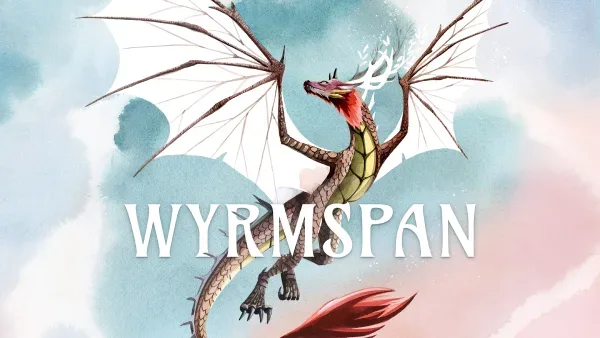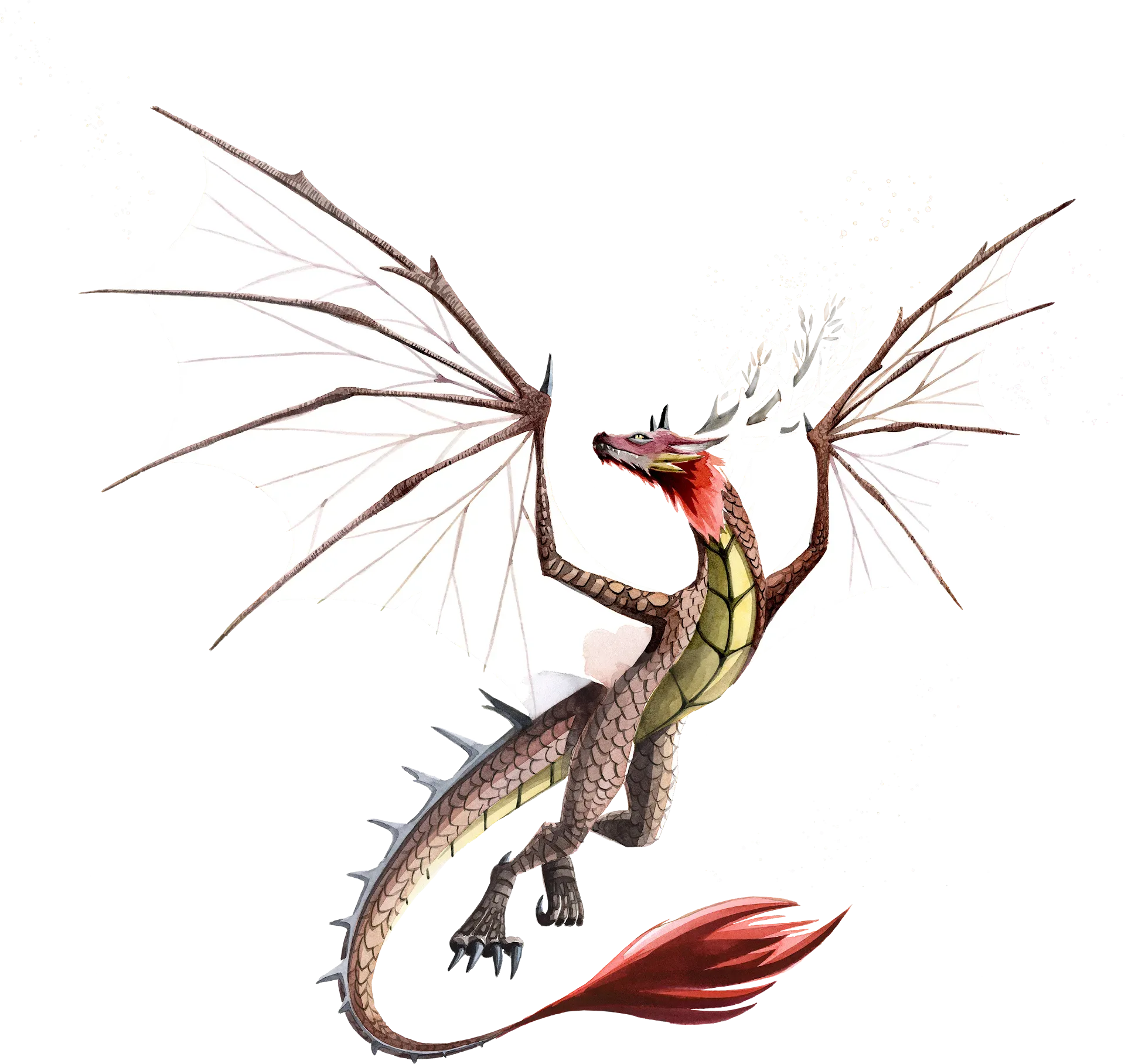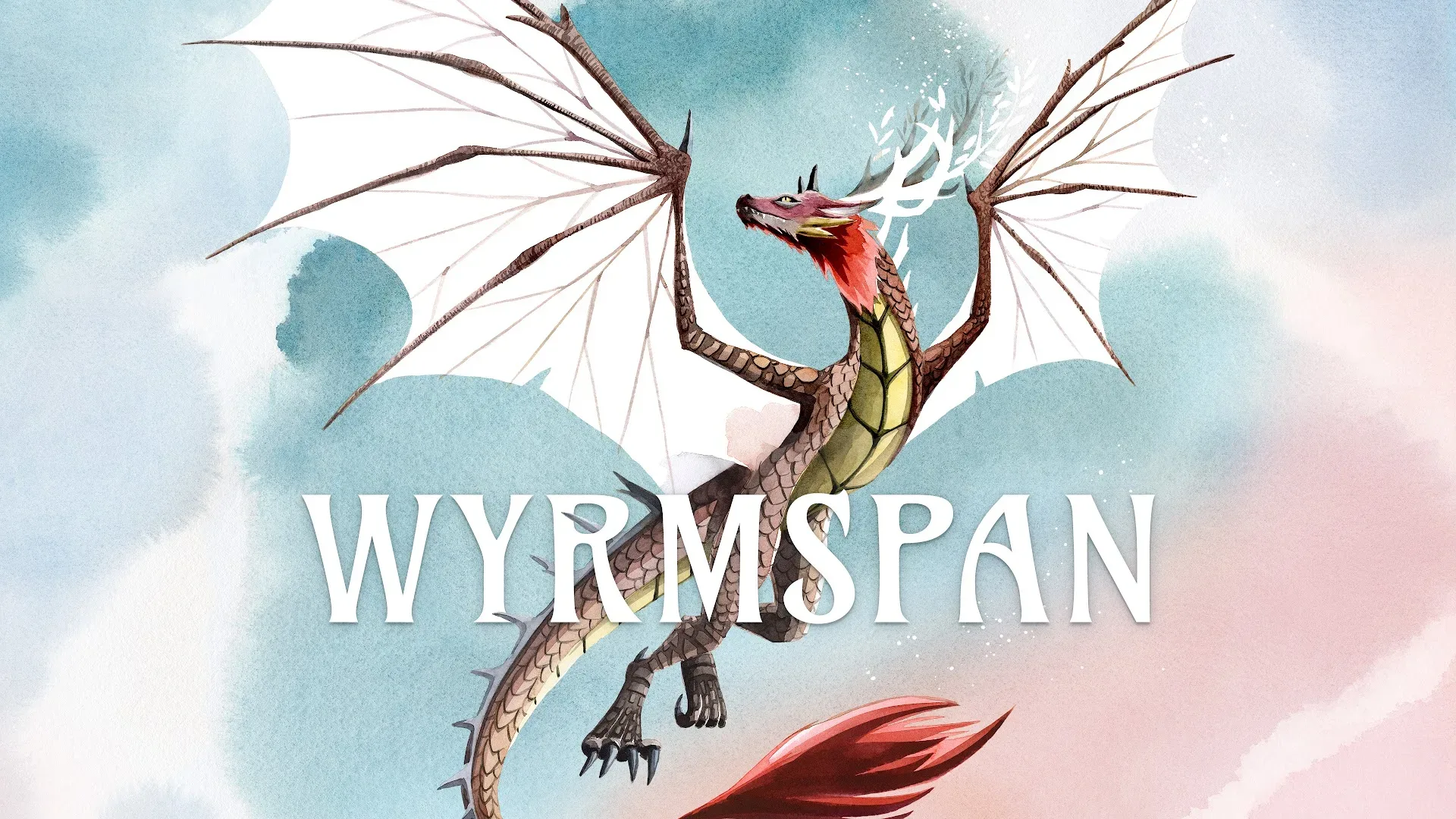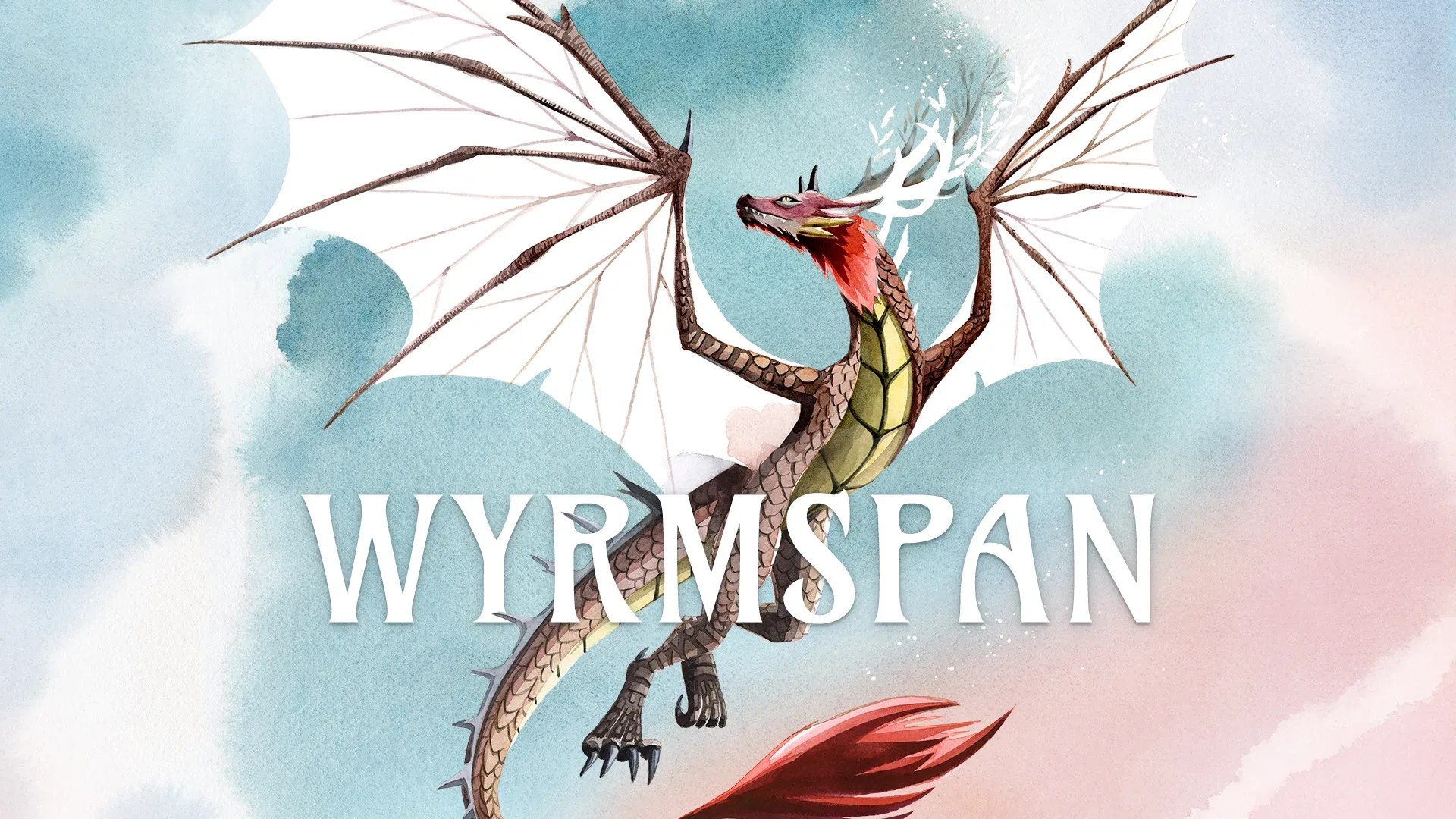

Dragon researchers, cave architects and people who enjoy turning a tidy plan into an elaborate card-powered engine will soon have a short window to examine Wyrmspan on PC. Monster Couch’s digital adaptation will receive its first public Steam playtest from December 10 to December 14, 2026. Participation requires players to register through the official form, while the game itself is listed as coming soon to PC.
The test is notable for more than simply putting a new digital board-game adaptation in front of players. Its available modes cover the major ways people may want to approach a strategy game: solo play against the Automa, matches with bot opponents, local multiplayer, and online matchmaking. That makes the limited playtest an opportunity to explore Wyrmspan’s systems alone, around one screen with other players, or through internet-based pairing.
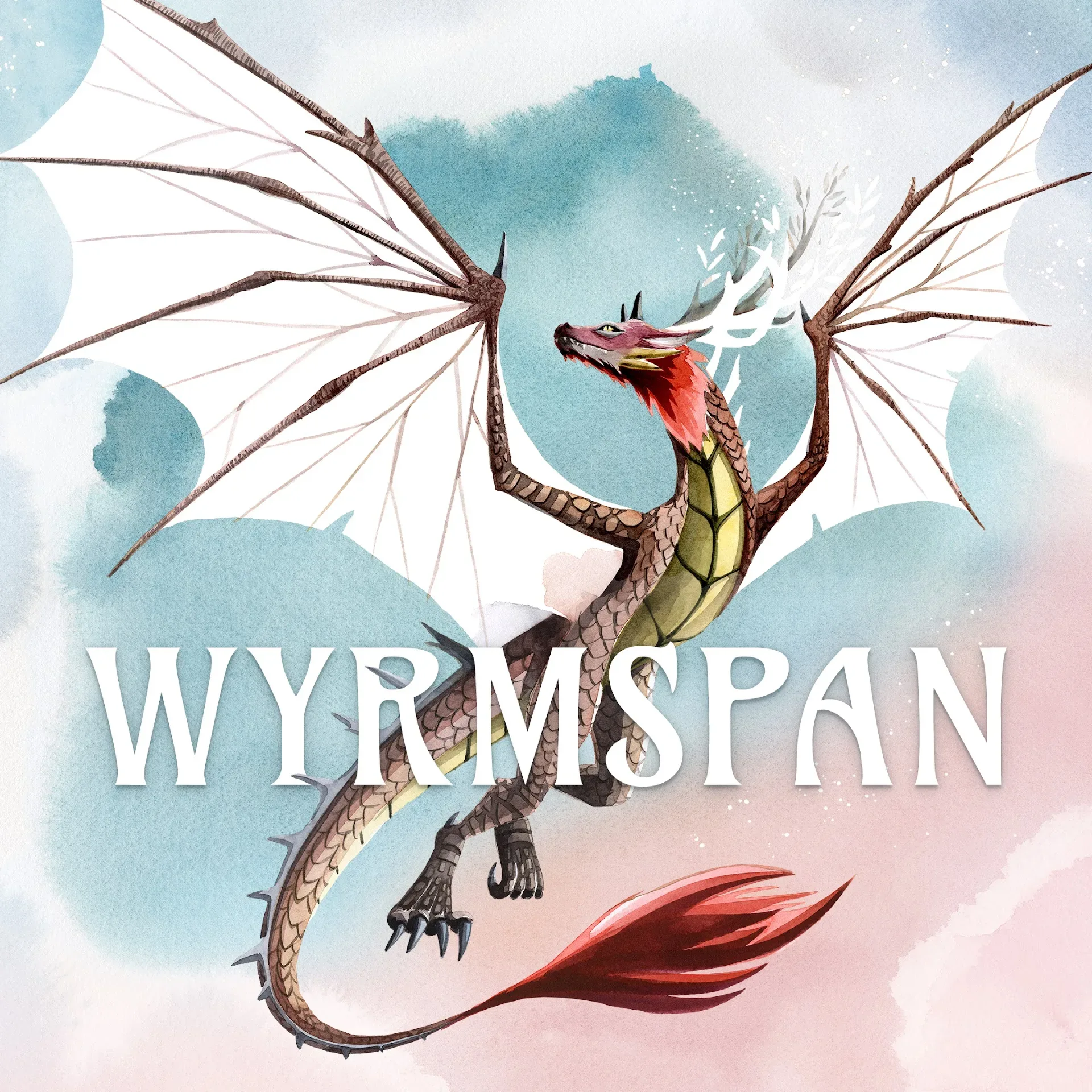
Monster Couch previously brought Stonemaier Games’ Wingspan to PC in 2020. Wyrmspan is also based on a Stonemaier Games title and belongs to the Span series, but shifts the setting from birds and habitats to dragons and an underground sanctuary. The premise casts players as novice dragon researchers called Dracologists, working within a hidden network of caves.
When the Wyrmspan playtest begins and ends
The Steam playtest opens on December 10 at the following times:
- 1:30 a.m. PST
- 4:30 a.m. EST
- 9:30 a.m. GMT
- 10:30 a.m. CET
It concludes on December 14 at:
- 2:00 p.m. PST
- 5:00 p.m. EST
- 10:00 p.m. GMT
- 11:00 p.m. CET
In practical terms, this is a defined, four-day test rather than a release-date confirmation. Interested players should not mistake access to the playtest for a full PC launch, as the available information still describes Wyrmspan as coming soon. The registration process is therefore the important first step for anyone who wants a chance to take part.
A cave-building strategy game with more than 180 dragons
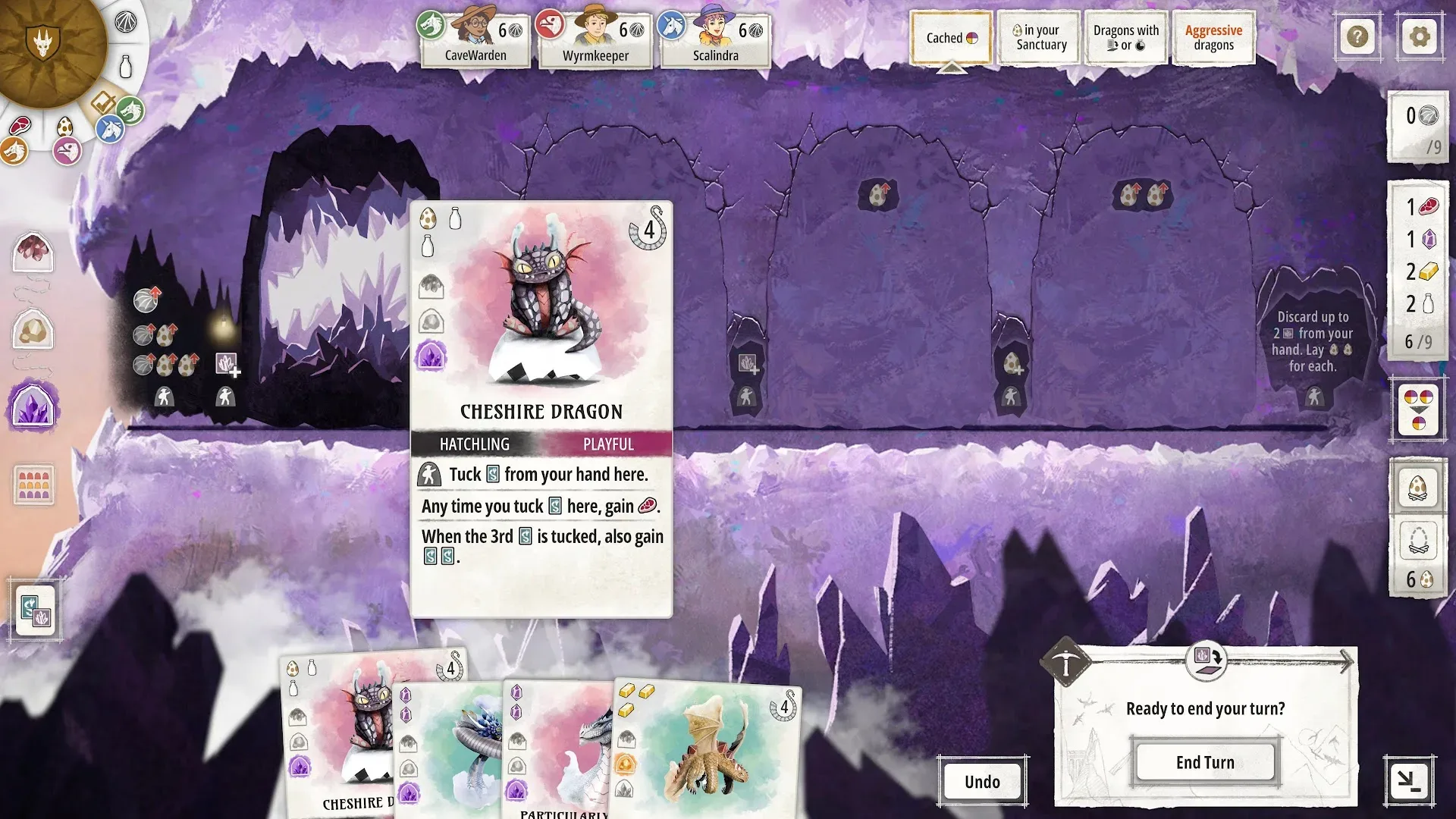
Wyrmspan is a card-driven strategy game centered on developing a sanctuary in subterranean spaces. Players use cave cards to excavate farther into areas including the Crimson Cavern, Golden Grotto and Amethyst Abyss. That excavation provides the physical framework for the sanctuary, while dragons become the inhabitants and operational heart of the player’s growing cave network.
More than 180 dragon types are part of the game’s stated roster. These range from hatchlings that offer rewards to adult dragons with powerful, individual abilities. The distinction matters because it signals that the dragon cards are not merely decorative collectibles. Their abilities affect the decisions a player makes as their sanctuary grows.
“Card-driven strategy” is a useful phrase here, but it can mean different things across games. In Wyrmspan’s case, the described structure points to cards being used for both construction and dragon-related decisions. Cave cards support excavation and expansion, while dragons bring abilities and rewards into the system. The challenge is not just acquiring appealing cards; it is determining when a cave extension, a new dragon, a resource adjustment or progress on another objective best serves the current turn.
Excavate, entice, explore and pursue the Guild board
The game’s systems are organized around four connected activities: excavation, enticing dragons, exploration and shaping an overall strategy.
Excavate: create room before filling it
Excavation is the sanctuary-building layer. Playing cave cards and digging deeper into a cavern expands the places a player can develop. As a strategic concept, this makes space an active consideration rather than a background illustration. A player planning to bring in particular dragons may need to first create the right foundation through cave development.
The three named locations give the underground setting a clearer identity, but their key role in the available description is mechanical: they are locations in which a sanctuary is built. Players should expect decisions about when it is worthwhile to extend a cave system versus using a turn on another route to rewards.
Entice dragons: turn the sanctuary into an engine
Enticing dragons brings the game’s large roster into play. Hatchlings can provide rewards, while adult dragons can supply stronger unique abilities. In engine-building games, an “engine” is the set of effects a player assembles so that later actions become more productive, efficient or valuable. Wyrmspan’s dragon abilities appear to be the central pieces of that engine.
That does not necessarily mean the best plan is always to chase the biggest-looking adult dragon. The stated gameplay loop also includes resource management, excavation and Dragon Guild progress. A useful ability is valuable only if a player can establish it at the appropriate time and make use of the advantages it provides. The most effective turn may instead be one that prepares a later dragon play or gives the player the resources needed to pursue a different objective.
Explore: chain abilities into larger rewards
Exploration sends players deeper into their caves and can chain dragon abilities together for increased rewards. A combo, in this context, is a sequence in which one effect leads into or improves another. The excitement of a combo system is that a decision made earlier—such as which dragon to bring into a sanctuary—can gain additional value once the player explores and activates linked effects.
That creates an important tension in turn planning. A dragon may be attractive for an immediate reward, but it may be more significant because of how it fits into a future exploration sequence. Conversely, players may need to consider whether an immediate exploration is worth taking before the sanctuary has enough connected abilities to make that action especially profitable.
The public test’s solo and bot modes could be particularly useful for players who want to understand those sequences at their own pace. Local and online multiplayer then offer ways to see how the same decisions change when other players are developing their own dragon sanctuaries alongside them. The provided details do not specify scoring rules or multiplayer turn structure, so those particulars remain for the playtest and later release to clarify.
Find a strategy: resources, dragons or Dragon Guild progress
Wyrmspan explicitly presents multiple strategic directions each turn: entice dragons, manage resources, or move forward on the Dragon Guild board. This is significant because it frames the game as a set of competing priorities rather than a fixed recipe. A turn spent growing the sanctuary is a turn not spent directly advancing another path, and the value of each option can shift as a player’s cards and resources change.
The Dragon Guild board is one of the game’s named progression systems. While the available details do not explain its specific rewards, its inclusion alongside dragons and resources establishes it as a meaningful avenue for advancement. Players evaluating the playtest can watch for how often the board asks them to reconsider their immediate plans, and whether it helps distinguish one strategic approach from another.
What the available modes mean for the first public test
The mode list is broad for a first public opportunity. Solo play against the Automa refers to play against an automated opponent. An Automa is a system designed to provide opposition without another human at the table, allowing a player to engage with competitive pressure in a solo session. Separate bot-opponent matches add another computer-controlled option.
Local multiplayer supports sessions with people in the same place, whereas online matchmaking is intended to pair players over the internet. Having both matters because they answer different practical needs: local play fits a shared-device or in-person setting, while matchmaking is the route for finding opponents remotely. The supplied information does not detail lobby tools, cross-platform plans, rankings or the exact matchmaking format, so expectations should remain limited to the modes confirmed for the playtest.
For players interested in the growing line of PC strategy games built around tabletop-style decision making, Wyrmspan’s test arrives as another chance to see how a physical-game design translates to a screen. For a separate recent PC strategy release focused on risk and board choices, see Dice Have No Eyes reaching 1.0.
What remains unconfirmed
The announced playtest establishes dates, platform, participation registration and supported modes, but it does not provide a PC release date. It also does not state a price, a full feature list beyond the test modes, or whether playtest progress will carry into the eventual release. Those are meaningful details for prospective players, but they should not be assumed from a limited public test.
What is clear is the underlying promise: construct cave space, populate it with a broad selection of dragons, leverage their abilities through exploration, and choose among several routes for development. For fans of the Span series, Monster Couch’s history with the 2020 PC adaptation of Wingspan supplies useful context. For newcomers, the upcoming test is positioned as a direct way to learn whether Wyrmspan’s dragon-focused, card-driven sanctuary building suits their preferred style of strategy play.