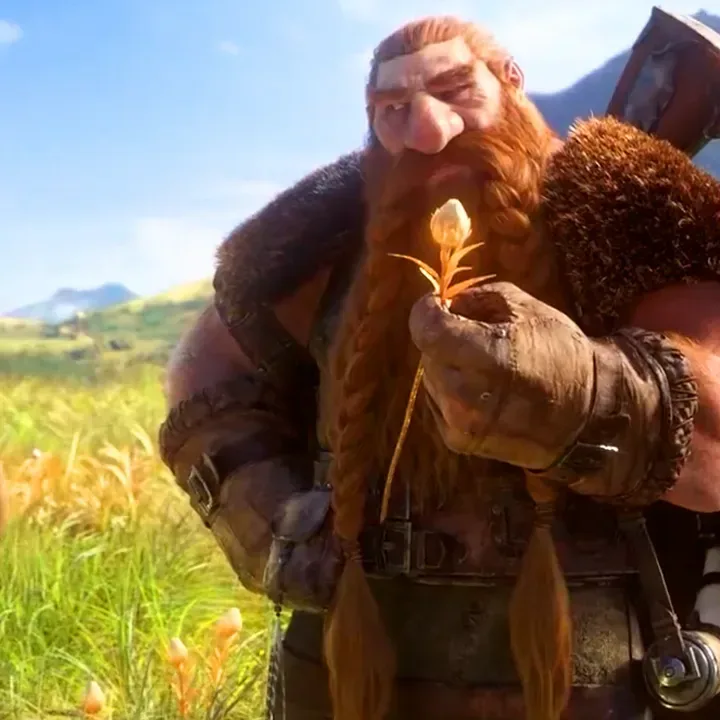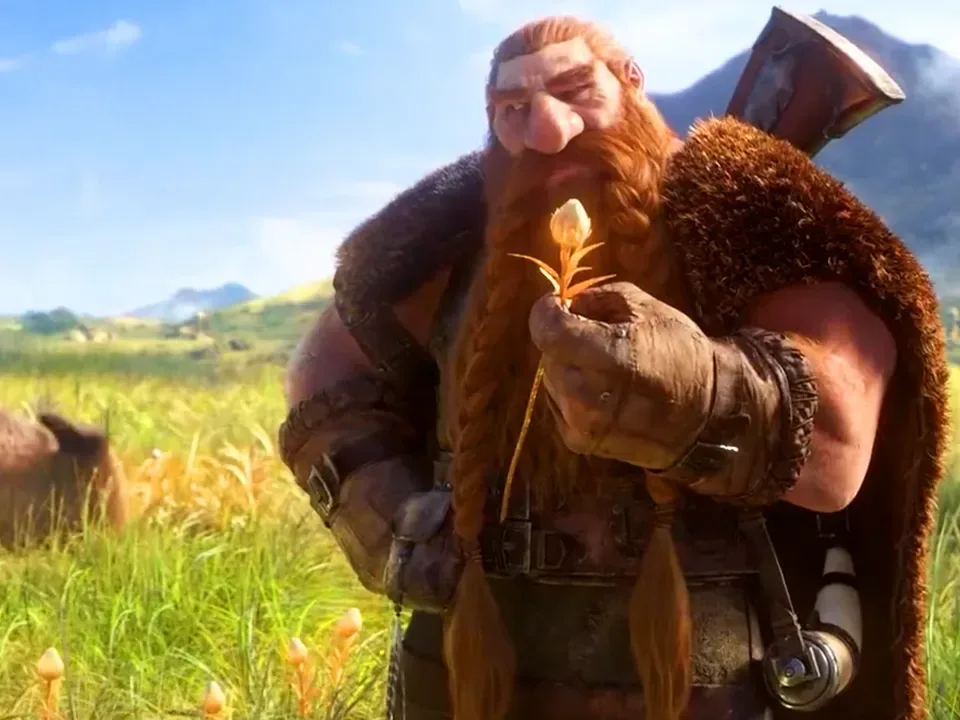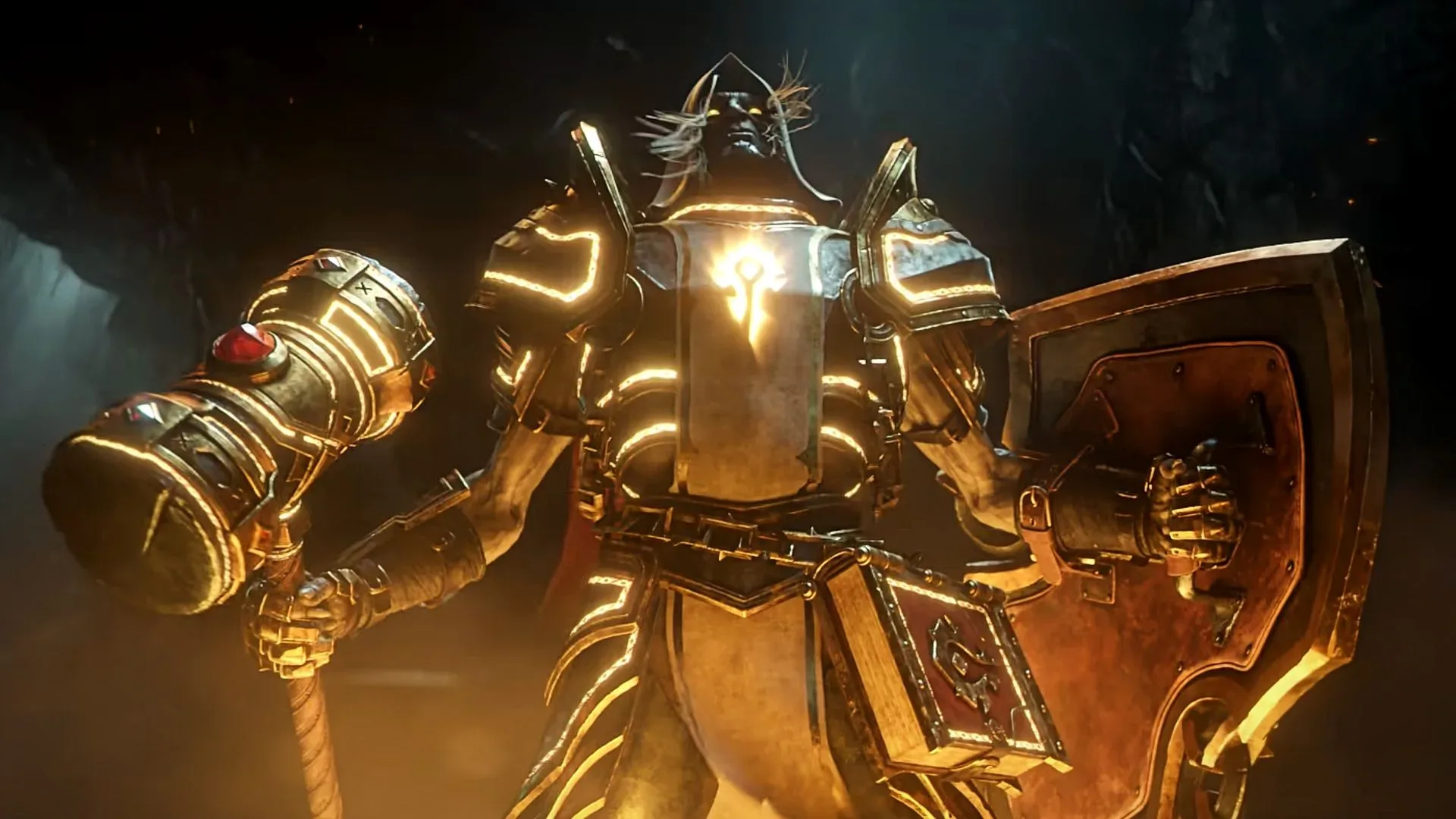
World of Warcraft Forever’s beta has passed 1 million characters created, an early milestone that signals substantial interest ahead of the full launch on November 4. A community tracker’s current snapshot lists 1,003,125 characters made in the game’s Classic Plus mode.
That is an eye-catching number for a beta that remains gated behind limited access, offers only part of the game world and currently caps progression at level 30. It also comes with a major caveat for anyone tempted to treat the headline as a population census: characters are not players. One person can make several characters, whether to try different classes, factions and races or simply reserve names. The figure is best read as evidence of vigorous beta activity and character-creation interest, not a verified count of unique accounts.
Still, the circumstances make the result meaningful. Beta characters will be wiped when the full game arrives, so participants know their items, levels and in-game progress will not carry into launch. Spending time in a temporary version of an MMO is a particularly strong expression of curiosity: players are testing systems, sampling the revised classic experience and, in many cases, building the kind of social momentum that can matter enormously once persistent servers open.
A large number with important limits
The 1,003,125 total comes from a community site that snapshots Forever data. That creates two useful boundaries around the statistic. First, it is an external tracking figure rather than a stated count of distinct players. Second, a snapshot records the state it can observe; it should not be treated as a complete breakdown of engagement, subscriptions, daily activity or retention.
Those distinctions do not invalidate the number. They explain what it can and cannot tell us.
- It does indicate: more than a million character-creation events recorded for the Classic Plus beta so far.
- It does not establish: that more than a million people are playing, how many characters each person made, or how many participants will return for launch.
- It also cannot answer: how long players are logged in, which content they are completing, or whether the population is concentrated in a small number of servers, classes or regions.
For an MMO, those unanswered questions are not trivial. Character creation is the front door, while long-term success depends on people continuing to play after the novelty of the first few sessions has passed. Yet the beta’s restrictions make the current participation especially notable. Players are confined to limited content, and the level-30 cap means the test cannot yet present the full progression journey.
There is also an access consideration. Entry to the beta is primarily tied to purchasing the $30 Skyborne pack. That means the current audience has had a higher barrier than a fully open test, making the character total a measure of activity within a more restricted pool rather than the widest possible audience. It is not a substitute for launch-day demand, but it does show that a sizable group has chosen to participate before the game’s permanent version is available.
Humans and Undead lead their respective factions
The early race split offers another clue about how players are approaching Forever. The Skyborne—blue elves associated with the beta-access pack—account for 18.7% of characters across both factions. That is a sizeable share, but it does not put them on top.
Related coverage includes WoW Forever Beta Passes 1 Million Characters Created Ahead of Launch.
On the Alliance side, Humans lead at 32.3% of created characters. Horde players, meanwhile, have favored Undead, which make up 33.5% of that faction’s character population.
Those results are a reminder that access incentives do not automatically determine player preference. The Skyborne are highly visible because of the pack connection, but an MMO character is also an identity choice. Players may gravitate toward familiar fantasy archetypes, recognizable faction themes or races they already associate with a preferred class and playstyle. The available data identifies the outcome, not the motivation, so claims about why Humans and Undead lead should remain interpretation rather than fact.
What can be said is that the early population is not uniformly clustering around the new or access-linked race. That is useful for the game’s social texture. A launch community where players choose a spread of identities can feel less like a single promotional funnel and more like a player-driven world—even before the full level range and all regions are available.
Why temporary progress is still attracting players
A character wipe is a reset performed when a test ends or moves into a new phase. Levels, inventory, currency and other beta-earned progress disappear, clearing the slate for the live game. Wipes can be frustrating for players who want to preserve every hour invested, but they are standardly useful in testing because they prevent test progress from creating advantages in the released environment.
Forever’s upcoming wipe makes its million-character mark more than a basic curiosity. People are creating avatars despite knowing that this particular avatar’s progress is impermanent. Some will be testing a prospective main character; others may be exploring the early-game balance, discovering which race feels right, coordinating with friends or revisiting the rhythms of a classic-style MMO without waiting for November 4.
The level cap reinforces that point. A cap of 30 does not merely limit how strong a character can become; it limits the range of zones, quests and advancement systems a player can meaningfully experience during the beta. The current count therefore represents enthusiasm for a partial build rather than a complete game. It is encouraging for the developer, but it should not be inflated into a guarantee of launch-scale success.
That caution matters because Forever is arriving in a crowded period. Grand Theft Auto 6 is set to launch two weeks after Forever. The two games serve very different forms of play—one is an online fantasy role-playing experience built around ongoing characters and communities, while the other is an enormous event release—but attention, time and spending are finite. The overlap between their audiences may be uncertain, yet the calendar will still test how much room players have for a fresh MMO commitment.
For a broader look at what is joining the PC conversation, see these newly revealed PC games to watch.
Momentum has arrived alongside moderation disputes
The beta’s reception has not been uncomplicated. Developers had already described the initial response in unusually emphatic terms, but Forever has also seen debate around enforcement. Blizzard has taken action against player names, with some players arguing that they were treated unfairly. The company has also been cracking down on gold selling, and that enforcement has caught streamers in the fallout.
Gold selling refers to exchanging real money for in-game currency. In an MMO economy, the practice can affect progression and the perceived value of time spent earning currency through play. Enforcement against it is consequential because it can touch trading, guild activity and visible community personalities, while disagreements over name moderation can quickly become a wider argument about consistency and transparency.
The information available here does not establish the details or merits of individual enforcement cases. What it does show is that the beta is already wrestling with the unglamorous but essential work of running a large online community. High character numbers are desirable, but they also mean more names to review, more economic activity to police and more player expectations to manage before launch.
There is a lighter note in the current build as well. Forever has included “Kyle’s Gone Missing,” a quest remembered fondly by players despite originally arriving in Burning Crusade rather than the earlier content era Forever evokes. Its inclusion suggests that the project’s version of Classic Plus is not simply a rigid historical recreation. The label implies an approach that begins from classic foundations while allowing selected additions or revisions. Exactly how far that philosophy reaches will matter far more than any single quest, but small choices like this can help explain the interest around the beta.
What to watch between now and November 4
The character milestone gives Forever a positive pre-launch headline. The next phase is whether that attention converts into a healthy, sustained live population after the wipe and after the level cap no longer defines the experience.
Several signals will be more revealing than the raw total alone:
- Whether beta interest returns at launch. A wiped test can generate experimentation; the permanent game needs players to make lasting commitments.
- How well the limited beta prepares the live experience. Testing can expose issues before a wider audience arrives, but the available evidence does not tell us what changes will follow.
- How enforcement is communicated. Naming and gold-selling policies are part of the game’s social contract, particularly when the community is scaling quickly.
- Whether Classic Plus additions land with players. “Kyle’s Gone Missing” is a small, well-liked example, but players will ultimately judge the overall balance between familiar Warcraft and new material.
For now, the strongest conclusion is restrained but clear: World of Warcraft Forever has attracted intense pre-release participation under conditions that make casual engagement less likely. More than a million created characters is not proof of more than a million players, nor a promise of launch-day performance. It is, however, a substantial indication that many people are willing to enter a limited, temporary version of the world before its November 4 debut.