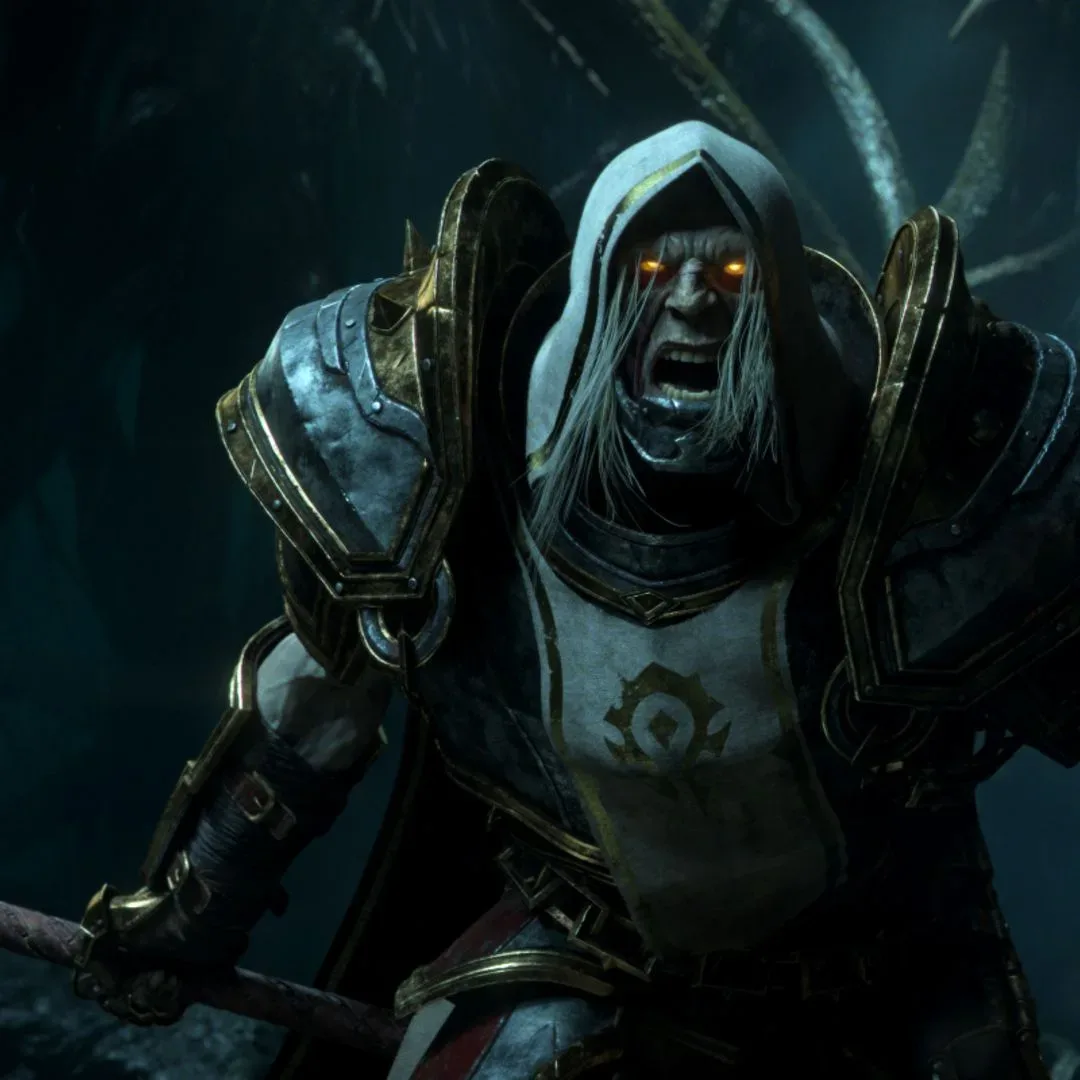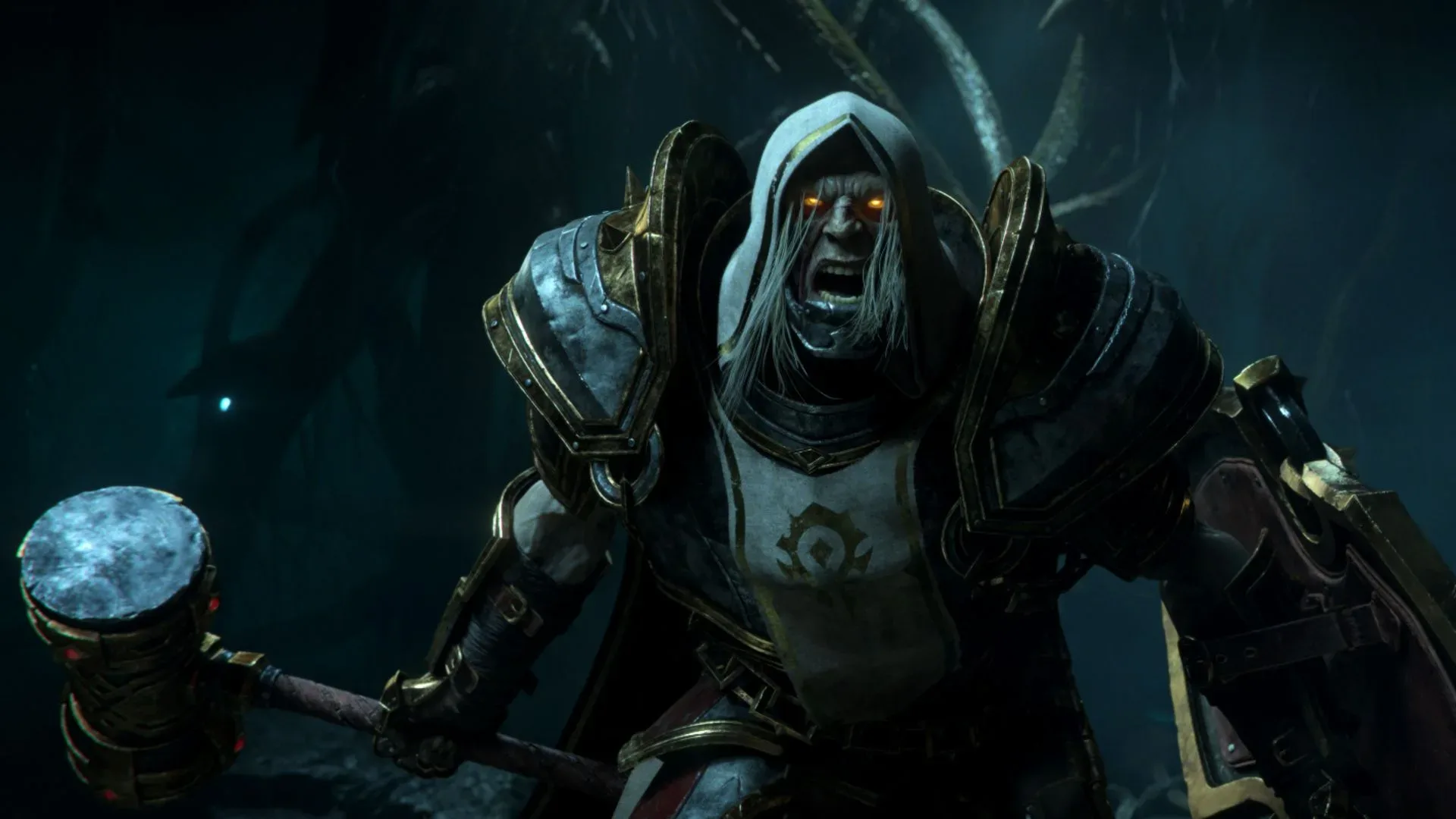
World of Warcraft: Forever will launch with restrictions on a category of add-ons that can calculate, automate or programmatically assist with actions during combat. The policy brings the upcoming throwback MMO closer to the current retail approach than to existing Classic versions, where those restrictions are not in place.
The project was revealed at BlizzCon 2026 and has been described as Blizzard’s closest official answer to the long-running desire for a “Classic+” style of World of Warcraft: a version built around the game’s older-era identity but not simply frozen in place. Its add-on policy is now one of the clearest indications that Forever will selectively adopt modern design principles rather than treat the past as a museum exhibit.
World of Warcraft: Classic designer Tim Jones and lead encounter designer Mike Nuthals have confirmed that players will not have access to what the team calls computational add-ons. The restriction specifically encompasses in-game and in-combat tools that carry out programmatic calculations to automate such tasks as raid marking or player communication.
What “computational add-ons” means here
An add-on is a player-installed interface or utility modification. Add-ons can cover a vast range of functions, from reorganizing menus and tracking inventories to presenting raid information. The confirmation for Forever does not describe a universal add-on ban. Instead, it draws attention to tools that provide real-time combat assistance by performing calculations or automating coordination-related actions.
That distinction matters. A quality-of-life modification, in broad terms, makes information or menus easier to use without making decisions or taking actions for the player. A computational combat tool, by contrast, can reduce the manual workload of interpreting a fight and organizing a group while the encounter is underway. The announced Forever restriction is aimed at the latter category.
The examples offered by the developers are revealing: automated marking and communication. Raid markers are visual labels that help a group identify a target, position or priority. Communications can include messages that tell players what to do or when to do it. In a multiplayer encounter, both are normally part of the group’s shared coordination. A tool that calculates the moment to issue those instructions, or handles the process automatically, can shift some of that responsibility away from the players.
There is still an important limit to what has been confirmed. The available details establish that computational, in-combat assistance will be restricted. They do not provide a complete list of permitted and prohibited add-ons, nor do they settle the status of every non-combat utility. Players hoping to use interface, inventory or other quality-of-life add-ons will need more specific guidance before they can know where the final boundaries sit.
A policy already familiar to retail players
The decision follows Blizzard’s earlier move to remove combat mods from retail World of Warcraft. Blizzard’s stated rationale for that retail change was to level the playing field by reducing external help in raids and similar content. That move initially drew a negative response from part of the community, which made the question of Forever’s add-on support an immediate point of interest following its reveal.
Related coverage includes World of Warcraft: Forever Will Restrict Combat Add-Ons at Launch.
Forever’s policy is consequential precisely because it arrives in a different setting. Classic does not carry the same restriction, yet Forever will. That is a clear signal that Blizzard does not view a throwback foundation as requiring every older-system convention to remain intact. The game’s “Forever” framing may invite comparisons with Classic, but its combat-support rules are being shaped by a newer philosophy.
There is also a practical difference between launching with a restriction and removing an established capability later. A change to an existing game can disrupt habits, group procedures and personal interface setups that players have relied on for years. A new game begins with different expectations: guilds, raid leaders and add-on creators can plan around the rule from the outset. That does not mean every player will welcome the decision, but it may help explain why the early reaction appears less heated than the response to the retail move.
Why raids are central to the debate
Raid content is where the line between convenience and gameplay assistance becomes most contentious. Raids depend on groups recognizing mechanics, assigning responsibilities and reacting under pressure. Add-ons that automate parts of those processes can make coordination more consistent, but they can also make success depend on having the preferred toolset installed and properly configured.
Blizzard’s apparent goal is to put more of that coordination back in the hands of the raid group. In practice, that could mean leaders call targets and instructions more directly, while players pay closer attention to the game’s own visual and audio cues. The extent of that effect will depend on Forever’s encounter design, the exact technical restrictions and what kinds of non-computational assistance remain allowable.
It would be premature to claim the policy will make raids easier or harder. Restricting automation does not by itself establish the difficulty of an encounter. A raid can be straightforward without extensive external support, or demanding even with it. What the decision does change is the intended source of assistance: less real-time calculation and automation from add-ons, and more reliance on players and the game’s built-in presentation.
Some early community responses have treated the issue as relatively minor unless Forever’s combat becomes much more complicated than expected. That reaction rests on an assumption about the scale and challenge of the content, not on detailed encounter information. It is nevertheless useful context: the add-on question is not only about whether a tool exists, but whether players believe a given style of content requires it.
What remains unanswered for quality-of-life users
The word “add-ons” covers far more than raid assistance, which is why the detail in Blizzard’s wording is important. A player who wants a cleaner interface or a utility that does not automate combat may see the restriction very differently from a player whose raid setup has depended on calculation-driven alerts and messaging.
For now, the safest reading is narrow: computational add-ons used in-game or in combat are the confirmed target. It should not be treated as confirmation that all other add-ons will work, nor as proof that they will not. A future breakdown of supported categories, prohibited functions and enforcement details would be especially useful for guild organizers, accessibility-minded interface users and authors of utility tools.
That clarity will also affect how players prepare for launch. A group accustomed to assigning jobs through automated reminders may want to think about manual calls and clearer leadership structure. Individual players may want to separate the tools they use for combat decision-making from those that simply improve presentation or organization. Until Blizzard defines the permitted quality-of-life space, though, those preparations remain tentative rather than a checklist of required changes.
Forever’s larger design message
The add-on decision fits the broader idea of Forever as a new interpretation of a familiar MMO rather than a strict duplication of Classic. It is designed to evoke an older World of Warcraft experience while making selective choices about what should carry forward. The inclusion of the Skyborne race—an idea attributed to Blizzard veteran Chris Metzen’s view that the game should add some form of elves—already points to a project willing to introduce new material alongside nostalgia.
For players, the most useful takeaway is not that Forever is simply “Classic with fewer add-ons.” The confirmed rule concerns a specific type of combat-related automation, and its ultimate impact will be determined by details still to come: what the encounters ask of groups, which user-interface tools remain viable and how clearly the game communicates the information that some players previously obtained through modifications.
That balance between returning to an old framework and reworking its assumptions is familiar across games that revisit established ideas. For a separate example of a creative team reconsidering an earlier direction, see this look at an old idea being revisited in The Witcher’s world.
World of Warcraft: Forever is due in November. Before then, its add-on policy will be worth watching not as a blanket rejection of customization, but as an attempt to define how much moment-to-moment combat coordination should come from the players themselves.