World of Warcraft has spent years proving that its past is not a museum exhibit. Classic brought players back to an older, slower Azeroth; Hardcore made every reckless pull feel like an obituary waiting to happen; and Season of Discovery treated the familiar vanilla map as a platform for experiments. World of Warcraft: Forever appears ready to take the latter idea further, creating an alternate version of early Azeroth that preserves much of Classic’s texture while deliberately changing its routes, systems and sense of discovery.
That is a compelling premise because the appeal of Classic has never been solely about restoring an old patch. Its friction is part of the fantasy. Travel takes time. Spell casts ask for commitment. Money matters when new abilities must be purchased. A quest can point a player toward danger on the far side of a continent with comparatively little concern for convenience. Retail World of Warcraft has spent many expansions sanding down barriers in the name of momentum, accessibility and respect for players’ time. Forever looks designed for players who still want a world that occasionally wastes their time in memorable ways.
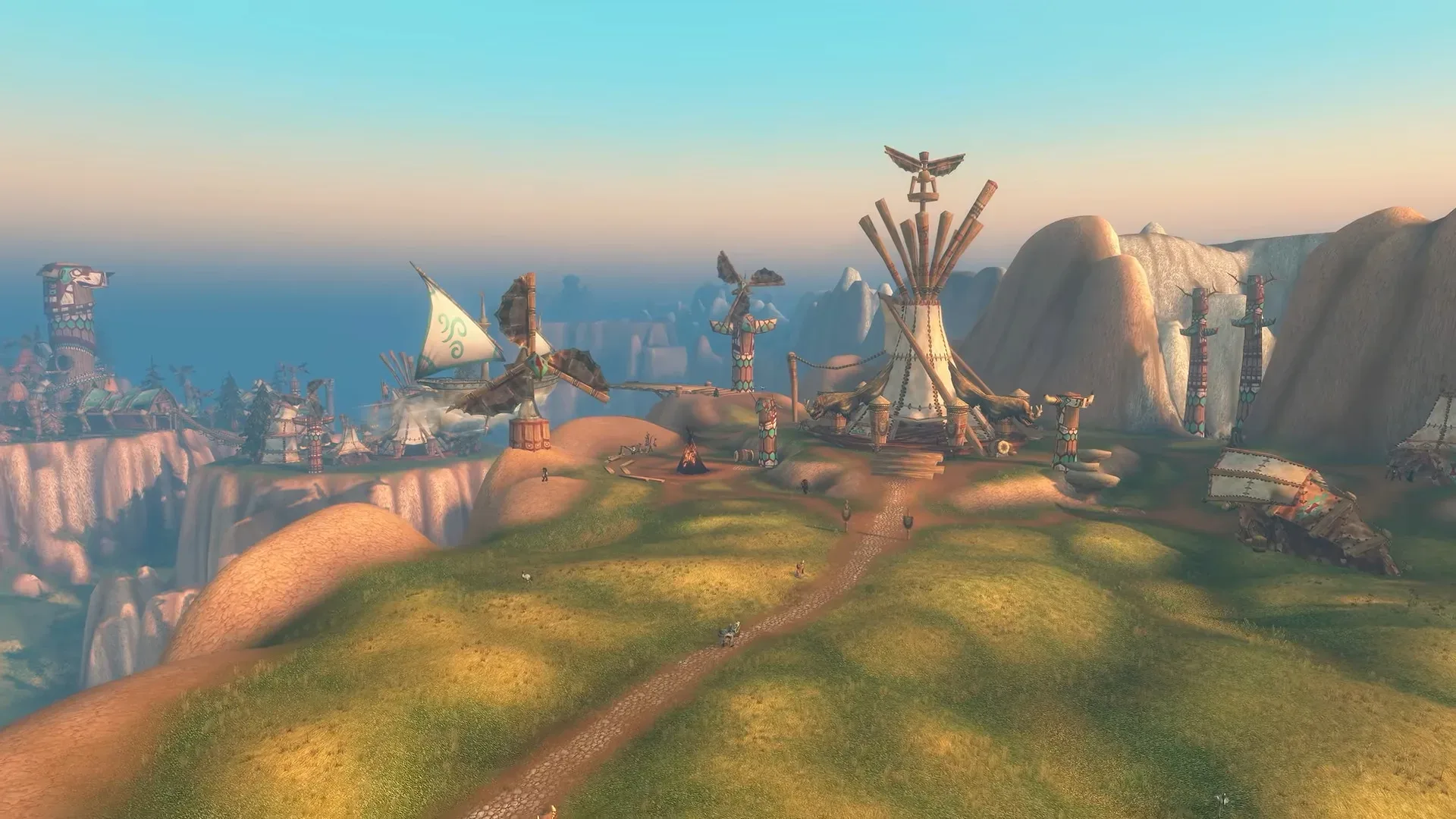
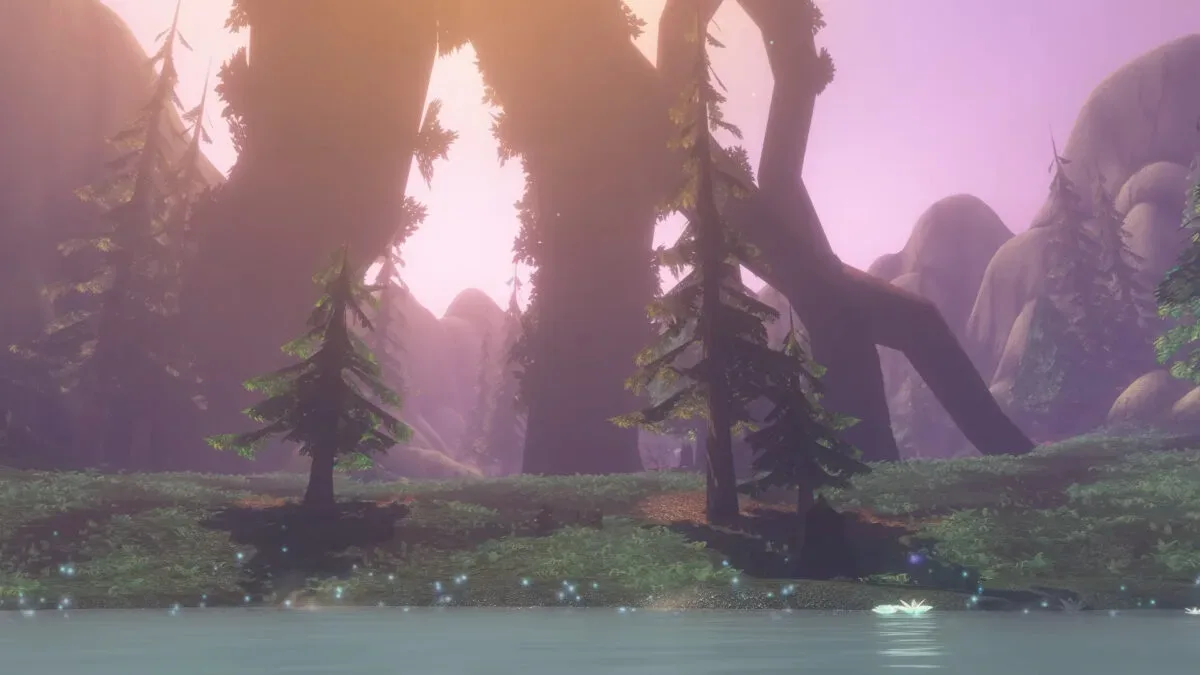
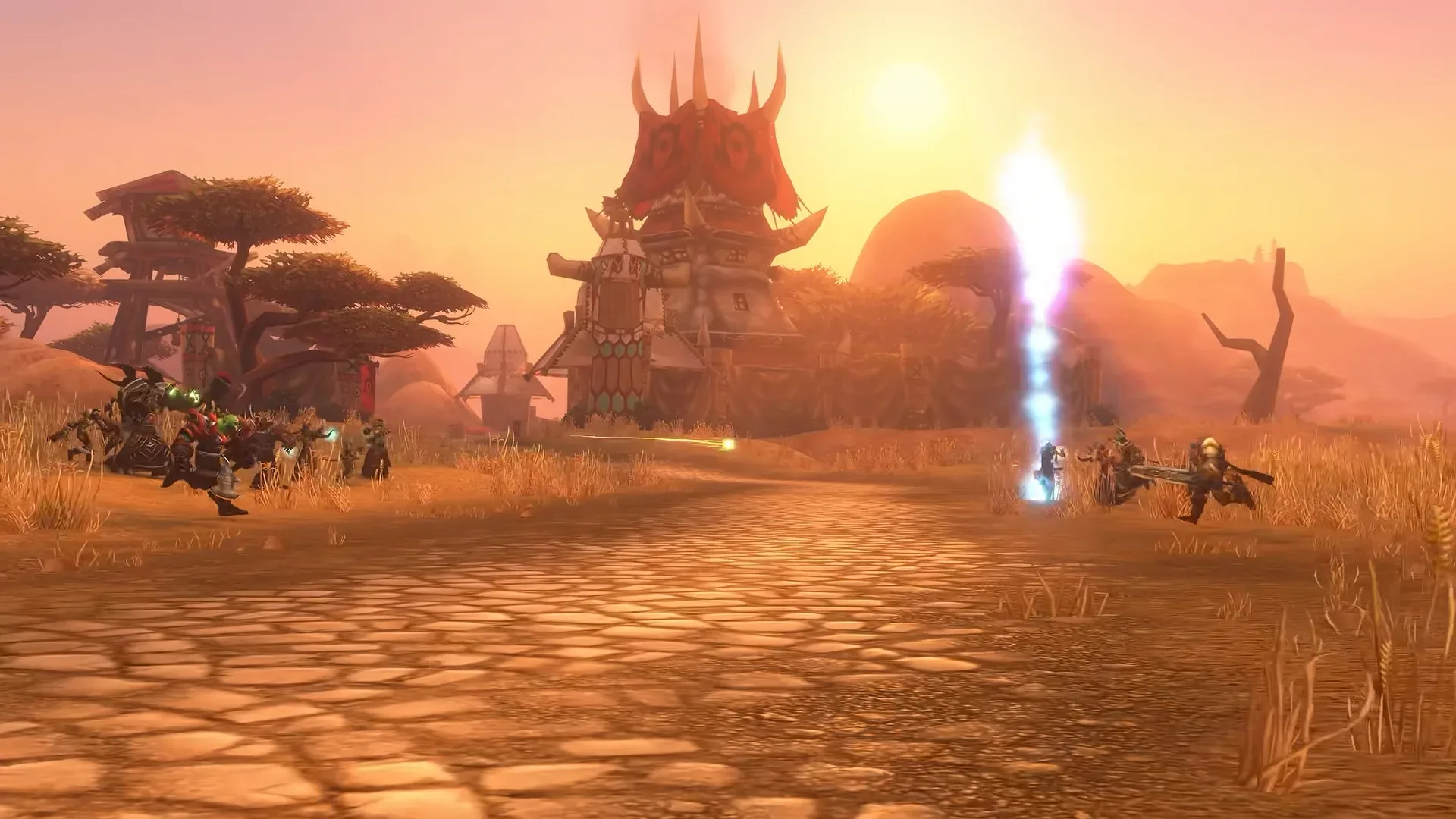
The early picture is of a game that is recognizably Classic but not beholden to exact repetition. It has the familiar muddy terrain, sparse vegetation and oversized geography of original Azeroth, yet it also uses updated lighting and water effects. That mixture could be its defining visual trick: ancient zones gain atmosphere without becoming fully modernized spaces. A dry haze over an old canyon or a more dramatic view of a distant Thunder Bluff can alter the mood of a location players know by heart, without pretending that Azeroth has suddenly been rebuilt from scratch.
An alternate-universe approach to vanilla WoW
Season of Discovery established a useful model for this kind of project. It kept the foundations of vanilla World of Warcraft intact while adding hidden runes, new class possibilities, revised encounters and eventually fresh raid content. Those runes were especially important. They enabled unconventional roles, including mage healers and shaman tanks, and encouraged players to investigate the world rather than simply follow an optimized leveling checklist.
Forever seems to inherit the broader philosophy—old Azeroth with unexpected detours—rather than every individual system. The new version reportedly integrates additional quests directly into established starting experiences. That means novelty does not always arrive with a giant exclamation point or a brand-new continent on the map. It may be a profession lesson folded into an ordinary errand, a small search connected to a well, or an objective involving carrying a flame between camps before it goes out to honor An’she, the Tauren sun deity.
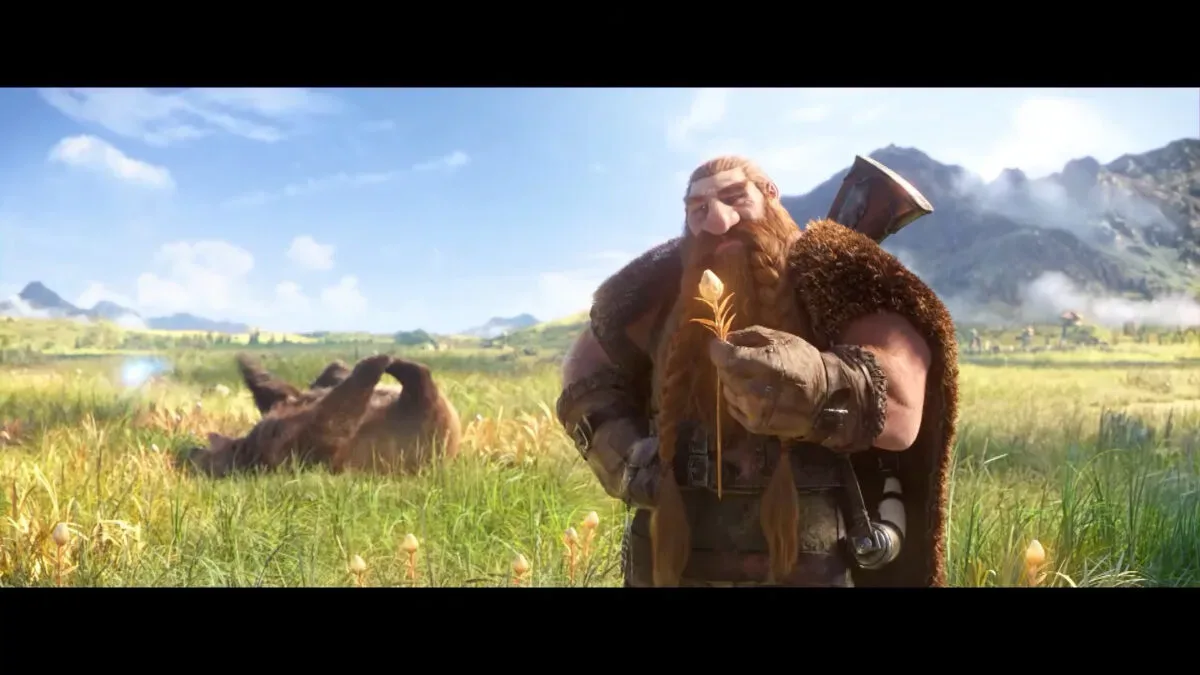
These modest deviations may be more valuable than they initially sound. Players who have repeatedly leveled through Mulgore will immediately recognize when an extra thread appears in the tapestry. Newcomers may simply experience a starting zone that feels unusually dense and coherent. In both cases, the design is more intriguing than a straightforward recreation because it uses expectation as material. Forever can surprise veterans precisely because they believe they know what lies around the next hill.
Tauren also appear to receive Plainsrunner, a racial passive drawn from an ability that existed during the original game’s beta but did not make the retail release. The benefit is apparently a little extra movement speed. It is a small adjustment, but it is exactly the sort of alternate-history choice that fits Forever’s identity: Blizzard can revisit ideas that were once abandoned and ask whether they have a place in a different take on classic WoW.
Modern conveniences, chosen carefully
The toughest design problem for any Classic-adjacent World of Warcraft project is deciding which inconveniences are meaningful and which are merely inconvenient. Forever’s approach appears selective rather than doctrinaire. Combined bags and UI customization are included, making routine inventory and interface management less archaic. At the same time, players still need to buy newly learned skills, retaining one of Classic’s basic economic pressures.
Related coverage includes World of Warcraft: Forever Blends Classic Azeroth With New Surprises.
The Looking for Group implementation also seems intended as a compromise. Players can advertise for particular group content and respond to those listings, but the game does not automatically assemble a random party and teleport social effort out of the process. That distinction matters. A listing board can reduce the exhausting chat-channel noise associated with forming groups while still asking people to communicate, choose a destination and physically participate in the world.
Transmogrification is another interesting middle ground. The feature is described as opt-in: players can use it and see it on other characters, or decline the system entirely. For a community that often debates whether an armor set’s appearance should communicate a character’s accomplishments, this is a practical attempt to let two incompatible preferences coexist.
Those choices suggest Forever is not aiming for historical purity. It is attempting something harder: preserving the cadence of old WoW while removing a few chores that no longer contribute much to the adventure. The result may occasionally look confusing at a glance—somewhere between a vintage MMORPG and a contemporary service game—but that ambiguity is also the point. It is a version of Azeroth that remembers what players loved while refusing to be trapped by every limitation of 2004.
The Drowned City points to a larger remix
The new dungeon, The Drowned City, seems to demonstrate how Forever can expand beyond starting-zone embellishments. Its earliest rooms evoke a shifted version of Zul’Farrak, but the space reportedly becomes increasingly distinct as a party ventures deeper. Underwater corridors, Naga, Murlocs and a more labyrinthine structure separate it from a simple troll-filled nostalgia lap.
Its challenge also sounds faithful to Classic’s particular brand of danger. The issue is not necessarily intricate boss choreography. It is resource management: mana must be protected, threat needs to be controlled, and a bad decision can consume a huge amount of time. A party that enters an inappropriate shark-filled pool in a central courtyard and gets demolished has encountered a very old-fashioned World of Warcraft lesson. Not every failure needs a cinematic wipe mechanic. Sometimes the world just bites because the group picked a fight it was not ready for.
That measured, occasionally punishing pace is why reliable group communication and a stable setup remain meaningful for long MMO sessions. Players refining the practical side of their home network may find ideas in this look at putting a router’s USB port to work in a gaming setup. It will not save anyone from a shark, but it may help eliminate one less mundane source of dungeon-night frustration.
Important questions remain around builds and raids
Forever’s most notable uncertainty is what replaces, or fails to replace, Season of Discovery’s rune hunt. The ability to uncover runes did more than alter a talent build. It made exploration mechanically rewarding and expanded what a class could be. A character could pursue a role that conventional vanilla rules did not support. Based on the details currently available, Forever does not appear to have an equivalent system.
That absence could be intentional. Removing a large layer of class experimentation may make the game easier to balance and help it establish an identity separate from Season of Discovery. But it may also leave some players wondering where the greatest source of build-level surprise has gone. Extra quests and fresh dungeons are meaningful additions; they are not automatically substitutes for being able to rethink a class’s job in a group.
Raid sizes are another potential fault line. Forever is set to offer 10-player, 20-player and 40-player raids. Smaller formats provide room for different social structures, but the inclusion of 40-player raiding preserves one of vanilla WoW’s most celebrated and most exhausting traditions. For large, organized guilds, assembling 40 players can create an unmatched spectacle. For guilds made up of 15 to 25 adults juggling work, families and conflicting schedules, it can be a wall rather than an aspiration.
Whether 40-player content is optional, central or especially rewarding will shape how welcoming Forever feels. Modern World of Warcraft has moved away from making that scale a requirement for good reason. Still, Forever is clearly not interested in completely abandoning the logistical drama that made older raids feel like military operations conducted by people who could not agree on a ready-check time.
Why Forever may have a distinct place in WoW’s crowded history
World of Warcraft: Forever is too expansive in concept to judge from a brief demonstration. Its eventual success will depend on how much new content exists, how steadily it arrives, how its progression holds together and whether its social systems can support a lasting player base. There is also the practical question of the Skyborne Elves, a new Horde race with a windswept starting area among crumbling ruins. They offer a less rugged visual option for Horde players, though the reported $30 cost will be a consideration for anyone deciding whether the race is worthwhile.
Even with those open questions, Forever has a clearer creative reason to exist than a simple re-release. It is not merely asking players to relive their memories. It is inviting them to return to a familiar place where the roads lead somewhere slightly different. The promise is a world that moves deliberately, asks players to pay attention, permits the occasional quality-of-life shortcut and still has enough unknown corners to make death, confusion and discovery feel connected.
For players who want the scale and peculiar danger of original Azeroth without replaying an identical script, that may be the most exciting version of “Classic+” yet.