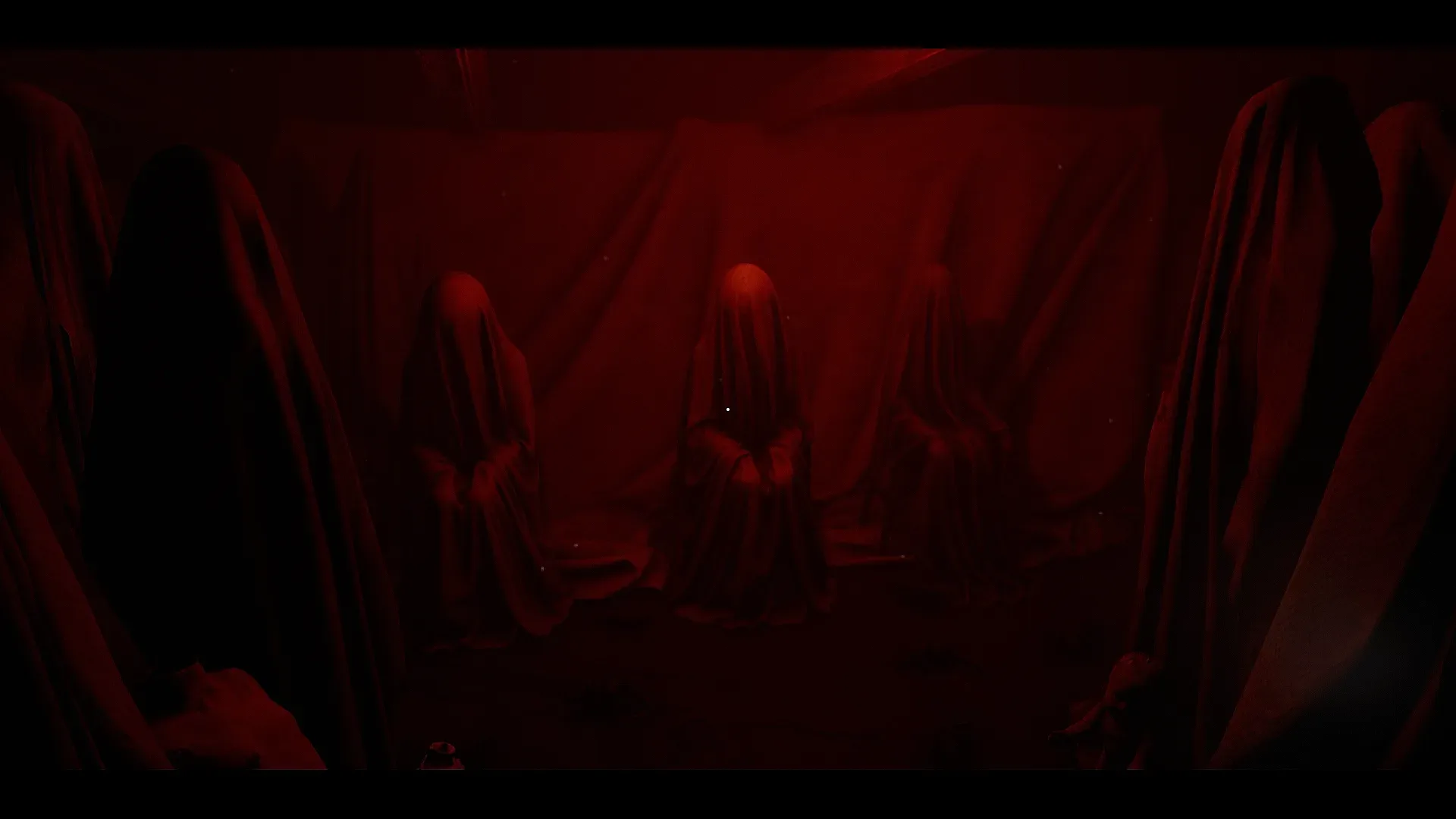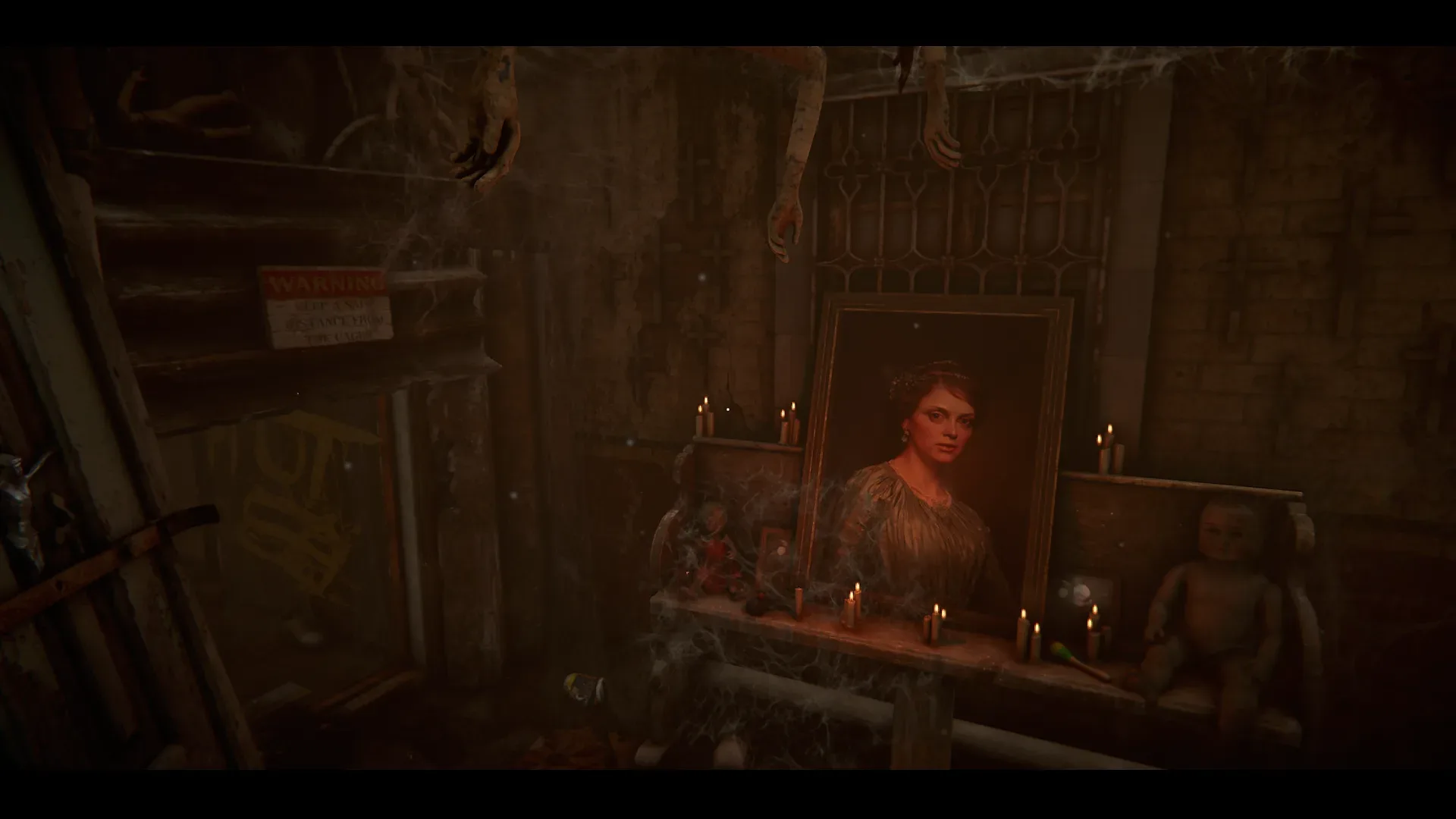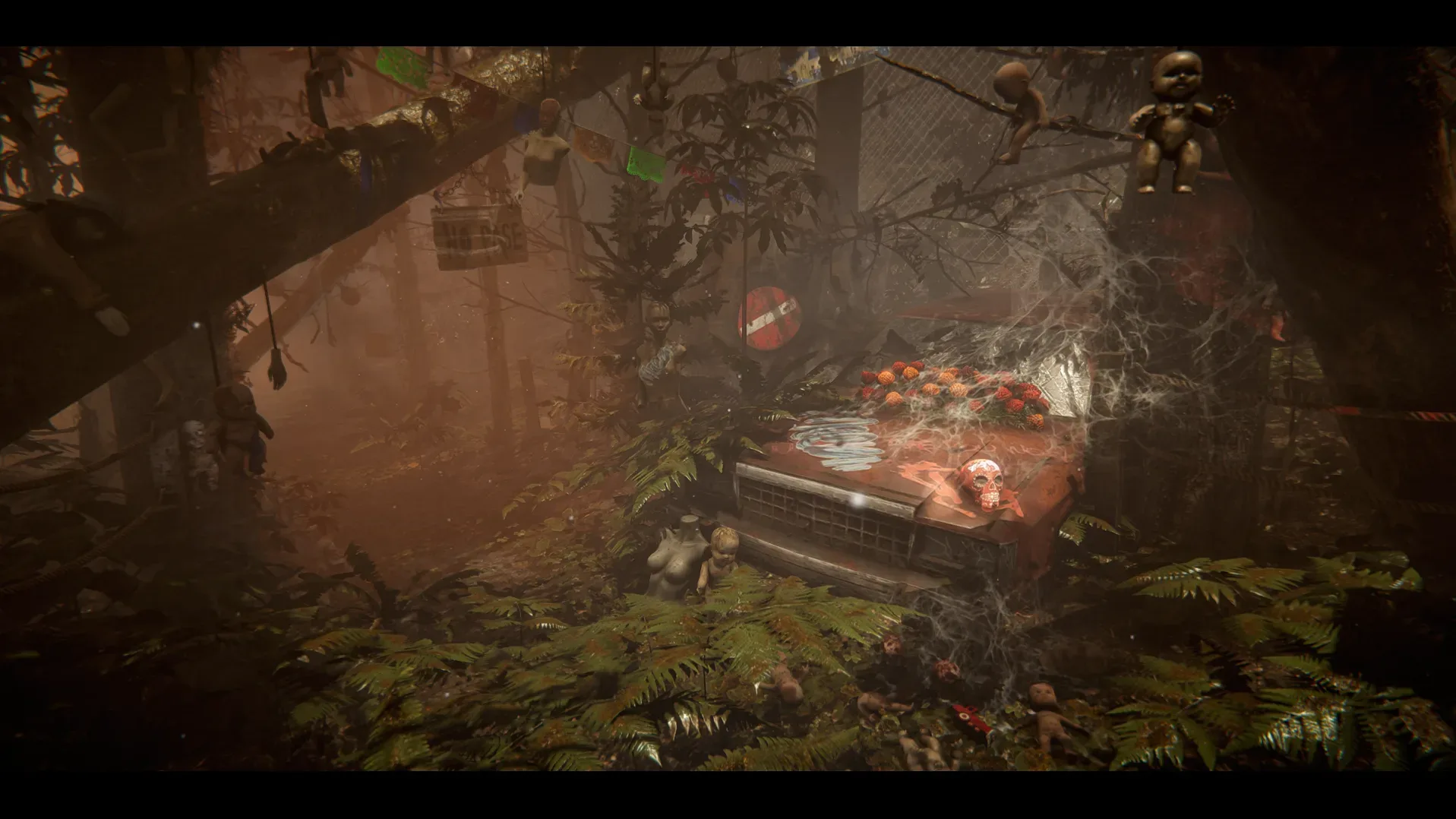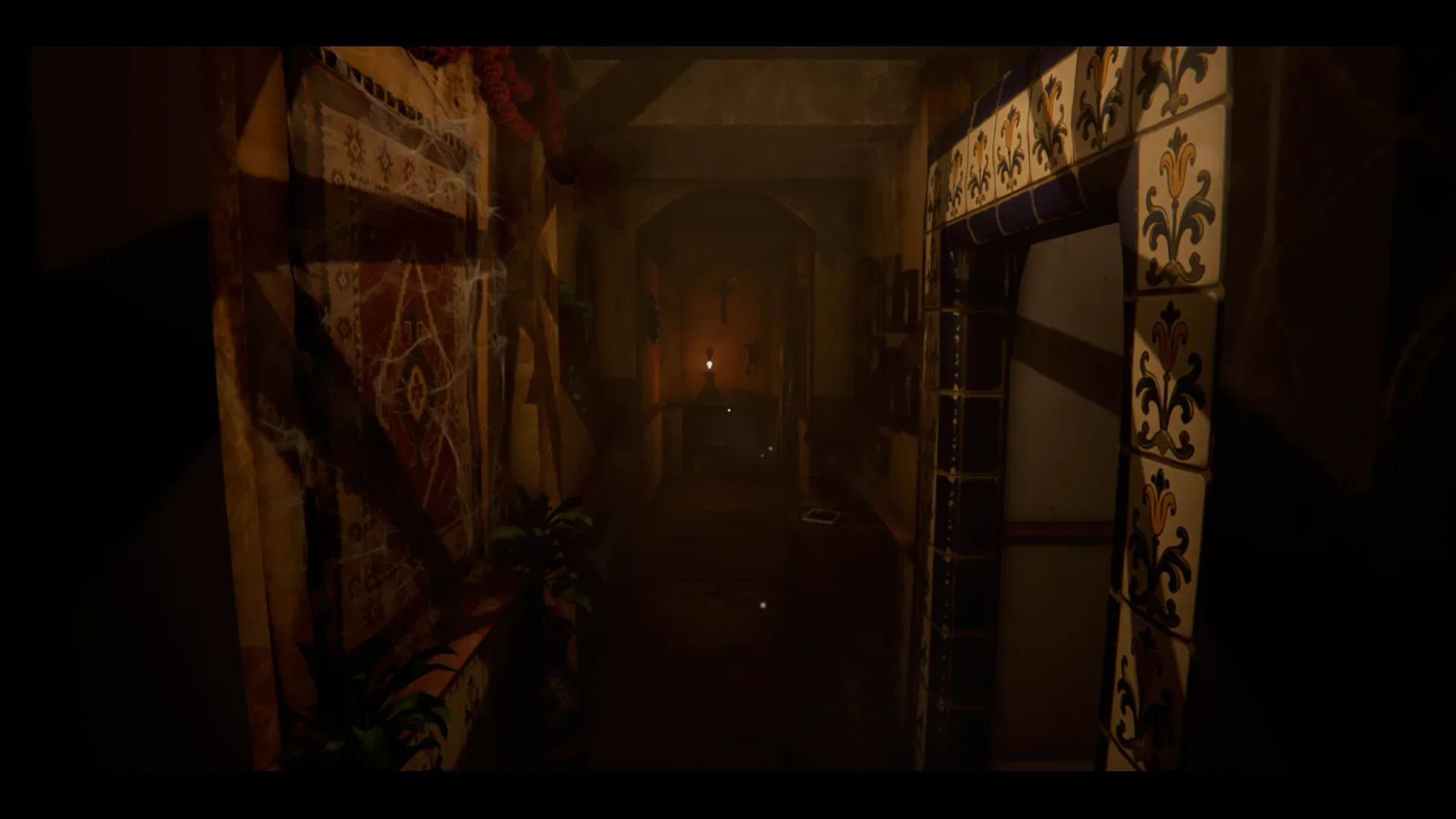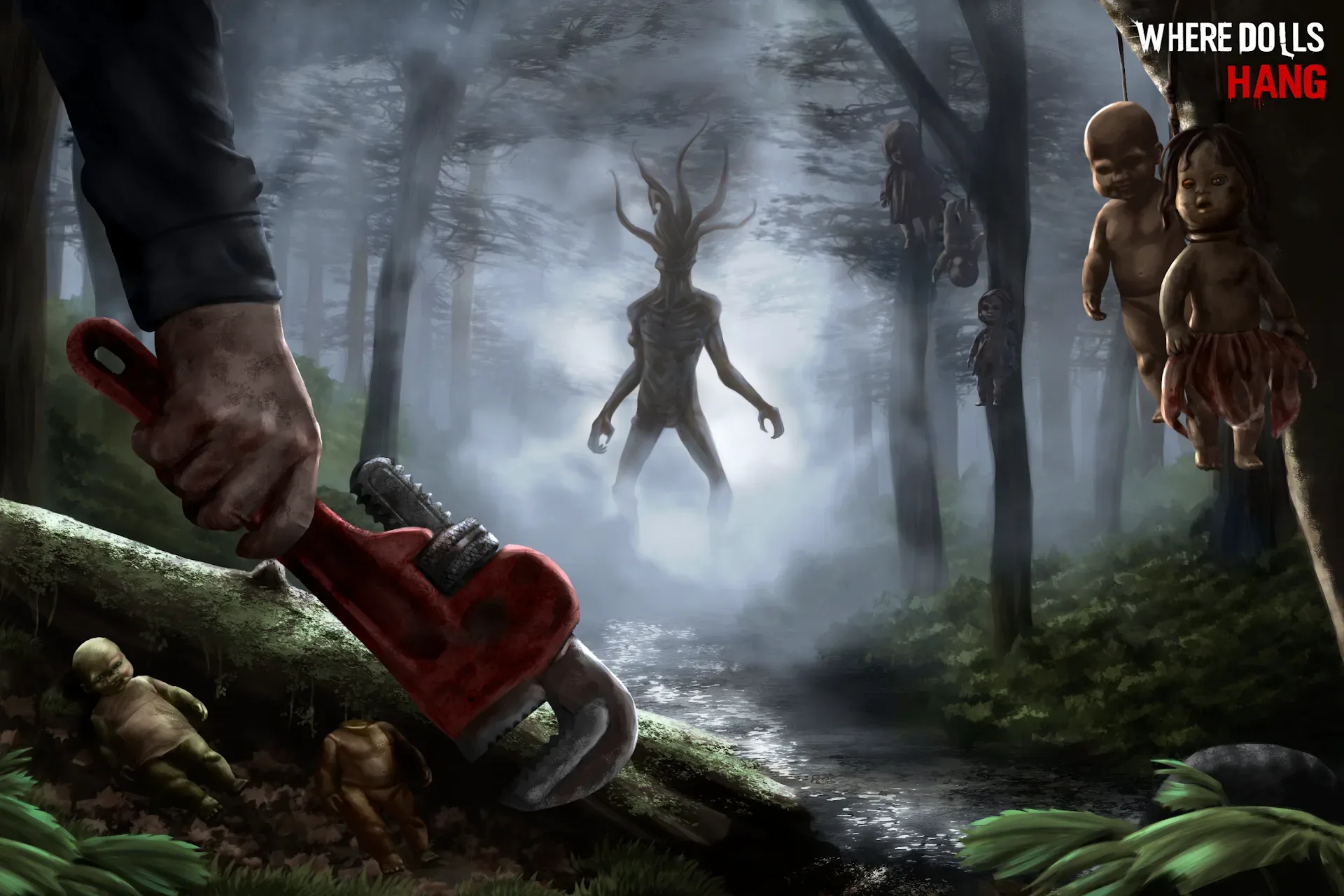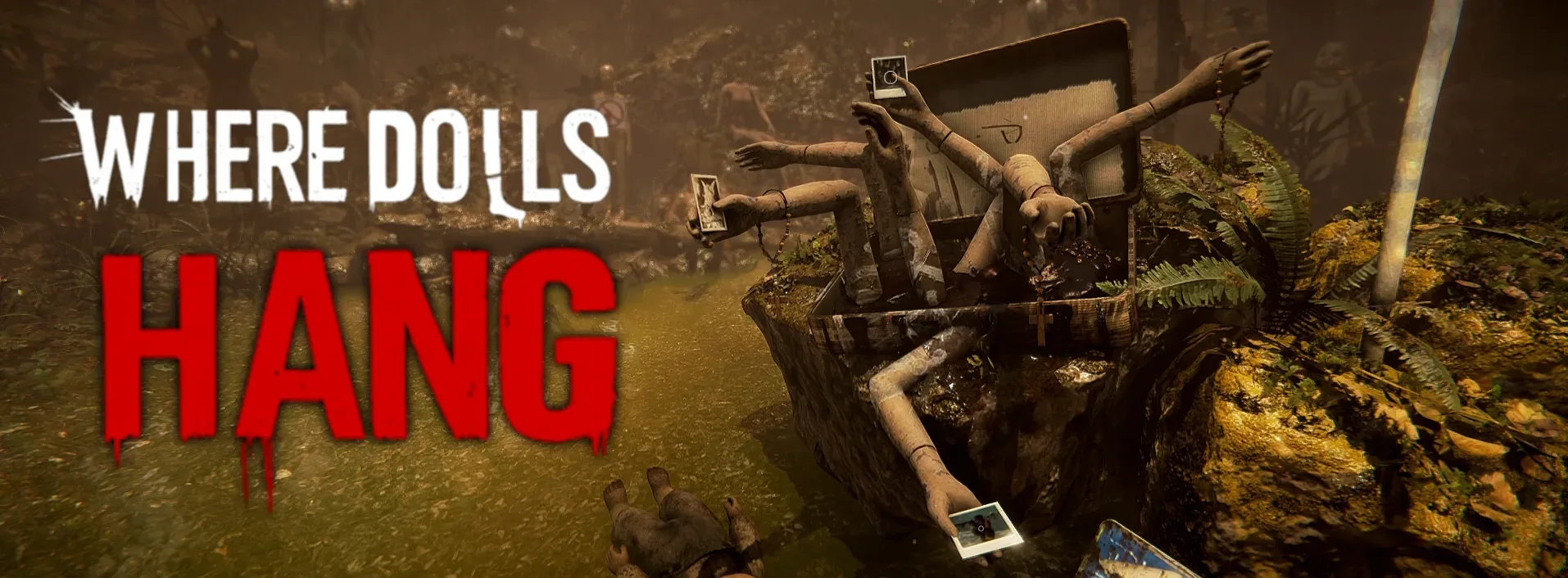
Some horror games want to startle players at every turn. Where Dolls Hang, the upcoming first-person psychological horror game from independent developer Steelkrill Studio, appears to be pursuing a more patient and unnerving route: a place full of hanging dolls, abandoned buildings, mannequins and the persistent suspicion that the environment is paying attention.
A newly released trailer establishes that mood without giving the game’s fictional mystery away. Its central visual language is stark: dolls suspended amid the woods, decaying interiors and objects that look ordinary only until the player has spent too long looking at them. Where Dolls Hang is planned for PC, though Steelkrill Studio has not announced a release date beyond to be announced.
The game is heavily influenced by the imagery and folklore associated with Mexico City’s real-life Isla de las Muñecas, or Island of the Dolls. That influence matters, but the game is not presented as a literal retelling of a real event or location. It is a fictional horror story that uses that potent visual inspiration as the basis for its own investigation.
A horror game built around looking closely
The trailer’s main promise is not a weapon, a monster roster or an action set piece. It is observation. Players will explore, seek clues, inspect unsettling scenes, record evidence and reconstruct a story that has been left fragmented. Their key tool is a camera.
That makes the camera more than a decorative inventory item. In investigative horror, a camera can turn the player’s attention into part of the challenge. A room is no longer simply somewhere to pass through; it may be a scene to document. An object may not be there just to make the player uncomfortable; it could be a clue whose details matter. The game’s described loop—searching, examining and recording—suggests that progress will be tied to understanding spaces rather than merely surviving them.
Environmental storytelling is the useful term here. It refers to a game communicating narrative information through its locations, objects, arrangement and visual details instead of explaining everything through direct dialogue or cutscenes. In Where Dolls Hang, the deteriorating structures, forest path and disturbing objects appear positioned to carry much of that burden. The player is expected to piece together meaning from what is present, what is out of place and what has been left behind.
That approach can make uncertainty itself do the frightening work. A loud surprise has an immediate effect, but unexplained evidence can remain unsettling after the moment passes. A player who records an odd object or finds a disturbing scene may be left asking whether it documents something real within the game’s fiction, signals a threat still nearby, or only deepens the mystery. The trailer’s atmosphere leans into that slower kind of dread.
The dolls are not just set dressing
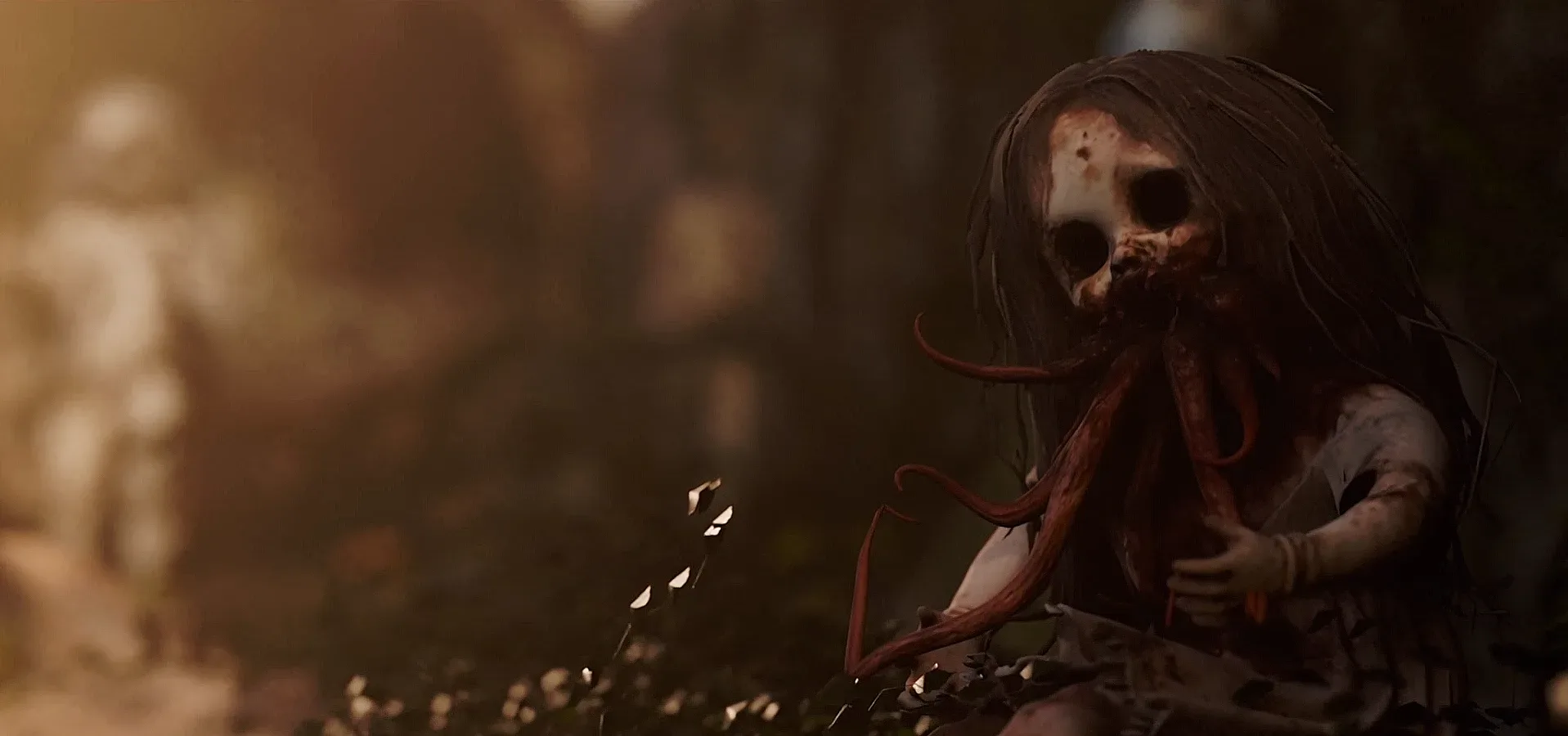
Where Dolls Hang’s title leaves little doubt about the game’s signature image, and the trailer makes it central. Dolls hang in the environment alongside abandoned structures and mannequin-like figures. Dolls already occupy an uncomfortable space in horror imagery: they resemble people without being people, often have fixed expressions, and can feel especially uncanny when worn down, broken or gathered in large numbers.
Related coverage includes Where Dolls Hang Trailer Reveals a Camera-Led Horror Journey.
The game adds a notable layer to that imagery by incorporating real-world photography into its fictional world. Steelkrill Studio says several dolls and objects have been recreated as 3D models from real photographs. Some of those original photographs can also be discovered during play.
Technically, that means the project combines photographed reference material with modeled game assets. The important point for players is not that a real object has been copied exactly, but that the game establishes a relationship between an in-world model and a photograph that informed it. Finding an original photo may make an object feel less like a conventional prop and more like an artifact with a connection beyond the immediate scene.
It is an effective fit for a game interested in evidence. Photographs are commonly understood as records: they imply that somebody saw something, chose to preserve it and left that record behind. In a psychological horror setting, a discoverable image can therefore function on two levels. It can be a collectible narrative detail, but it can also complicate the player’s confidence in what is authentic, remembered or merely staged.
That does not mean the game should be read as documentary. Steelkrill Studio has described Where Dolls Hang as fictional. The real photographs and photographed references appear to be part of the texture of that fiction, helping it create an uneasy overlap between familiar physical objects and a deliberately unnatural game world.
Folklore as inspiration, not a claim of literal reconstruction
Isla de las Muñecas is the Spanish name for the Island of the Dolls, the Mexico City location that informs the game’s imagery and folklore. The association explains the trailer’s forest setting and its accumulation of dangling dolls, but it is important not to flatten that influence into a promise of factual recreation. The game is its own fictional story.
For a horror developer, the appeal of such imagery is clear. An island or forest filled with weathered dolls comes with a sense of accumulated human attention: someone put them there, someone chose to leave them, and every object seems capable of carrying a story. Where Dolls Hang appears to translate those qualities into an explorable horror space, one where the player moves deeper through wooded areas and deteriorating interiors as circumstances become increasingly unnatural.
The careful distinction is useful for players, too. Those interested in the game because of its real-world inspiration should expect a work of fiction shaped by its own mystery rather than a history lesson. Conversely, people simply looking for a first-person horror game can approach it on the strength of its stated design: atmospheric exploration, evidence gathering and an emphasis on fear of the unknown.
VHS tapes add another layer of found media
The game also includes VHS tapes that players can discover and play within the world. These tapes contain classic films, with Night of the Living Dead named as an example. That detail reinforces the game’s interest in media as an object inside the environment rather than something outside the player’s view.
A VHS tape is a physical piece of recorded media, and placing one inside an explorable horror game makes it part of the setting’s archaeology. It can imply a previous occupant, a neglected room or a period of time that has been preserved in a fragile format. The supplied details do not establish what role each tape plays in progression, so it would be premature to call them mandatory clues or rewards. Still, their presence is consistent with a game about investigation and found evidence.
There is also a tonal connection between the tapes and the real-photo-based objects. Both are forms of material evidence: one is a captured image, the other is recorded film. In a game that asks players to inspect scenes with a camera, those elements could make the act of viewing feel more deliberate. The player is not only walking through a frightening location; they are encountering traces of images made, stored and preserved by others.
Why a camera-led structure suits psychological horror
Psychological horror usually focuses on unease, implication and a character’s perception rather than making every threat immediately clear. Where Dolls Hang’s described design aligns closely with that goal. Instead of presenting exploration as a gap between overt scares, the game appears to make exploration the source of tension.
The camera is especially suited to this because it encourages framing. Players decide where to point it, what to inspect and, potentially, which clues deserve attention. Even before knowing precisely how the camera systems work, the concept establishes a more intimate relationship with the environment. Looking at a doll through a lens is a different kind of interaction from simply running past it.
The trailer’s concentration on places rather than direct explanation supports that reading. Forest spaces and damaged interiors can create uncertainty about direction and safety. Mannequins and dolls blur the line between human-like decoration and possible movement. The sensation that something is watching, as emphasized by the trailer, turns passive scenery into a potential observer.
Importantly, Steelkrill Studio’s stated goal is not to abandon jump scares altogether. Rather, the game aims to create tension through environment and exploration rather than relying solely on conventional jump scares. That distinction sets an expectation of variety. The frightening moments may come from what the player discovers, how long a location holds back an explanation, or how evidence changes the interpretation of an earlier scene.
What the trailer confirms—and what remains unknown
The available details provide a solid picture of Where Dolls Hang’s tone and broad mechanics. It is a first-person psychological horror game for PC. It features investigative exploration, clue hunting, scene examination and evidence recording with a camera. Its fictional world is shaped by the Island of the Dolls’ imagery and folklore, and it incorporates both 3D objects based on real photographs and discoverable original photos. VHS tapes containing classic films can be found and played in-game.
There are still major unanswered questions, as is normal for an upcoming game. No release date has been announced. The current information does not specify how long the game will be, whether there are combat or stealth systems, how the camera’s evidence-recording mechanics are scored or tracked, or whether discovered photographs and tapes are necessary to complete the story. The nature of the threats is also intentionally unclear.
Those gaps are worth preserving rather than filling with assumptions. The trailer’s effectiveness depends partly on withheld answers: the player sees enough to recognize the setting’s unsettling vocabulary, but not enough to fully know what is happening there or why.
What to watch for next
For now, Where Dolls Hang is one to watch for players who prefer horror built from atmosphere, close observation and gradually accumulating unease. Its strongest stated idea is the way its mechanics and setting point in the same direction. A camera, found photographs, playable VHS tapes, fragmented clues and realistic object references all revolve around looking at what was left behind.
That coherence could distinguish the game if its eventual mystery gives those discoveries meaningful context. The trailer has already established a clear identity: not simply a forest filled with creepy dolls, but a fictional investigation through a place where every image and object may feel like evidence.
For another look at how games can use understated design and atmosphere to shape their identity, read our examination of Princess of the Water Lilies’ wordless adventure design.