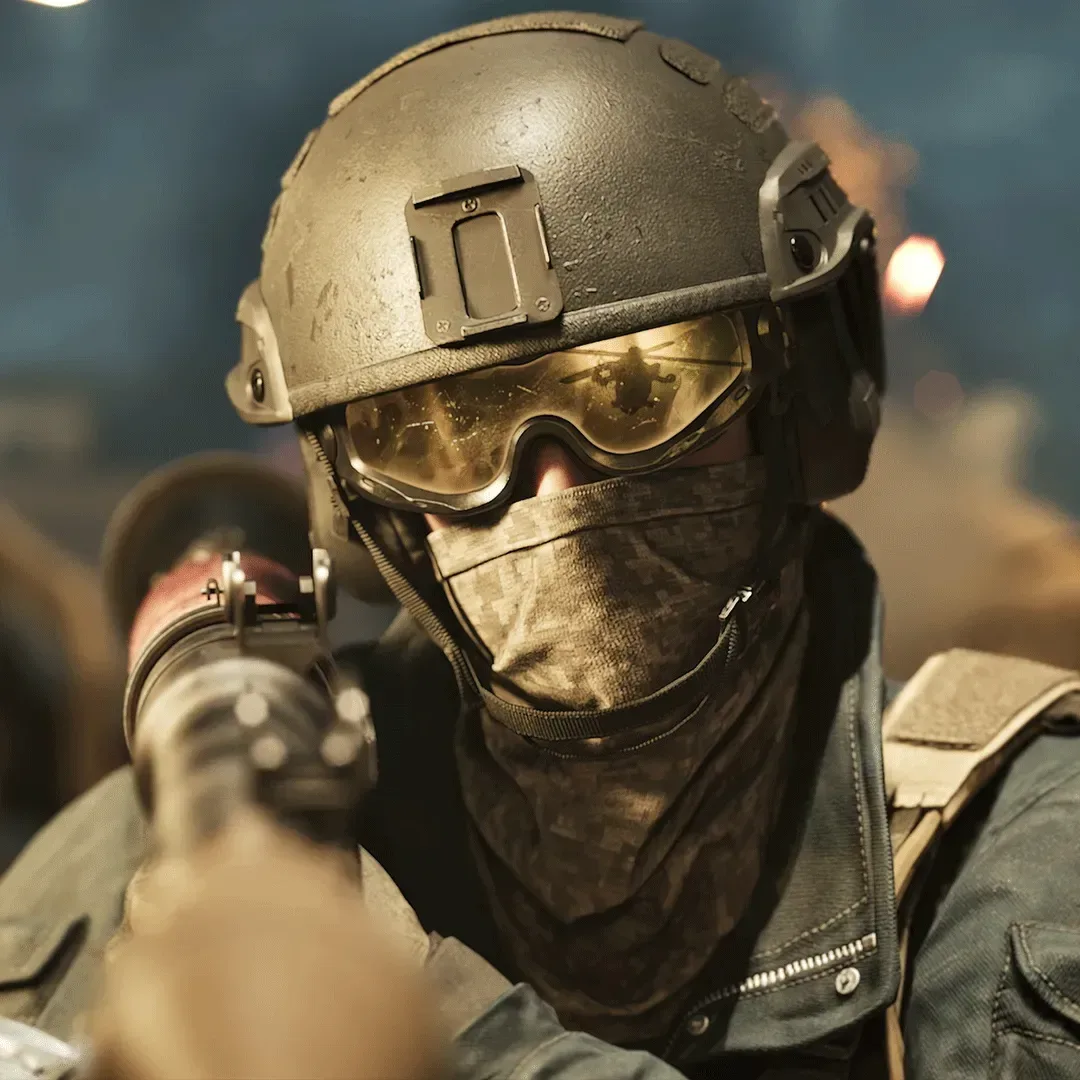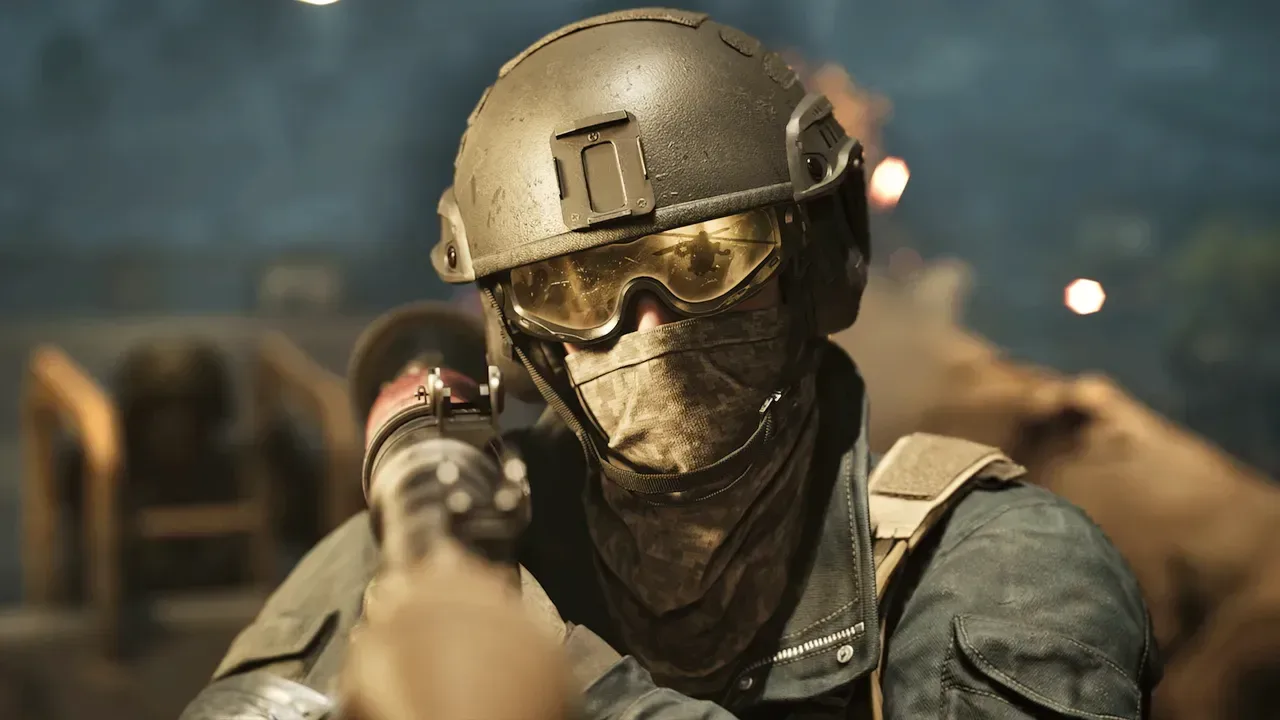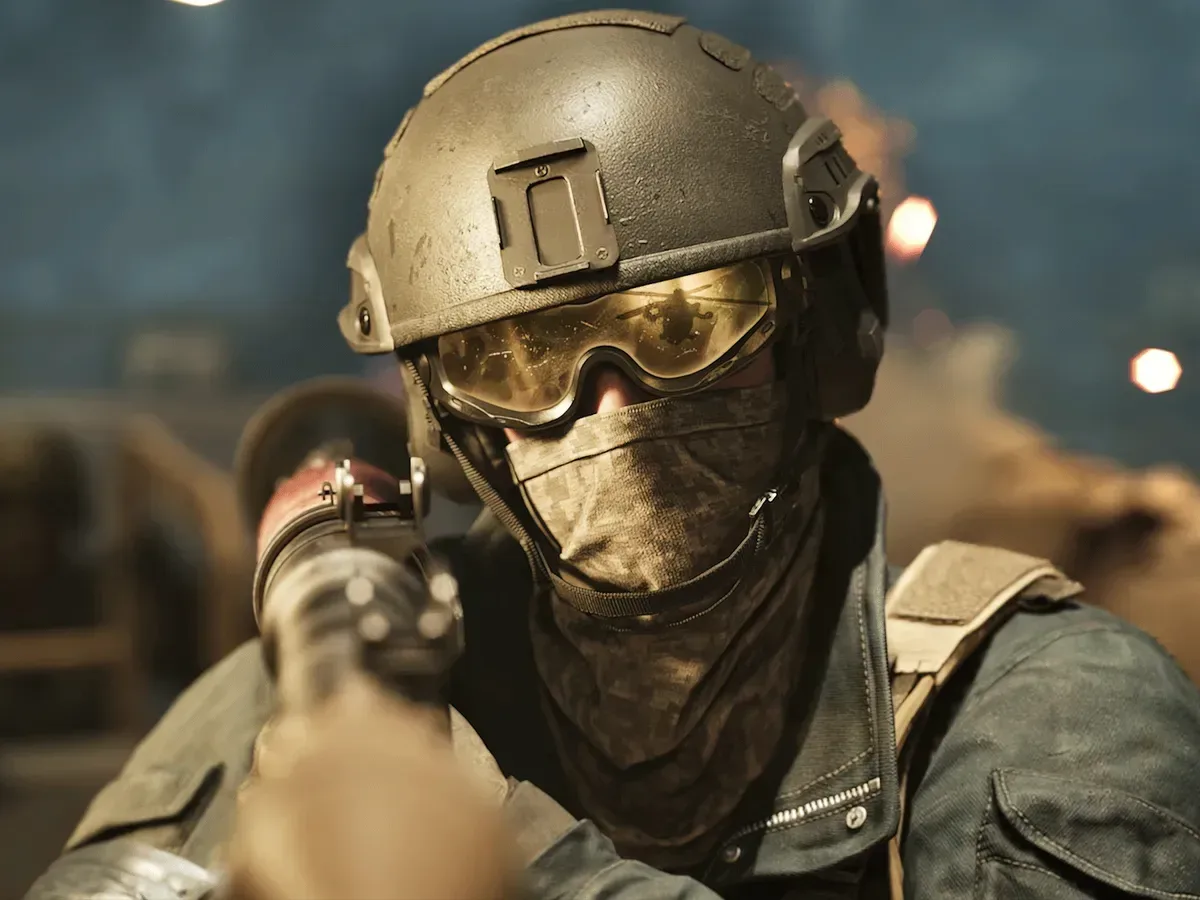
Every multiplayer game eventually develops its own folk wisdom. Sometimes it is useful: do not stand in the obvious blast radius, learn the map, perhaps avoid charging a fortified position while announcing your approach with a kazoo. Sometimes it is much less scientific. In Wardogs, the latest community belief is that selecting the blue Lonestar faction means accepting a substantially rougher match.
Wardogs has three playable factions: blue Lonestar, red Valkyra, and green Manticore. There do not appear to be major gameplay distinctions between them, so faction choice should be largely cosmetic or social rather than a strategic commitment. Yet Lonestar has acquired a notorious reputation among players as the side most likely to be filled with newcomers, less coordinated teammates, and consequently more losses.
That reputation is now apparently influencing how lobbies form. Players have reportedly been piling into Valkyra and Manticore quickly while avoiding Lonestar, with some matches even delayed when the blue side cannot attract enough willing participants. It is a very online problem: a team becomes known as the bad team, so experienced players stop choosing it, which makes the team’s situation worse, which produces more evidence for the original belief. The blue uniform has become less of a color choice and more of a public-service assignment.
Three colors, one very uneven reputation
On paper, Wardogs presents players with a straightforward three-way decision:
- Lonestar: blue
- Valkyra: red
- Manticore: green
There is no indication that Lonestar is inherently weaker through faction-exclusive mechanics. That point matters. If one team had inferior gear, map positions, abilities, or progression advantages, a poor win record would invite a familiar balance discussion. The complaints here are instead about who is joining the faction and the outcomes that follow.
Players have observed Lonestar struggling to accomplish objectives compared with its rivals. The most common explanation is also the most mundane: Lonestar is listed first, and players who are brand-new to Wardogs may select the first available option without much thought. A first-choice default can be extremely powerful in a game with a constant influx of fresh players. Many people just want to get into a match, learn what all the buttons do, and avoid turning a faction-selection screen into a graduate thesis.
That can mean Lonestar receives a disproportionate share of players still learning the basics. A newcomer-heavy team is not a moral failure, nor does it mean every Lonestar player is inexperienced. But in a multiplayer game where coordination and objective awareness matter, a concentration of newcomers can create very visible short-term results. Veteran players notice losing streaks, attach a story to them, and the story begins spreading faster than anyone can explain why the squad has collectively decided that blue is cursed.
How a self-fulfilling lobby loop can form
The situation described by the Wardogs community resembles a classic feedback loop. It does not require that every player’s assumption be correct. It only requires enough people to act as if it is correct.
- New players frequently pick Lonestar, potentially because it is the first displayed choice.
- Lonestar performs poorly in some matches because more of its roster is still learning.
- More experienced players notice the losses and begin avoiding Lonestar.
- Valkyra and Manticore fill earlier, leaving Lonestar with fewer experienced volunteers and more players who had no strong preference.
- Lonestar’s performance and reputation both deteriorate further.
This is not confirmed statistical proof of faction-wide win-rate differences. It is a reasonable model for the behavior players are describing, and it explains why a merely unlucky perception can become a real matchmaking issue. Once a color carries a stigma, opting into it can feel like voluntarily queueing for a harder version of the game.
There is also a social cost. A player who sees only one faction remain open may feel they have been assigned to the “bad” team before the match has even begun. That can hurt morale, encourage disengagement, and make people more likely to interpret every mistake as evidence that the team was doomed from the lobby. Nobody plays better after receiving an imaginary pop-up that reads, “Congratulations, you have been selected for remedial warfare.”
Reports of delayed match starts make the issue more than a simple meme. If enough players refuse to choose Lonestar, the system can have trouble assembling a complete match. A circulating social-media clip has helped capture the chaotic impression some players have of the faction’s matches, though a viral moment is not the same thing as comprehensive data. Highlight reels are built for calamity. Nobody shares a 45-second video titled All Teammates Performed Their Responsibilities at a Competent Level.
Lonestar is not automatically a lost cause
Importantly, reports from the community also include cases where Lonestar has succeeded despite the stigma. That should prevent the discussion from hardening into an absolute rule. A player can have a miserable run with blue and still be seeing a limited sample, particularly in a game drawing many new participants and rapidly changing lobbies.
The claim that Lonestar loses more often may feel persuasive to those who have repeatedly watched their blue teammates scatter in six directions, but individual records alone cannot establish a faction’s true odds. Match composition, player counts, map knowledge, timing, objective familiarity, and simple variance can all shape a result. A small run of defeats can look statistically enormous when it happens to you, especially when the losing screen is blue enough to make the association unforgettable.
Still, perception has practical power even before complete win-rate data exists. If players believe Lonestar is a liability, they will preferentially select its opponents. That behavior can alter the experience regardless of whether the original stereotype was fair. The pressing problem, then, is not simply whether blue was ever worse. It is whether the community’s reaction is making it worse now.
What could help the blue side recover?
Wardogs’ growing audience may resolve part of this organically. As more players gain experience, the early surge of first-time recruits should become a smaller share of the overall population. Players who initially choose Lonestar as the first visible option will learn the game, and some will become the very teammates others hope to see on their side.
Game design and matchmaking adjustments could potentially help as well, although there is no confirmed indication of any planned change. If faction selection is contributing to uneven team quality, systems that distribute players more evenly, rotate default options, present a random choice prominently, or provide incentives for filling underpopulated teams could reduce the pressure. The goal would not be to punish players for having a favorite color. It would be to stop one selection screen from becoming an accidental skill-based sorting machine.
For players, the simplest corrective may be resisting the urge to treat Lonestar as an automatic defeat. Queueing blue with a few friends, communicating around objectives, and helping newer players understand the match can make a meaningful difference in any team game. The faction needs experienced players precisely because it is being avoided by experienced players. That is not a glamorous answer, but neither is watching the start timer stall because everyone has decided they are philosophically opposed to cobalt.
There is a useful broader reminder here for any competitive community: reputations are often lagging, incomplete, and contagious. They can begin with a genuine trend, get amplified through memorable disasters and then become behavior that recreates the trend. It is easier to blame a faction label than to parse the complicated mix of matchmaking, player learning curves, coordination, and chance that produces wins and losses.
Wardogs’ popularity makes the problem more visible
The issue is surfacing during a remarkably strong start for Wardogs. The game reportedly sold one million copies before launch and has been near the top of Steam’s most-played charts. Strong word of mouth continues to bring in more players, which is excellent news for the game’s momentum but may also keep the newcomer-distribution question relevant for a while.
Wardogs is presently a PC story, with Xbox and PlayStation 5 versions planned for 2028. That is a long runway, and it gives the existing community plenty of time to decide whether Lonestar becomes a respected comeback faction or remains gaming’s most famous voluntary escort mission.
Players looking for other PC-focused reading can also check out how to force quit a frozen game or app on Windows, a skill that may prove emotionally useful after a particularly chaotic loss—though ideally no actual hardware takes the blame for a difficult match.
For now, Lonestar’s reputation appears to be real in the sense that players are actively responding to it. Whether the underlying performance gap is as severe as the jokes suggest remains uncertain without broader data. But the next time a Wardogs lobby leaves blue sitting empty, the lesson is already clear: in multiplayer games, a color can become a culture, and cultures are much harder to balance than a weapon stat.