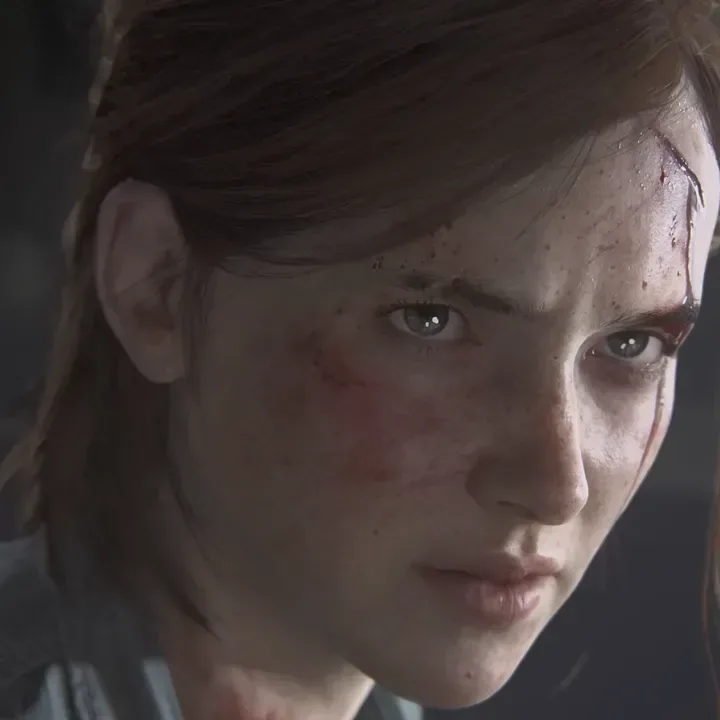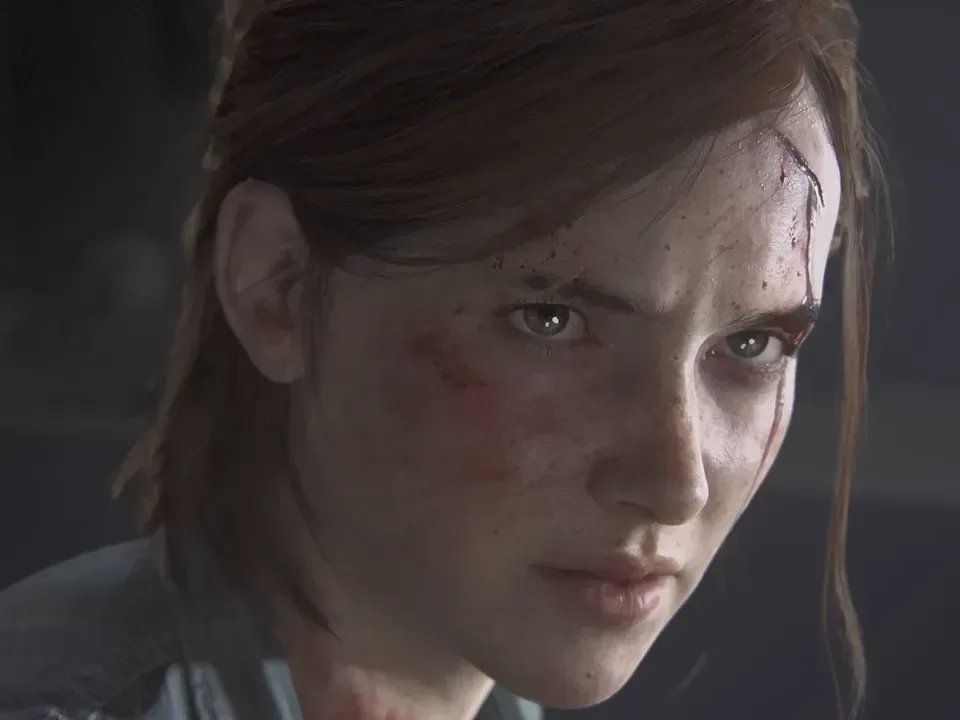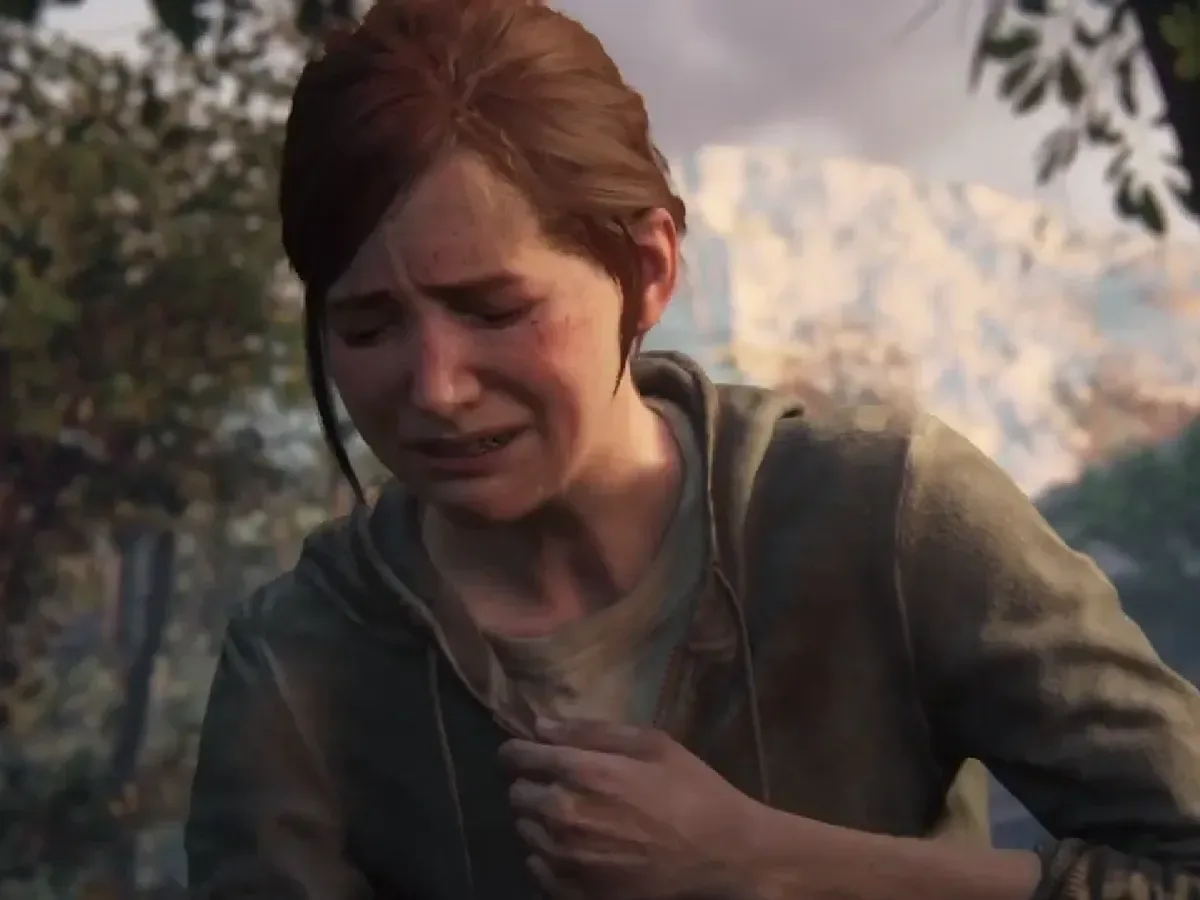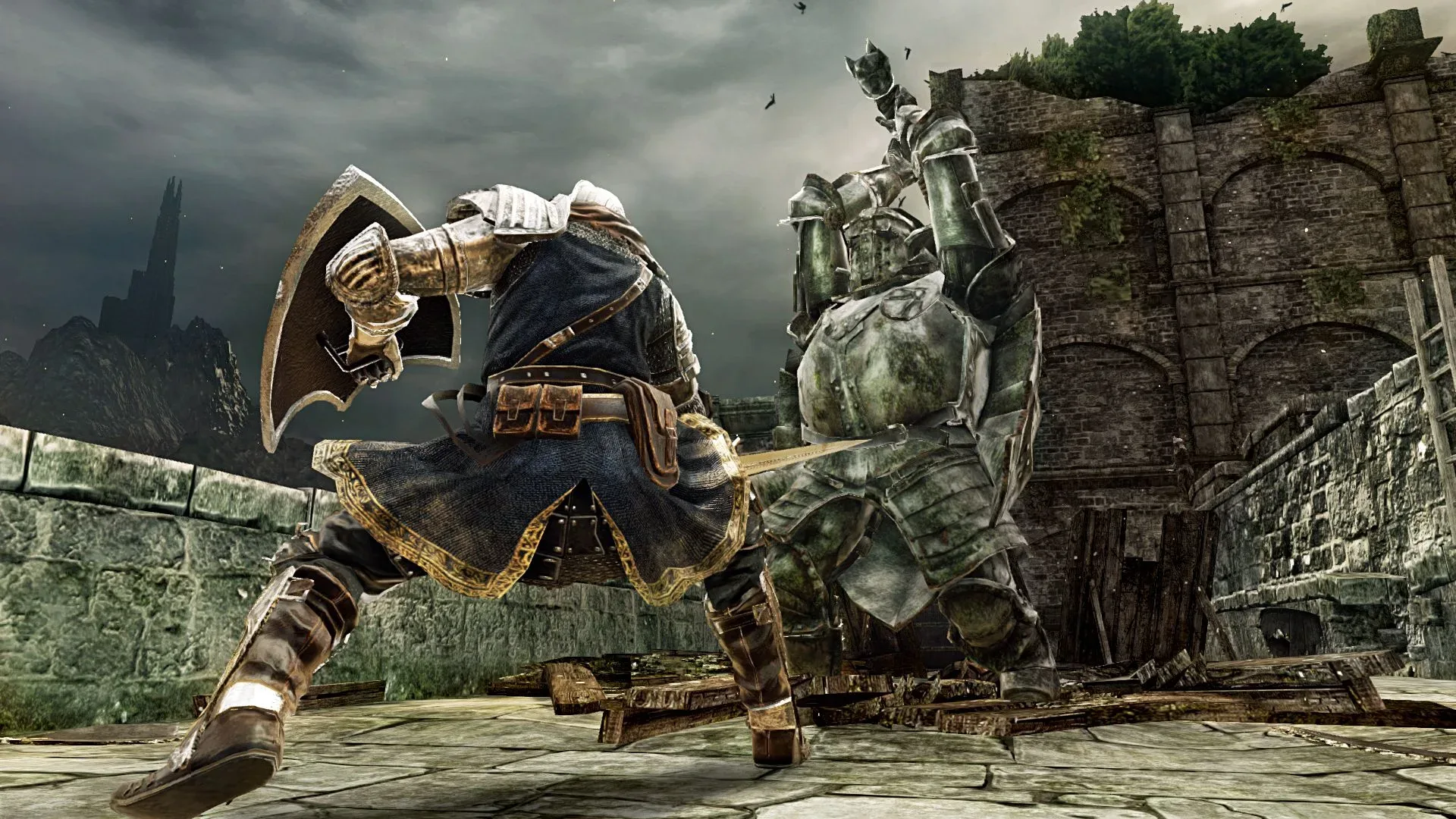
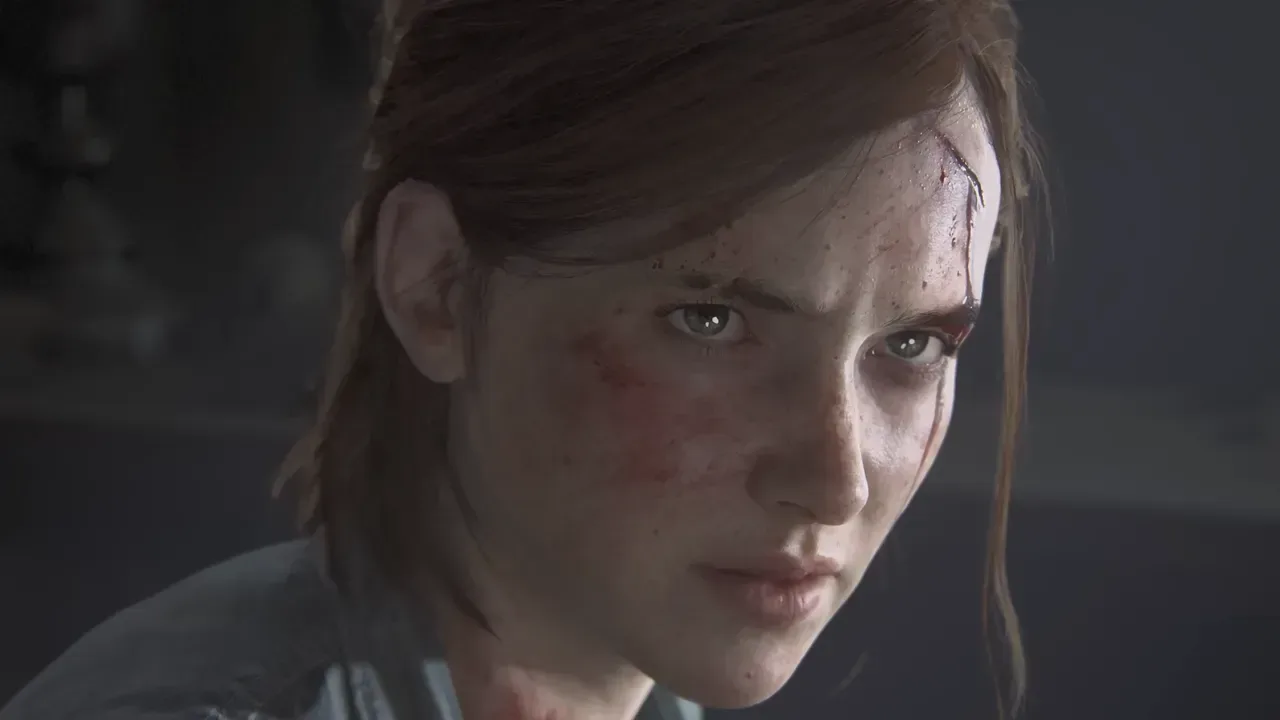
An unofficial multiplayer project for The Last of Us Part II Remastered has emerged on PC, aiming to fill a space left open by the cancellation of Naughty Dog’s planned online game. Called Twelve Weeks, the mod adds team-based 4v4 play, reworked levels, weapons, customization, gadgets and execution moves to the PC release.
It is also notable for two reasons beyond its feature list. Its creator, Kellie, has said that generative AI—specifically Claude-generated code—was used for much of the project’s development, with AI also used for in-game lore text. And the mod arrives after a separate community effort to bring multiplayer to the game was reportedly stopped before release following a cease-and-desist request from Sony Interactive Entertainment.
That history makes Twelve Weeks more than a straightforward fan add-on. It is a test of how far a free, openly distributed mod can travel when it uses a major commercial game as its foundation, and of how players will assess an online project whose creator has been candid about using generative tools during production.
What Twelve Weeks says it adds
Twelve Weeks is built for The Last of Us Part II Remastered on PC. The available description identifies two reworked modes: Supply Raid and Interrogation. Both are presented as 4v4 team-based modes, with players aligned as the WLF or Seraphites.
The mod’s gameplay additions include:
- 4v4 competitive multiplayer matches
- Reworked Supply Raid and Interrogation levels or modes
- New weapons and character customization
- Combat gadgets including molotovs and smoke bombs
- Brutal execution animations
Those ingredients deliberately echo the appeal of the original The Last of Us multiplayer. That mode was remembered for cautious firefights, weapon handling that imposed pressure rather than effortless accuracy, cover-based positioning, and crafting performed while a match was still unfolding. The tension came from managing limited resources and time while exposed to an opponent, rather than treating a loadout menu as a place safely outside the action.
The Last of Us Part II, meanwhile, expanded the single-player combat vocabulary with greater mobility and deeper stealth possibilities. A multiplayer conversion of that foundation has obvious appeal: it potentially lets community members explore how its movement, weapons, factions and tools behave against human opponents instead of AI-controlled enemies. Whether Twelve Weeks delivers balanced, stable matches over time is a separate question, and one that cannot be answered merely from its announced systems.
The gap left by the cancelled online project
Naughty Dog had previously been developing a Factions-related multiplayer project based on The Last of Us Part II. That project was ultimately cancelled, with the studio deciding that supporting a live-service game would fundamentally alter the studio and choosing to focus on its forthcoming science-fiction game, Intergalactic: The Heretic Prophet, instead.
Related coverage includes The Last of Us Part 2 PC Mod Adds 4v4 Multiplayer, but Sony's Response Remains Unclear.
It is important to distinguish a fan-made PC mod from the cancelled official project. A live-service game generally means an ongoing online title that requires continuing support: servers, matchmaking, technical maintenance, updates, anti-cheat work, moderation and a stream of new content. A mod may recreate or reinterpret individual multiplayer systems, but it does not automatically carry the same support model, resources, scale or long-term obligations.
For players, that distinction matters most when deciding what to expect. A community release can be exciting because it makes a long-requested idea playable, but it can also change quickly, lose compatibility after a game update, or disappear from its original distribution point. “Multiplayer exists” and “there is a fully supported, durable online service” are very different propositions.
Why the earlier takedown hangs over this release
In September, another multiplayer mod in development for The Last of Us Part II was halted before its intended release. Its developer, Speclizer, said they had received a letter sent on behalf of Sony Interactive Entertainment asking that the mod not be released. The creator said the work had been in development since January and had been expected to arrive that month.
That episode explains the immediate attention around Twelve Weeks. The new project is already available, but public availability is not a guarantee that it will remain so. Sony’s future response is not known.
The Twelve Weeks repository includes a disclaimer that frames the project as an unofficial fan effort, says it is not affiliated with or endorsed by Sony Interactive Entertainment or Naughty Dog, and states that users need a legitimately purchased Steam copy of the game. It also says the repository contains neither game files nor assets taken from the game.
Those statements clarify how the creators characterize their work and what users are expected to supply. They should not be read as a prediction of the rights holder’s view or a declaration that no challenge is possible. Disclaimers can explain a project’s status; they do not themselves settle every question that might arise around a fan project using a protected game, its setting or its recognizable elements.
Free and open source does not end the uncertainty
Kellie has argued that the previous mod was targeted because it was paywalled, whereas Twelve Weeks is free and open source. The creator also said that making the full source code available limits what can be done if the project is shut down.
Several terms in that claim deserve plain-language context. A paywall is a requirement to pay before accessing content or a feature. An open-source project makes its underlying code available for others to inspect, learn from or potentially contribute to under the terms chosen by its authors. A repository is the online location where a project’s code, files, documentation and revision history can be stored.
Open distribution may make a project harder to confine to one location once code has been copied by other users, but it is not the same thing as formal approval. It can also make the practical picture more complicated for players: multiple copies, modified builds and unclear maintenance can make it harder to know which version is current or trustworthy. The source material does not establish what action Sony will take, if any, and it would be premature to present an outcome as inevitable.
For anyone considering a community mod, the practical rule is caution. Read the project documentation, confirm that a legitimate copy of the underlying game is required, and understand that unofficial online projects can change or be removed without notice. Players should also remember that community code and unofficial multiplayer functionality are not equivalent to official game support.
Generative AI is part of the story, not a footnote
Kellie has said Claude code was used for most of Twelve Weeks’ development. The project’s lore text was also created with AI, while its art was made in Blender. That means the project combines at least three distinct production categories: programming assistance, generated written material and manually made 3D art.
Generative AI refers to tools that produce new material in response to prompts or other inputs. In code work, such tools can suggest functions, explain errors, draft boilerplate and help restructure systems. In writing, they can produce descriptive text, dialogue-like material or background documents. Their use does not tell players everything about who made a project or how much human review it received; it identifies part of the production process.
That distinction is especially useful here. “AI was used” does not mean every asset or every gameplay decision was automatically generated. The stated account separates Blender-made art from AI-generated lore text and from the use of Claude for code. Nor does using AI code alone establish whether a mod is secure, balanced or technically robust. Those are implementation questions that depend on the final work and its maintenance.
The conversation fits a broader development debate: AI can potentially speed up repetitive tasks or provide a starting point, but shipping a game feature still requires judgment about performance, design, compatibility and player experience. That broader tension is also visible in a recent discussion of AI use in game quality assurance, where automation is framed as assistance rather than a substitute for the human work of making play feel good.
What players should watch next
The most immediate questions are practical rather than speculative. Does Twelve Weeks continue to be available? Does it receive updates? How does it handle online functionality over time? And will Sony respond as it did to the prior planned mod, or take a different approach?
There is also a creative question. The continued interest in fan multiplayer projects shows the strength of demand for a competitive experience built around the series’ tense combat. But a mod’s existence should not be mistaken for confirmation of an official replacement, a revived Factions plan or a new announcement from Naughty Dog.
For now, Twelve Weeks is a community-built attempt to turn that demand into something playable on PC. Its features are ambitious, its use of generative AI is openly acknowledged, and its longer-term future remains uncertain. That uncertainty is arguably inseparable from the project: it is trying to build a multiplayer afterlife for a game whose official online future was cancelled, while operating under the shadow of a previous takedown.