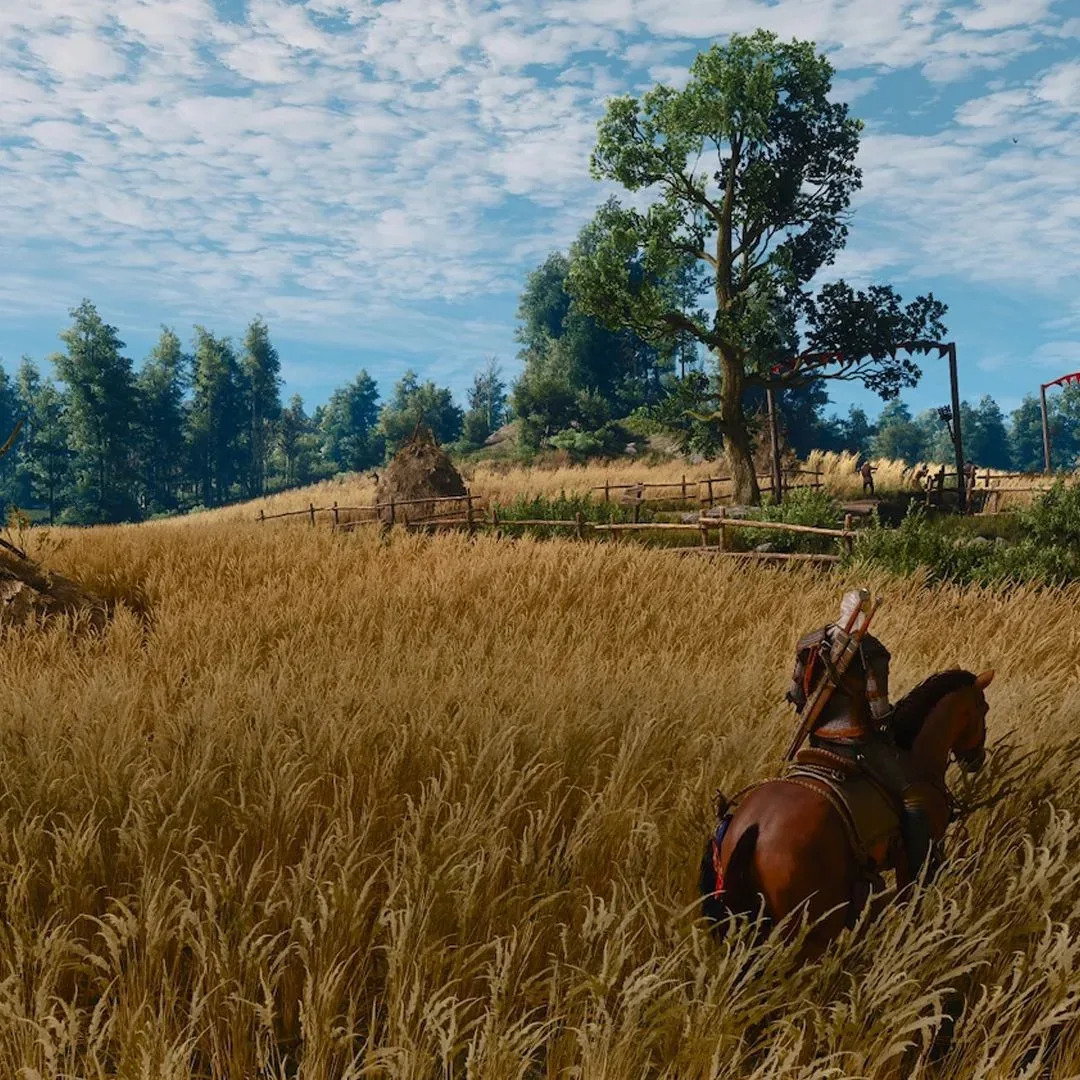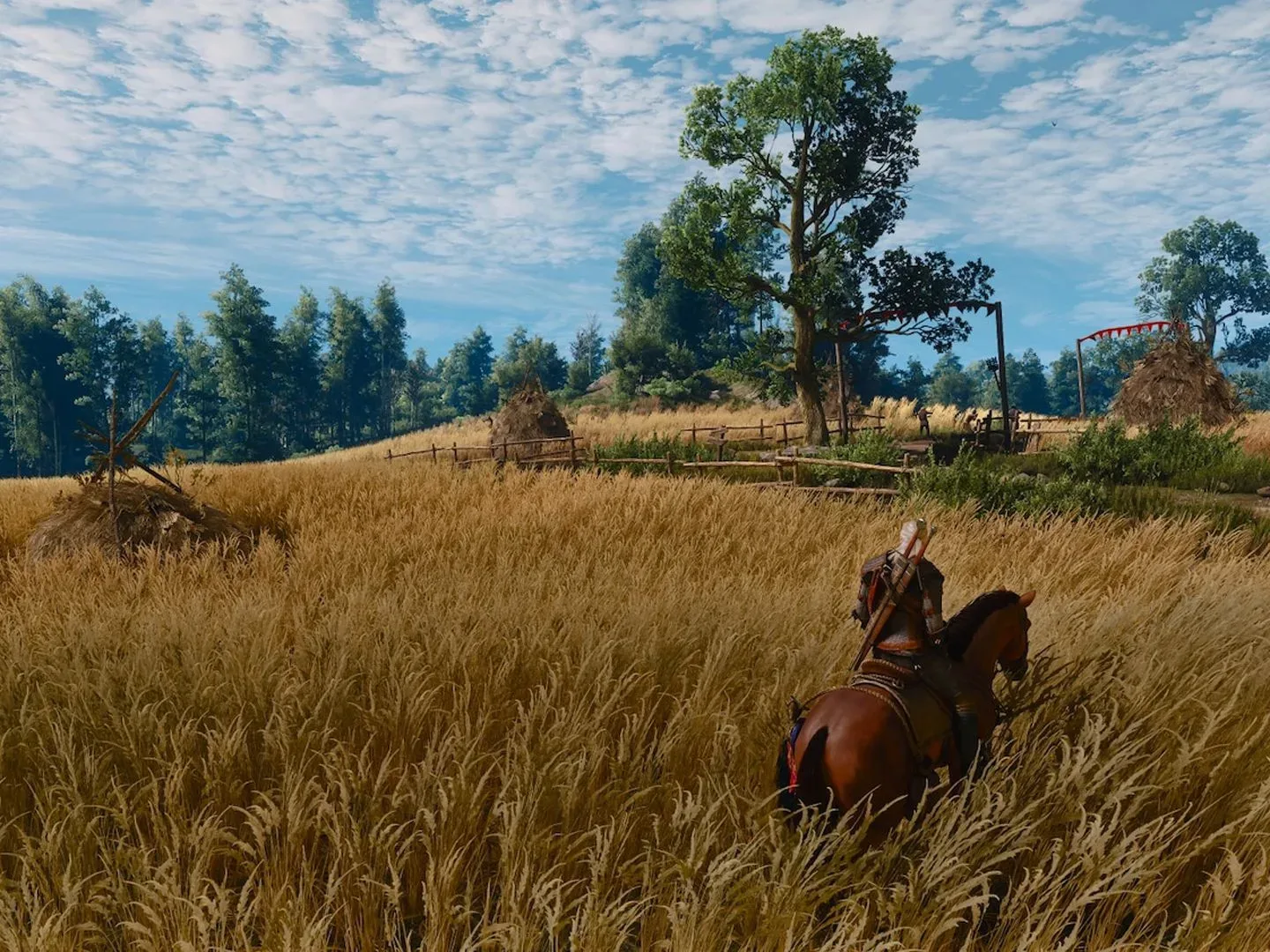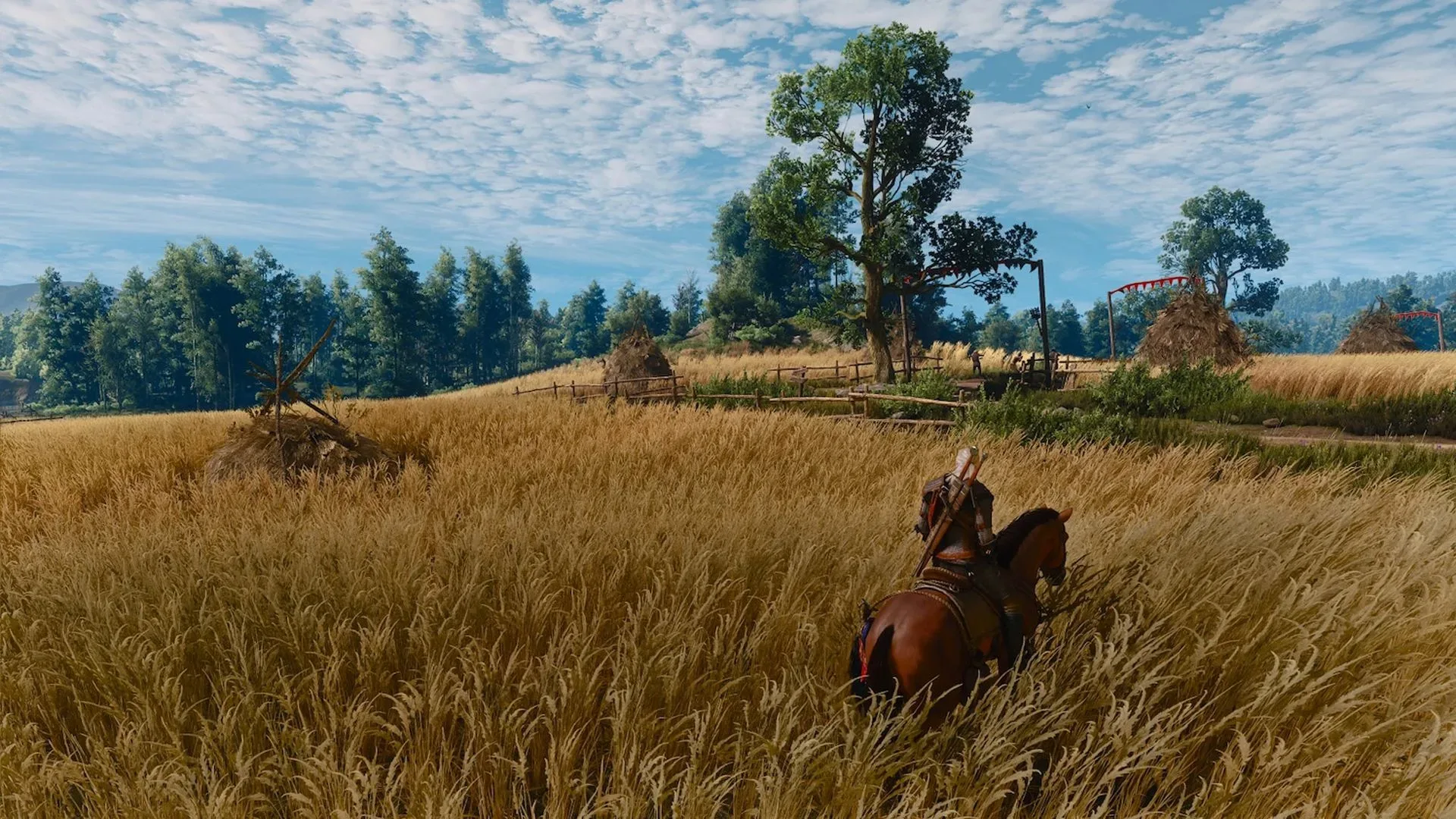
Roach has always been more than a way to make Geralt travel faster. In The Witcher 3, she is an accidental comedian, an occasional architectural critic and, from time to time, a horse apparently summoned from a dimension where gravity, doorways and common sense negotiated a very loose agreement.
That peculiar legacy is getting special consideration in the upcoming The Witcher 3 remaster and Songs of the Past. The update includes changes to Roach’s movement behavior, but it will also provide an option to retain the older behavior. Players who consider the horse’s unpredictable positioning and pathfinding part of the experience will not be forced to trade it away in the name of improved equine professionalism.
It is a small setting with an unusually large symbolic value. Remasters commonly promise a cleaner, smoother version of a game people already know inside out. Usually that means technical polish: better performance, sharper presentation, refined controls, and fewer rough edges. Yet some rough edges stop feeling like defects after enough years have passed. They become stories shared by the community: the strange moment a horse appears somewhere it plainly should not be, the awkward stop in a narrow space, the sudden realization that a routine ride has become a tiny slapstick scene.
New movement, old horse
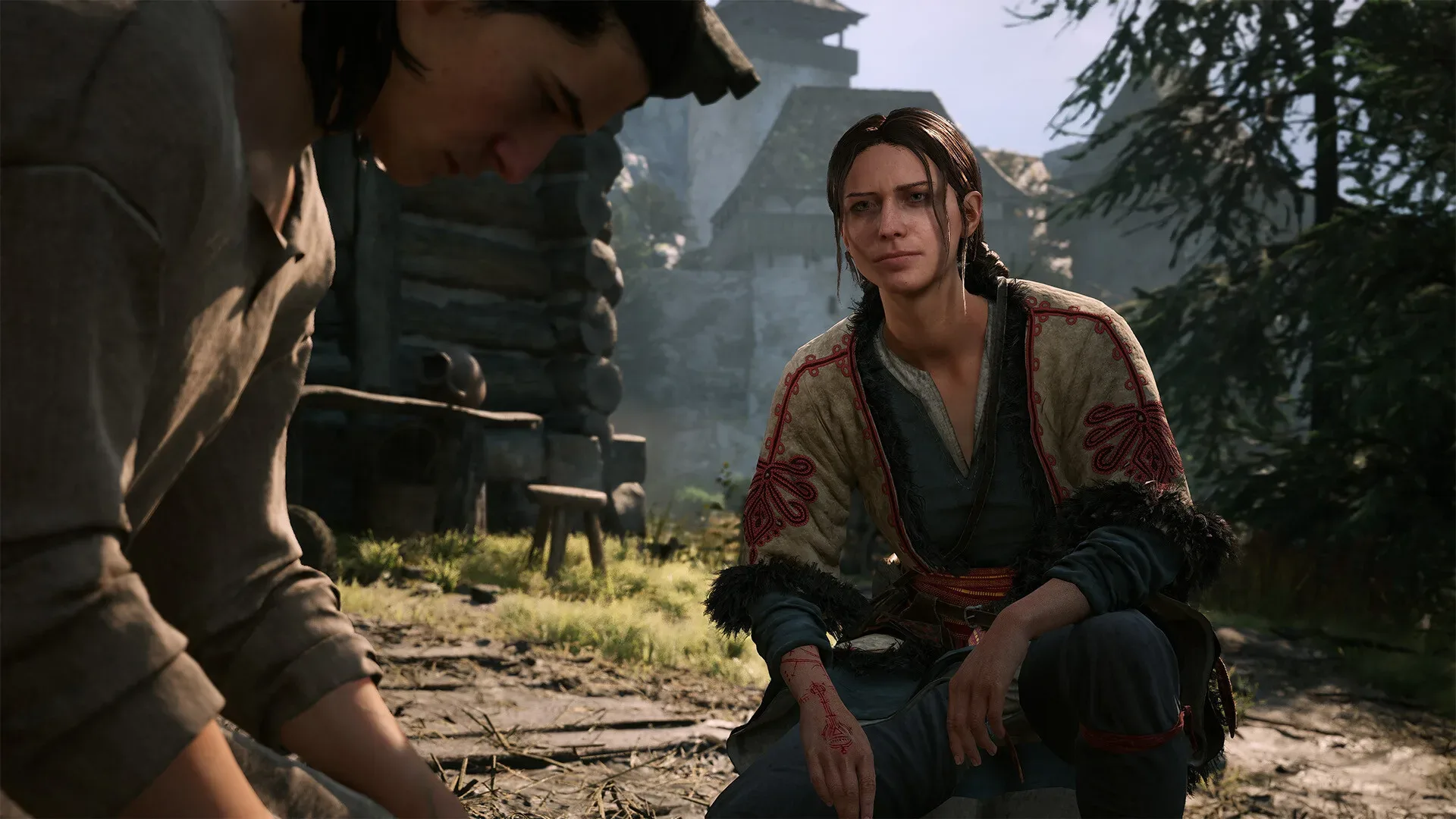
Karolina Kuzia, design director at Fool’s Theory, addressed the question of Roach’s famous oddities with a notably affectionate framing. Rather than treating the horse’s “shenanigans” as something that must be erased, Kuzia raised the question of why anyone would remove something lighthearted.
Miles Tost, level design lead at CD Projekt Red, then clarified the practical side of the update. He jokingly maintained that Roach is perfect, while also confirming that the remaster brings movement-behavior updates. Crucially, he said players can disable that newer behavior and use legacy Roach instead.
“If you prefer legacy Roach, the way you have grown to know her, be my guest,” Tost said.
That wording matters because it does not present the old behavior as merely an embarrassing artifact to hide in a menu. It recognizes that players have built an attachment to it. The revised movement is there for anyone who wants a more polished ride through Geralt’s world; the familiar version remains available for anyone whose ideal horseback travel includes the possibility of an inexplicable detour into chaos.
There is no reason to assume every memorable Roach moment is deliberately preserved, or that the legacy setting promises a museum-perfect recreation of every past oddity. What has been confirmed is simpler and more useful: the remaster’s updated movement behavior can be switched off, allowing players to opt for the version of Roach they have grown to know.
Related coverage includes The Witcher 3's Roach Update Will Let Players Keep the Horse's Classic Chaos.
Why a toggle is the right answer
A choice between old and updated behavior avoids a pointless argument over which version is objectively correct. For some players, smoother horse movement will be an uncomplicated quality-of-life improvement. Open-world travel occupies a lot of time, and a mount that responds more predictably can make routine journeys feel less interrupted. If the revised behavior reduces the occasions when Roach gets caught in a cramped location or appears in an inconvenient spot, plenty of players will regard that as a clear win.
For others, the imperfections are inseparable from their memories of the game. Roach’s reputation was not built only on utility. It was built on personality, even where that personality emerged from systems behaving strangely. A fantasy world filled with monsters, political intrigue and high-stakes quests can absorb a little absurdity. In fact, the absurdity can make the setting feel more human. A horse materializing at precisely the wrong moment may be a technical quirk, but it is also a reminder that even a grand adventure can have room for a joke.
The toggle acknowledges both viewpoints without asking either group to pretend it does not exist. Players seeking the tidier approach can choose it. Players who want the old arrangement can preserve it. That is a more thoughtful solution than deciding nostalgia must always yield to modernization, or insisting that every old behavior should remain untouched regardless of whether someone wants an improvement.
Roach is part of the game’s folklore
Long-running games develop a kind of folklore. It is made from memorable characters and major story beats, but also from recurring quirks that players tell one another about. In this case, Roach’s unusual behavior became part of the wider cultural memory surrounding The Witcher 3. The horse is not simply a transport mechanic that people tolerate until the next fast-travel signpost. Roach is a companion with a reputation.
That reputation helps explain why a movement update could provoke concern even before anyone knows exactly how it will feel. A technically improved horse may be welcome, but players are wary of losing a familiar source of accidental charm. Calling the option “legacy Roach” is especially fitting: it frames the older behavior as an established version of the companion rather than an inconvenience quietly removed from history.
The distinction also reflects a broader challenge for any remaster. A project can improve a game while respecting the small, weird details that helped make the original beloved. Not every bug deserves protection, and not every bit of friction deserves nostalgia. But developers benefit from recognizing that player memory is not organized like a bug tracker. People remember how games made them feel, including the laughter prompted by an improbable horse blocking the route at the exact worst time.
Songs of the Past brings familiar voices back to the Continent
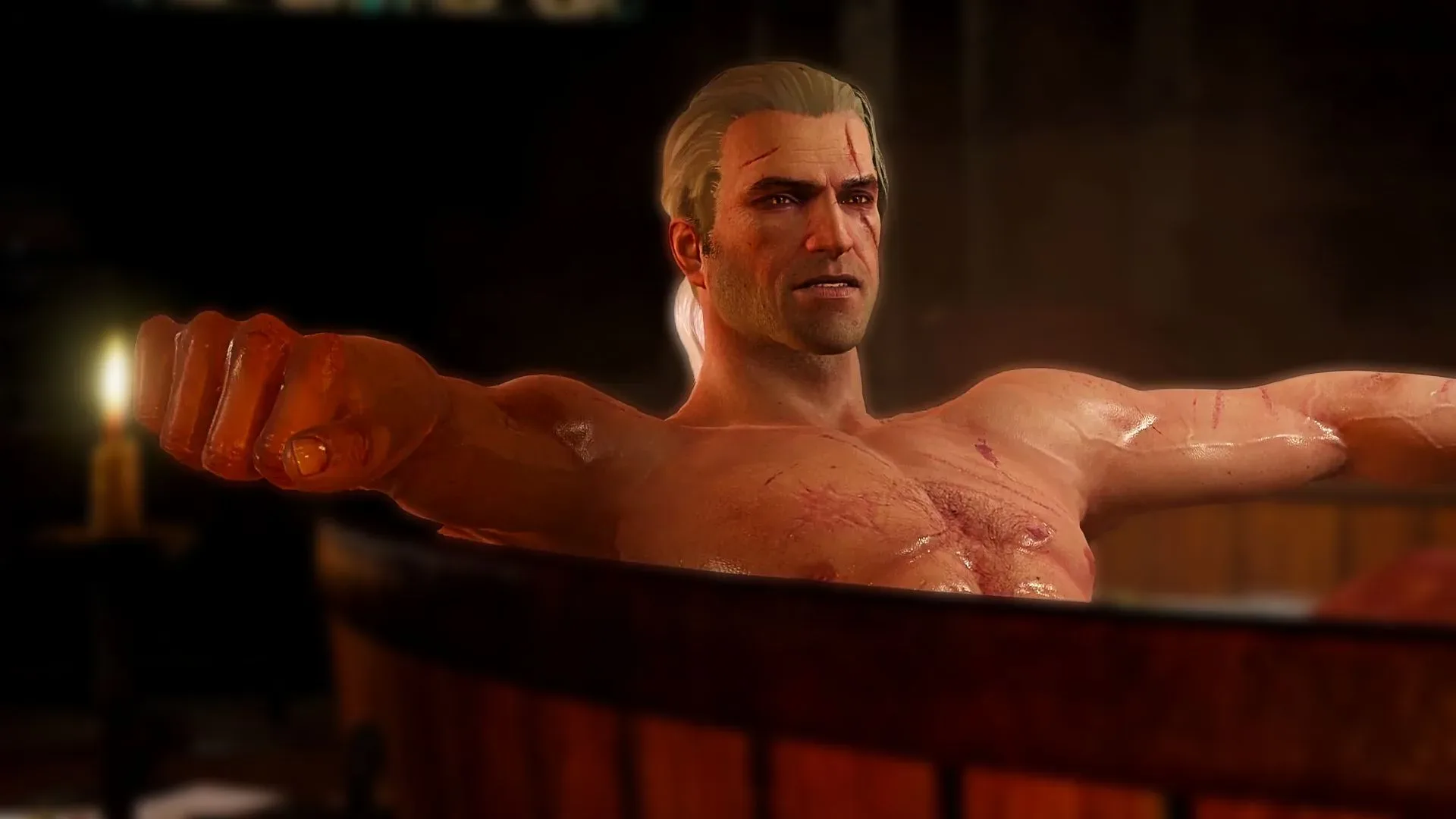
Roach is not the only familiar presence tied to Songs of the Past. Doug Cockle, who has voiced Geralt for 20 years, has described returning to the character for the project as being like slipping into a warm bath. That image neatly captures the appeal of a return to this world: the setting and its characters are long-standing companions for many players, even as new work changes parts of the experience.
In that context, the legacy Roach option feels less like a throwaway novelty and more like a sensible piece of preservation. It gives players control over one of those small, personal details. Someone returning for Geralt’s voice, for the world, or for the new Songs of the Past material can decide whether their journeys should use the updated mount behavior or the familiar version that has earned an outsized place in the game’s mythology.
There is a broader comfort in this approach. A remaster does not have to demand that players abandon the particular version of the game stored in their heads. It can offer a refinement while leaving the door open to the eccentricities that made earlier adventures memorable. Roach, in other words, can improve her manners without being required to become a completely different horse.
A useful precedent for revisiting big games
The decision is especially welcome because open-world games are defined by the accumulation of countless small interactions. A single system, such as a horse’s movement, affects the rhythm between quests, exploration and discoveries. Changes to that system can alter how familiar spaces feel, even if the main story remains unchanged. Giving players a switch respects that relationship with the original design.
It also preserves a valuable kind of playfulness. Gaming history is full of beloved oddities that became more famous than many carefully designed features. Sometimes a strange behavior becomes a fondly remembered signature. Sometimes it is merely annoying. The ideal response is not always to fossilize the past or sanitize it completely. When possible, a choice lets the player decide whether the quirk is part of the magic.
That balance is worth keeping in mind as players look toward the remaster and Songs of the Past. Technical adjustments can be meaningful, especially in an enormous game where traversal matters. But the ability to select legacy Roach means those changes need not come at the expense of a wonderfully unruly companion.
For players who enjoy fantasy journeys with a little extra disorder, the choice is clear: select the older behavior, whistle for Roach, and accept that the Continent’s most dependable horse may still have her own ideas about where she belongs. Anyone currently wrestling with another large fantasy world’s navigation problems may recognize the feeling in this look at getting lost in Blood of the Dawnwalker. At least Roach’s detours come with character.