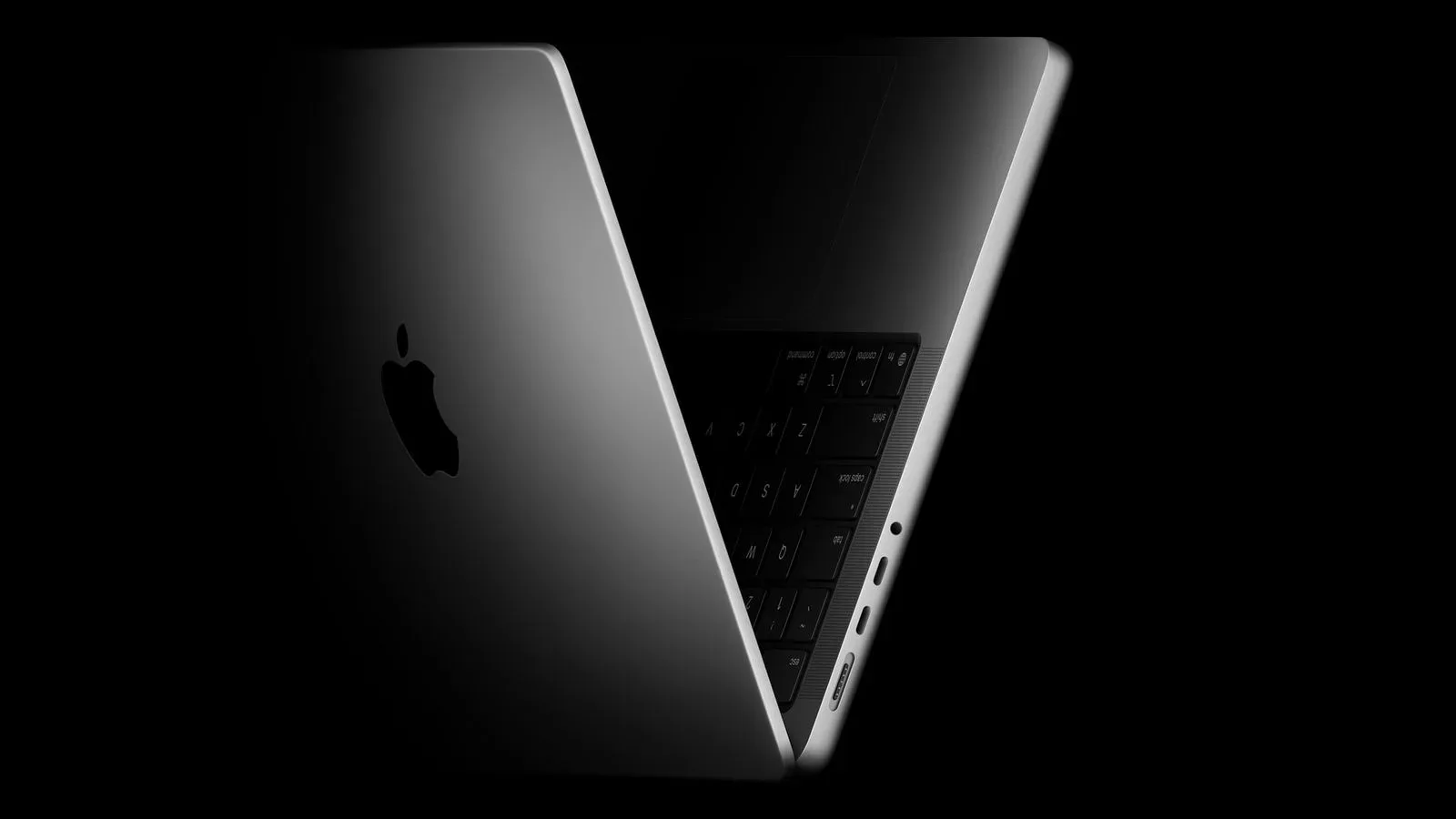
The lit Apple emblem is coming back to the rear of the MacBook Pro. It is a small visual detail in a premium laptop line, but it is also one of the most immediately recognizable pieces of laptop design Apple has ever used: open the lid, and the logo on its exterior lights up.
Apple dropped that feature during the MacBook Pro redesign in 2016, opting for a polished but non-illuminated logo. The latest MacBook Pro restores the glowing mark after roughly a decade away. For people who associate older MacBooks with the sight of a bright logo across a classroom, studio, office or tournament setup, the return is likely to be a more emotional change than a practical one. It does not promise faster exports, longer battery life or a better frame rate. It restores a visual signature.
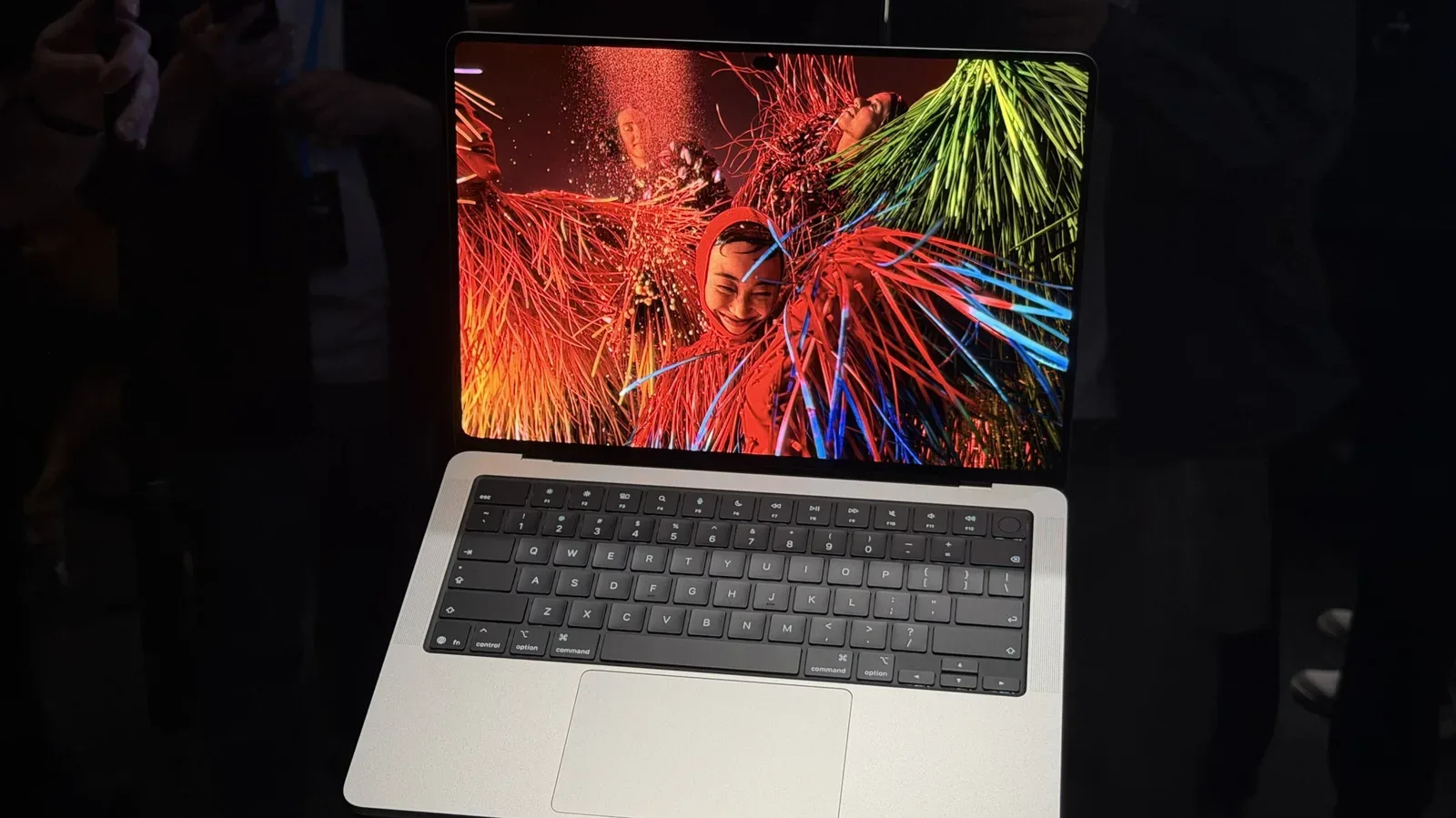
There is, however, a meaningful technical wrinkle behind the familiar glow. The new MacBook Pro uses what Apple calls a PROLED XDR Display, an OLED display type that lights pixels individually. That makes the old method for illuminating the lid logo unsuitable, so the new hardware needs a separate approach.
A recognizable design feature, restored
Apple’s earlier illuminated MacBook Pro logo was not simply a decorative lamp placed in the lid. It was lit by the display’s backlight. In plain terms, the screen assembly included a light source behind the display, and that light could also shine through the logo cutout on the outside of the lid.
The 2016 redesign removed the glow and substituted a reflective, polished emblem. That version of the logo remained visible through ambient light but did not emit any of its own. The difference is straightforward in use: a polished logo catches a room’s light; an illuminated logo creates its own point of light.
Bringing the illuminated version back gives the new MacBook Pro a stronger visual identity when the computer is in use. It is an exterior-facing change, aimed at what onlookers see rather than what is directly on the screen in front of the owner. That may sound superficial, but physical design is part of how hardware becomes memorable. A laptop can be closed, viewed from across a room or seen in a photo, and the logo has historically been one of the clearest ways to identify it.
For gaming-adjacent creative work, streaming, development and general PC setups, that means the MacBook Pro regains a recognizable visual cue without changing the fundamental reality that the computer’s screen and input surfaces are where the owner actually interacts with it. The logo is branding, not a user interface. Still, it is branding with a long history in the product line.
Why OLED makes the return more complicated
The old illuminated logo was linked to the display backlight. A backlight is a broad source of illumination positioned behind a display panel. It is necessary for display technologies that do not generate their own light in each pixel.
OLED works differently. OLED, short for organic light-emitting diode, is a display technology in which individual pixels provide their own illumination. A pixel can light up when needed or turn off when it is meant to be black. Because there is no separate display backlight performing the old job, Apple cannot merely revive the former lid-logo arrangement unchanged.
That distinction is important because it frames this as more than a simple return to an old cosmetic component. The appearance may deliberately recall previous MacBook Pro generations, but its implementation has to fit a different display architecture. The supplied details do not specify Apple’s new lighting mechanism, its power draw, its brightness behavior or whether users can control it. Those remain unknown. What is clear is that the new system is distinct from the previous one by necessity.
The result is a good example of a recurring hardware-design tension: a company can revisit a beloved outward feature, but newer internal engineering often means the revival cannot literally be a copy of the old design. Familiarity on the surface can require fresh work underneath.
What PROLED XDR tells us — and what it does not
Apple identifies the new panel as a PROLED XDR Display. The name confirms that the latest MacBook Pro uses OLED behavior in which pixels illuminate independently rather than relying on the kind of separate backlight used by the prior glowing-logo design.
It does not, by itself, establish every performance characteristic someone may want to know before buying. A display label does not tell readers how the new logo is powered, whether it changes behavior at different screen brightness levels, or whether it has any effect on the laptop’s operating time. None of those details have been provided.
That boundary matters in early hardware coverage. It is tempting to fill in technical gaps with assumptions based on prior devices or general expectations surrounding OLED. But the confirmed story is narrower and cleaner: the panel’s self-lit pixels mean the original logo-lighting design cannot be directly reused, and Apple has implemented another solution to bring the exterior glow back.
Those considering the new MacBook Pro will still want to weigh the entire machine rather than treat the logo as a deciding specification. The new system starts at $2,899 for the 14-inch model and $3,399 for the 16-inch model. At that price tier, the lit emblem is best understood as a distinctive piece of industrial design rather than an argument that overrides a buyer’s workflow, software needs or budget.
The practical significance is mostly identity, not utility
There are practical reasons a glowing logo can matter at the margins. It makes a MacBook Pro easier to identify from the other side of the lid, particularly in low-light settings. It may also appeal to owners who prefer hardware with a visibly expressive exterior rather than an intentionally understated one.
But the feature should not be confused with a productivity tool. It does not expand screen area, add ports, increase storage or change how games run. Its chief role is visual: an unmistakable Apple signal that is visible while the laptop is open.
That can nonetheless be a meaningful buying factor for a certain audience. PC hardware is not only purchased as a worksheet of specifications. Build quality, feel, visual personality and the sense that a device belongs on a desk all affect preferences. The return of the illuminated logo acknowledges that an older MacBook Pro trait retained cultural value even after its removal.
It also creates a clearer link between the new model and a previous era of Apple laptops while retaining the newer display direction. That blend is the interesting part: retro-facing exterior symbolism paired with an OLED-era technical constraint that demands a new solution.
Where this fits in the new MacBook Pro story
The relit logo arrives alongside broader changes to Apple’s current high-end notebook direction. The model has been positioned with a new OLED-based display, while other reporting has covered the line’s touchscreen and chip changes. For additional context on the machine’s display and pricing direction, see Apple’s touchscreen MacBook Pro, OLED and premium price floor.
Within that larger picture, the logo is an unusually visible detail because it faces away from the person using the computer. It is a reminder that laptop design has two audiences: the owner operating the screen and keyboard, and everyone who sees the exterior of the machine.
Apple’s decision makes that exterior audience part of the design again. The glowing Apple logo is back on MacBook Pro, but it is not simply the old glow resurrected unchanged. The move from a backlit display arrangement to individually illuminated OLED pixels means the familiar feature has returned under new engineering conditions.
For longtime observers, that is the headline in miniature: an old MacBook Pro hallmark returns, made possible in a way the older machines did not need.