Steam’s storefront briefly became unavailable on October 21, creating an awkward interruption in the middle of Steam Next Fest: the event designed to put thousands of playable demos in front of PC players. The issue affected both the Steam client’s store interface and the web version, with affected users encountering an “E502 L2” message saying their request could not be serviced and inviting them to try again later.
The useful distinction for anyone caught in the interruption was that Steam did not appear to be wholly offline. Library access, game downloads, updates and launching games were reported as continuing to work, including online games. In practical terms, players who already owned a game or already had a download queued were in a much better position than someone arriving specifically to browse the Next Fest catalogue.
That split matters because Steam is not one single action from a user’s perspective. A player can open an installed game through their library, download an update, manage existing content and visit a store page; those are different jobs, even if they live behind the same familiar interface. When the storefront is the portion having trouble, the immediate impact is less “all PC games have vanished into the cloud” and more “the shop door is temporarily locked while the games already in your backpack are still there.” Not quite relaxing, but substantially less apocalyptic.
What the outage did — and did not — appear to affect
During the brief disruption, the main obstacle was discovery and access to new store listings. That is especially poorly timed during Next Fest, when the point is to investigate unfamiliar games and install time-limited demos. If a store page cannot load, players may be unable to search for a demo, read its description, or begin downloading it from that listing.
Existing downloads and game launches appeared to remain functional. Reports specifically indicated that downloads and updates could proceed, and that games could be started, including titles with online functionality. That is encouraging for players worried about losing access to a current session or an installed game simply because the shop had an outage.
It is still important not to turn those observations into a blanket guarantee. A service incident can affect people differently depending on region, timing, device, login state or the precise feature they are trying to use. “The library worked” is not the same as “every Steam function worked for every person.” What the available evidence supports is narrower: the store was unavailable for a period, while several major library, download and launch functions appeared stable.
Widespread user reports also indicated the issue was not merely a single browser hiccup or local connection problem. The store was restored in short order, but Valve had not provided a reason for the interruption at the time of the reports.
Why the PHP security warnings became part of the conversation
The timing overlapped with a broader web-security response. On October 21, CERT-EU issued an advisory concerning critical vulnerabilities in PHP that could allow remote code execution. That term describes a serious class of security flaw: if successfully exploited, it can allow an attacker to make a vulnerable system run code remotely. It is the kind of risk that can prompt organizations to prioritize containment and patching over keeping every public-facing page continuously available.
Related coverage includes Steam Store Briefly Goes Offline During Next Fest as Downloads Remain Available.
PHP is a programming language used by web applications. Its mention does not establish that any given site uses PHP in a relevant way, that it is vulnerable, or that an outage was caused by a PHP issue. In Steam’s case, there was no confirmation tying the store interruption to the advisory. The overlap is therefore a plausible piece of context, not an explanation.
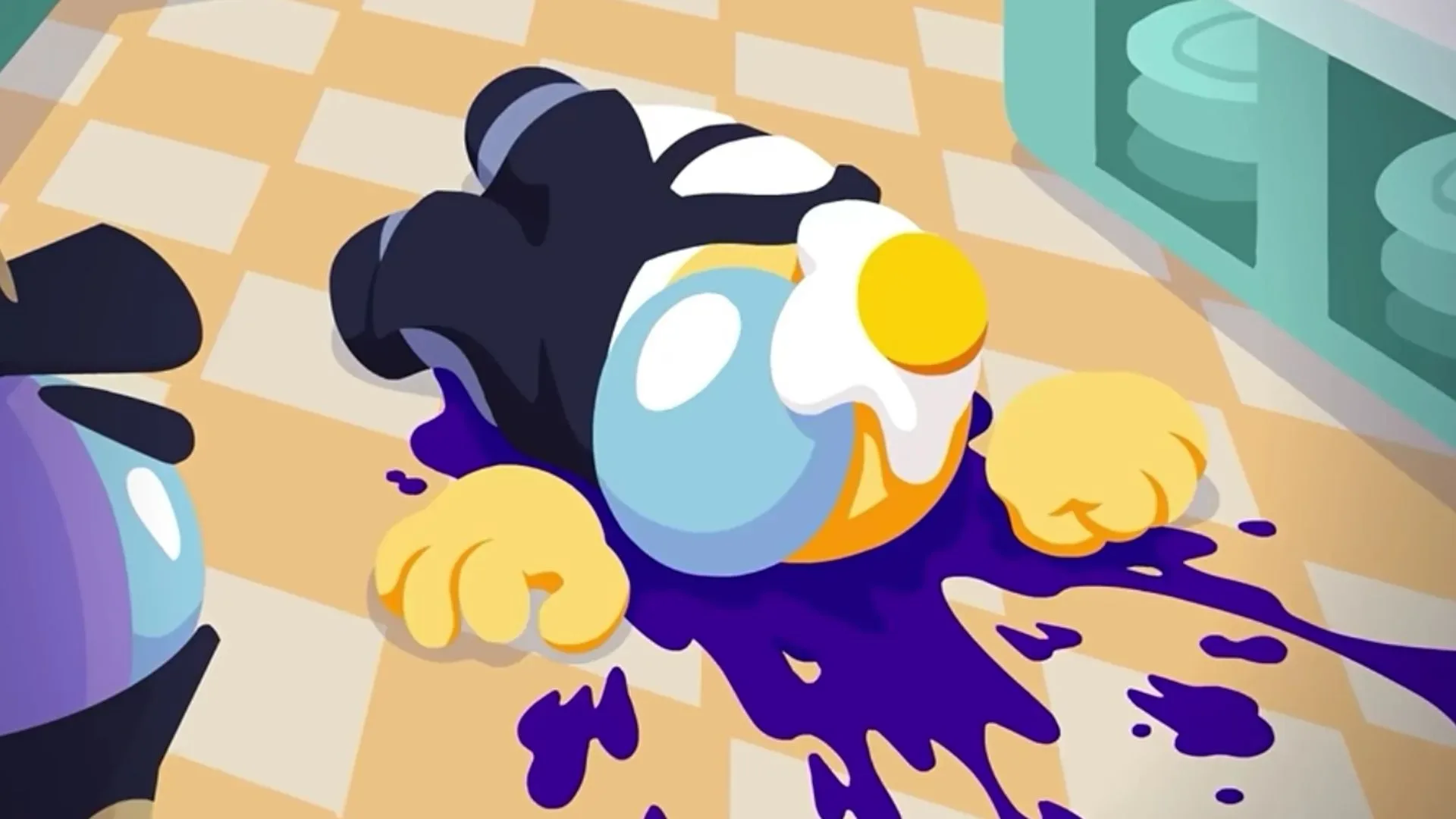
That distinction is worth being stubborn about. A 502-style error can appear when a web service cannot successfully handle or complete a request through the systems that sit between a visitor and an application. The label shown to users is not a public incident report, and it does not identify a root cause on its own. Maintenance, traffic problems, configuration changes, upstream service trouble and protective measures can all produce a frustratingly similar end result: a page that declines to load and a small sad icon that is somehow less comforting than it thinks it is.
CERT-EU’s practical guidance was to identify PHP-based applications, prepare to patch when fixed versions are available and, where prompt remediation is not possible, consider isolating internet-facing applications from public networks until a fix can be applied. Separately, government sites were reportedly taken offline amid the wider response. Those facts explain why temporary web-service disruptions attracted attention that day. They do not confirm Valve took Steam’s storefront down as a security precaution.
Why Next Fest makes a storefront outage feel bigger
Steam Next Fest is built around browsing. A player usually arrives without a complete shopping list, then filters categories, watches trailers, reads descriptions, follows a developer or hits the download button on a demo that catches their eye. The storefront is not an optional extra in that flow; it is the map, the shelf labels and the checkout counter, even where the demo itself is free.
For smaller developers, that browsing layer can be particularly important. A demo may depend on discovery through the event hub, search and recommendation paths rather than a community that already knows exactly where to look. A short store outage does not erase an event, but it can interrupt the moment where curiosity turns into an install. The good news is that the reported interruption was brief and the store came back, allowing visitors to resume hunting through the demo pile.
There is a related practical lesson for players: when a storefront feature is unavailable but the library still works, avoid treating the error as proof that your account, installed games or PC has failed. First, try opening a game you already have, checking the library, or waiting before repeatedly restarting the client. Repeatedly changing passwords, reinstalling software or assuming a purchase has disappeared is usually a much bigger response than a temporary service-side issue warrants.
A sensible checklist during a Steam store error
- Check whether the problem is limited to the store. See whether your library loads and whether an already-installed game launches.
- Do not confuse browsing with downloading. A queued or existing download may continue even when new store pages will not open.
- Wait and retry before troubleshooting aggressively. A widespread, short-lived service interruption often resolves without changes on your PC.
- Be cautious with claims of a cause. Security news and an outage happening on the same day are not confirmation that one caused the other.
- Return to the event hub after service resumes. Next Fest browsing is the affected part most likely to matter if you were looking for a new demo.
Steam’s shop returned, but the timing remains the story
The store’s recovery means the immediate practical problem passed quickly. Players could once again get back to browsing demos rather than staring at an error code. But the incident is a tidy reminder of how differently an online gaming platform’s components can behave under pressure: purchasing and discovery can stumble while libraries, downloads and launches continue to operate.
It also demonstrates why careful wording matters during security-heavy news cycles. The PHP vulnerability warnings were significant context, and organizations across the web were responding to them. Yet Valve did not identify that issue as the reason for Steam’s store disruption. Until it does, the most accurate account is simple: Steam’s store briefly went offline across client and web access during Next Fest, core use of existing games appeared largely intact, and the service returned.
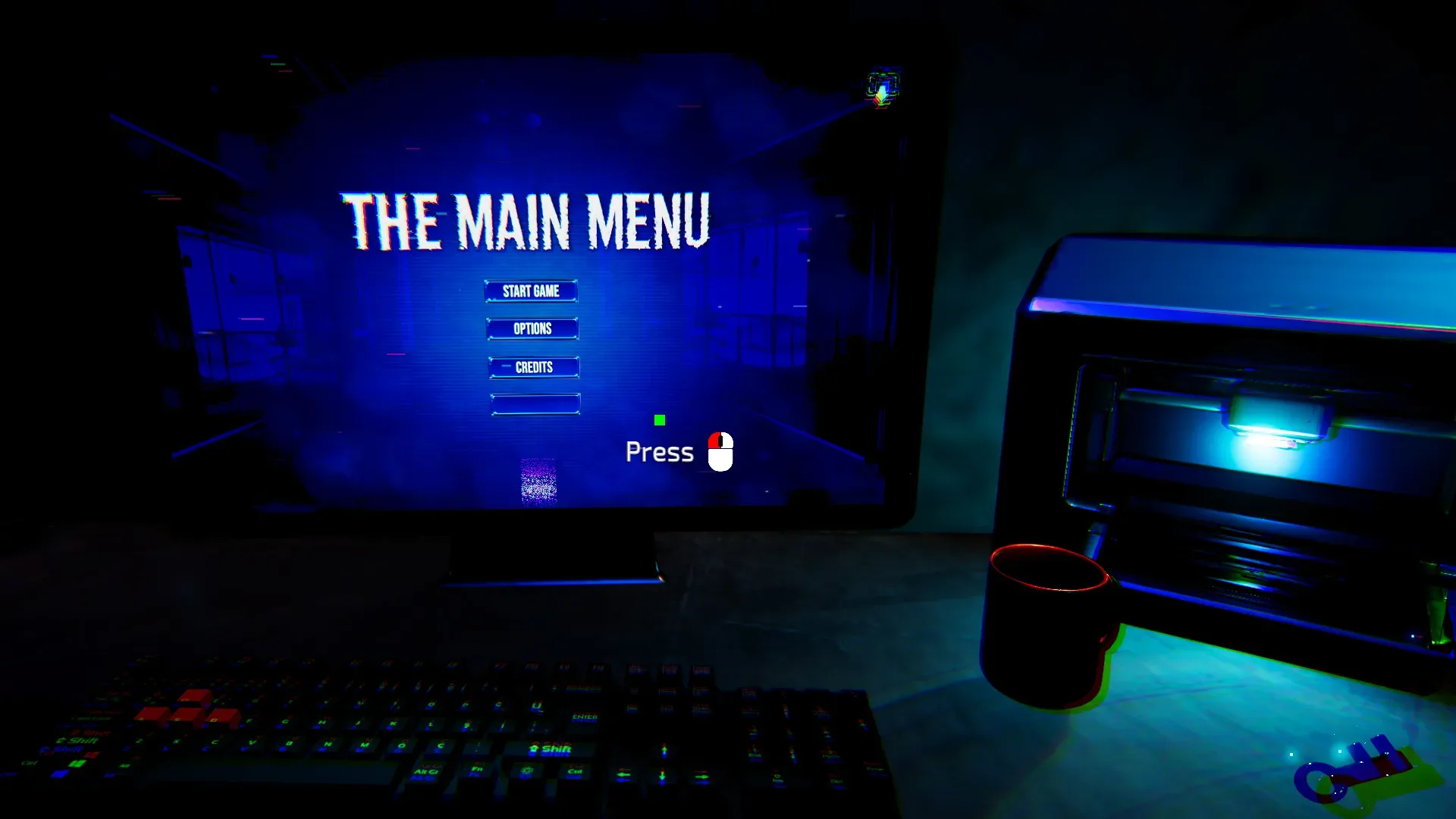
For players looking to use the event after the interruption, the next step is pleasantly ordinary again: browse the demos, install the ones that look promising and try not to take it personally when the storefront’s unhappy purple blob briefly judges your timing. For a current example of the kind of discovery Next Fest supports, The Main Menu demo is available on Steam.