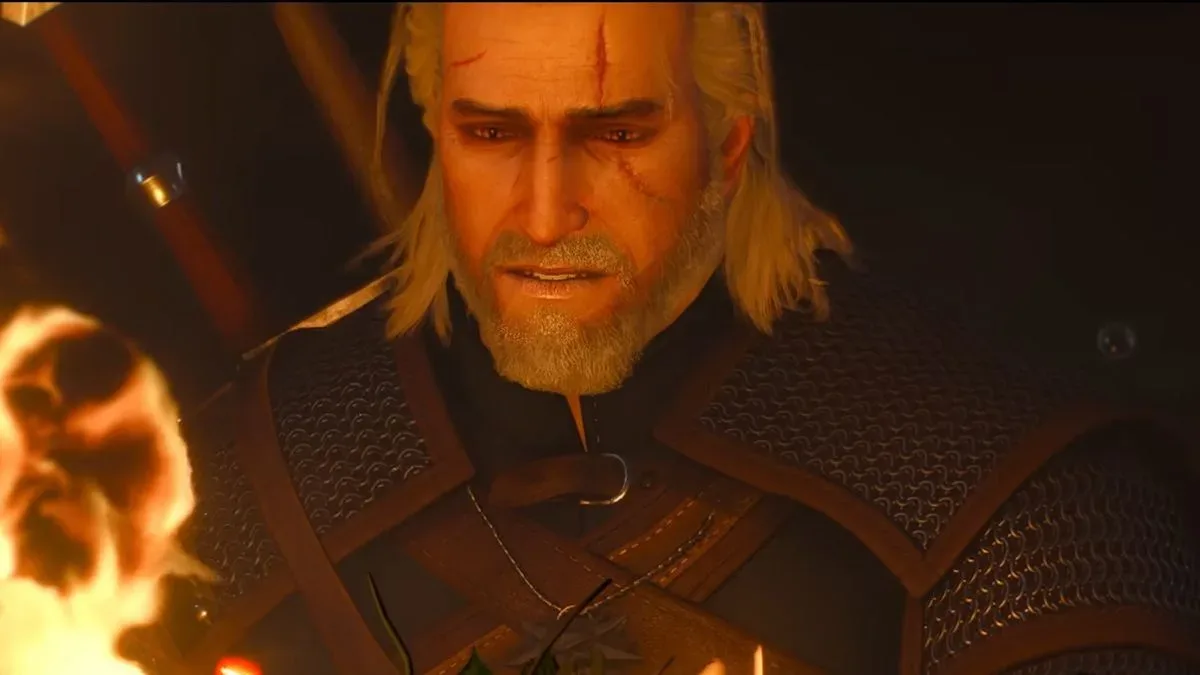
Steam’s 2026 awards nominations have opened with a special category for the event’s 10th edition: a Hall of Fame award intended to choose among the platform’s previous Game of the Year winners. It is a straightforwardly celebratory idea with one wonderfully awkward historical footnote. Steam did not actually have a Game of the Year category during the first two years of its awards.
That gap has been filled retroactively with Grand Theft Auto 5 for 2016 and The Witcher 3 for 2017. They now sit in a Hall of Fame field alongside later Game of the Year heavyweights including Elden Ring, Baldur’s Gate 3, and Hollow Knight: Silksong.
The catch is not that GTA 5 or The Witcher 3 are implausible choices. Both were widely acclaimed, and both have the kind of stature that makes a Hall of Fame ballot feel appropriately stacked. The unusual part is the method: neither game was originally selected by Steam players in a Game of the Year vote. The relevant Steam FAQ describes the older award results used to make these selections as a proxy—meaning a substitute measure used when the direct record does not exist.
How the two stand-ins were chosen
The earliest Steam Awards leaned into playful, nontraditional category names rather than a conventional Game of the Year prize. In 2016, GTA 5 won the award called “Whoooaaaaaaa, dude!”, a category for games described as capable of melting the player’s face. In 2017, The Witcher 3 won “Choices Matter”, recognizing games with substantial player agency.
Those two category wins now serve as Steam’s stand-ins for its missing 2016 and 2017 GOTY selections. Put another way, the Hall of Fame ballot is not claiming that an original GOTY vote happened under a different name. It is using evidence from the first two awards years to create a representative winner for each missing slot.
That distinction matters because awards are partly records. A normal Game of the Year result answers a narrow question: which game did voters choose in that category at that particular time? A proxy answers a different question: given the available results, which winner is the best fit to represent the year now? The latter can still be useful and fun, but it is inevitably an editorial or organizational reconstruction rather than a recovered ballot result.
Why the choices invite debate
The proxy method leaves room for perfectly fair questions about consistency. GTA 5’s 2016 category was broad and expressive, but it was not framed as an award for that year’s new releases. The Witcher 3’s 2017 category rewarded meaningful choices and player agency, which is a recognizable strength of the game, yet it was likewise not a Game of the Year contest.
There were other possible signals in the 2017 awards. The Evil Within 2 won “Whoooaaaaaaa, Dude! 2.0”, while Cuphead won “Even Better Than I Expected.” The latter category was explicitly designed around games released in 2017. That does not establish that either game should replace The Witcher 3 on the Hall of Fame slate; Steam has made its choice. It does show why the word “proxy” is doing serious work here. Several different historical awards could produce several different answers depending on the rule selected.
Related coverage includes Steam Hall of Fame Nominees Include Retroactive GTA 5 and Witcher 3 Game of the Year Picks.
There is also a release-timing wrinkle. The Witcher 3 and the PC version of GTA 5 were both released in 2015, before the Steam Awards existed. Their inclusion is therefore based on their wins in the awards’ early years, not on a conventional release-year eligibility model. For a Hall of Fame vote, that may be more interesting than troublesome: it puts lasting player enthusiasm at the center of the exercise. Still, it means the ballot is better understood as a celebration of Steam Awards history than as a clean, year-by-year archive of launches.
What the Hall of Fame vote is really measuring
A Hall of Fame category naturally changes the comparison. The original Game of the Year awards asked voters to choose among games associated with a particular awards cycle. This ballot asks players to compare winners across multiple years, genres, and eras of platform culture. A sprawling open-world crime game, a choice-driven fantasy RPG, and more recent landmark releases are no longer competing against their immediate contemporaries. They are competing for permanence.
That makes the category less about proving an objectively best game and more about visibility, affection, influence, replay value, and the memories attached to a game’s Steam audience. Those qualities cannot be neatly separated on a public vote. A voter may favor the game they spent the most time with, the one they discovered through friends, the title that defined a particular year, or simply the contender they believe deserves another moment in the spotlight.
In that sense, the retroactive selections are fitting even if they are untidy. GTA 5 and The Witcher 3 were already part of the early Steam Awards story through their category victories. Elevating them to representative GOTY status gives the Hall of Fame a fuller 10-winner history to work with. It also creates exactly the kind of classification argument that game-award audiences tend to enjoy: not a dispute over whether acclaimed games deserve appreciation, but over the rules used to put them in the same bracket.
What players should take from the nomination slate
For voters, the practical point is simple: the Hall of Fame category is a special retrospective vote, and its candidate pool includes two winners determined after the fact through earlier category results. Anyone weighing the choices can treat that context as part of the story without confusing it with a criticism of the games themselves.
For observers, it is a reminder that award systems evolve. Early Steam Awards categories were intentionally eccentric, and that personality is part of what made them distinct. Once a long-running award program begins building anniversaries, legacy honors, and historical rolls of winners, however, playful category design can collide with the desire for a tidy archive.
The 2026 Hall of Fame ballot resolves that archival problem by selecting representatives rather than leaving two blank years. It is not a perfect historical match, because no actual 2016 or 2017 Steam GOTY category existed to produce one. But it does turn an absence into a conversation—and it gives players an unusually loaded ballot where GTA 5 and The Witcher 3 can be judged against some of the platform’s later giants.
For another Rockstar-related Steam-era conversation, see our guide to GTA VI’s Sniper of La Perle radio station tracklist and unlock requirement.