Steam’s 10th annual awards voting is now open across 14 categories, with one new-looking top-line question towering over the usual seasonal hardware-store-points energy: which game is the platform’s “#1 game of the past 10 years”?
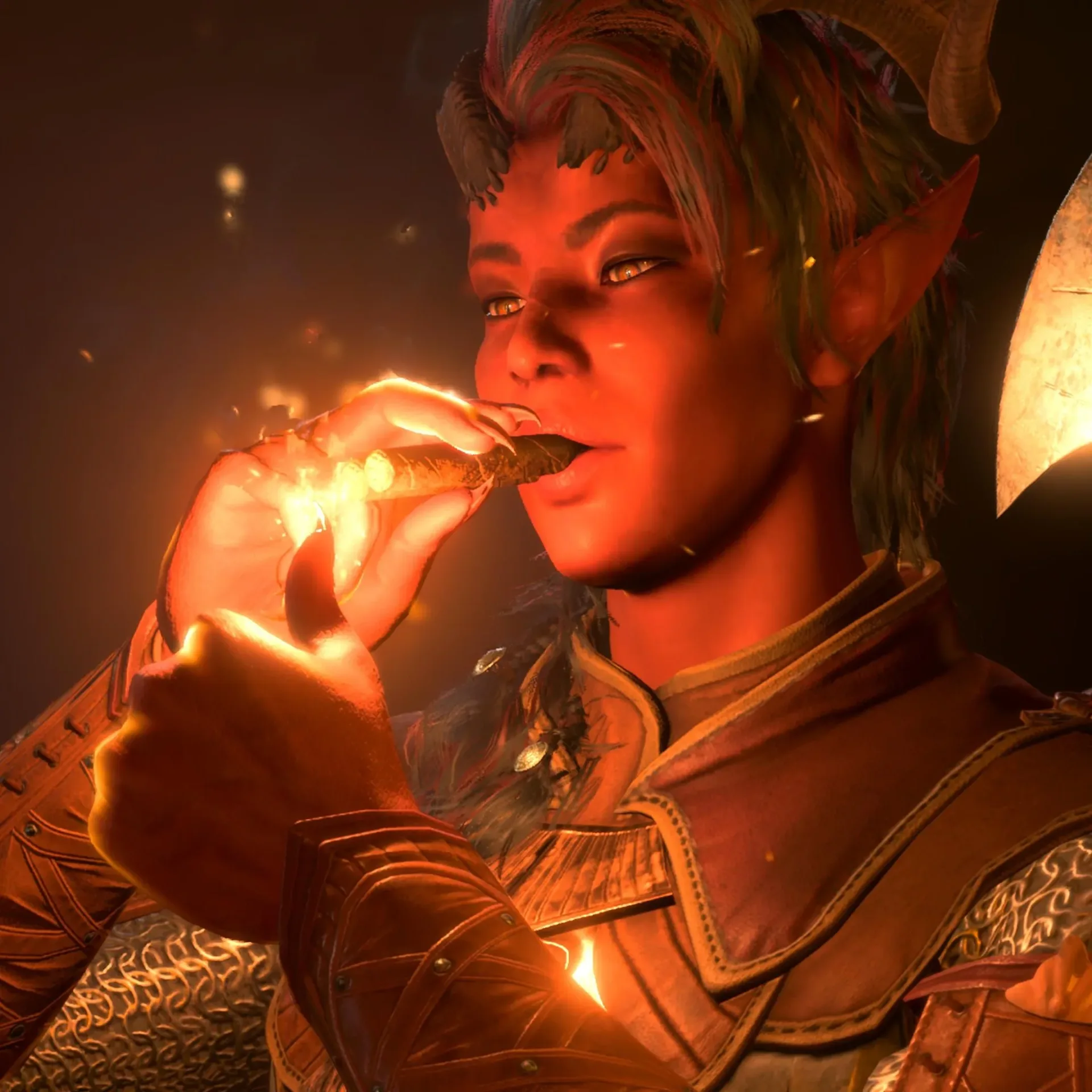
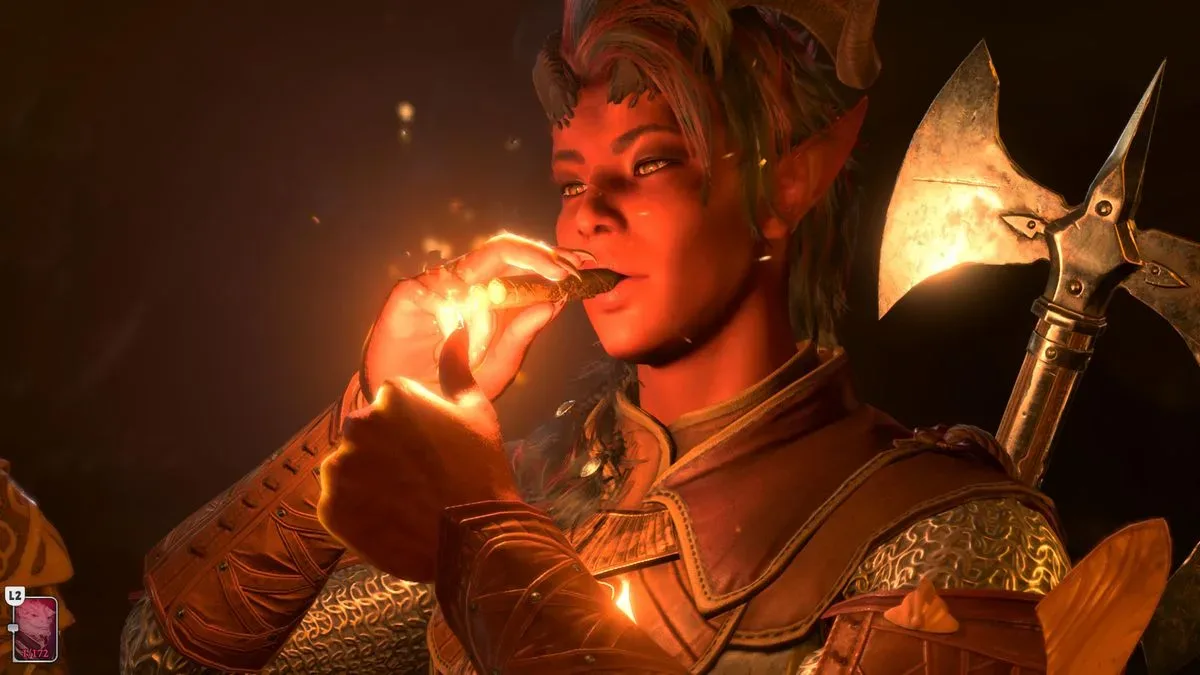
The Hall of Fame Award draws from a field of 10 titles connected to Steam’s yearly winners covering 2016 through 2025. The nominee list reaches across remarkably different kinds of games and communities: Grand Theft Auto V, The Witcher 3, PUBG, Sekiro: Shadows Die Twice, Red Dead Redemption 2, Resident Evil Village, Elden Ring, Baldur’s Gate 3, Black Myth Wukong, and Hollow Knight: Silksong.
It is a deliberately huge comparison. These games do not share one genre, one pace, one way of being enjoyed, or even one obvious definition of success. Some are giant open-world adventures; some are built around punishing action combat; one is a multiplayer battle royale; another is a Metroidvania, a side-scrolling exploration format in which new abilities commonly open routes that were previously inaccessible. The Hall of Fame ballot is less a neat genre contest than a collision between 10 different memories of what players value most.
The 10 games in the Hall of Fame field
In the release-year ordering used for the ballot, the candidates are:
- Grand Theft Auto V
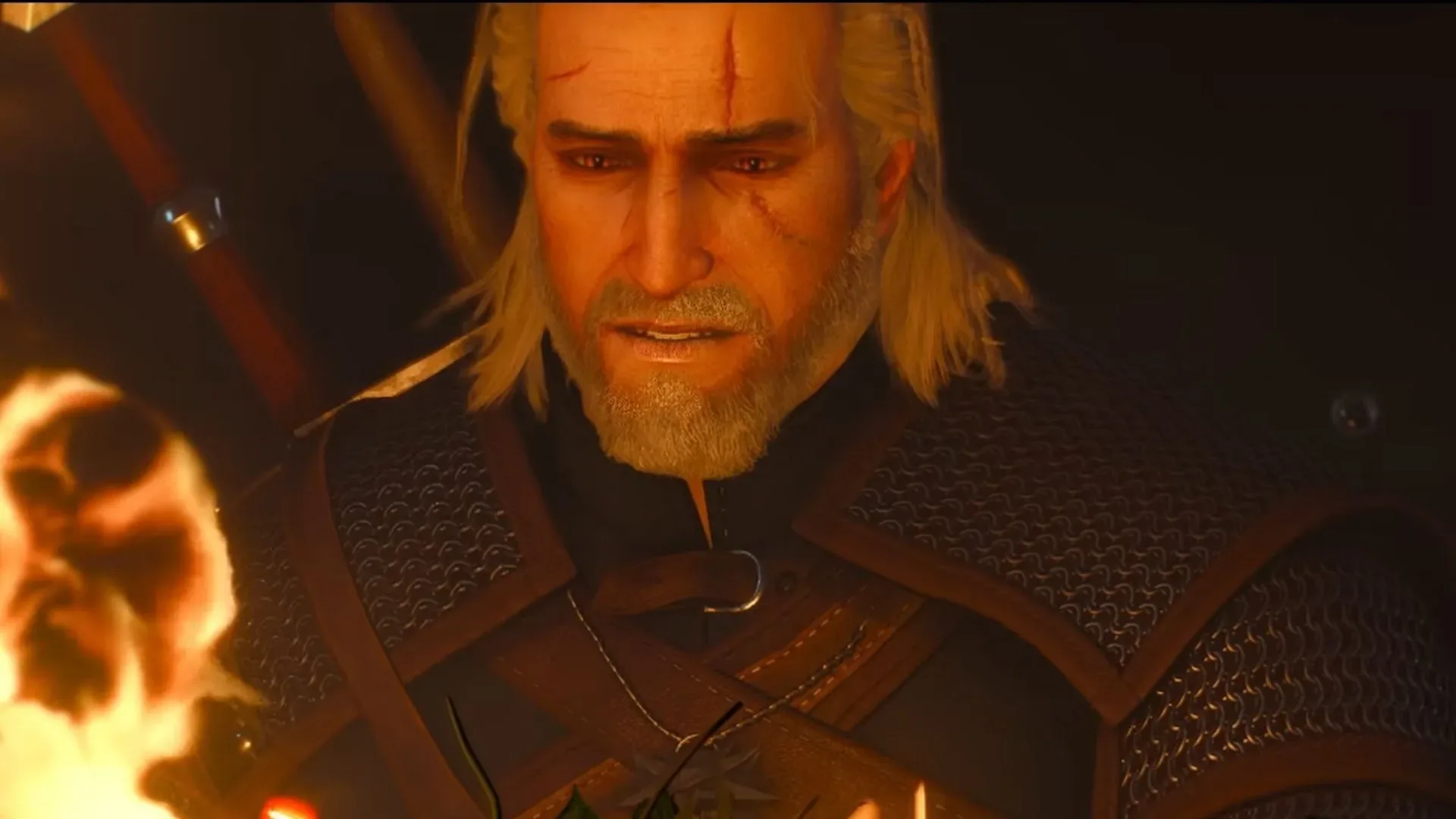
- The Witcher 3
- PUBG
- Sekiro: Shadows Die Twice
- Red Dead Redemption 2
- Resident Evil Village
- Elden Ring
- Baldur’s Gate 3
- Black Myth Wukong
- Hollow Knight: Silksong
The basic qualifier here is important. The award is not framed as a fresh selection of every game released during the decade. It is a vote among games associated with Steam’s annual winners from 2016 to 2025. That narrows an impossibly broad “best game” argument into a contest among titles that have already occupied a prominent place in the platform’s awards history.
GOTY, shorthand for “Game of the Year,” usually means an award’s primary annual honor. In this case, though, the earliest two entries come with an unusual bit of awards bookkeeping.
Why GTA V and The Witcher 3 are on a 2016–2025 ballot
Grand Theft Auto V and The Witcher 3 can look out of place at first glance when placed beside years that suggest they were new releases. They were not. Steam’s explanation is that it did not have a conventional Game of the Year award in 2016 or 2017, so it used winners from other categories as stand-ins for those years when building the Hall of Fame pool.
Grand Theft Auto V won 2016’s “Whoooaaaaaaa, Dude!” award, while The Witcher 3 won 2017’s “Choices Matter” award. Those wins have been treated as retroactive Game of the Year equivalents for purposes of the current Hall of Fame ballot.
Related coverage includes Steam Hall of Fame Voting Opens With Baldur's Gate 3, Elden Ring and Silksong in the Running.
That does not rewrite either game’s actual release date. It explains their eligibility in a retrospective award assembled from a decade of Steam honors. It also makes the field a little more eclectic than a simple release-calendar list. The two games arrive not because they debuted in those corresponding years, but because Steam has chosen a practical proxy for years in which its awards framework did not provide the exact category needed.
The arrangement is a reminder that anniversary awards are often exercises in interpretation as much as record keeping. A platform has to establish a rule for comparing 10 years of winners; here, Valve’s rule preserves 2016 and 2017 in the decade-spanning vote rather than leaving two empty slots.
One ballot, several very different player priorities
The most interesting part of the Hall of Fame vote may be what it asks players to compare. An individual voter may be weighing the freedom and scale associated with Grand Theft Auto V or Red Dead Redemption 2 against the role-playing choices of The Witcher 3 and Baldur’s Gate 3. Others may favor the precise, demanding action of Sekiro or Elden Ring. PUBG represents a fundamentally social, competitive multiplayer experience, while Resident Evil Village and Black Myth Wukong offer still other action-focused perspectives.
Silksong’s presence adds a different kind of constituency. A Metroidvania audience is often particularly invested in movement, exploration, route discovery and the satisfaction of gradually mastering a tightly connected world. That is not the same appeal as a sweeping open world, a branching role-playing campaign, or a multiplayer match, but the ballot gives each of those preferences equal standing at the moment of voting.
For that reason, the award will likely say as much about the Steam electorate as it does about any supposedly objective hierarchy of games. A community vote measures the preferences of the people who participate under that award’s rules and on that platform. It does not settle every broader argument about the decade, nor is it automatically interchangeable with awards voted on by critics, industry panels, or a different mix of players.
That distinction matters especially in a field where several candidates have substantial, highly committed fan communities. A winner does not have to be the title with the widest imaginable appeal across all gaming spaces. It needs to prevail in this particular vote.
The apparent frontrunners—and the case for surprises
On name recognition and the scale of their cultural footprint within this shortlist, Grand Theft Auto V, The Witcher 3, Red Dead Redemption 2, Elden Ring and Baldur’s Gate 3 stand out as plausible leaders. Each is the kind of game that inspires durable discussion long after an initial playthrough or launch window, albeit for notably different reasons.
But calling them favorites should not be mistaken for a result. Steam’s audience is its own voting population, and a long-decade Hall of Fame category can reward passion just as readily as broad familiarity. A concentrated turnout behind a beloved game can matter enormously in a straightforward community ballot.
That is where Silksong becomes a particularly intriguing possibility. Its supporters are not voting for an open-world blockbuster simply because that is what a conventional all-time list might be expected to reward; they can vote for the game that best represents their preferred design tradition. The same principle applies to every nominee. Resident Evil Village supporters, for example, have a chance to elevate a survival-horror-adjacent series entry against games from genres that often dominate large-scale popularity conversations.
There is no need to treat an unexpected winner as evidence that the ballot went wrong. The whole premise is public preference among previous yearly honorees. A surprise would instead reveal which game’s community found the occasion most meaningful and showed up to make that case.
What the Hall of Fame category can and cannot answer
“Best of the past 10 years” is an appealing phrase because it sounds definitive. In practice, it hides several separate questions. Is the best game the one someone played the most? The one with the strongest world? The best combat? The most memorable story? The one that encouraged the most conversations with friends? The one a player would most happily revisit? Steam’s Hall of Fame ballot lets voters answer those questions privately with a single selection, but it does not force one universal standard.
That ambiguity is not a flaw. It is the point of an all-encompassing fan award. PUBG and Baldur’s Gate 3 need not be evaluated as if they were trying to accomplish identical things. Voters can instead decide which type of experience has meant the most to them over the period represented.
It also helps explain why debates around these awards can become so lively without producing much consensus. Players are often defending different criteria while using the same word: “best.” One player may mean mechanical challenge, another may mean role-playing freedom, and another may mean an unforgettable shared multiplayer history. The Hall of Fame result will be a count of choices, not a final technical definition of quality.
A decade-spanning GTA presence
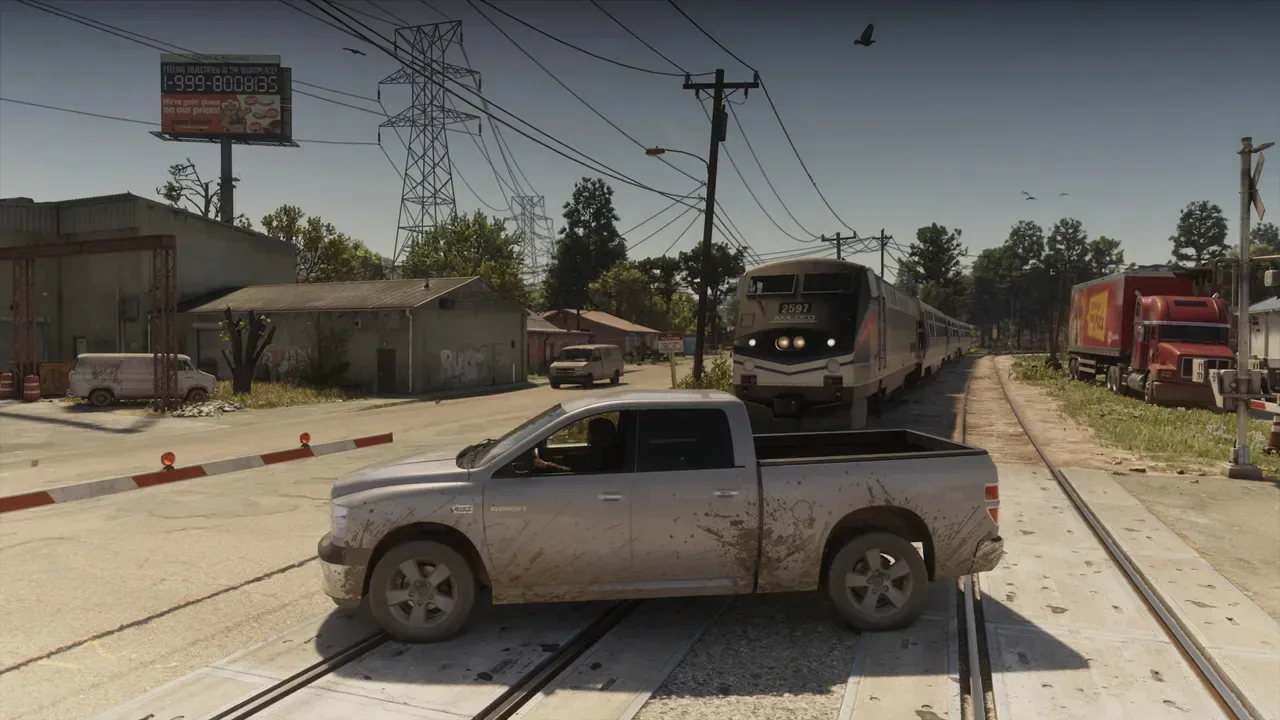
Grand Theft Auto V enters this vote through the special 2016 proxy arrangement, which makes its nomination one of the ballot’s clearest examples of the award’s retrospective structure. It also arrives at a moment when the series remains a frequent subject of player discussion. For a separate look at the contrast players have drawn between GTA V and a newer entry’s rail system, see this look at the debate over GTA V’s unbreakable locomotive.
For the Hall of Fame contest itself, however, every nominee starts from the same basic proposition: it has already been recognized in Steam’s awards history and now faces nine other past honorees. The unusual inclusion logic for the first two years may generate questions, but it is clearly stated. The bigger uncertainty is the only one that a fan vote can resolve: which of these markedly different games players will rally behind as Steam’s defining favorite of the 2016–2025 span.