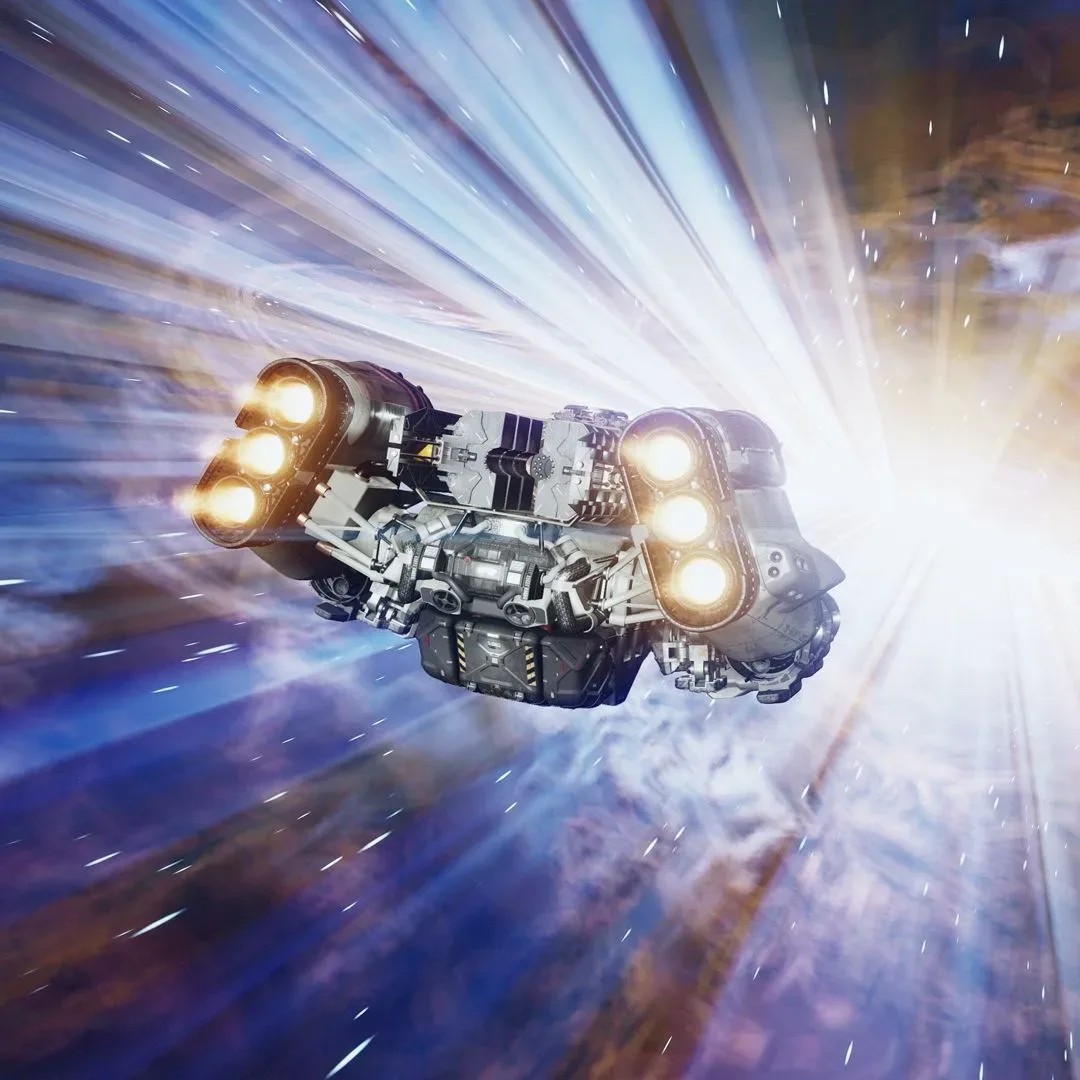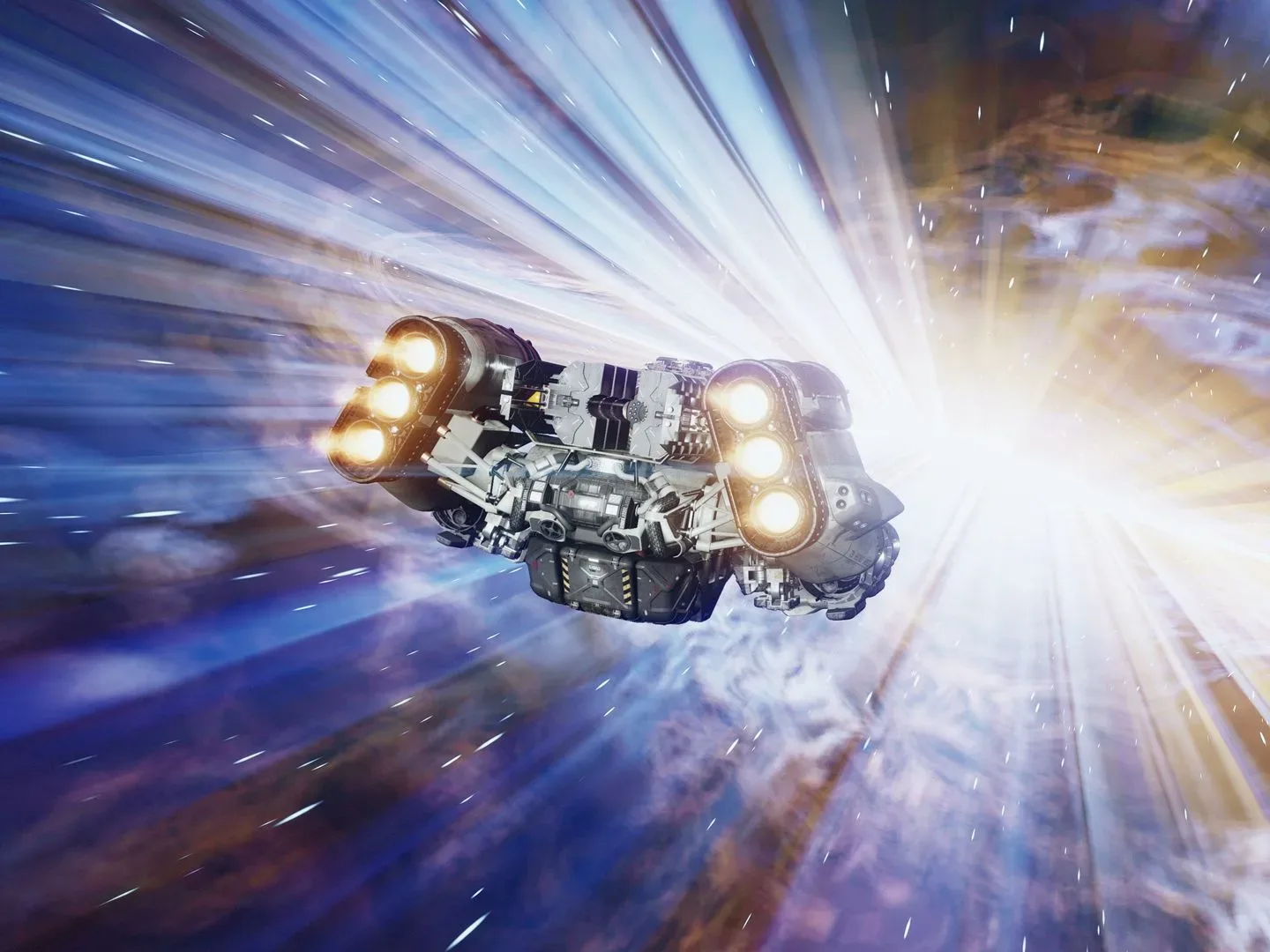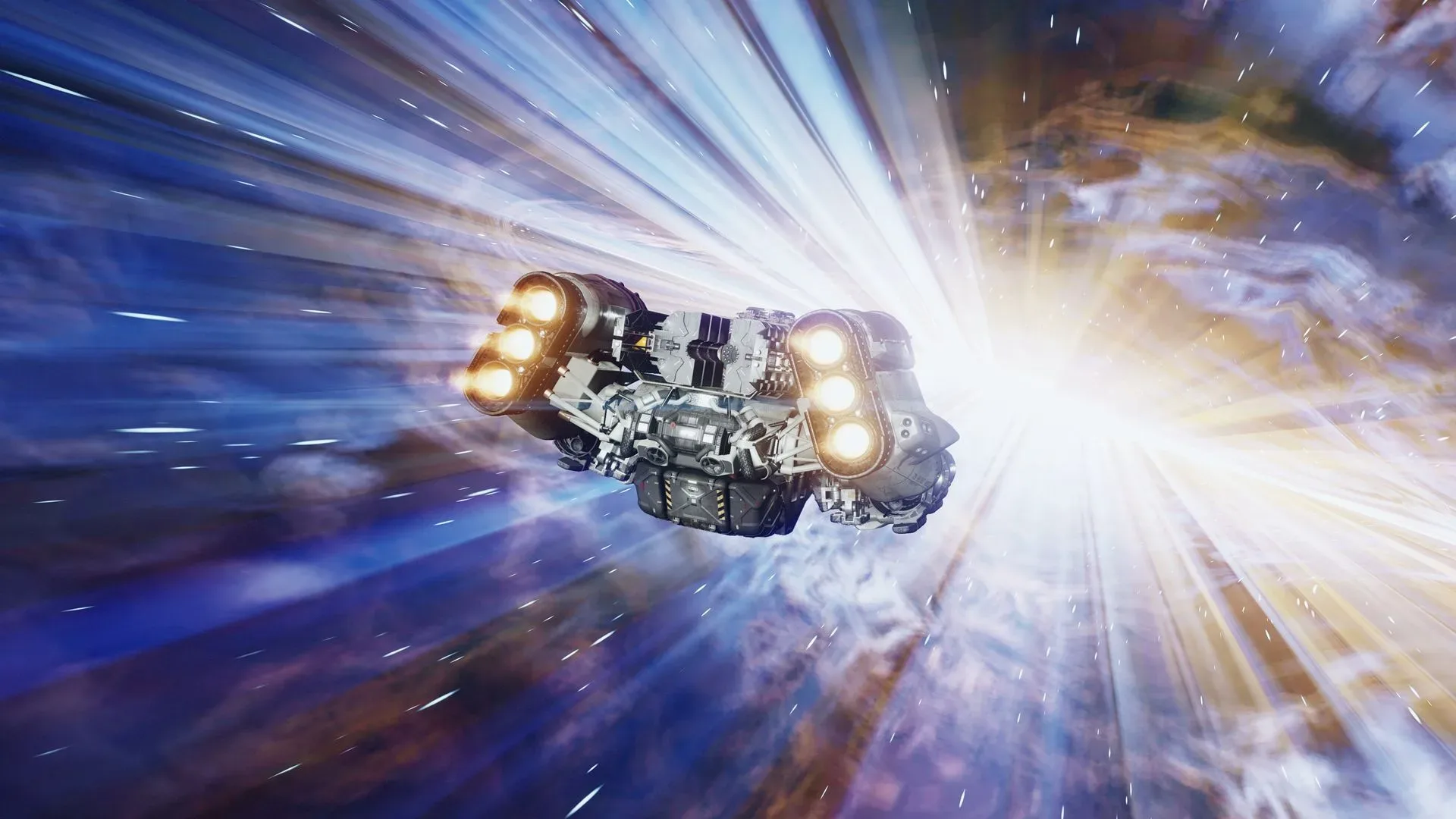
Starfield may be getting one of the immersion upgrades many spacefaring players have wanted since launch: a way to descend from orbit and arrive on a planet or moon without the usual transition. Modder Frederik Wessberg has shown an in-progress project called Seamless Landings, intended to connect spaceflight to the surface in one continuous sequence rather than asking players to select a landing area and move through a loading screen.
It is important to stress the present tense: this is a work in progress, not a released feature, and its final scope, stability and timing have not been established. Wessberg says the mod will be free through NexusMods once it is ready. Still, the footage and technical description point to an unusually ambitious modding effort: not simply a revised landing animation, but a reconstruction of how worlds are displayed while viewed from space.
What Seamless Landings is trying to change
In the existing game flow described here, a player chooses a landing zone and then transitions to the destination. That approach gets the player where they need to go, but it separates the orbital view of a world from the act of arriving on it. The missing connective tissue has long stood out because flying a ship suggests the fantasy of personally taking it down through an atmosphere.
Seamless Landings is designed to create that missing trip. The stated goal is a descent from the void of space to a surface location on planets and moons without intervening loading screens. The mod is planned to support two approaches:
- Manual flight: the player remains in control of the ship during the descent.
- Autopilot: the ship handles the approach, allowing the player to leave the captain’s seat and watch the journey.
That distinction matters. A manual option preserves the feeling that the ship and pilot are actively responsible for the landing. Autopilot, meanwhile, treats the descent as a scenic travel sequence. Offering both could make the feature useful to players who want hands-on control as well as those who mainly want a more coherent sense of place.
Wessberg has also said the project can land on water. In practical terms, that means the mod is not only trying to make a preselected stretch of solid terrain look accessible from orbit. It is also exploring locations that the standard landing selection process does not ordinarily present in the same way, including ocean areas.
The difficult part is not only the landing
The striking claim behind the project is that a convincing descent required much more than adjusting a ship’s flight path. Wessberg explains that Starfield’s ordinary rendering of a planet from space is limited: at distance, a planet can be represented by a texture, potentially with a moving cloud layer and an atmosphere. That is efficient for an orbital view, but it does not provide the three-dimensional world required for a ship to fly toward the ground continuously.
Put plainly, a distant planetary image can look persuasive while remaining unsuitable as a destination. If a craft were sent directly toward that kind of representation, it would effectively be heading for a flat image rather than a continuous landscape. The usual loading transition sidesteps that mismatch by replacing the space view with the surface area. Removing the transition means bridging the two representations.
Related coverage includes Starfield's Seamless Landings Mod Aims to Turn Space Travel Into One Continuous Journey.
Wessberg says he had to reimplement Starfield’s space-side planet rendering in 3D. That is the central technical achievement the mod is aiming for, and it explains why a project initially regarded as a smaller experiment grew substantially in scope. The visible landing is the payoff; building a planet that can hold together visually between orbital distance and ground level is the harder foundation beneath it.
A few terms behind the spectacle
Volumetric clouds are clouds rendered as three-dimensional masses rather than as a flat layer painted across the sky. For a landing sequence, that means a ship can appear to travel through cloud formations instead of simply passing a distant visual effect. Wessberg describes real 3D cloud layers driven by climate data and weather systems.
Atmospheric scattering refers to the way light behaves as it passes through an atmosphere. It is a major part of why a horizon, sky and planetary limb can look different in daylight, at night or from high altitude. The planned implementation is described as physically based and tied to atmospheric-composition information already present in game data. “Physically based” in this context means the visuals are intended to follow modeled physical properties, rather than being chosen solely as a static artistic backdrop.
Airglow is another atmospheric visual phenomenon. Wessberg’s description places it above the horizon on a planet’s night side. Alongside auroras around polar regions, thunderstorms and lightning, those details suggest that the mod’s objective is not merely to hide a transition, but to make the descent visually responsive to a world’s conditions.
Weather, clouds and the benefit of a continuous descent
The project’s proposed atmospheric effects are what could make the feature feel meaningfully different from a more elaborate cutscene. Wessberg has outlined real 3D volumetric cloud layers, weather systems informed by climate data, thunderstorms with lightning, polar auroras and nighttime airglow. These are all details that can make a trip from orbit communicate altitude, weather and time of day.
That continuity has a practical storytelling value even when no mission objective changes. A settlement, coastline or storm front means more when it is visible as part of the world being approached, rather than appearing only after a transition. Likewise, watching an aurora or cloud cover emerge during descent can provide a stronger impression that the surface is connected to the planet seen from the cockpit.
The water-landing element is especially illustrative. Ocean locations are visually distinct from a typical terrestrial landing zone, and a continuous approach lets the player observe that distinction from high above down to the destination. Whether every potential landing situation can eventually be supported is unknown, but the stated capability indicates that the project is reaching beyond a single scripted showcase route.
Why the existing data may make this possible
Although the game does not normally expose seamless atmospheric landings to players, Wessberg characterizes Starfield as remarkably physically accurate and, in several respects, a genuine space simulator. The key point is not that the game already contains this landing feature—it does not—but that its underlying data gives the modder material to work with.
That reported depth is reflected in the planned atmospheric treatment. If game data includes information about a world’s atmospheric composition and climate conditions, a mod can potentially use it to drive how the planet looks during descent. The result is not automatically a simulation of every physical process, and players should not infer more than has been demonstrated. But it does mean the visual systems Wessberg describes are presented as data-aware rather than arbitrary cosmetic additions.
For modding more broadly, the project highlights a familiar truth: a game can contain systems, values or assumptions that are never fully expressed through its default player experience. Accessing them can require replacing or extending the systems that stand between the player and those underlying details. Here, the barrier is the gap between a simplified distant planet and the explorable surface.
What players should keep in mind
The early showcase creates understandable excitement, but Seamless Landings should be judged as an in-development mod until a public release arrives. There is no supplied release date, no confirmed platform list beyond the stated NexusMods distribution plan, and no published performance or compatibility details. It would be premature to assume it will work with every setup, planet, mod combination or gameplay scenario.
There is also a meaningful difference between “no loading screens” during a shown descent and a promise that every surrounding system is completely unchanged. The available details establish the project’s goal and its rendering work; they do not establish a full technical specification. Players interested in using it should wait for the eventual release information, installation requirements and compatibility guidance rather than treating the preview as a final feature list.
Even with those caveats, the mod is notable because it addresses a specific divide in Starfield’s experience with a solution that appears to go far beyond a cosmetic transition. It seeks to unify the view from orbit, atmospheric travel and arrival on the surface, while adding cloud, weather and sky phenomena that give that journey more visual character.
For players who want more stories from the PC side of space games, Squadron 42’s Steam wishlist news offers another look at how spacefaring games continue to put the journey between destinations at the center of the conversation.
Wessberg says Seamless Landings began as what seemed like a modest, enjoyable project before the limitations of the space-view planet rendering became clear. The work now described—rebuilding that rendering in 3D, connecting it to atmospheric effects and supporting both manual and autopilot descents—is much larger. If it reaches release in the form shown, it could turn one of Starfield’s most conspicuous travel boundaries into part of the adventure itself.