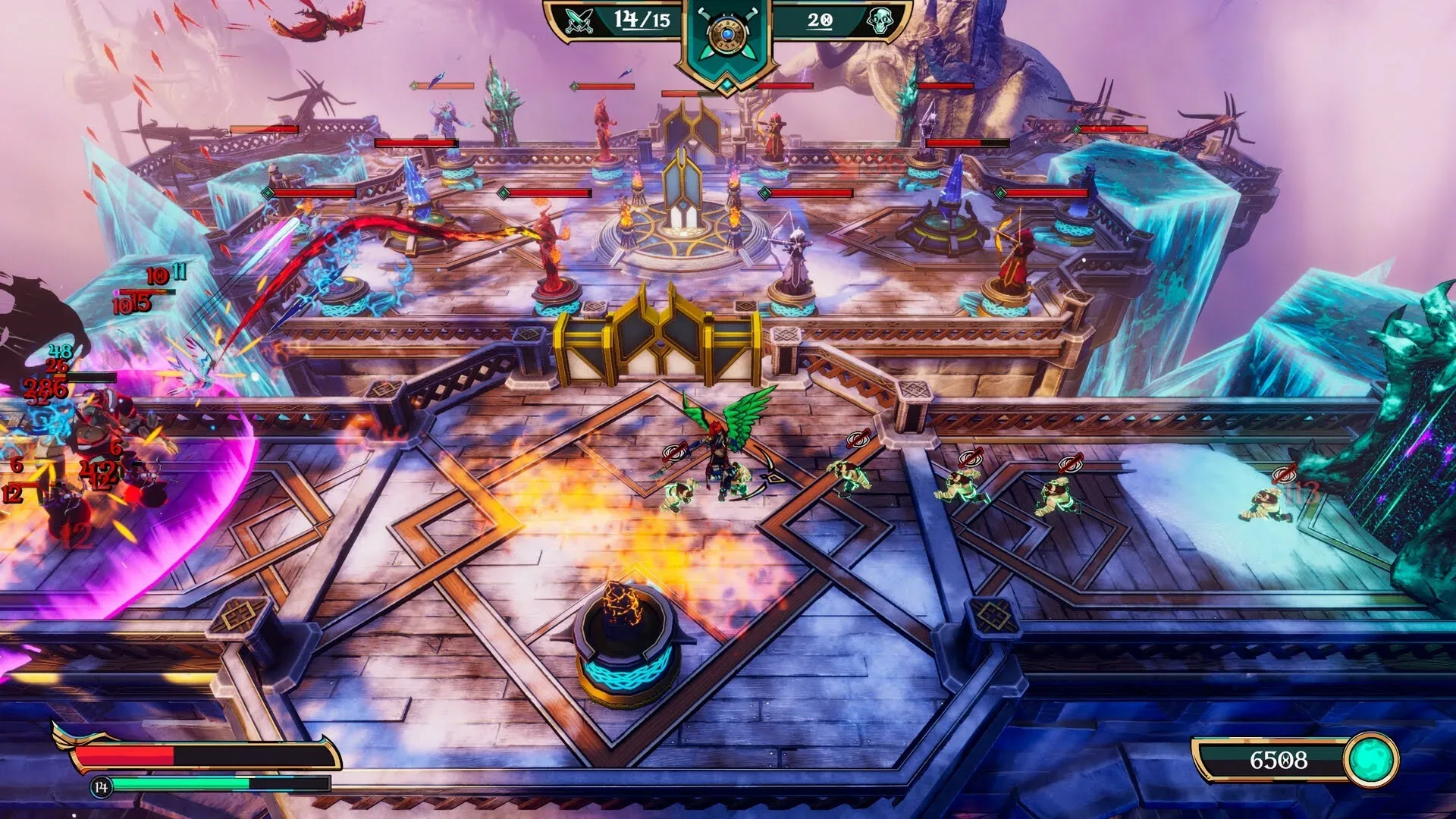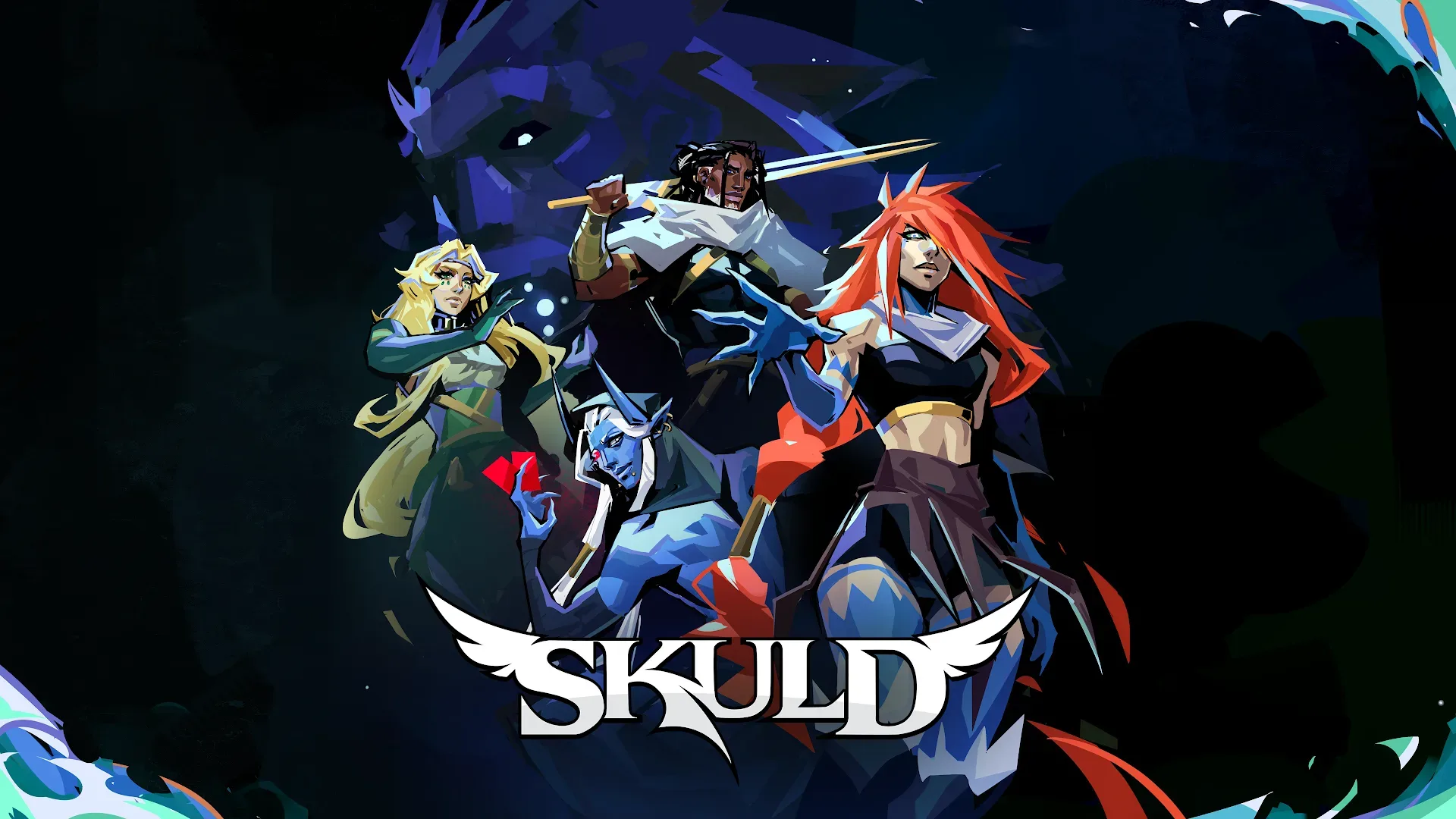
SKULD, a Norse-themed action tower defense game from Super Monkey Studio and publisher Develup Games, now has a free demo on Steam. The game’s central proposition is unusually direct: rather than issuing orders from a distant overhead view, players enter the fight as Skuld, a Valkyrie who has to defend the gate with melee attacks while also building the defenses intended to keep it standing.
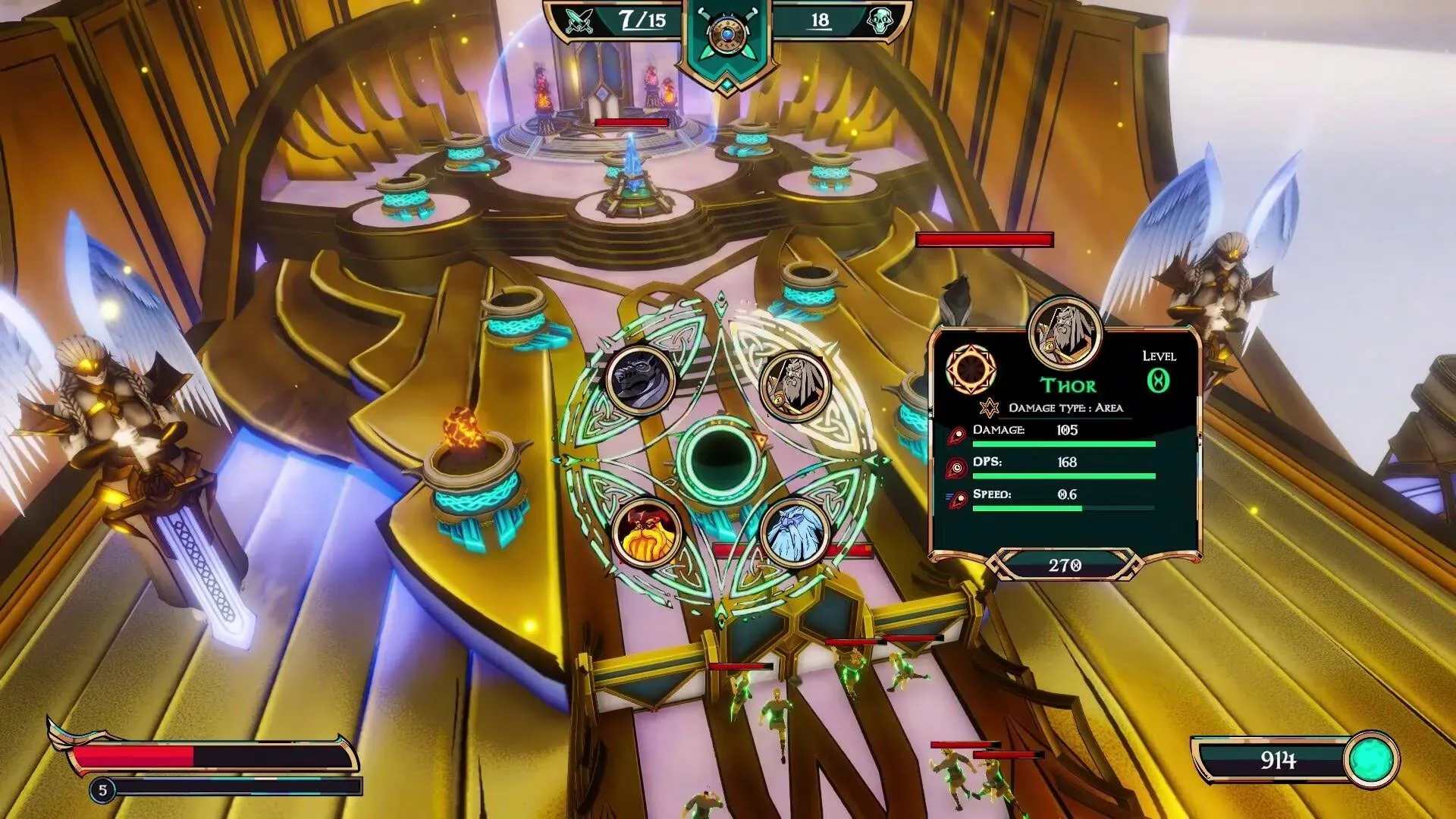
That puts SKULD at the overlap of two pressures that are often separated in strategy games. There is the planning side—choosing a deck of towers, deciding where to place them, and upgrading them as a battle develops—and the immediate action side, where Skuld uses quick melee combos against enemies in third-person combat. The invaders are not simply a problem for automated turrets: they can threaten both the defensive line and the character on it.
The demo is available now on Steam. No full-release date, price, or additional platform information was provided in the announcement.
A tower defense game where positioning is personal
Tower defense generally describes games built around preventing waves of enemies from reaching a goal. Players place defensive units, often called towers or turrets, so their attacks cover important routes. A successful setup is usually about anticipating enemy paths, spending limited resources wisely, and responding when a reliable plan begins to fail.
SKULD keeps the placement-and-upgrade foundation but makes the player character another part of the defense. Its presentation places Skuld at ground level, rather than above the arena as a detached commander. In practical terms, that means the player is expected to keep track of the architecture of a defense while handling the timing, movement, and close-range danger of fast combat.
“We wanted a game where you don't just plan the defense, you fight on the front line of it,” said Hugo Maldonado, co-founder at Super Monkey Studio.
That design goal is important because it changes what a mistake can mean. A misplaced tower may create a weak area in the base, but Skuld’s presence may offer a chance to physically intervene. Conversely, committing to a close-range fight could pull attention away from upgrades or an exposed section of the gate. The available description does not specify every tower type, enemy behavior, or resource system, but it clearly frames multitasking as a core part of the intended experience.
The game has been compared in broad terms to Orcs Must Die!, another series associated with mixing defense construction and direct combat. The comparison establishes the basic genre lane, not a list of shared mechanics. SKULD’s announced features should be judged on their own terms: real-time turret placement and upgrading, third-person melee action, and advance build choices centered on Skuld and her base.
Related coverage includes SKULD Free Steam Demo Brings Norse Tower Defense to the Front Line.
Blade builds and base builds
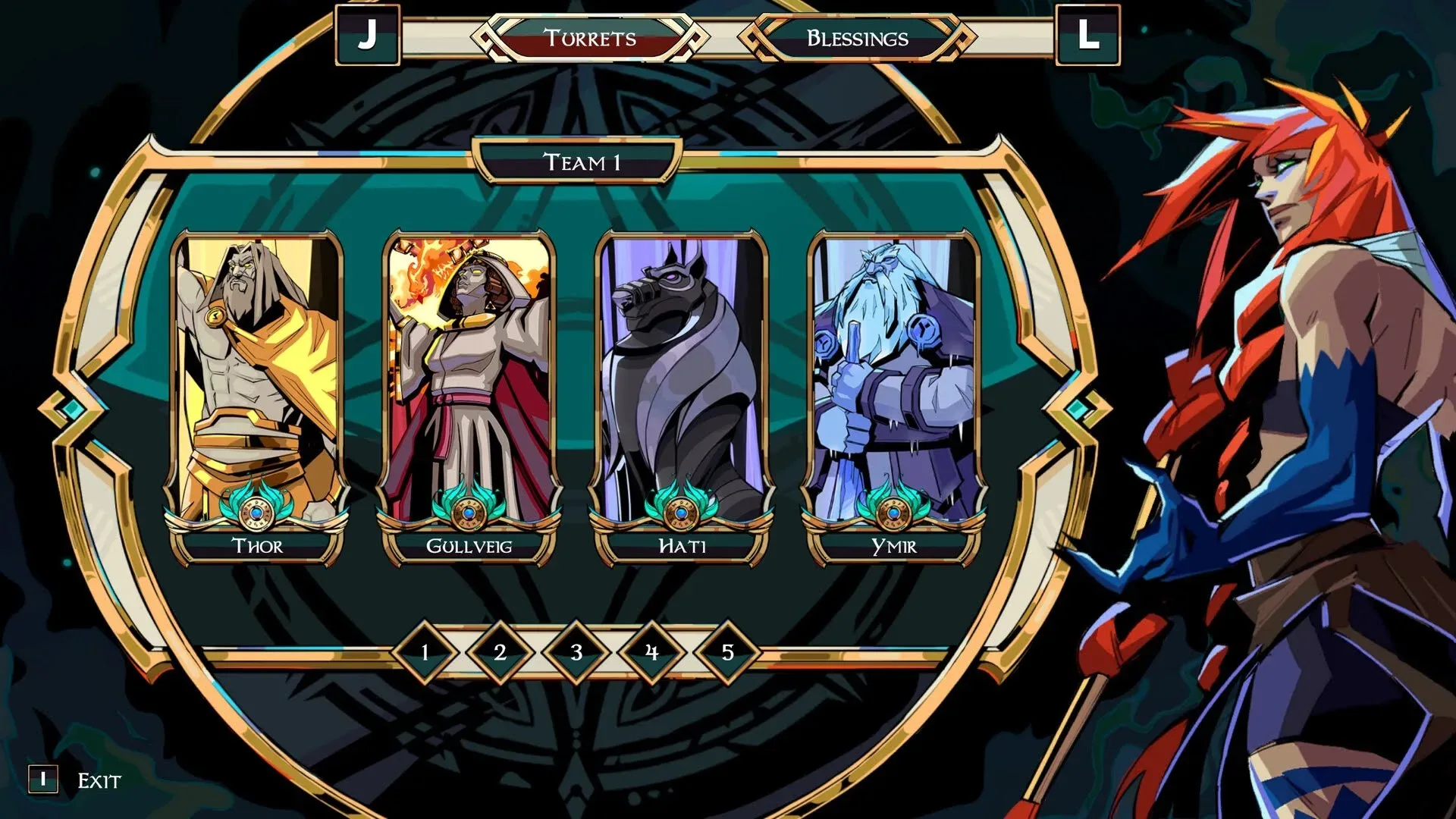
Before battles, players select a deck of towers and shape Skuld’s abilities. The announcement describes a choice between builds oriented around the blade and builds oriented around the base. In other words, a player can lean toward improving the Valkyrie’s own combat contribution, or place more emphasis on the constructed defenses that will do damage and hold space.
A build is the collection of selected tools, upgrades, and abilities that define a player’s approach for a given attempt. In a defense game, a base-focused build would logically prioritize the effectiveness and flexibility of deployed structures. A blade-focused one instead puts more responsibility on the player’s ability to fight as Skuld. Those are interpretations of the stated distinction, not confirmation of specific bonuses, tower statistics, or ability effects; the announcement has not detailed those systems.
The deck element suggests that preparation is meant to matter before enemies arrive. A deck in this context is a chosen set of available towers rather than a promise that every defense can be deployed in every encounter. It gives each battle an initial strategic question: which tools are worth bringing for the plan at hand? Once a fight starts, real-time placement and upgrading turn that pre-battle choice into an active decision-making exercise.
For players trying the demo, the most useful thing to watch is how strongly those two priorities pull against each other. Does the game reward staying near the gate and personally clearing threats? Does a carefully arranged turret layout free Skuld to take risks elsewhere? Can an action-heavy approach compensate when the defense is underbuilt? The demo is an opportunity to see how much room SKULD gives players to rebalance the relationship between hero and fortress.
After Ragnarök, with choices between runs
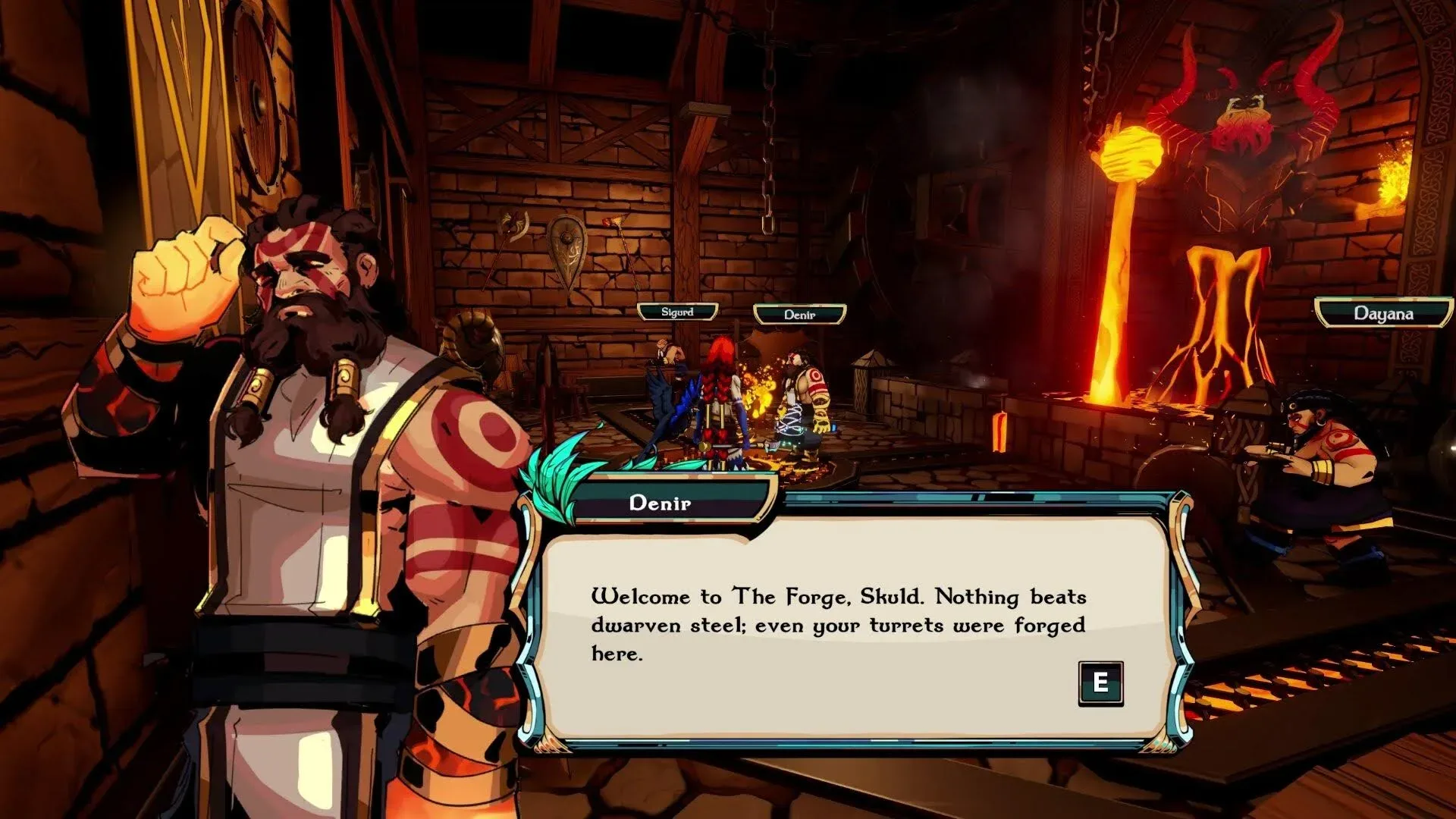
SKULD is set after Ragnarök and uses a Norse mythological setting centered on its Valkyrie protagonist. Between runs, Skuld returns to Valhalla, where conversations and choices involving Odin, Loki, and other gods influence the campaign’s direction.
The reference to runs indicates a repeat-attempt structure: players go into battles, return to a hub or intermission space, then set out again. The announcement does not outline what carries over between attempts, how outcomes can branch, or how many campaign paths there may be. What is confirmed is that the space between battles is not presented as a purely functional menu. It is also where the game’s narrative choices occur.
That arrangement has a potentially useful effect on pacing. Combat decisions concern the immediate survival of a gate, while Valhalla choices concern the direction of the broader campaign. The two layers may help SKULD avoid treating its story as background decoration between encounters, although the precise consequences of the choices have not been detailed. Players should not assume romance systems, permanent upgrades, route counts, endings, or faction alignments from the presence of Odin and Loki alone.
The visual approach is described as hand-painted comic-book art, with a look likened to Hades. That is a useful shorthand for the general style being invoked, but it should not be read as a claim that the games share combat systems, progression, or structure. SKULD also promises an original soundtrack for each realm, tying its audiovisual identity to the different locations players will visit.
What the demo can establish—and what remains unanswered
A free demo is especially helpful for a hybrid game like this because the key question is not simply whether tower defense or melee combat works separately. It is whether controlling both at the same time feels readable and satisfying. Players can assess whether turret menus and upgrades are manageable while enemies are attacking, whether Skuld’s melee kit has enough responsiveness to make frontline play compelling, and whether the game communicates danger clearly when enemies pressure different targets.
The announcement provides the intended pillars, but leaves several practical details open. It does not state how much content is in the demo, which realms it includes, whether narrative decisions are represented, or whether demo progress transfers to the eventual full game. It also does not identify a final release window or platforms other than Steam for the demo. Those omissions are not signs that a feature is absent; they are simply details not yet confirmed here.
For anyone following smaller Steam releases, SKULD arrives alongside a growing selection of games that use demos to let players test an idea before committing. For another example of a game whose future updates are being closely watched, see our coverage of Stardew Valley 1.7.
SKULD’s concise pitch remains its clearest hook: set the defenses, then become part of them. The Steam demo should show whether that promise lands in play—whether the best answer to a collapsing defensive line is a smarter turret, a sharper sword, or a player capable of doing both before the gate falls.