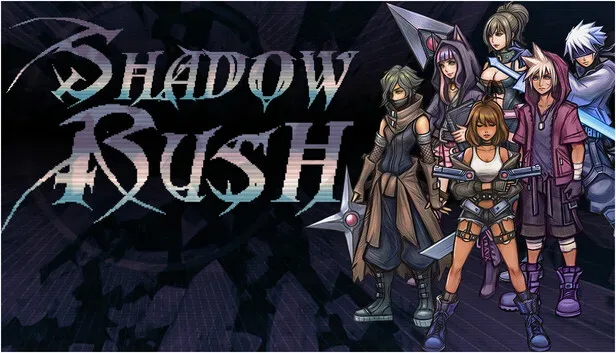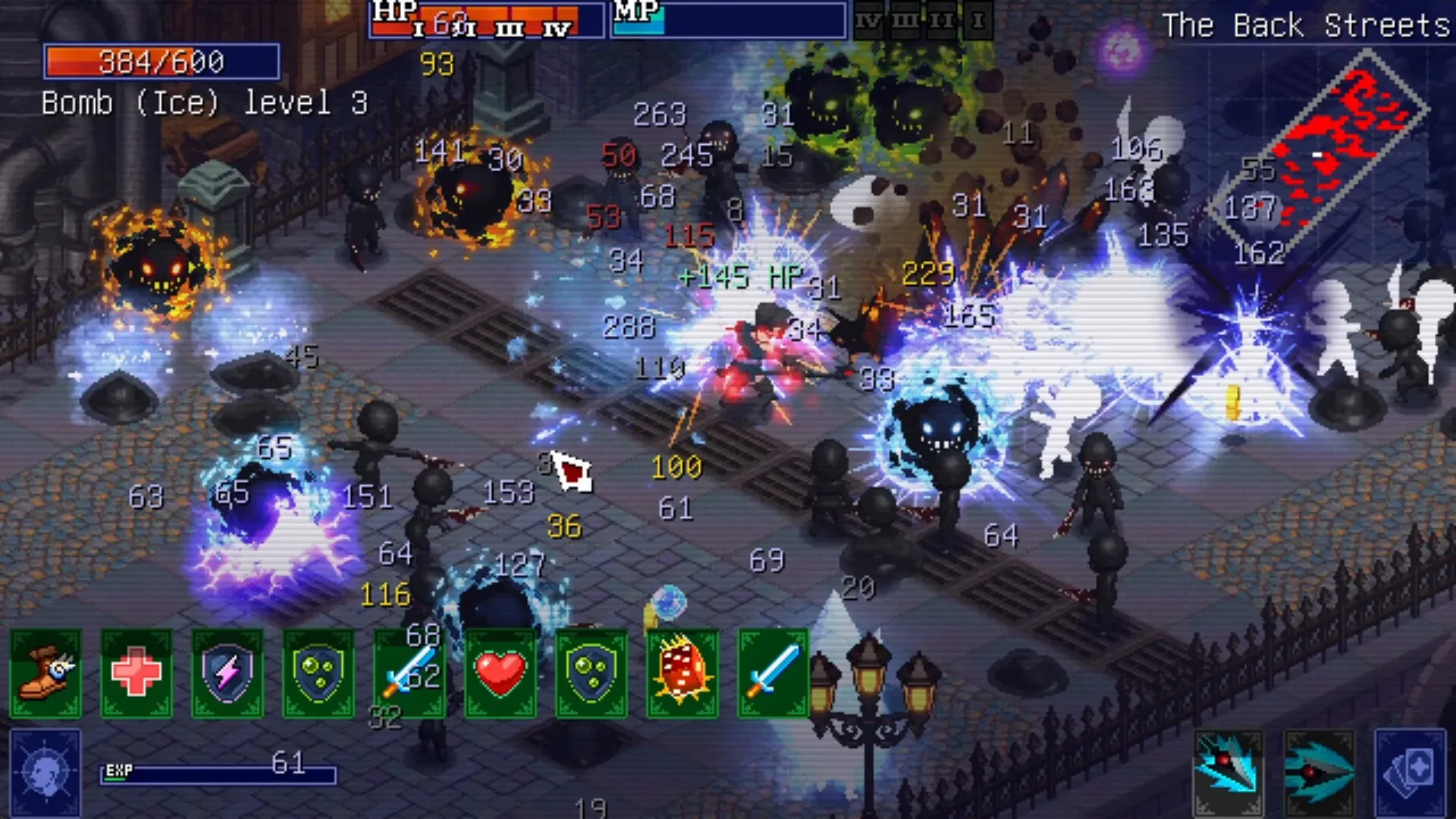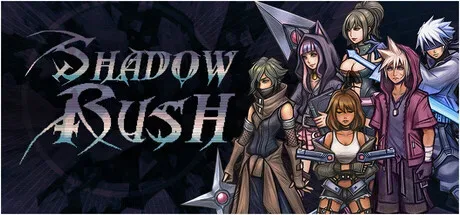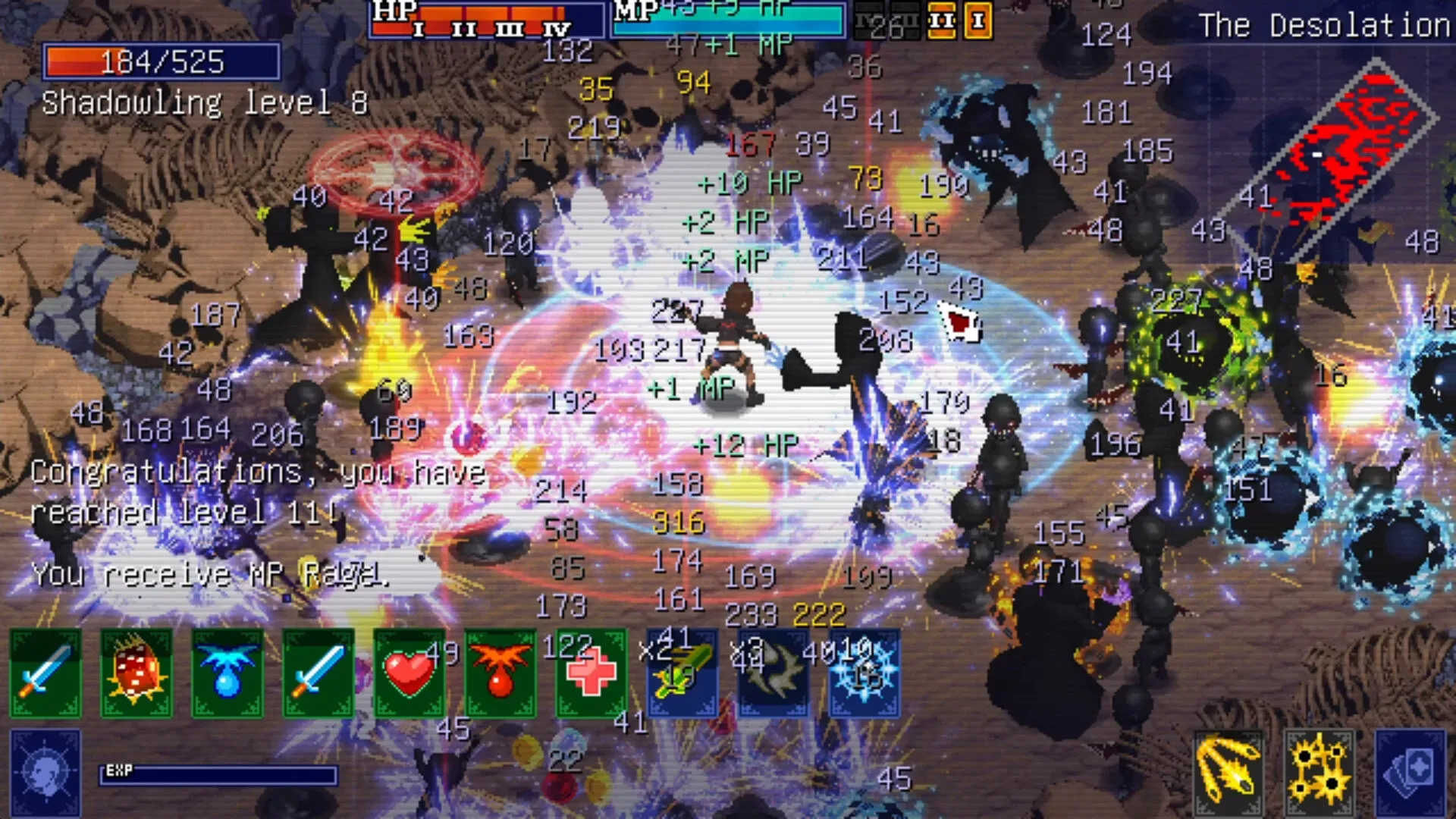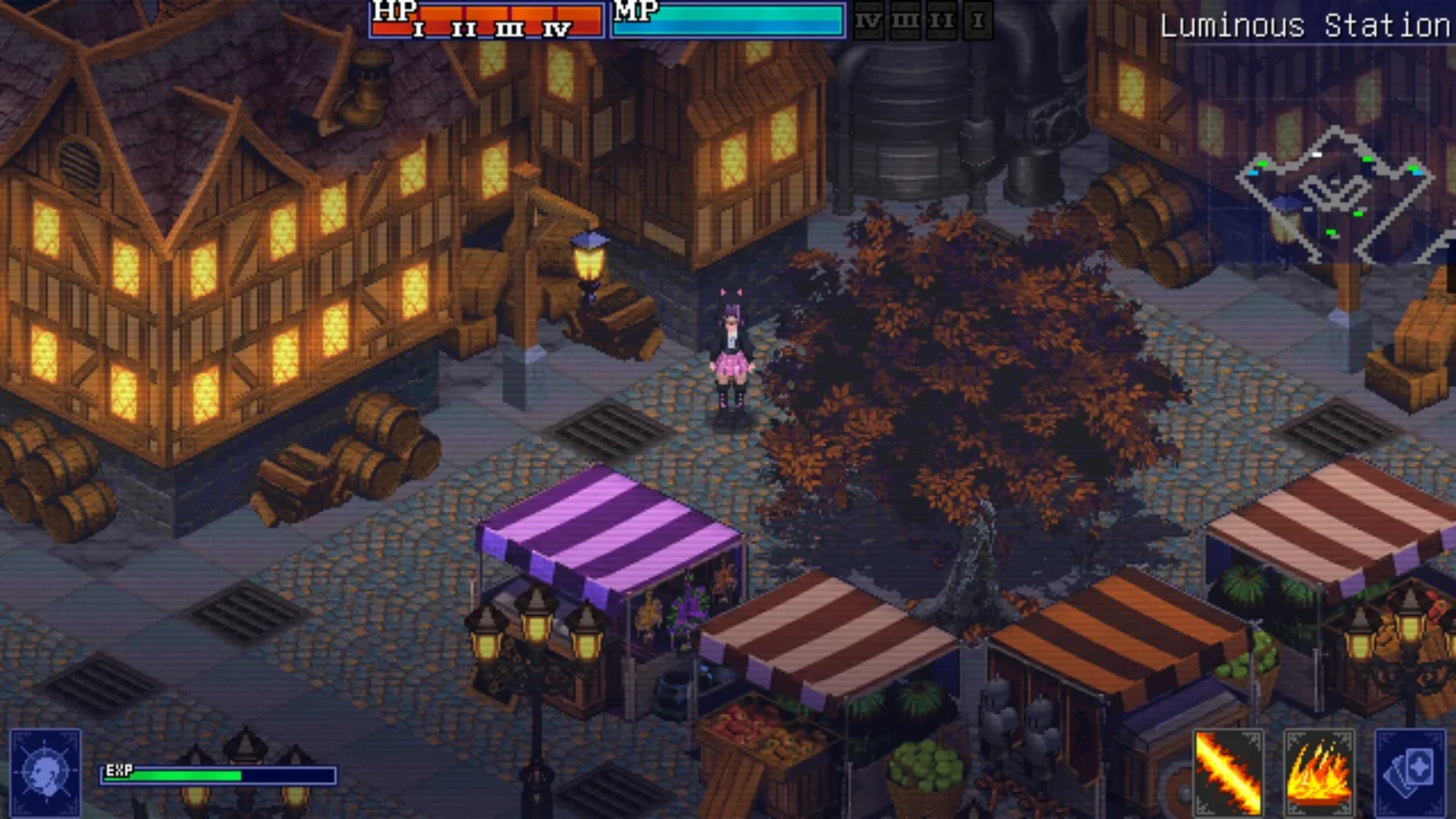
Shadow Rush, the next game from solo developer Andrew Teo, is targeting Steam in 2027. The isometric hack-and-slash action RPG combines rapid arena combat with roguelike-style repeat runs, asking players to move decisively through groups of Shadow Demons rather than cautiously picking away at them from a safe corner.
Its central idea is a four-phase combat system. Attacking or dashing does more than reposition a character or swing a weapon: each input advances a cycle that automatically activates the ability or spell assigned to the current phase. The apparent simplicity of attack-and-dash controls is therefore paired with a build-planning layer focused on which effects are available, when they will trigger and how those effects work together.
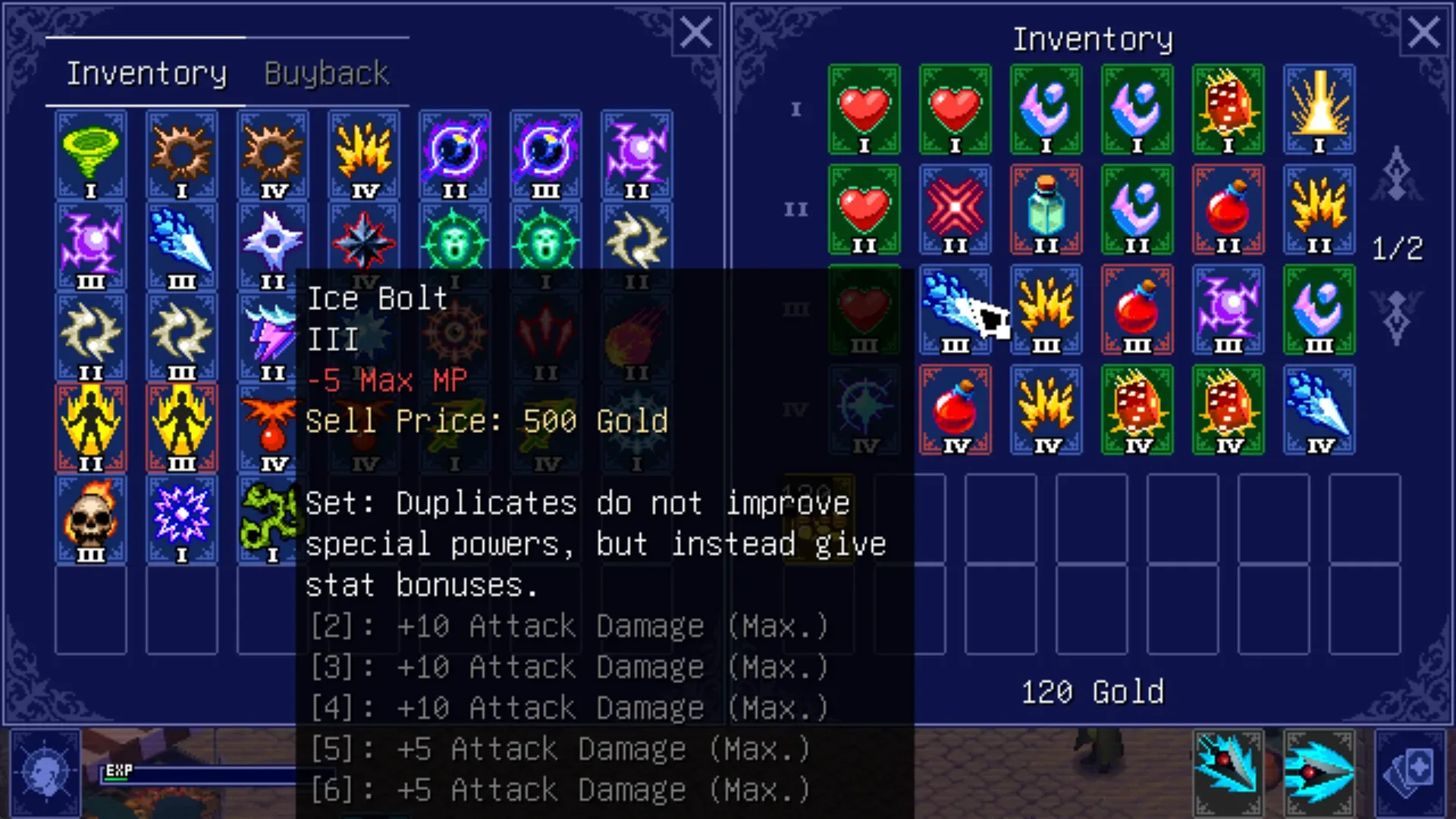
The game will feature six playable characters, each with a distinct weapon and playstyle. Their combat options can be altered through collectible Shards, which hold spells and special abilities. Players can slot, remove and transfer those Shards between characters, assembling what the game calls a Shard Deck for different runs and different combinations.
A combat loop built around rotation, not button overload
Many action RPGs give players a collection of separate skill buttons, each with its own cooldown or purpose. Shadow Rush instead places its stated emphasis on a sequence: the four combat phases automatically cycle whenever a player attacks or dashes. That makes the order of abilities a meaningful part of a build.
In practical terms, a combat phase is a position in that repeating four-step sequence. The supplied details do not specify individual spells, cooldowns or exact timing, but the basic structure is clear: a player’s movement and offense advance the rotation, and the equipped abilities determine what is triggered at each stage. Rather than manually choosing every spell at the moment it is cast, the player shapes the automatic sequence before and during a run through their loadout.
That approach could make momentum especially important. A dash is not just an escape option if it also progresses the cycle and triggers an assigned effect. Likewise, an attack can be both direct damage and a way to reach the next phase. The design points toward combat where spatial decisions, aggression and sequencing are closely connected.
It also creates a clear reason to experiment with builds. The value of one Shard is not limited to its individual effect; its place in the four-phase loop and its relationship to the other three equipped effects may be just as significant. A player who wants a particular effect to occur early in a sequence may value a different arrangement from someone building around a later phase.
Shards are the game’s customization layer
Shadow Rush’s spell and ability system is centered on Shards. These collectible items can be equipped in slots, taken out and moved from one character to another. That is a useful distinction from a rigid class system: the six characters retain their different weapons and playstyles, while the Shards provide room to change the spells and special effects attached to them.
Related coverage includes Shadow Rush Targets 2027 Steam Release With Four-Phase Roguelike Combat.
A build is the set of choices that shapes how a character plays. Here, it includes the selected character, their weapon-driven style and the Shards placed into the available equipment slots. A synergy is a combination whose parts become more useful together than they would be in isolation. Shadow Rush explicitly frames its Shard Decks around the pursuit of those synergies.
Because Shards can move between characters, a newly found option is not necessarily restricted to the character who obtained it. The system is intended to support rerolling—starting a fresh character or run to try another approach—without requiring every experiment to begin from an entirely empty toolkit. The exact scope of Shard collection and progression has not been detailed, so it remains unclear which items persist between runs and which may be tied to a specific attempt.
That uncertainty is worth keeping in mind. “Roguelike elements” can describe many different structures, from temporary run-specific upgrades to longer-term collections that expand future choices. What has been confirmed is the emphasis on repeatable runs, re-rolling and modular Shard-based experimentation, not a full breakdown of the game’s progression rules.
Slow play carries a direct risk
Shadow Rush is designed to push players forward. Health pickups are described as plentiful, encouraging an aggressive approach, but staying in an area too long carries a severe penalty. A gigantic wave of darkness can consume the arena and end the run.
This is more than a simple timer in presentation: it is a pressure mechanic that turns pace into a survival concern. Players will need to clear areas quickly to earn completion bonuses and advance, while a hesitant approach can end the attempt outright. The generous healing appears intended to support risk-taking, allowing players to stay active in the fight rather than treating every lost point of health as a reason to disengage.
For a game based on cycling attacks and dashes, the darkness threat gives the movement system a strategic role. Repositioning rapidly should not merely help avoid enemies; it is part of meeting the game’s demand for efficient clears. The result is a stated design where players are asked to balance damage, safety, traversal and rotation management under escalating pressure.
The available information does not define how long an arena remains safe, whether the darkness can be delayed, or how completion bonuses are calculated. Still, the condition is unambiguous: waiting too long is not a low-score outcome but a potential game over. Players considering the demo should expect speed to matter as much as survivability.
Six characters, one shared reason to reroll
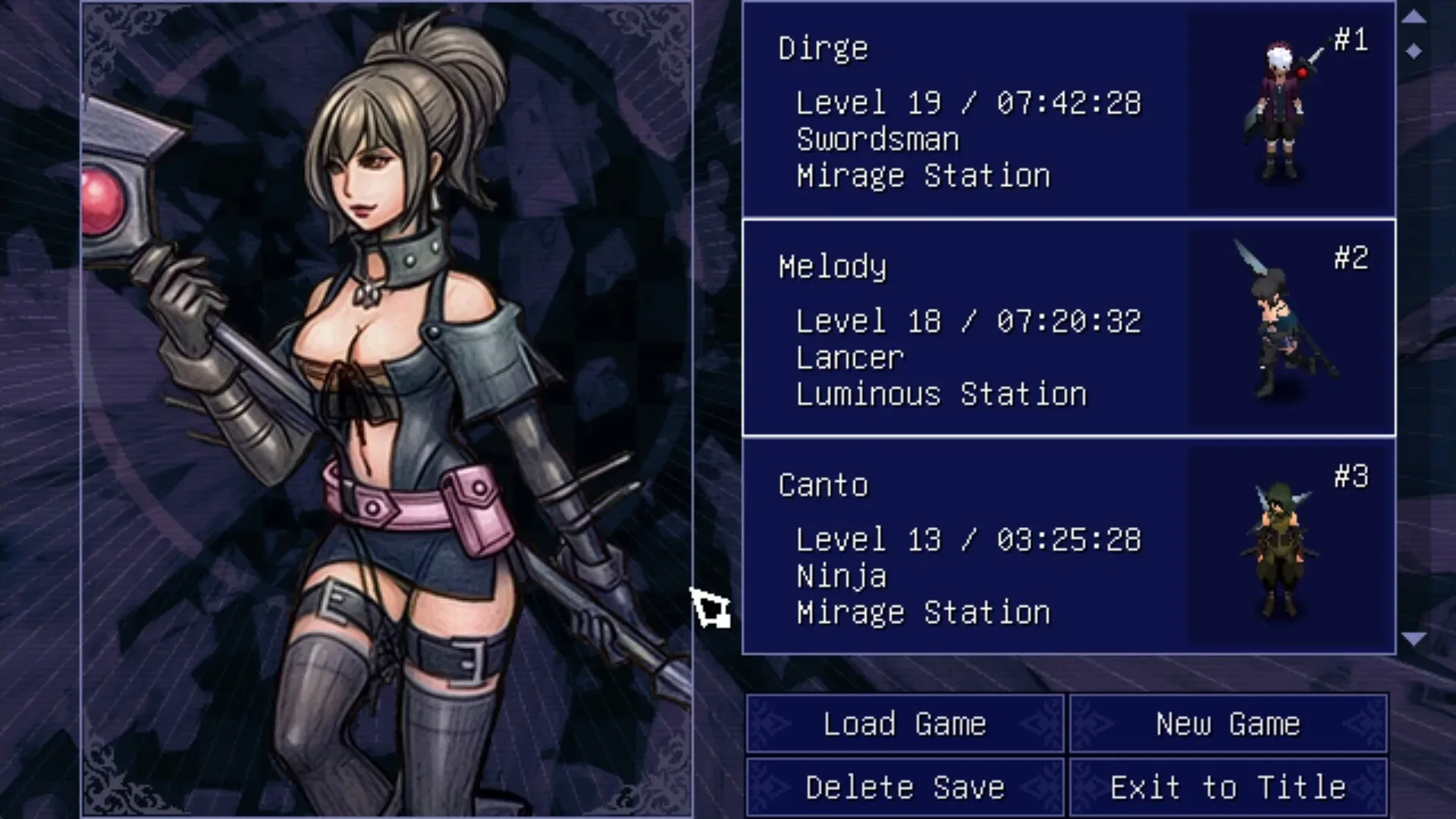
The six-character roster is another major part of the replayability plan. Every character uses a different weapon and supports a different playstyle, while the transferable Shard system gives players reasons to revisit them with changed loadouts. The information currently available does not name the characters or identify their weapons, so the differences should not be overstated beyond that core promise.
What is established is the intended rhythm: choose a character, equip a Shard Deck, enter a fast run, then reroll or revise the build to pursue another combination. A player may change characters for a new weapon feel, alter Shards to change automatic spell triggers, or do both at once.
This structure makes the word rerolling important. In this context, it does not simply mean random chance. It refers to beginning another attempt with a fresh setup or a different character, then learning how that setup behaves inside the four-phase system. The game’s design is less about preserving a single fixed move list and more about repeatedly finding combinations that suit the player’s preferred rhythm.
Influences point to action RPG speed and stylized character design
Teo has cited Diablo and Kingdom Hearts among Shadow Rush’s influences, while its art direction is inspired by Tetsuya Nomura. Those references help describe the creative territory Shadow Rush is pursuing, but they should not be read as a claim that it will reproduce the mechanics or worlds of those games.
The firmer details are in Shadow Rush’s own systems: an isometric viewpoint, hack-and-slash action, automated ability triggers tied to a four-step cycle, Shard-based loadouts and runs threatened by encroaching darkness. Taken together, those features describe a game aiming for immediate action while reserving much of its decision-making for build construction and movement during combat.
Shadow Rush follows Teo’s earlier game, Ghostlore. That provides useful context for the developer’s continued work in action RPG territory, but the announced game’s identity rests on its own combat cycle and run structure rather than on any promised carryover of systems.
What is confirmed—and what remains open
- Release window: Shadow Rush is planned for 2027.
- Platform: Steam is the confirmed platform.
- Playable options: Six characters, each with a different weapon and playstyle.
- Core system: Attacks and dashes cycle through four phases that auto-trigger equipped spells and abilities.
- Customization: Collectible Shards can be slotted, removed and exchanged between characters to form Shard Decks.
- Run pressure: Taking too long can allow a massive darkness wave to end the run; quick clears award completion bonuses.
- Current access: A demo is available through the game’s Steam page, alongside wishlisting.
There is not yet a confirmed specific release date, pricing, console release plan, full character list or detailed explanation of progression between attempts. Those are meaningful unanswered questions for a game that foregrounds build experimentation. For now, the most useful measure of its direction is the demo, particularly for players interested in whether the four-phase rotation feels intuitive at speed and whether the darkness pressure complements the action.
Shadow Rush arrives amid a steady flow of PC games using demos to show their core loop before launch. For another current Steam demo story, see Voivod: The Nuclear Warrior’s two-path Steam Next Fest demo. Shadow Rush’s own proposition is distinct: instead of asking players to manually fire every tool in a large ability bar, it wants them to build a rotating sequence and keep moving before the arena itself decides the run has lasted long enough.