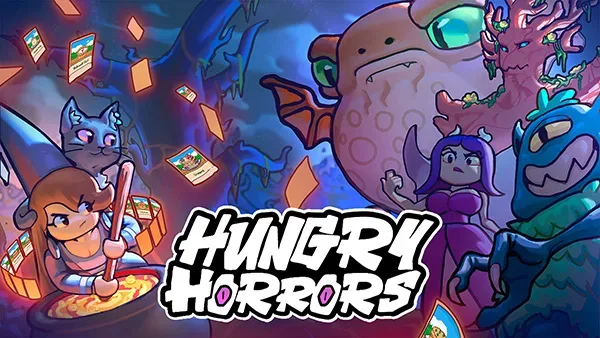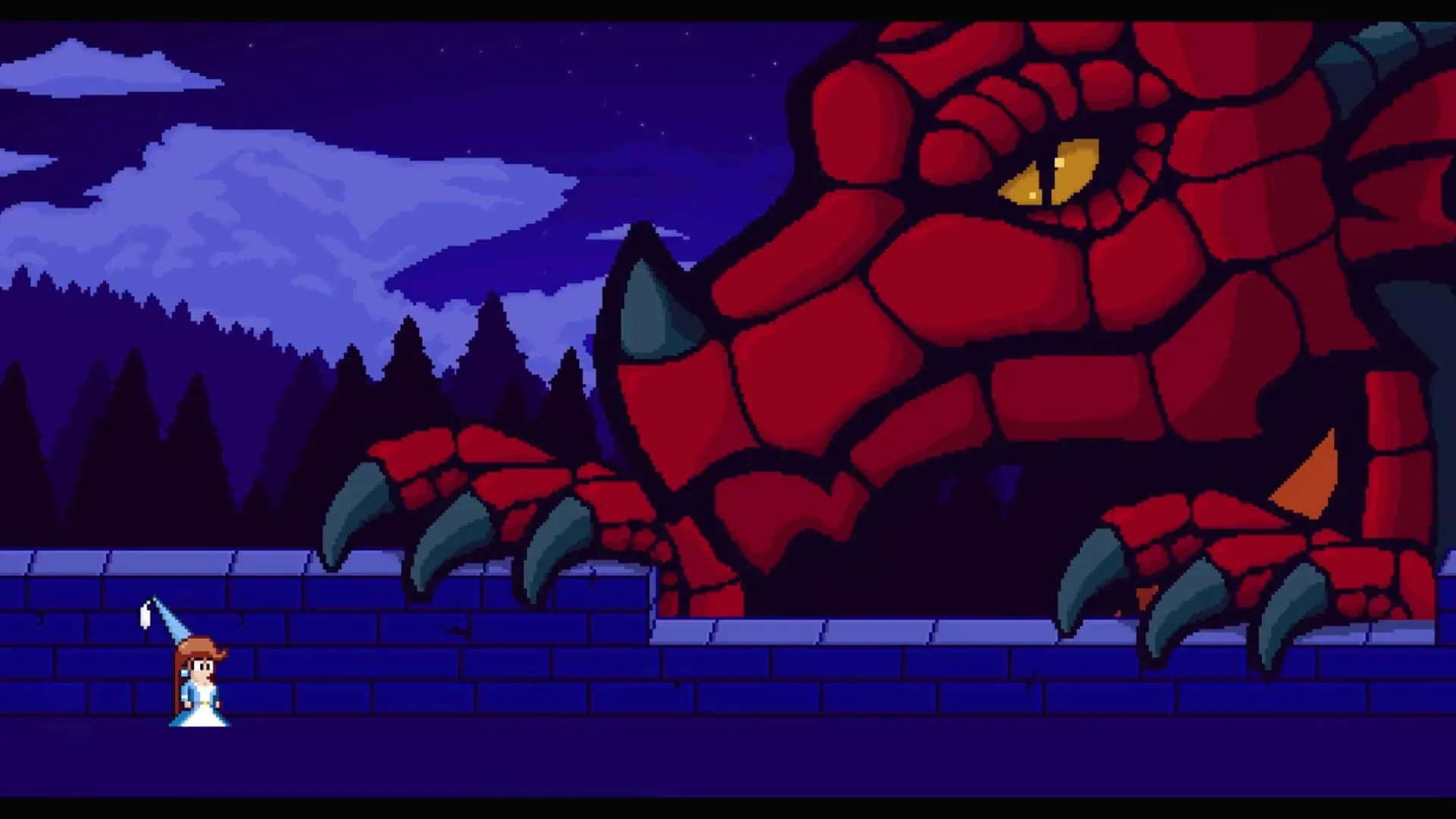
Hungry Horrors, Clumsy Bear Studio’s British and Irish folklore-inspired cooking deckbuilder, has launched in full 1.0 on Steam after two and a half years in Early Access. It arrives with a 98% Very Positive player rating, a launch discount during Steam Cooking Fest, and a deliberately unusual answer to the usual monster-game question: do not slay the creature—make sure it has dinner.
The launch sale runs from October 12 through October 19, cutting the game’s price by 20% to under $12 during that window. Hungry Horrors is also part of Steam Cooking Fest and has been included in 28 bundles with other games. It is among the games arriving on October 14; see our wider October 14, 2026 games release roundup for more launches on the date.
A deckbuilder where food is the attack—and the defence
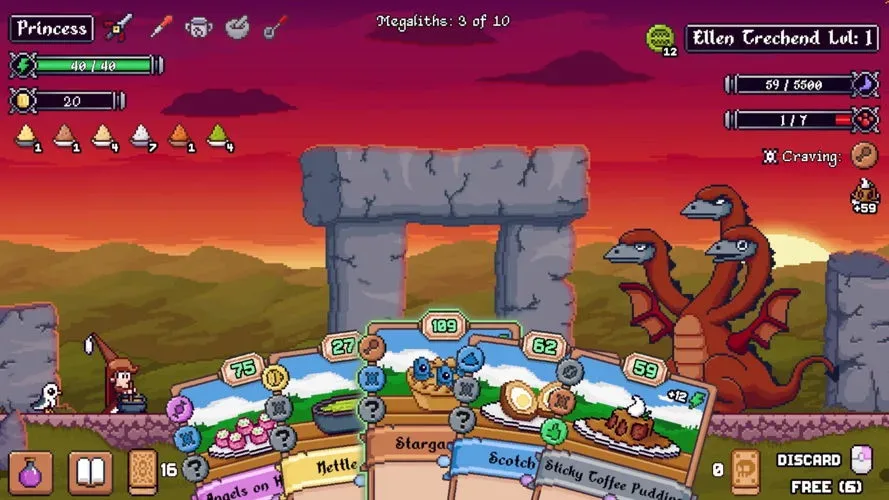
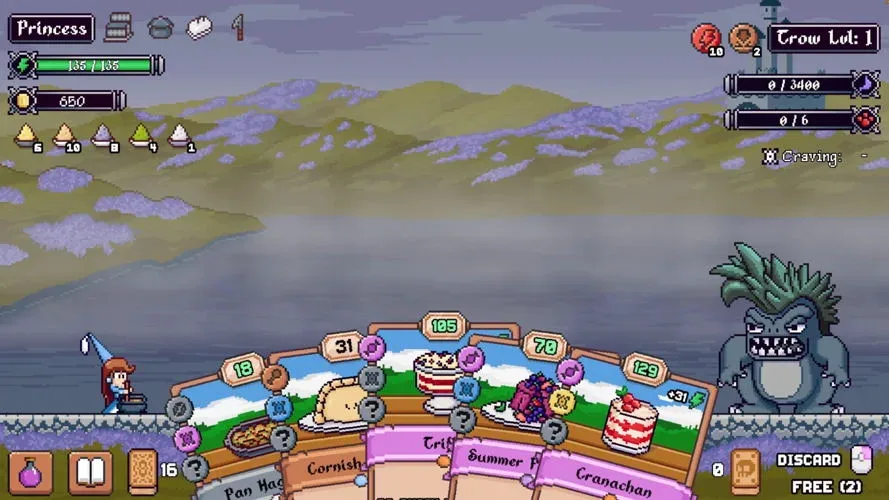
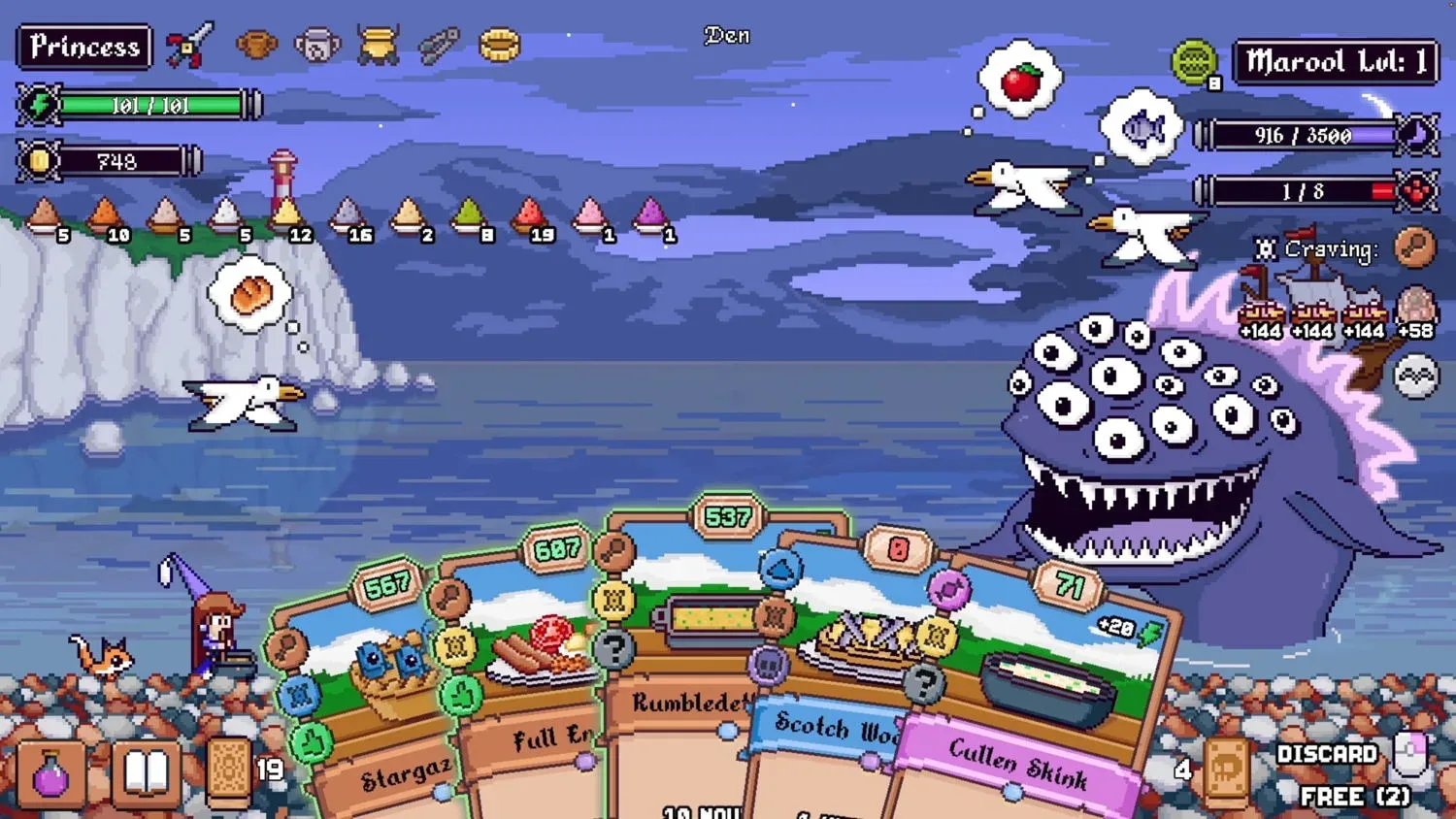
Deckbuilding games generally ask players to build a changing set of cards during a run, selecting tools that work together while responding to threats as they appear. Hungry Horrors applies that familiar structure to cooking. Every card played represents a dish served to a creature, and each encounter becomes a contest to keep the Horror fed before it reaches the player and eats them instead.
That framing matters beyond the joke. In many card-based roguelikes, damage is the central resource: players calculate how much harm they can deal before an enemy does the same. Here, the stated objective reverses the relationship. The player’s pressure comes from satisfying a hungry opponent, while the Horror’s advance creates the failure condition. The result should make the choice of food cards, cooking equipment and modifiers the heart of a run rather than merely decorative theme dressing.
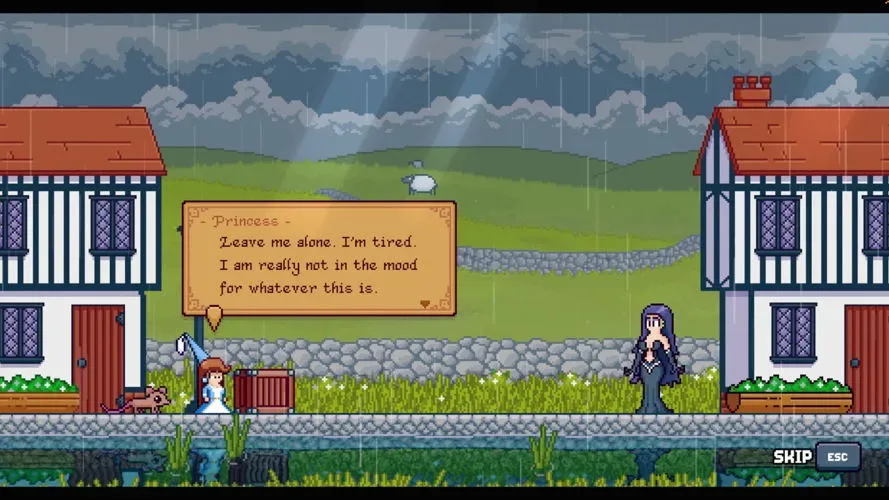
The game’s story follows a spoiled princess forced to learn to cook in order to save her kingdom. She is accompanied by a sharp-tongued cat that acts as both guide and source of insults. It is a comic premise, but it establishes why a royal figure is crossing dangerous terrain and dealing with folklore creatures through a kitchen rather than a sword.
British and Irish folklore supplies the menu of threats
Version 1.0 contains eight playable biomes drawn from across the British Isles and 34 folklore Horrors. The announced roster includes the Dullahan, Jenny Greenteeth and Queen Mab. Alongside those adversaries are 13 legendary characters, including Herne the Hunter and the Wulver.
Rather than using folklore only as a set of monster names, Hungry Horrors connects its creature roster to an equally thematic dish pool. Players can use 62 dishes based on traditional British and Irish recipes. The available information does not detail individual card effects or particular recipes, so it is not yet possible to say how directly each food item relates to a given Horror. Still, the design’s core idea is clear: regional stories and regional food traditions are being combined into the same deckbuilding system.
What “folklore-inspired” means here: the game draws its enemies and characters from British and Irish mythic traditions, but it is not presented as a historical simulation or a retelling of one single legend. It is a fantasy cooking adventure using those figures as the basis for encounters, biomes and a playful monster-feeding premise.
Related coverage includes Hungry Horrors Reaches 1.0 on Steam.
Run modifiers extend the cooking strategy
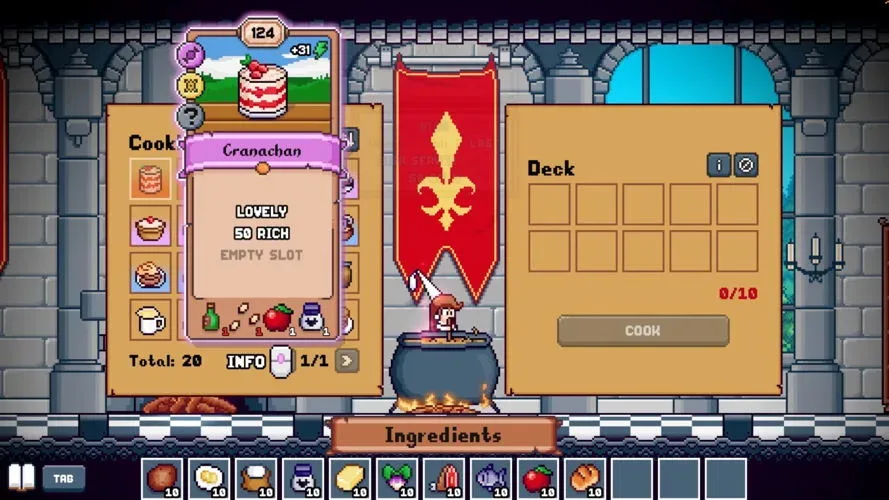
Food cards are not the only variables in a Hungry Horrors run. The 1.0 feature list includes seasonings, cookware, potions and artefacts that alter how a run plays. In deckbuilding terms, these are the kinds of supporting elements that can change the value of a dish, influence which cards combine well, or shift the player’s approach to an encounter. Specific mechanical effects have not been outlined, but their presence suggests that the deck itself is only one part of the decision-making layer.
That distinction is important for prospective players. A deckbuilder can be broadly approachable when the cards explain the immediate action, yet develop depth through persistent or situational modifiers. Hungry Horrors appears built around that combination: dishes form the visible, theme-forward action, while cookware and other items provide additional ways to shape a strategy.
The game also includes the Book of Taliesin, described as its meta-progression system. Meta-progression is a term for advancement that carries across multiple attempts rather than disappearing when a single run ends. It commonly gives players new options, unlocks or longer-term objectives between runs. The available details do not specify precisely what the Book of Taliesin grants, so players should not assume a particular reward structure; what is confirmed is that the game has an overarching progression layer beyond one-off runs.
Campaign options and a shorter, tougher Banquet mode
Hungry Horrors offers two primary modes. Campaign is available in Vanilla and Spicy difficulty settings, while Banquet is described as a shorter and harder roguelike mode.
The food-themed labels make the distinction easy to read without claiming more than has been announced. Vanilla and Spicy are the two Campaign difficulty options. Banquet is the condensed alternative for players seeking a more demanding roguelike structure. A roguelike mode generally emphasizes repeatable attempts in which outcomes, available choices and player planning are central, but the exact differences in rules, pacing or rewards between Banquet and Campaign have not been detailed.
For players deciding where to begin, Campaign’s named difficulty selection points to the more flexible starting route. Banquet, by contrast, is explicitly positioned as both shorter and harder. That makes it the natural option for someone who wants a brisker challenge once they understand the feeding-focused card system—or for anyone whose idea of a pleasant meal includes immediate culinary disaster.
Full-release feature list also includes Steam Deck support
The full version has 33 unique death animations, another sign that failure is treated as part of the game’s macabre comedy rather than simply an abrupt reset. Original music is composed by Henry Taylor.
On the technical side, Hungry Horrors is Steam Deck Verified and supports full controller controls, mouse-only controls and keyboard-only controls. Steam Deck Verified means the game has been assessed for Valve’s handheld PC platform. The separate controller, mouse-only and keyboard-only support claims are useful practical details because they indicate that the game is intended to accommodate several input preferences, rather than requiring a specific control setup.
The 1.0 launch does not erase the game’s Early Access history; instead, it marks the point at which development has moved out of that phase after two and a half years. The existing 98% Very Positive rating is a strong piece of player-feedback context, though it is still a snapshot of Steam user sentiment rather than a guarantee that every player will enjoy the game’s difficulty, card mechanics or sense of humour.
What to know before the Steam Cooking Fest discount ends
- Platform: Steam.
- Release status: Full version 1.0, following two and a half years in Early Access.
- Sale: 20% off during Steam Cooking Fest from October 12 to October 19, bringing the price below $12 during the promotion.
- Core loop: Play dish cards to feed advancing folklore Horrors before they can feed on the player.
- Content: Eight biomes, 34 Horrors, 62 playable dishes and 13 legendary characters.
- Modes: Campaign with Vanilla or Spicy difficulty, plus the shorter and harder Banquet roguelike mode.
- Accessibility of play setups: Steam Deck Verified, with controller, mouse-only and keyboard-only support.
For anyone drawn to card games that prioritize an unusual central metaphor, Hungry Horrors’ premise is refreshingly direct: the monsters are hungry, your deck is dinner, and a bad meal plan has consequences. The full release brings the announced biomes, creatures, dishes, progression system and modes together as the game exits Early Access, while the Cooking Fest promotion provides a limited-time lower entry price.