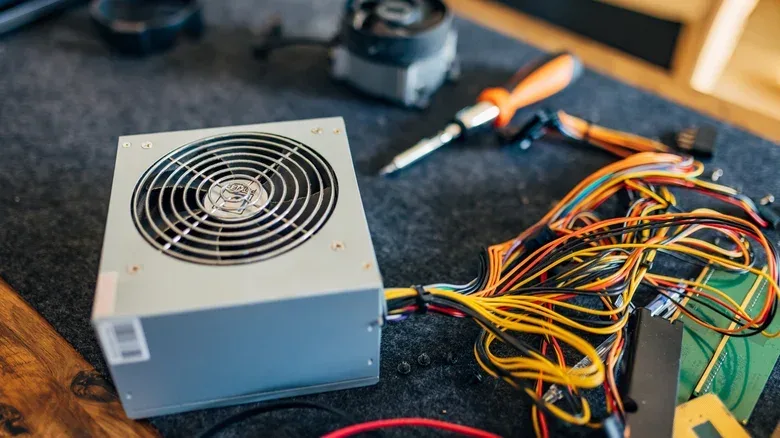
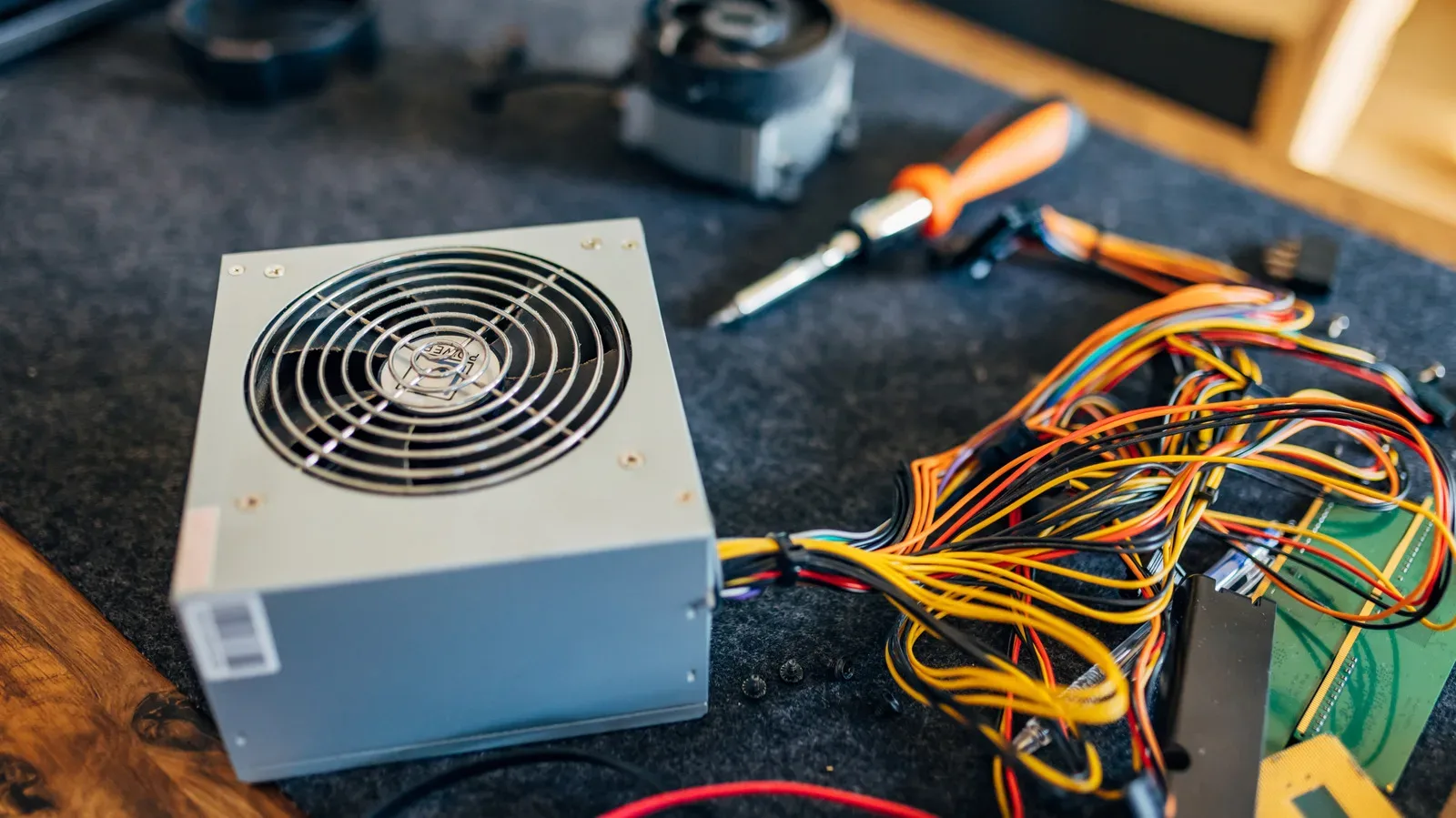
An aging PC does not have to be an all-or-nothing proposition. Before consigning a machine to storage or electronics recycling, it is worth looking at the small components that may still have a perfectly useful second life. Case fans are an especially approachable example: a working fan can serve as a spare for another build, help manage warm air around a setup, or become the centerpiece of a compact DIY desk fan.
The appeal is not that every discarded fan is secretly a miracle upgrade. It is that a fan is a focused component with a clear job: move air. If its condition is sound and its electrical requirements are understood, repurposing one can turn an otherwise dormant part into something practical. For gaming spaces, that can mean helping warm air leave an enclosed cabinet; for a family project, it can mean building a small fan with a custom base; and for an old PC kept for retro games or legacy software, it can simply mean preserving a compatible replacement part.
There is also a useful line to draw before the tools come out. A complete old computer can be more valuable as a complete system when it is used for retro gaming or older software. Dismantling it may make a later restoration difficult. Anyone interested in the wider software-preservation side of older platforms can also keep an eye on projects such as Vita3K’s continuing development snapshots, but a physical system should not be stripped down casually just because one component looks reusable.
Start with the label, not the craft materials
The first task is identifying exactly what the fan needs. Check the label on the fan itself and, where possible, its model number. The important specification is voltage: the electrical potential the fan is designed to receive. A 12V fan and a 5V fan are not interchangeable merely because both have blades and a cable.
In practical terms, a fan marked for 12V needs a suitable 12V supply, while a 5V model may be suited to USB power. That distinction determines the project’s power plan before a stand, frame, or decoration enters the picture. Matching the supply to the fan’s stated voltage is the basic compatibility check, and it is far better to do it before ordering an adapter or attempting any connection.
It may not be necessary to cut, strip, or improvise wiring at all. Three-pin and four-pin adapters are available for fans, offering a route that can avoid modifying the original cable. That is especially attractive for a reclaimed part, because leaving wiring intact keeps the project simpler and avoids turning a usable spare into a one-way experiment.
What the connectors and headers mean
Terms such as three-pin, four-pin, splitter, hub, and fan header can make a straightforward project sound more technical than it needs to be. At their most relevant here, they describe the paths used to connect PC fans to power or to a motherboard.
- Three-pin and four-pin connections refer to common PC fan connector formats. Compatible adapters can help connect a fan without manually altering its leads.
- A fan header is the motherboard connection intended for a fan.
- A splitter or hub allows more than one fan to be connected through a shared arrangement.
The important practical point is capacity. Several fans combined through a splitter or hub place a combined demand on the available power. The total must remain within the relevant limit. Exceeding what a fan header can handle can permanently damage the motherboard, and not every motherboard can be assumed to have protection against that outcome.
Related coverage includes Don’t toss that old PC fan: Turn it into a desk fan or cabinet exhaust.
That caution matters most when a spare fan is being used as part of a PC cooling plan rather than transformed into a self-contained desk fan. A simple “more fans equals better cooling” instinct misses the electrical constraint. Check the mounting dimensions as well as the available power before making a multi-fan arrangement.
A desk fan is the simplest second life
The most direct repurposing route is a desktop fan. The parts list can remain modest: a working fan, an appropriate power supply, and a stable stand or frame. The stand can be a finished wood construction, an aluminum design, or another material that suits the builder’s goals. The source material does not prescribe one shape or method, which is part of the project’s charm: the utility is fixed, but the presentation is not.
There is one feature that should not be treated as optional decoration: protective grills on the front and rear. A fan blade is still a spinning blade when it leaves a computer case. Guards reduce the chance of fingers or hair reaching the blades, particularly when the result will sit within easy reach on a desk or form part of a project involving children.
That division of tasks makes this a sensible supervised family activity. Younger builders can plan the form of the stand or decorate the base, while an adult handles electrical connections and makes sure blade guards are properly accounted for. The result has a clear purpose, and the project introduces useful habits: identify the component, understand its requirements, then build around them rather than guessing.
It is also a reminder that reuse does not need to be extravagant to be worthwhile. A reclaimed fan does not require an elaborate showcase enclosure to justify itself. A secure base, an appropriate supply, and safe guards are enough to create a useful item from hardware that might otherwise sit in a box.
Managing heat around a gaming PC setup
PC cooling is not limited to what happens inside the case. Heat can accumulate around the system, especially when a computer sits in an enclosed space such as a gaming cabinet. Even a PC with substantial cooling can be working in a less favorable environment if the warm air outside the case has no good place to go.
That is where a reclaimed fan may have a second practical role: helping establish separate paths for intake and exhaust. Intake means cooler air entering an area. Exhaust means warmer air leaving it. The basic airflow objective is uncomplicated: bring cooler air in, move warm air out, and do not obstruct the existing vents on the PC.
A repurposed fan is not presented as a substitute for every cooling solution. Liquid cooling remains a premium option associated with high-end gaming PCs and systems used for substantial video editing or graphic-design workloads. But “premium” does not erase environmental heat problems around the computer. A cabinet that traps warm air still needs a route for that air to leave.
For a gaming setup, the implication is less about buying the most complicated hardware and more about noticing the space around the machine. Are the system’s own vents clear? Is there a meaningful distinction between where cooler air enters and warmer air exits? Is a spare fan being attached in a way that respects its dimensions, power needs, and mounting requirements? Those are the questions that decide whether reuse is practical rather than merely enthusiastic.
Age alone does not settle a fan’s usefulness
A 20-year-old PC can look obsolete in a world of rapid changes to gaming and computing hardware, but its parts do not all age in the same way. A fan that has spent years sitting unused may still work. Its condition and model specifications matter more than its calendar age alone.
The stated average lifespan for a PC fan is between 30,000 and 50,000 hours, or up to roughly six years. Those figures describe the fan itself, not every component around it. Other hardware in the computer can fail earlier, so a fan’s survival does not certify the condition of the wider system. Conversely, the age of the whole PC does not automatically condemn the fan.
That distinction supports a more measured approach to teardown. Assess each reclaimed fan as its own part. Check its label, examine its current condition, and use its model specifications to determine whether it belongs in a project, in a spares box, or in recycling. Keeping a known working unit as a PC spare can be more useful than rushing to turn every fan into an external device.
Keep data safety and reuse together
Fans may be low-risk parts from a privacy standpoint, but dismantling an old PC often leads to decisions about components that are not. Before donating or passing along a machine or its storage hardware, personal information should be wiped. If the computer no longer works, components that do not compromise personal information—including heatsinks, graphics cards, cases, and processors—may still be appropriate candidates for reuse or donation.
Local refurbishers and e-waste reuse organizations are worth checking before the remainder is discarded. This is particularly relevant once the useful fan, case, or other component has been removed. An internal hard drive can potentially become external storage when paired with a reliable hard-drive enclosure, while the unusable remainder belongs with an electronics recycling program rather than ordinary waste.
The best outcome is not necessarily to repurpose every single piece. It is to make deliberate choices: retain a complete older computer if it serves a retro purpose, keep compatible fans as spares, turn a sound fan into a guarded desk cooler if the voltage and power supply match, and route remaining electronics toward reuse or recycling after personal data is addressed. That approach gives old hardware a few more useful moves without pretending every part has to become a major project.