Mouthwashing is heading from the cramped corridors of the Tulpar to the big screen. The acclaimed horror game from Wrong Organ is being adapted as a feature film, with Karyn Kusama set to direct. Scott Derrickson is attached as a producer, while Matt Manfredi and Phil Hay will write the screenplay.
It is a creative lineup with meaningful horror and genre credentials. Derrickson is known for Sinister, The Black Phone, and Doctor Strange. Kusama’s previous work includes Yellowjackets and Destroyer, while Manfredi and Hay are identified as frequent collaborators with the director. The available details do not specify a release date, cast, distributor, or how closely the finished film will follow the game’s sequence of events.
A survival story built around a broken crew
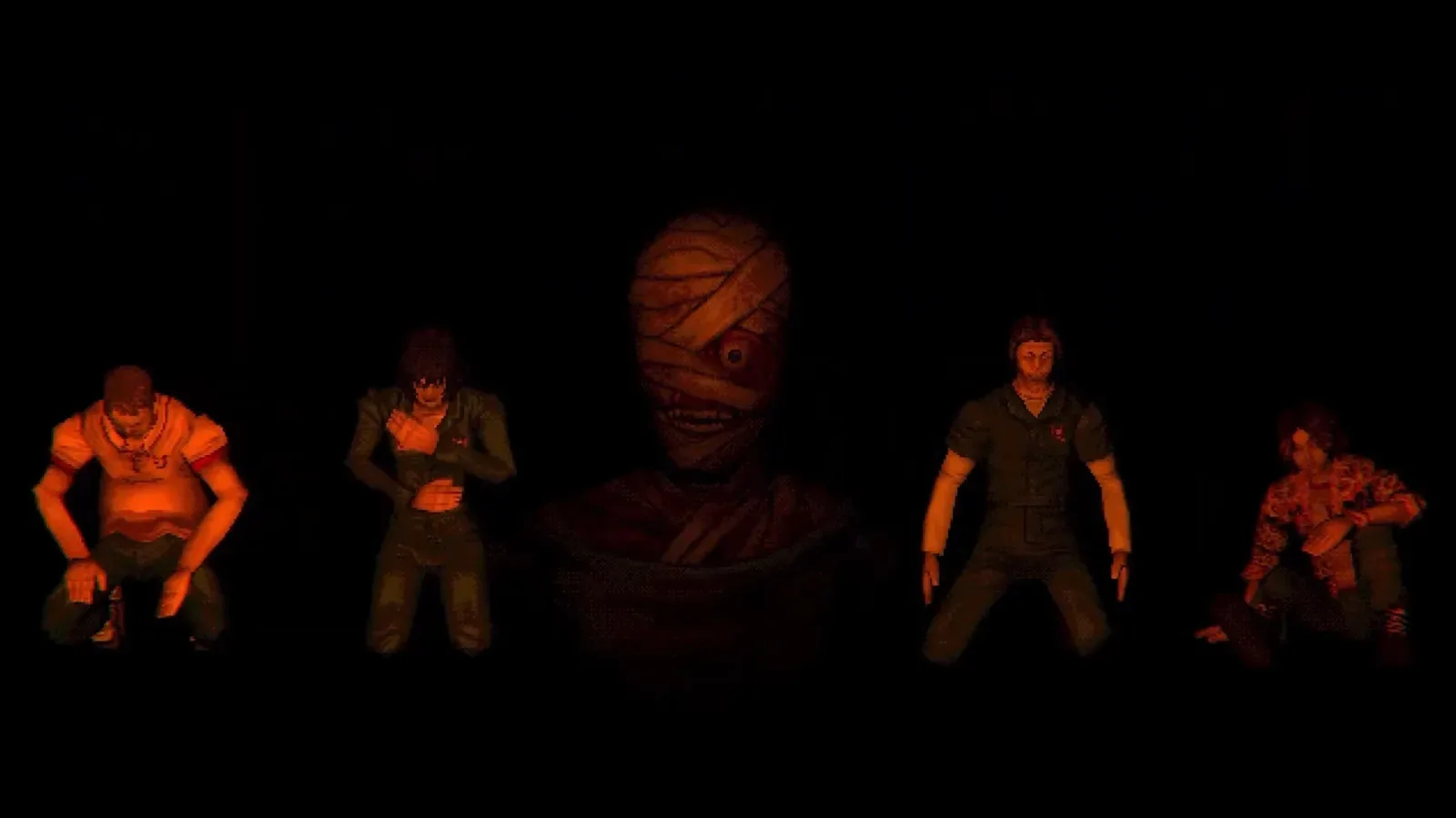
Mouthwashing centers on the crew of the cargo ship Tulpar after a crash leaves them in a survival crisis. The disaster is only the beginning: paranoia grows among the survivors, and the circumstances surrounding the ship and its people become increasingly horrifying.
That premise gives the adaptation a clear central pressure point. A damaged cargo vessel is both a setting and a constraint. The characters cannot simply leave, while an enclosed environment concentrates every conflict: dwindling trust, uncertainty about what happened, fear over what comes next, and the danger of discovering that a person on board may not be telling the truth.
For a film, that containment could be a strength rather than a limitation. A single, pressurized location can make small changes in behavior feel enormous. A character refusing to answer a question, a section of the ship that no longer feels safe, or a contradiction in someone’s account of the crash can become more unsettling when there is nowhere else for the crew to go.
The adaptation challenge: turning nonlinear horror into cinema
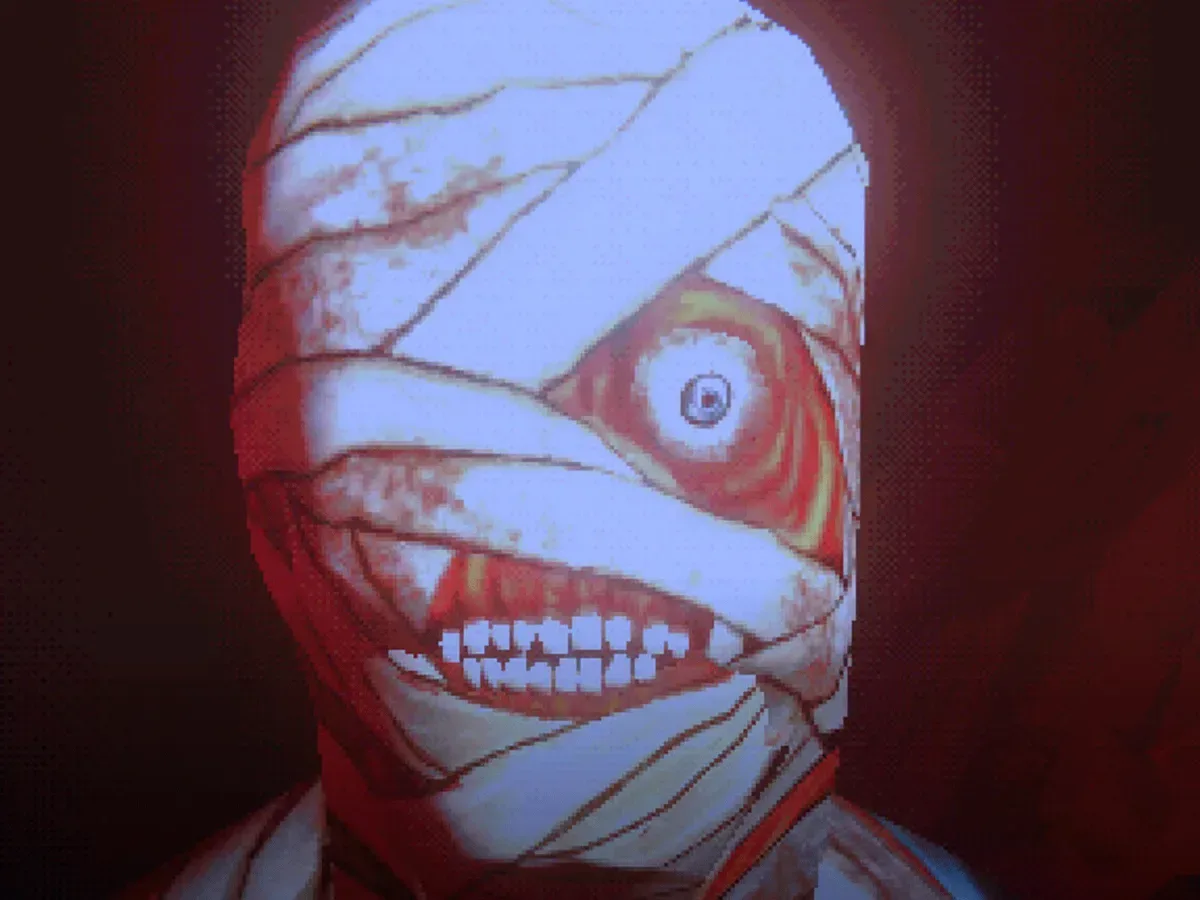
The game stands out for its nonlinear storytelling and distinctive visual approach. “Nonlinear” means a story does not necessarily present its events in simple chronological order. Instead, information can be reframed, revisited, or revealed out of sequence, changing the audience’s interpretation of earlier scenes.
That quality is especially useful in psychological horror. Rather than depending solely on a monster reveal or a single mystery with a clean answer, nonlinear structure can make viewers question their understanding of memory, responsibility, and perspective. In the case of Mouthwashing, its story of a stranded crew already has the ingredients for that kind of uncertainty.
But it also poses a careful screenwriting problem. Games can ask players to inhabit a space, absorb visual details at their own pace, and construct meaning through progression. A film controls the pace more directly. Manfredi and Hay’s screenplay will therefore need to decide what the audience learns, when it learns it, and how much ambiguity should remain around the Tulpar’s catastrophe.
Related coverage includes Mouthwashing Movie Adaptation Brings the Tulpar's Nightmare to the Big Screen.
That does not mean the movie must duplicate the game beat for beat. An adaptation is not automatically a scene-by-scene conversion. The relevant question is whether the film can preserve the game’s emotional machinery: the oppressive isolation, the escalating suspicion, and the sense that the truth is worse and more complicated than the immediate emergency.
Why Mouthwashing is a notable choice for a horror film
Mouthwashing already has recognition as a narrative-driven horror game. It won Best Narrative at the 2024 Horror Game Awards, an acknowledgement that fits the project’s emphasis on story construction rather than just its setting or shocks. Its unusual visuals also helped it earn a reputation as a modern horror standout.
The game first found a major audience on PC and has now launched on consoles. That path matters for a potential film audience: a console release can introduce the story to people who may have known its reputation without having played it during its original PC run.
Its premise is also distinct within the broad video game adaptation field. Many game-to-film projects lean on sprawling worlds, established iconography, action set pieces, or enormous casts. Mouthwashing begins with a smaller and more concentrated setup: a ship, a crew, a crash, and a collapse of trust. The scale may be contained, but the psychological stakes are not.
There is a useful horror tradition in stories where physical confinement turns into emotional confinement. Here, the Tulpar’s crew must deal with material survival while facing the consequences of what they know, what they suspect, and what they may be hiding from one another. If the adaptation keeps those layers intact, the ship could become more than a backdrop. It could function as the pressure chamber that exposes every fracture in the group.
Another horror game joins the film pipeline
The project arrives during a busy period for horror game adaptations. Zach Cregger’s Resident Evil brought a new, twisted version of Raccoon City to screens in September. Exit 8 and Five Nights at Freddy’s have also been part of the recent push to turn interactive scares into theatrical ones.
The wider game-film slate stretches well beyond horror, including movies based on The Legend of Zelda, BioShock, and Elden Ring. Still, horror has particular advantages in the transition. A game can create tension through player participation, but a movie can build it through camera placement, sound, performance, editing, and the selective release of information. The two formats create fear differently, yet both can thrive on uncertainty.
Mouthwashing may be especially well suited to that exchange because its core appeal is not merely a recognizable creature or an action scenario. The story is founded on unstable relationships and the gradual exposure of horrifying truths. Those are fundamentally cinematic concerns, provided the screenplay finds a form that retains the game’s unease instead of explaining it away too quickly.
What is confirmed, and what remains unknown
- Confirmed: Wrong Organ’s Mouthwashing is being adapted into a movie.
- Confirmed: Karyn Kusama will direct.
- Confirmed: Scott Derrickson will produce.
- Confirmed: Matt Manfredi and Phil Hay are writing the script.
- Confirmed: The game follows the Tulpar crew after their cargo ship crashes and paranoia takes hold.
- Not detailed yet: casting, release timing, a distributor, and the specific shape of the film’s story.
For now, the most telling piece of the announcement is the team assembled around the material. A director associated with character-focused genre work, a producer whose filmography includes major horror titles, and screenwriters who are regular Kusama collaborators give the project a defined creative foundation. The remaining question is how that team will interpret a game whose power comes from fractured chronology, unsettling imagery, and life aboard a ship where the worst threat may not be the crash itself.
Players looking for a different kind of horror-game detour while waiting for more adaptation news can also check out The Mimic codes and redemption guide.