Actor and disability advocate RJ Mitte, widely recognized for playing Walter White Jr. in Breaking Bad, has died at 34. Reports say his death was a suicide. Alongside tributes from colleagues and fans of his screen work, a distinct remembrance has emerged from MMO players: Mitte was not merely a celebrity who liked games. By his own account, he was deeply invested in World of Warcraft and RuneScape.
That connection is being revisited through a 2013 convention interview in which Mitte spoke unusually candidly about the scale of his gaming habits. He said he had reached level 85 on every World of Warcraft character available before the game had roughly 30 characters, and that he had maxed every skill in RuneScape. He also described an intense personal rule for new games: finish them within six hours or risk never returning to them.
The comments have resonated anew because they communicate something players instantly recognize: an understanding of games measured not only in favorite titles, but in time, repetition, systems mastery, and self-imposed challenges. For the communities now mourning him, the important detail is not simply that Mitte knew the names of two enormous online games. It is that he described goals that demand an exceptional amount of commitment.
Why the old MMO milestones matter to players
World of Warcraft and RuneScape are both MMORPGs, or massively multiplayer online role-playing games. The genre is built around persistent online worlds in which progression often unfolds over long periods. Players improve characters, raise skills, gather materials, undertake quests and participate in social groups. A single achievement can represent weeks, months, or far longer when it sits at the end of a large progression system.
For more context, explore 50 Cent Says Tupac’s Mike Tyson Recording Inspired His ‘Street Fighter’ Music.
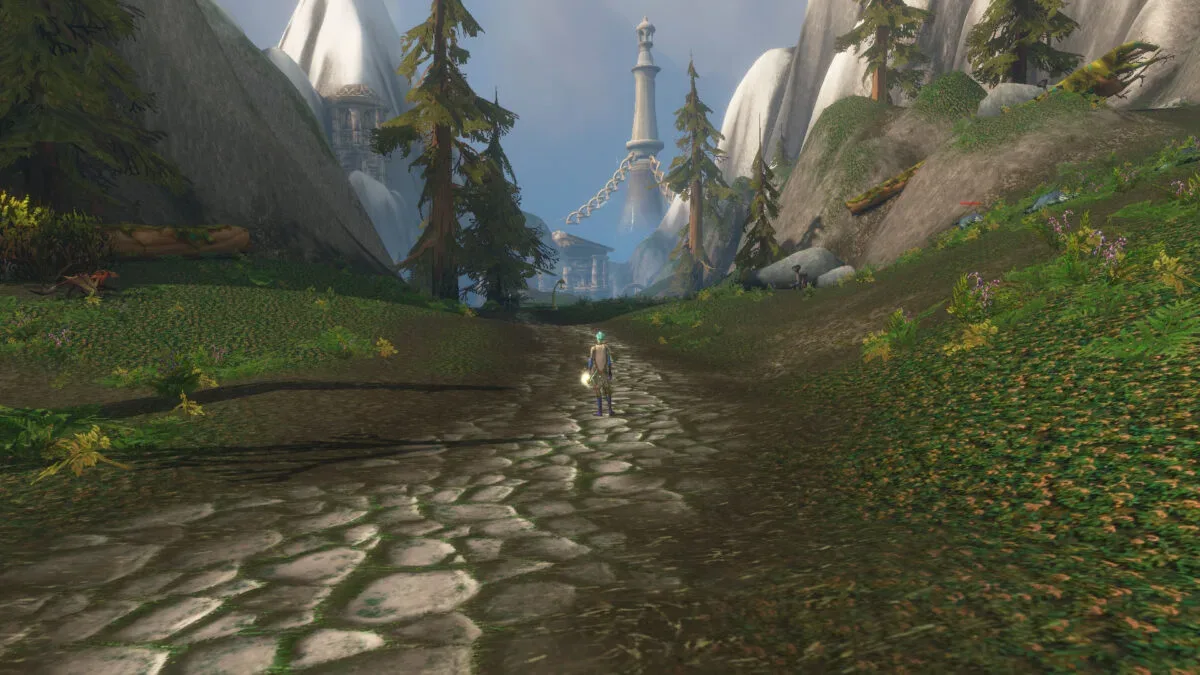
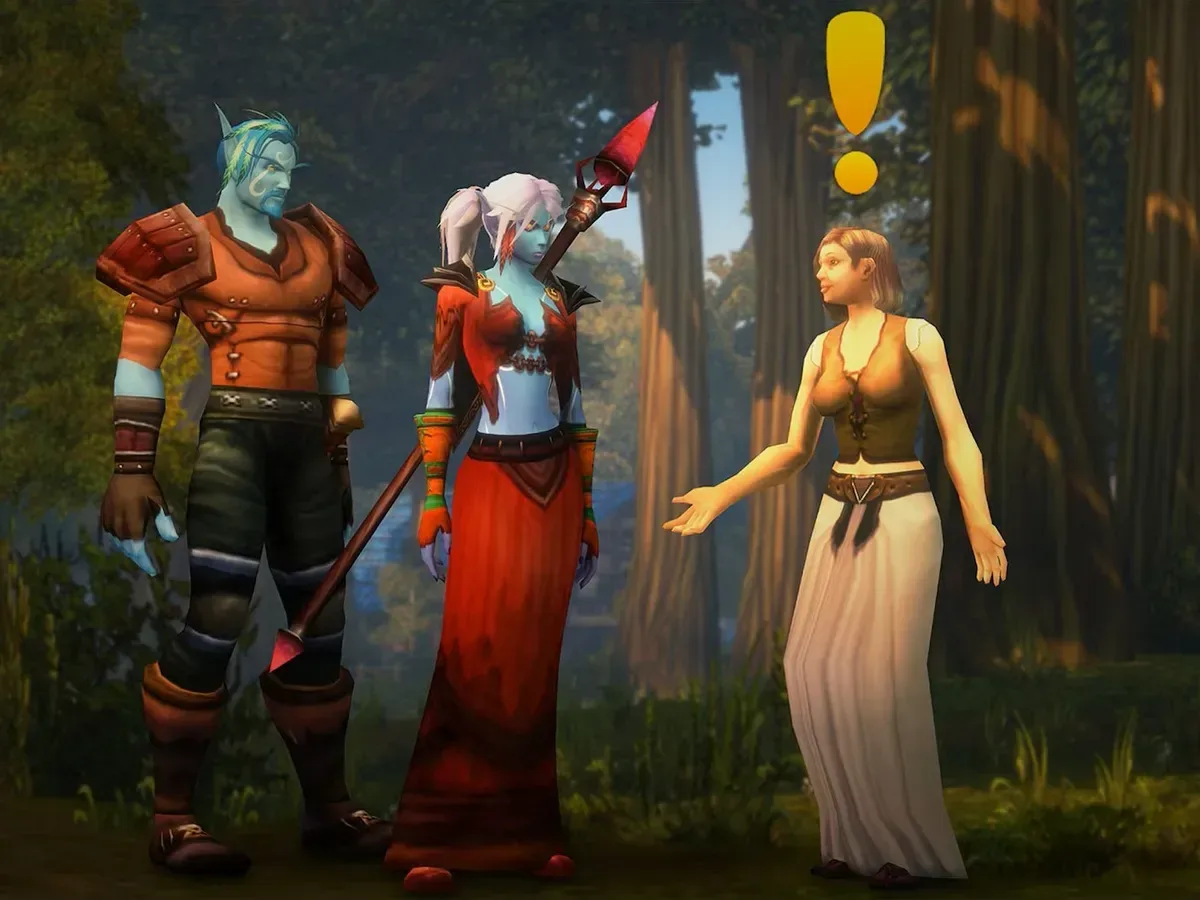
In World of Warcraft, a character’s level generally reflects advancement through the game’s core leveling path. The level cap was 85 during the 2010 Cataclysm expansion. Mitte’s description of level-85 characters across every available character type therefore refers to the maximum level of that era, not a modest early-game milestone. Reaching the cap repeatedly is a different proposition from leveling one main character: it means repeating substantial portions of the process while learning the distinct roles and abilities associated with each class.
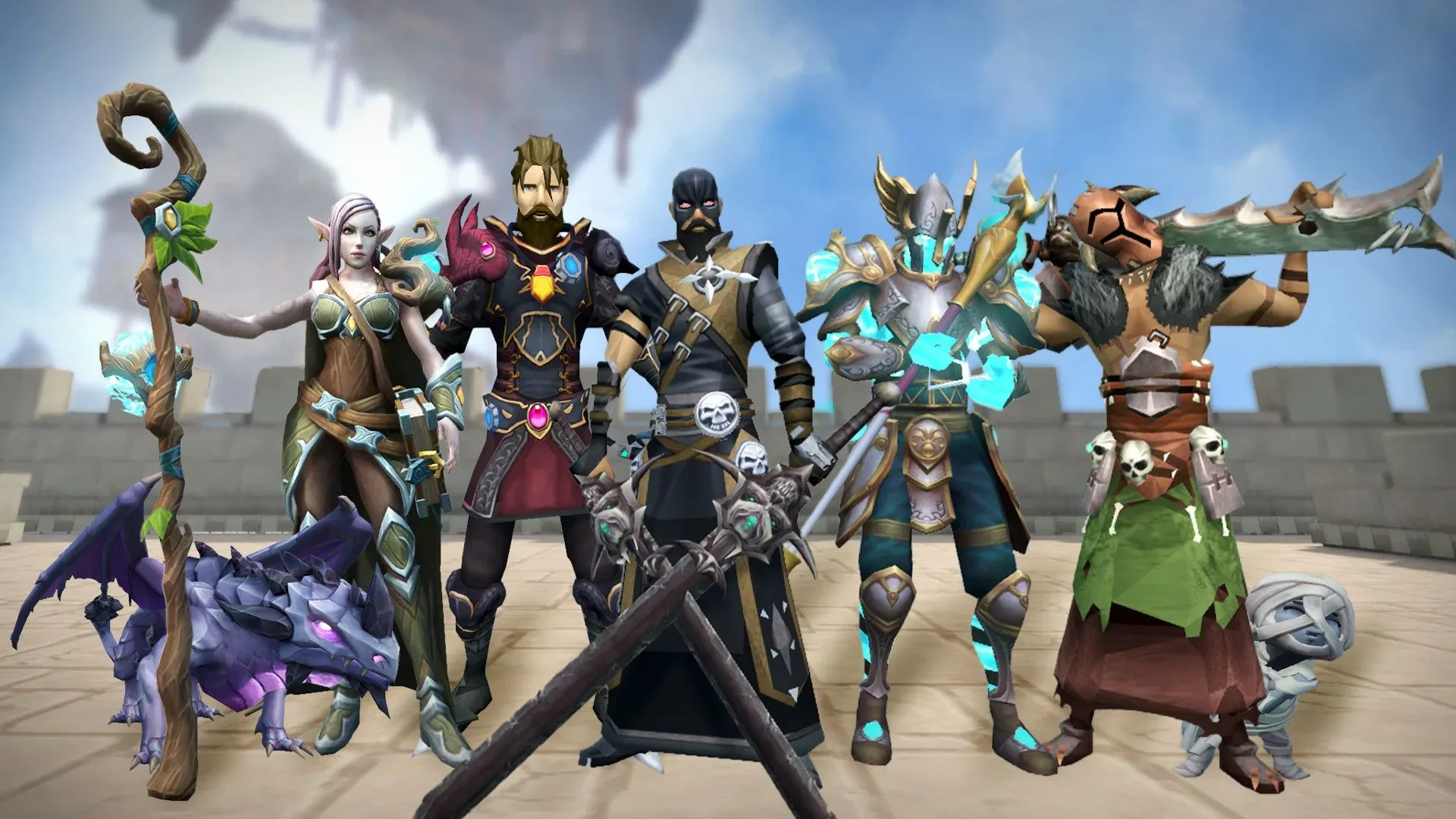
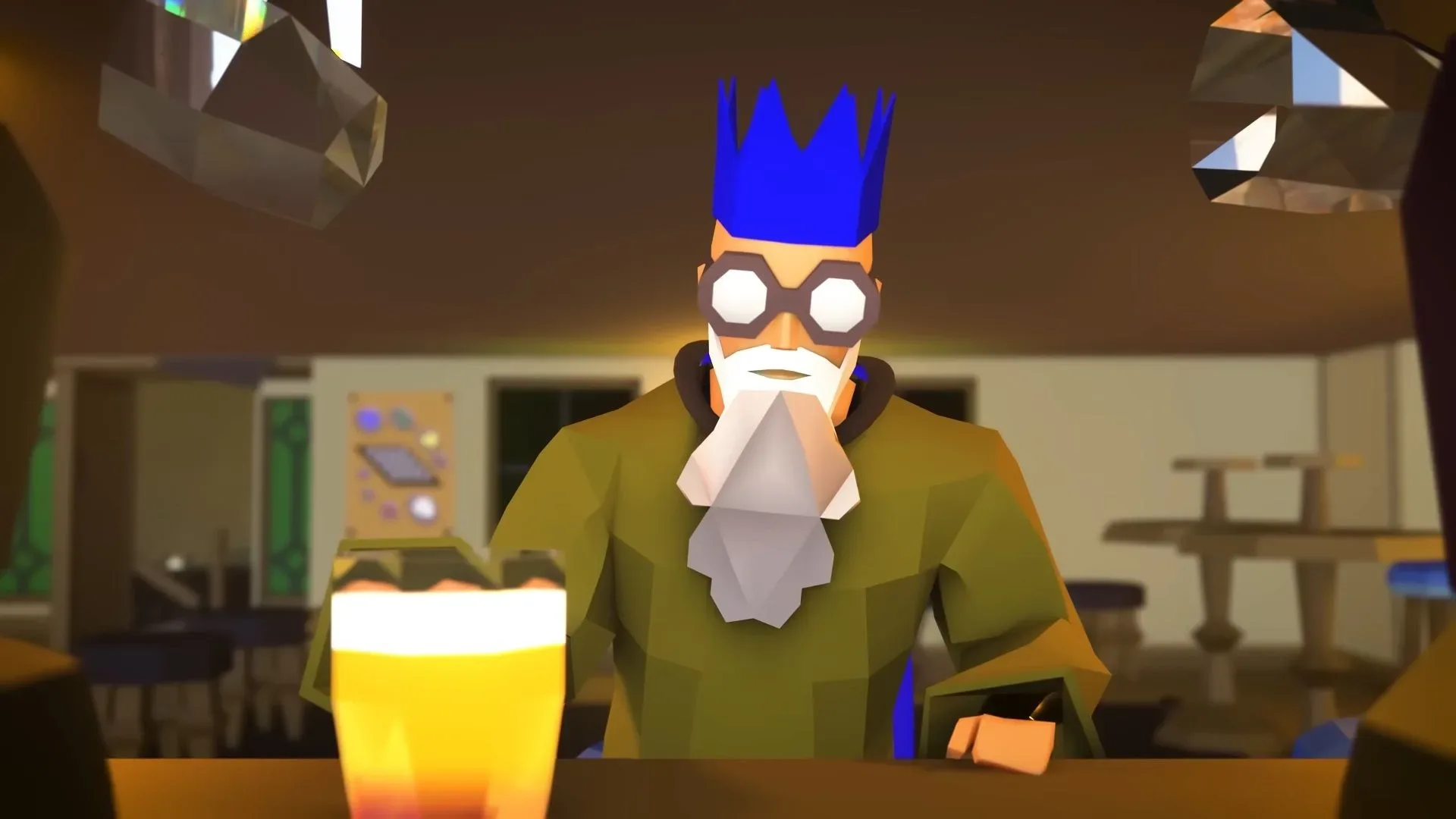
RuneScape uses a different model. Rather than anchoring a player’s identity principally to one character level, it divides progression among individual skills. “Maxing” commonly means bringing every available skill to its maximum level. It is a broad, long-term undertaking because progress is distributed among many activities, from combat to gathering and crafting-related disciplines.
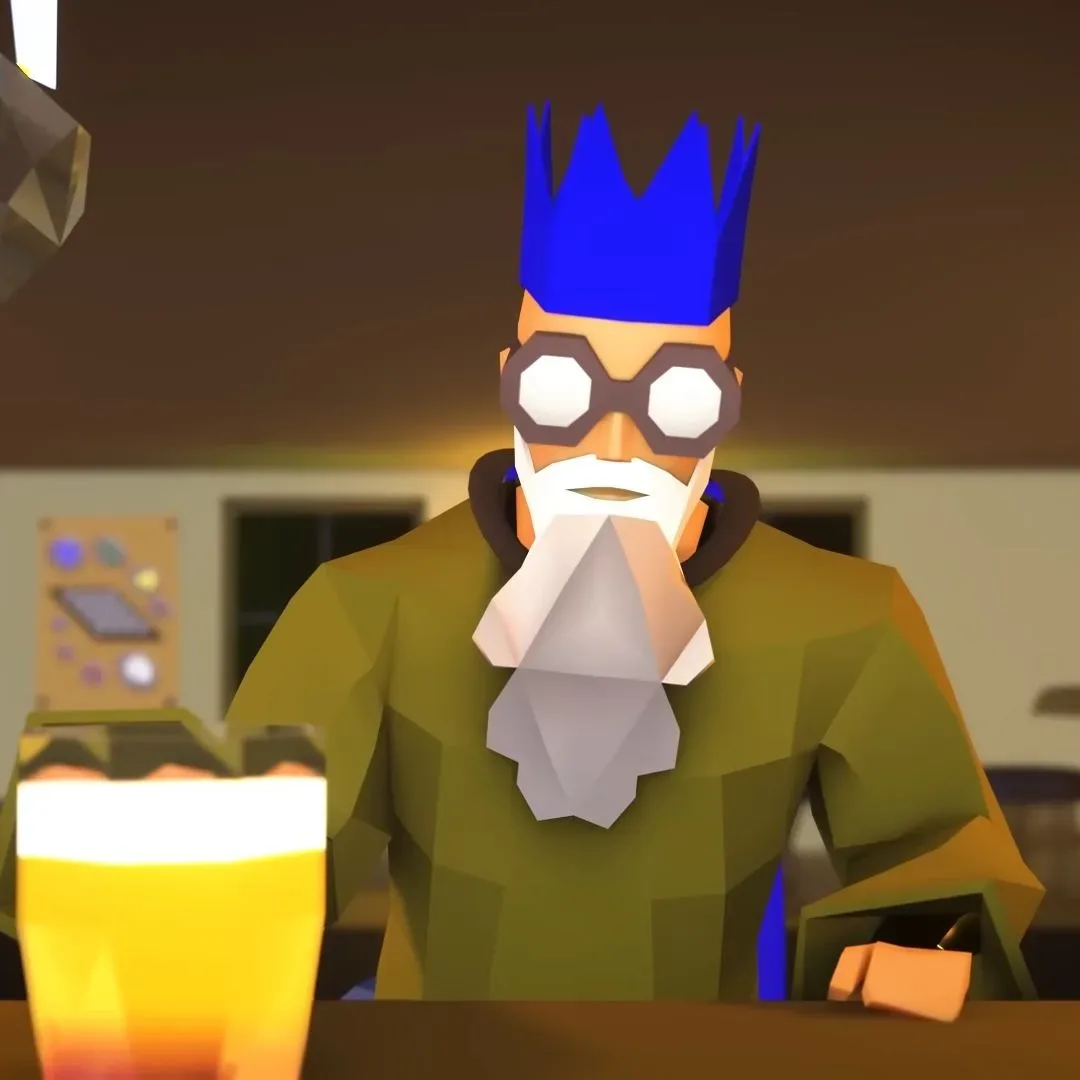
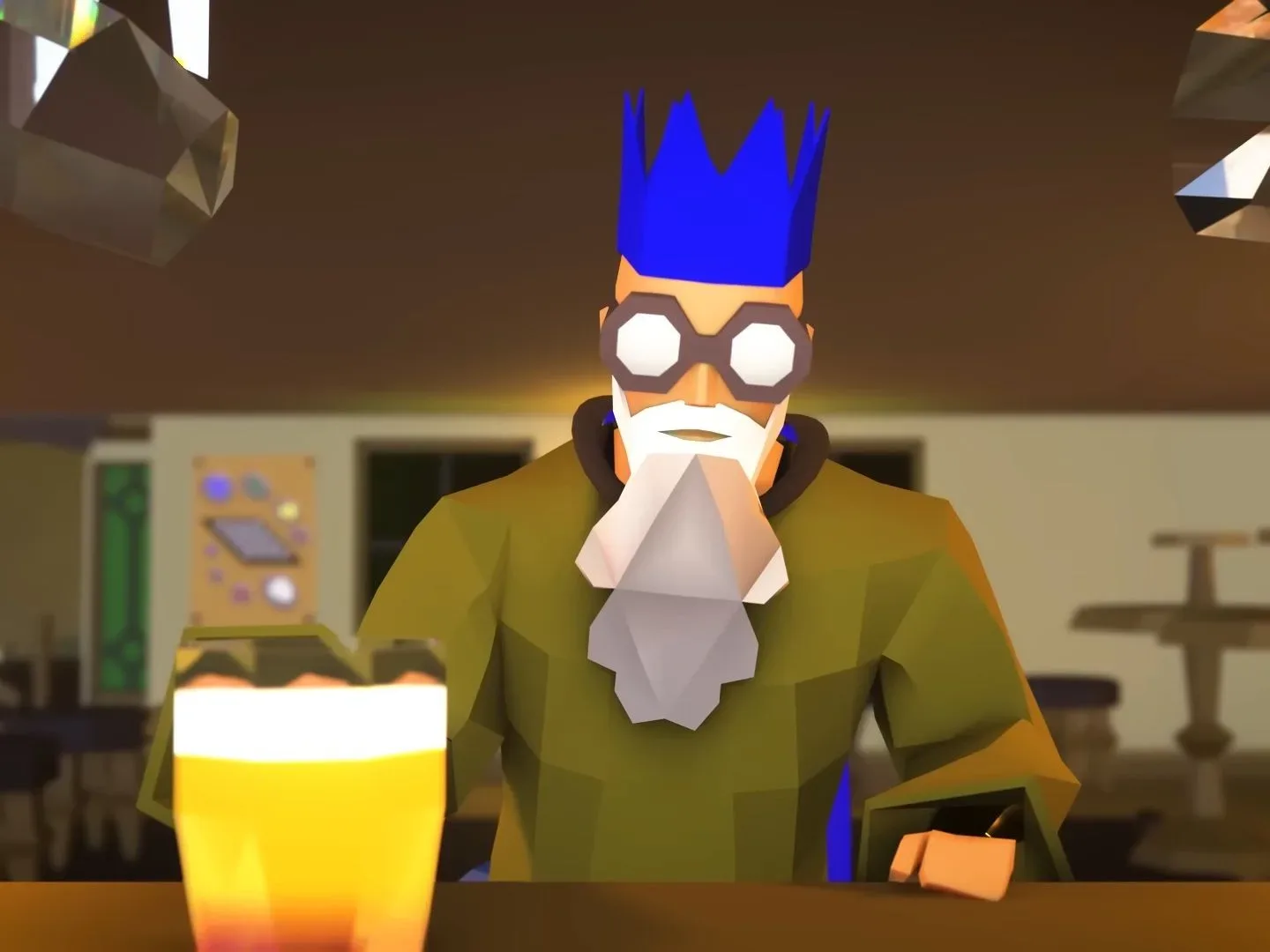
One tribute recalled watching Breaking Bad while pursuing level 99 Runecrafting during their own maxing effort. The detail carries particular weight within the community. Runecrafting is routinely treated by players as a demanding skill to train, making it shorthand for the patience associated with a long RuneScape grind. In game-community language, a “grind” is repeated activity performed for incremental progression rather than a single dramatic accomplishment.
Related coverage includes MMO Players Remember RJ Mitte as a Dedicated RuneScape and World of Warcraft Fan.
That shared vocabulary helps explain why an interview clip from more than a decade ago has become a focal point for remembrance. Players can see the work behind the brief claims. They understand what it means to keep coming back to a persistent game until a daunting meter is full, and why a player who completed that journey in earlier versions of these games would earn lasting respect.
A necessary timeline clarification
Current tributes frequently come from the Old School RuneScape community, but the version of RuneScape Mitte would have been discussing was the game now often called RuneScape 2. Old School RuneScape launched in February 2013, while the interview took place in July of that year. This distinction is useful because players use the names to describe related but separate versions and communities.
It does not make the tributes any less sincere. Instead, it shows how a gaming memory can move across generations of a franchise. Players active in Old School RuneScape today are connecting with an earlier RuneScape achievement and recognizing the same kind of effort in their own goals. The specific version has changed, but the meaning of a maxed account, a difficult skill target, or a lengthy routine remains familiar.
The history of World of Warcraft matters for the same reason. Its level cap has shifted between expansions, so “level 85” is a precise marker of a particular period in the game’s life. MMO accomplishments are always partly tied to the rules and tools available at the time. When players discuss an older cap or a past training route, they are often also talking about a snapshot of how the game once worked.
That is why some players have characterized Mitte’s accomplishments as especially demanding compared with present-day equivalents. The evidence supports the broader point that he was speaking about older iterations of both games, although it does not offer a complete, feature-by-feature comparison of their difficulty. What is clear is that the claimed accomplishments required substantial time and sustained attention.
“He was one of us”
The tone of the responses is notable. Many messages identify Mitte first as a fellow player rather than as a distant public figure. One community member wrote that many people use Old School RuneScape as an escape and described Discord and Friends Chat as support during periods of loneliness. Friends Chat is RuneScape’s player-chat feature, while Discord is a communications platform commonly used by gaming groups to organize, talk, and maintain relationships beyond a game’s own chat window.
That response captures an important reality of online games. Their systems may be built around levels, skills, loot, or quests, but players also form routines around the people they encounter. Logging in can mean joining a familiar conversation, working alongside friends, or simply knowing someone else will notice an absence. These spaces cannot replace professional care or a personal support network, but community members are rightly emphasizing that a message, check-in, or invitation to talk can matter.
Others have shared memories of meeting Mitte at an event, describing him as approachable and unaffected by celebrity. Another response came from a person who works with people with disabilities and said the news had particular emotional force after learning that Mitte was such a dedicated player. Those individual recollections should be understood as personal tributes, not a complete portrait of a person’s life. Still, together they explain why the news has crossed between television audiences, disability-advocacy communities, and MMO spaces.
The most constructive messages have avoided treating the grief as only an occasion to commemorate achievements. They have also urged people who are struggling to contact someone, offered a listening ear, and stressed that there can be brighter days ahead. That impulse is worth carrying beyond any one game community. A player list, guild chat, Discord server, or Friends Chat can be a place to celebrate a rare drop or a new level; it can also be a place to ask whether somebody is okay.
What players can take from the tributes
Mitte’s gaming comments endure because they were specific. “I play games” is a broad statement; maxing RuneScape skills and leveling numerous World of Warcraft characters are recognizably player experiences. The tribute posts show how those specifics can create a genuine sense of kinship, even among people who never met him.
They also illustrate why it is useful to take the social side of online games seriously. The relationships formed around an MMO are not automatically shallow because they began in a virtual world. For some people, the regularity of a shared game creates a manageable opening to friendship and conversation. If someone in a gaming circle seems withdrawn, distressed, or unlike themselves, a direct and compassionate check-in may be more valuable than assuming they will raise the subject first.
For people in the United States experiencing suicidal thoughts, emotional distress, or concern for someone else, the 988 Suicide & Crisis Lifeline provides support by call, text, and chat. If there is immediate danger, contact local emergency services. Outside the United States, contact local emergency services or an appropriate crisis service in your country.
For MMO players remembering Mitte, the lasting image is not a character on a television series but a committed participant in games whose biggest achievements are earned over time. The recent posts are a reminder that the people behind accounts and avatars are real people, and that compassion should be as routine as asking who is online.