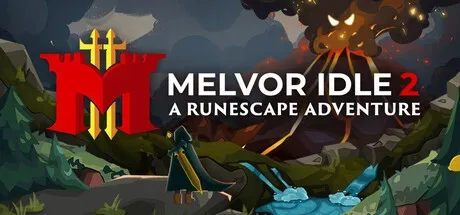
Melvor Idle 2: A RuneScape Adventure will enter Early Access on PC through Steam on November 17, 2026. Jagex, the company behind RuneScape, is publishing the sequel from developer Games By Malcs, formalizing a closer connection between the idle RPG series and the long-running skilling-focused RPG that inspired it.
The first Melvor Idle sold more than one million units. Its successor is designed to build outward rather than simply repeat that premise: the game will add skills, raise the level cap, overhaul major progression systems and introduce quests, while retaining the core appeal of advancing a character through connected gathering, crafting, combat and magic activities.
For players who enjoy the planning side of RPG progression but cannot always be at a keyboard, the key promise remains offline advancement. Characters continue progressing when the game is not actively open, turning a short check-in into an opportunity to review resources, select a new activity, prepare combat equipment or set up the next chain of crafting tasks.
A sequel with an official RuneScape connection
The expanded title, Melvor Idle 2: A RuneScape Adventure, is significant. The original game began as an independent project influenced by RuneScape’s skill loops. This new publishing arrangement brings it officially under the “RuneScape Adventure” banner, while Games By Malcs remains the developer.
That phrasing does not, on its own, establish every practical detail of how the two games will connect. What is confirmed is the branding relationship and Jagex’s role as publisher. Players should therefore avoid assuming unannounced crossover content, shared accounts, multiplayer features or other integration simply because the game is now positioned closer to the RuneScape universe.
Still, the partnership makes immediate sense at the level of design. RuneScape-style progression is built around skills that feed each other: gathering materials leads to processing them; processing supports equipment or consumables; those tools make combat and further resource acquisition more effective. Melvor Idle 2 is expressly built around that same web of interconnected activities.
Games By Malcs founder Brendan Malcom described the new official association as the realization of a long-held goal for a project that began as a smaller passion project. Jagex’s Anna Mostyn-Williams credited the original game with capturing the satisfying nature of RuneScape skilling and said the companies aim to take that relationship further with the sequel.
What kind of game is Melvor Idle 2?
Melvor Idle 2 is a single-player incremental idle adventure with RPG systems. “Incremental” refers to games structured around steady, often numerical growth: resources accumulate, skills gain experience, better tools or equipment improve efficiency, and those improvements open the door to further progress. An “idle” game lets at least some of that growth continue with limited active input, rather than demanding constant manual actions.
Related coverage includes Melvor Idle 2 Enters Steam Early Access on November 17, 2026.
That does not mean the game is presented as a passive screensaver. The announced systems suggest that decision-making sits at the center of its loop. Players will choose how to develop skills, arrange their combat approach and pursue dungeons, monsters, bosses and quests. The idle component changes the tempo of advancement; it does not remove the RPG structure around preparation and priorities.
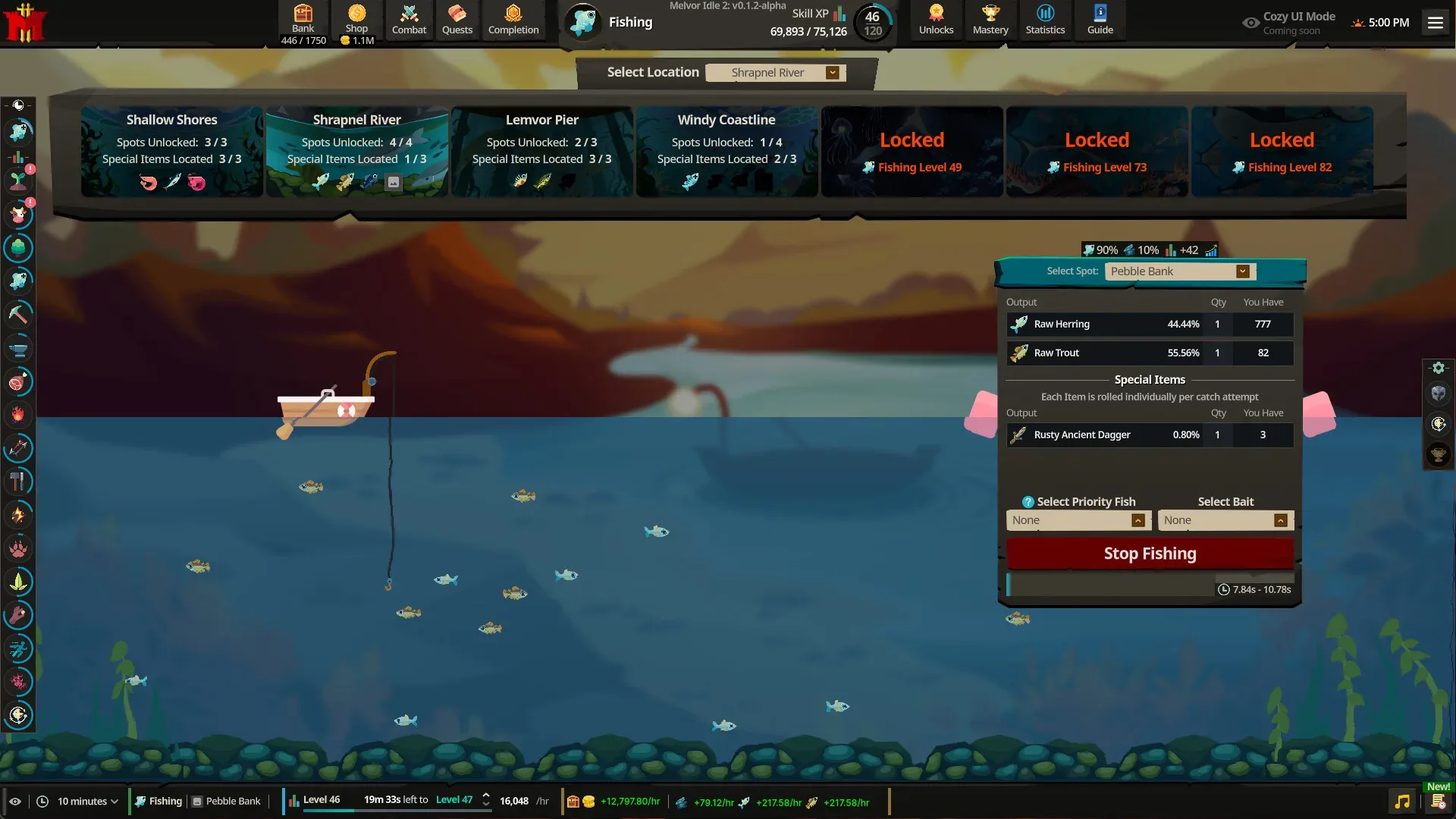
The confirmed skill roster includes:
- Woodcutting
- Smithing
- Cooking
- Farming
- Combat
- Magic
Those named disciplines illustrate how the game’s systems can overlap. Woodcutting is a gathering activity, smithing is a production activity, cooking concerns provisions, farming provides another resource-focused route, and combat and magic turn a player’s preparations toward encounters. The full game will contain 29 skills, a figure reached by adding five new skills to the sequel.
The names and detailed functions of those five new skills have not been provided. Likewise, the higher level cap has been confirmed without a stated numerical maximum. Those are meaningful points of restraint for prospective players: there is a clear promise of a larger progression framework, but not yet enough information to map every build or long-term optimization path.
Combat builds, dungeons and bosses
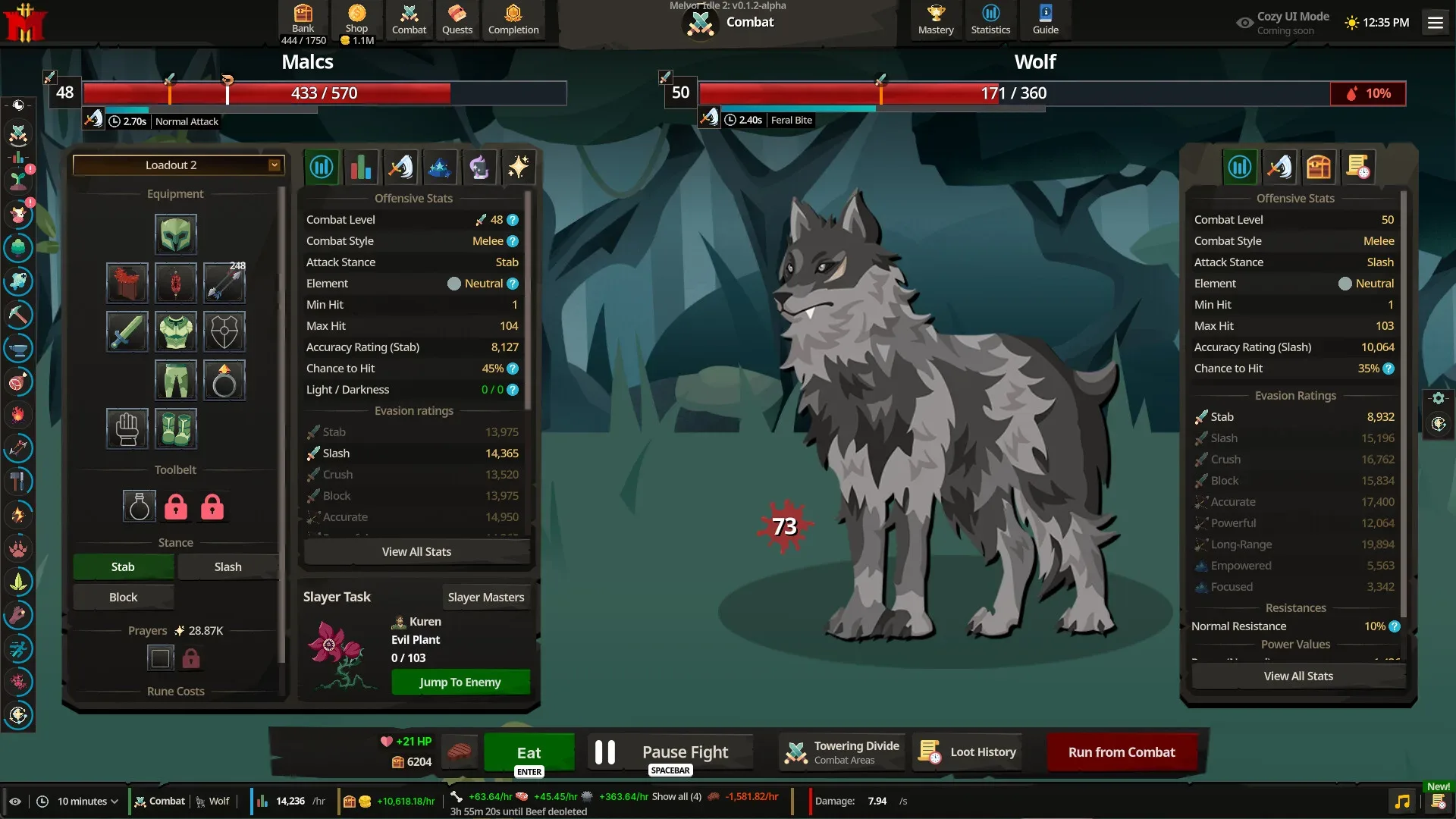
Players will be able to develop ranged, melee and magic builds. In RPG terms, a build is the combination of a character’s capabilities and the choices that support them, such as an emphasis on a particular fighting discipline. The three announced approaches point to distinct ways of framing combat progression, although the specific weapons, spells, defensive options and trade-offs have not been detailed.
Combat will include monsters, dungeons and bosses. A dungeon is generally a contained combat challenge or sequence, while a boss is typically a more demanding enemy intended to test a character’s preparation and strategy. The game is also slated to receive updated combat mechanics, but exactly what has changed from the first game has not been outlined.
That leaves room for informed interest without turning a feature list into assumptions. What is known is that fighting is part of a larger skill network rather than an isolated action mode. Players can expect their non-combat development to matter to their broader character progression, but the eventual strength of each route will depend on the details delivered during Early Access.
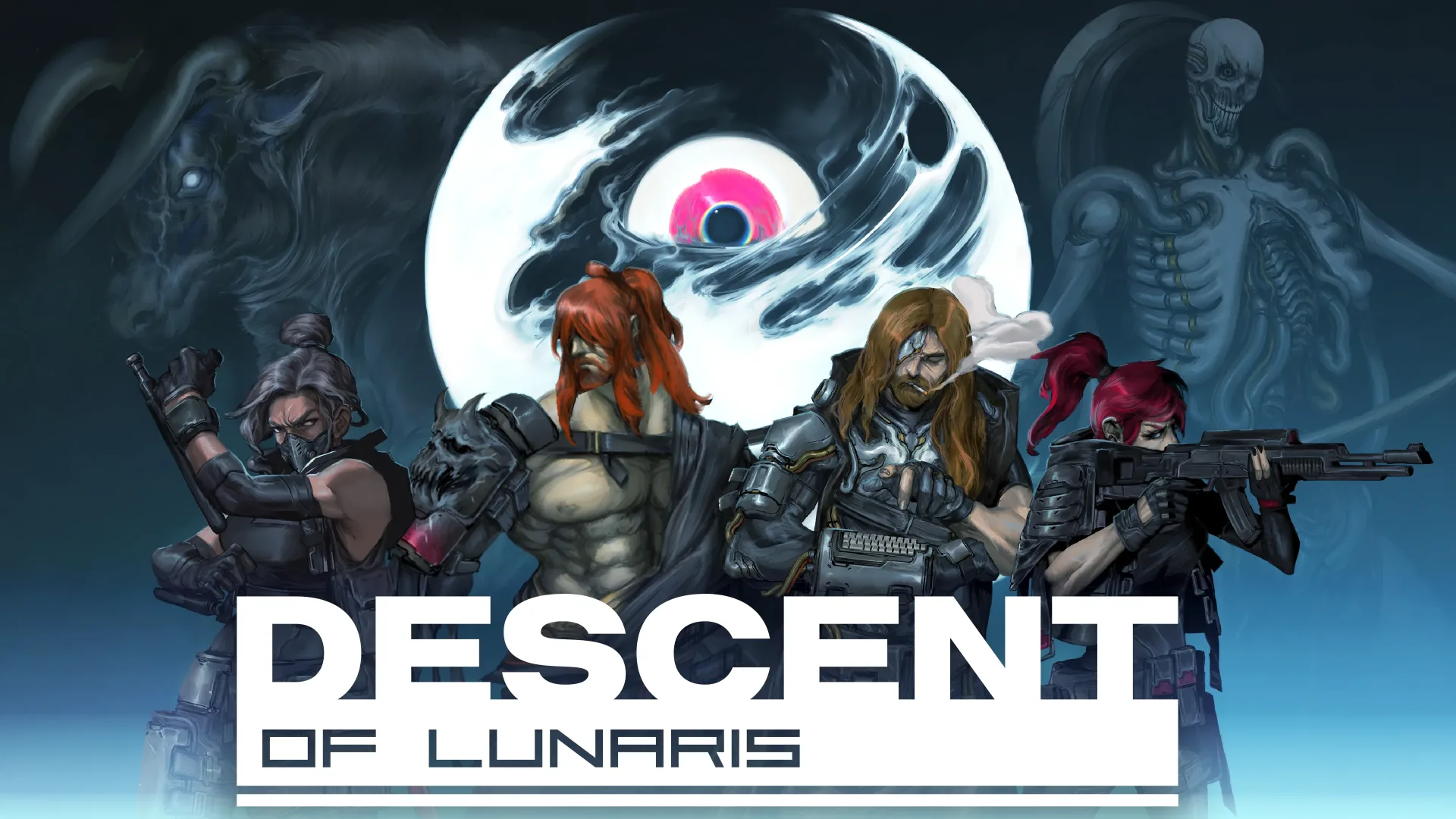
Anyone looking for another PC progression-heavy RPG can also keep an eye on the expanded Descent of Lunaris demo, which takes a very different, more directly adventure-led approach to its dungeon structure.
Mastery and quests are major system changes
Two of the sequel’s largest announced revisions are its fully reimagined Mastery system and its new Quest system.
Mastery, in this context, is a progression layer tied to skills. The sequel will apply its redesigned Mastery system across all skills. The announcement does not specify how experience, rewards, bonuses or individual skill targets will function within that system, so it would be premature to characterize it as a simple replacement for the original game’s version. Its scope, however, is notable: an across-the-board rework affects the backbone of an idle RPG where skill development is central to nearly every activity.
Quests are also new to this iteration. In broad RPG terms, quests are structured objectives that guide players toward particular activities, enemies, resources or milestones. Their inclusion may give the sequel more explicit short- and medium-term goals alongside the open-ended pull of skill grinding. But the available details do not establish whether quests are linear, repeatable, narrative-led, combat-focused or tied to specific rewards.
Together, Mastery and quests potentially address two different parts of the player experience. Mastery concerns how deeply players specialize in the individual activities they repeat; quests can provide direction across those activities. The first system supports long-range investment, while the second may help clarify what to pursue next. That is an interpretation of their stated roles, rather than a confirmation of their final implementation.
Offline progress is the practical centerpiece
The sequel’s offline progression is likely to be especially important for people deciding whether its rhythm fits their schedule. Rather than asking players to keep a game running and actively click through every gathering or crafting action, the design permits advancement while they are away.
In practical terms, that can make the game well suited to segmented play: choose an activity before stepping away, return later to inspect what accumulated, then decide how to reinvest the results. A player might shift from obtaining materials to making items, then use the outcome to improve a combat-oriented setup. The exact restrictions, rates and interfaces for offline progress have not been announced, but the intended cadence is clear.
That cadence has a trade-off. Players who want continuous action and immediate mechanical execution may find an incremental structure less direct than a conventional action RPG. Conversely, people who enjoy setting goals, spotting dependencies between skills and gradually improving a character may find the pauses between decisions part of the appeal. Multiple game modes are planned to challenge players with different skill levels, though their names, rules and availability have yet to be explained.
New presentation, familiar progression priorities
Alongside its systemic changes, Melvor Idle 2 will feature updated graphics, audio and animations. No detailed visual comparison or technical specifications have been announced, but the update signals that the sequel is meant to be a broader refresh rather than a content-only expansion of the original.
The announced feature set can be summarized as follows:
- A PC Steam Early Access launch on November 17, 2026.
- Jagex publishing, with Games By Malcs developing.
- Official “A RuneScape Adventure” positioning.
- Single-player idle and incremental RPG progression.
- Offline advancement.
- 29 total skills, including five new ones.
- An increased level cap.
- A reimagined Mastery system covering all skills.
- A new Quest system and revised combat mechanics.
- Ranged, melee and magic build paths, plus dungeons, monsters and bosses.
- Updated graphics, audio and animation, along with several game modes.
Early Access is also worth reading literally: the November 17 date is for the Early Access version, not a stated full-release date. No schedule for updates, duration of Early Access, pricing or additional platforms has been announced in the supplied details. For now, PC via Steam is the confirmed destination.
For the existing community, the sequel’s appeal is straightforward: it retains the skill-driven foundation that helped the first game reach more than one million sales while adding a larger roster, new progression layers and a more official place alongside RuneScape. For newcomers, its clearest proposition is a solo RPG where the meaningful choice is not merely which enemy to hit next, but how a whole set of skills can support the next stage of a long-running adventure.