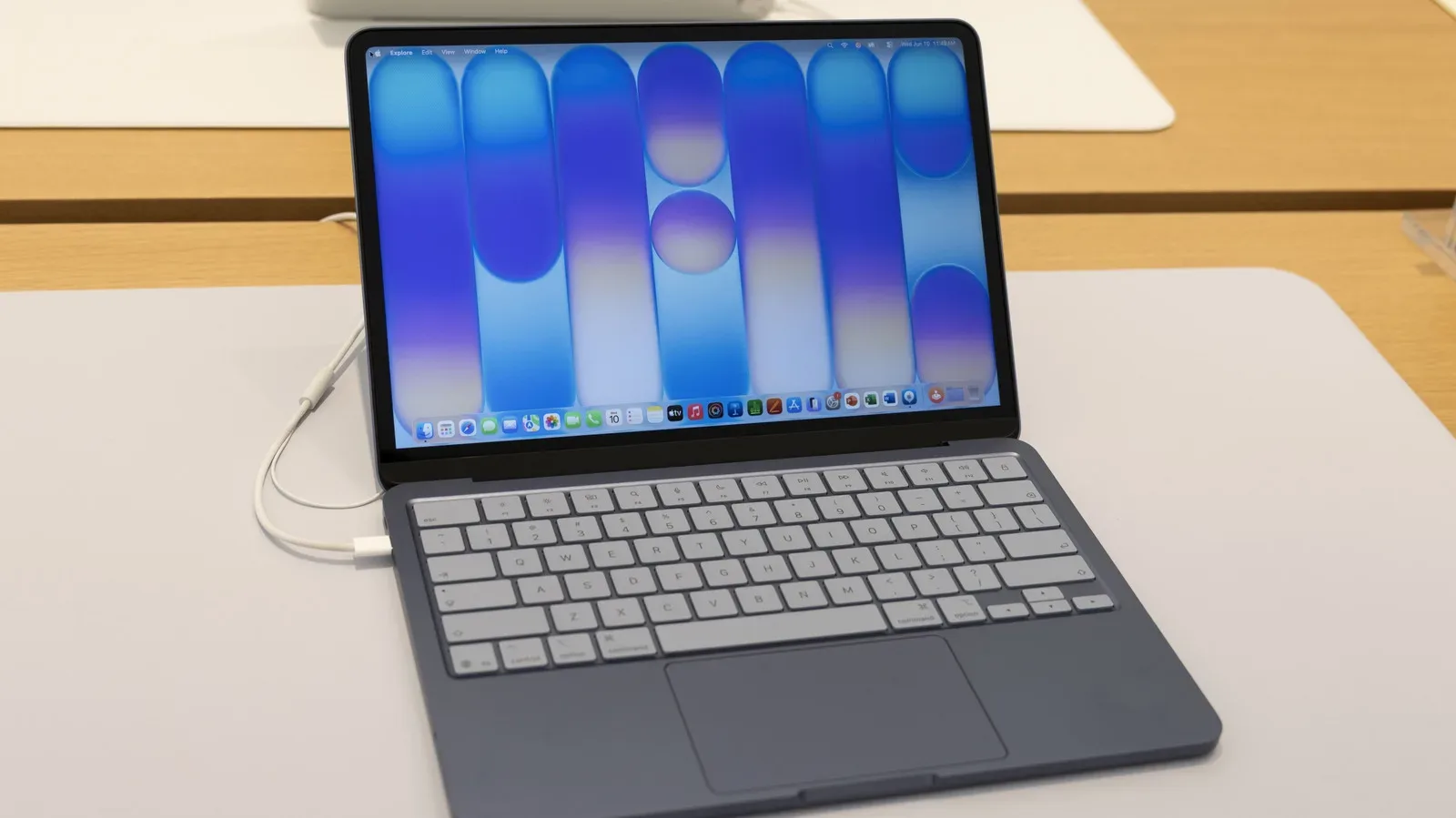

Apple’s entry-level MacBook Neo may be headed for a familiar rhythm: a new version each year, much like the company’s MacBook Air and MacBook Pro lines. The reported plan matters less as a promise of a dramatic redesign every 12 months and more as a sign that the low-cost laptop could become a regularly maintained part of Apple’s lineup.
The next reported model carries the codename J701 and is said to be due next spring. Its focus is expected to be internal hardware, specifically a move from the current model’s A18 Pro chip to an A19 Pro, alongside an increase in memory from 8GB to 12GB.
Those details remain reported rather than confirmed product specifications. Still, together they outline a simple strategy: keep the Neo’s entry price and identity intact while using an annual processor refresh and a useful memory bump to prevent the machine from feeling stranded behind Apple’s more expensive notebooks.
What an annual Neo cycle would mean
An annual update cadence is not the same thing as a yearly mandate for owners to replace their laptops. Rather, it gives prospective buyers a clearer expectation of when newer hardware may arrive. That can be especially relevant at the budget end of the market, where buyers may hold onto a computer for years and want the strongest possible baseline when they make the purchase.
The reported $699 price positions the MacBook Neo as a bid for shoppers who might otherwise consider an inexpensive Windows PC or Chromebook. A predictable refresh schedule could help Apple keep the model’s components current against those alternatives without turning every update into a major event.
There is also a practical inventory benefit to a yearly approach. A single, well-defined annual refresh can make it easier for buyers to understand which version is current. That does not answer every purchasing question—storage, display, ports, battery behavior, and other specifications have not been detailed here—but it establishes a more legible upgrade window than an irregular release pattern.
The reported chip and memory changes
The J701’s reported move from A18 Pro to A19 Pro would make the processor the centerpiece of the update. A chip, often called a processor or system-on-a-chip, is the central component that handles a computer’s general processing tasks and can incorporate other functions in the same package. On its own, a newer chip name does not quantify real-world performance; the available information does not establish benchmarks, battery-life changes, graphics capabilities, or the exact nature of any generational improvement.
What can be said is that a processor update is a conventional way to keep a product line current from one year to the next. If the report proves accurate, the Neo would receive a newer A-series Pro chip while retaining its focus on affordability.
The memory increase is arguably the more immediately understandable change for everyday use. Memory, usually referred to as RAM, is the fast working space a computer uses while applications and tasks are active. More memory can give a system more room when several applications, browser tabs, documents, or background processes are open at once.
Moving from 8GB to 12GB would represent a 50% increase in available memory. That arithmetic does not automatically translate into a 50% speed gain, and it should not be treated as one. Performance depends on the task, the software, and how much memory the workload actually needs. But extra RAM can reduce pressure when multitasking and offers more headroom than an 8GB configuration.
For prospective buyers, the important distinction is between a component specification and a measured result. The reported 12GB figure is a potentially meaningful quality-of-life improvement, but it is not yet evidence of how the J701 will perform in specific applications.
Colors could become part of the refresh story
Hardware may be only one part of the annual cycle. Apple is also reportedly considering frequent color refreshes for the $699 Neo, though it is not yet clear whether that practice will begin with the first follow-up model.
Color changes can give a yearly model visual separation even when the chassis and overall design remain largely the same. For a laptop aimed at the lower end of the Windows PC and Chromebook market, that can be a straightforward way to make a current model easy to recognize without suggesting that existing owners need an entirely new machine.
It is important to keep the uncertainty intact. The information points to a plan to refresh colors frequently, not to a confirmed list of finishes or confirmation that new options will arrive next spring. Buyers interested primarily in a particular color should wait for formal product details rather than assume any rumored finish is imminent.
How shoppers can read the report now
The reported spring timing creates a familiar decision for anyone considering the current MacBook Neo. A buyer who needs a laptop now has a known baseline: the existing version is described as using an A18 Pro and 8GB of memory. Someone who can wait may wish to weigh that immediate need against the possibility of an A19 Pro-equipped successor with 12GB of memory.
- Need a computer immediately: the current model’s value should be assessed on its own specifications and suitability, not solely against unconfirmed future hardware.
- Can wait until spring: the reported J701 changes make waiting a reasonable consideration, particularly for people who value additional memory.
- Care about looks as much as internals: a future color refresh is possible, but no specific colors have been established.
- Shopping across budget laptops: compare the actual configurations available at purchase time, since the Neo is reportedly intended to compete with low-end Windows PCs and Chromebooks.
Apple’s broader work remains relevant to technology buyers beyond the Neo itself. The company has also drawn attention in a separate report over an NameDrop-related patent case in India, a reminder that the company’s product ecosystem and business operations can generate news on several fronts at once.
For the MacBook Neo specifically, the central takeaway is restrained but notable: the reported plan is for regular annual maintenance, led first by a newer chip and more memory, with colors potentially becoming another recurring part of the update. Until Apple provides official information, the J701 codename, spring window, A19 Pro, 12GB memory configuration, and color strategy should all be treated as reported plans rather than finalized product facts.