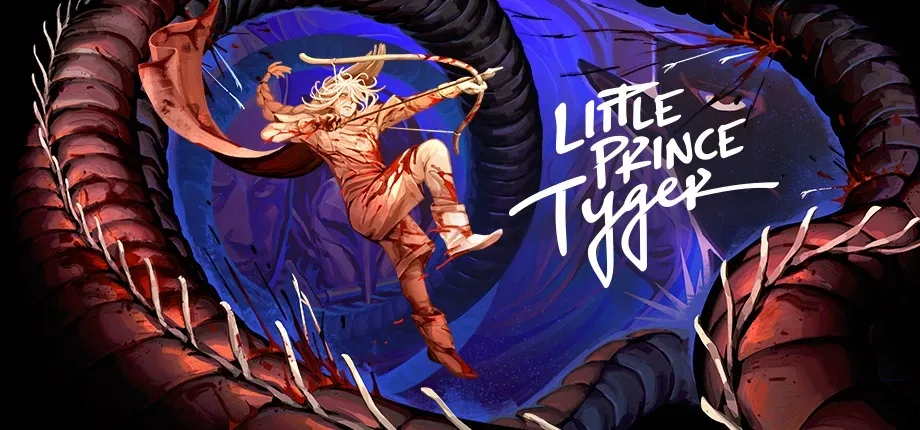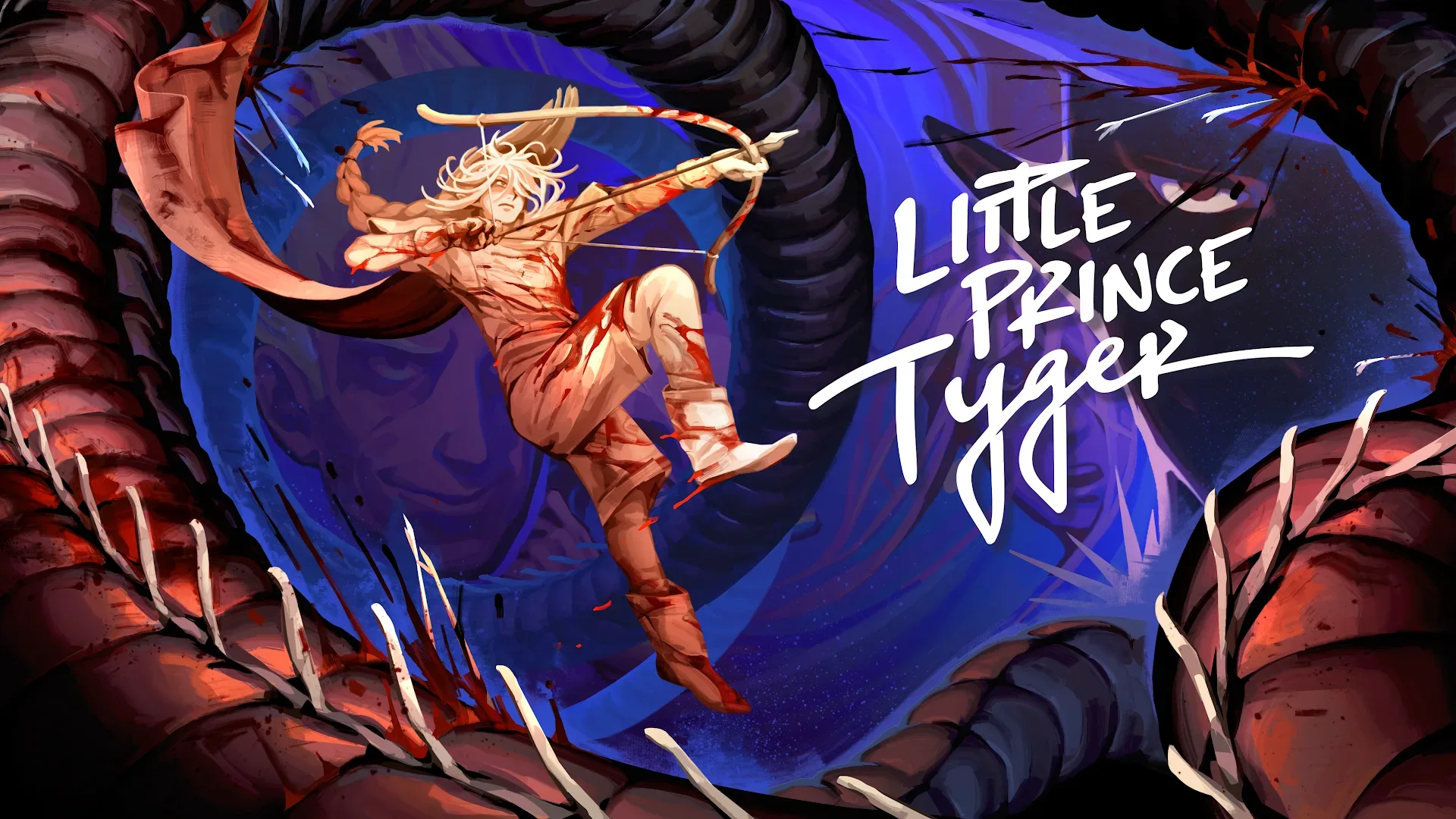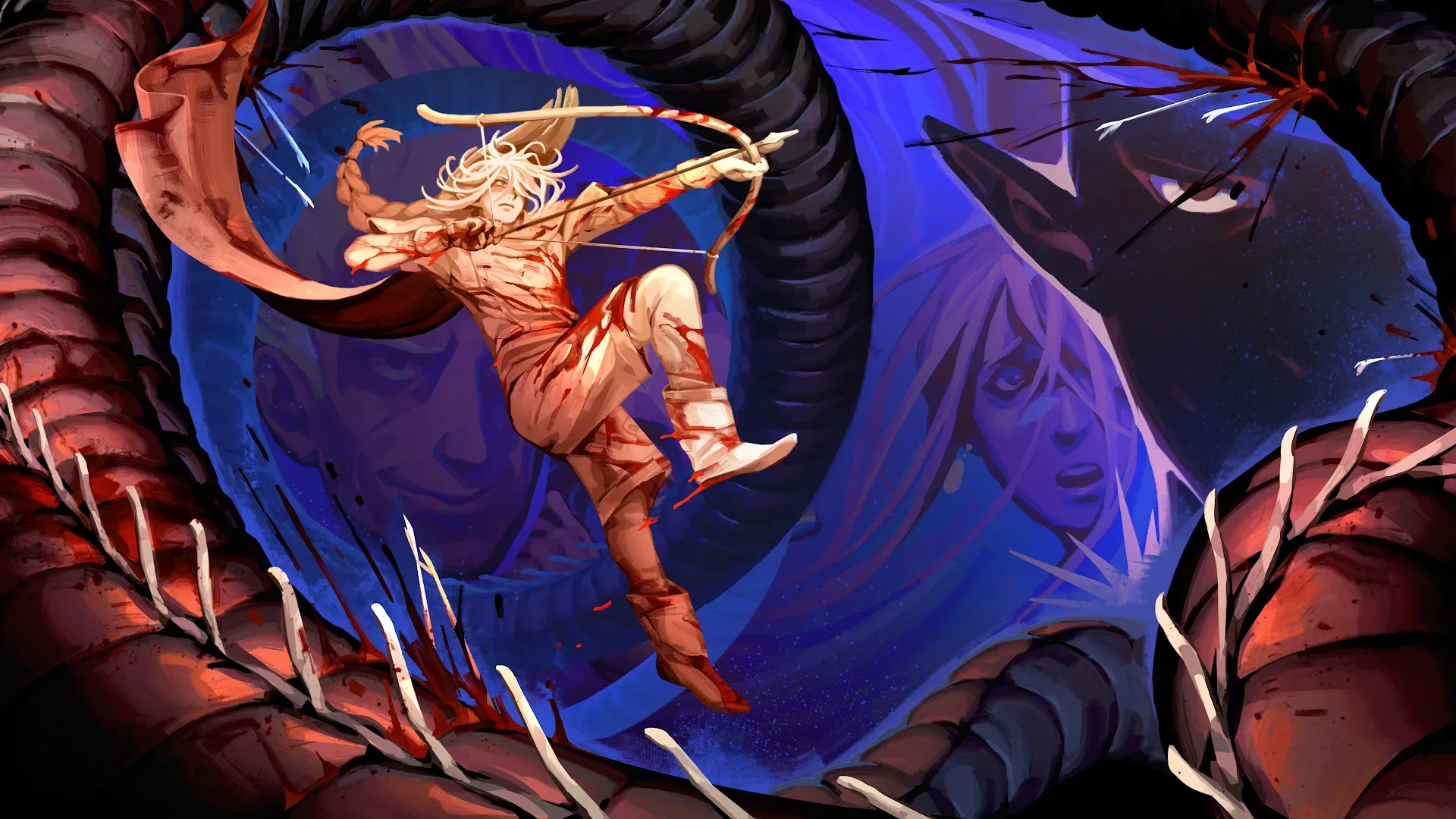
Little Prince Tyger, a dark fantasy action-roguelite from French developer Saltitude Games, is planned for PC in 2027. Announced on October 8, 2026, the game places a tiny pixelated hunter in a hostile world, armed first and foremost with a bow and charged by the Queen with locating her missing son, Prince Galaad.
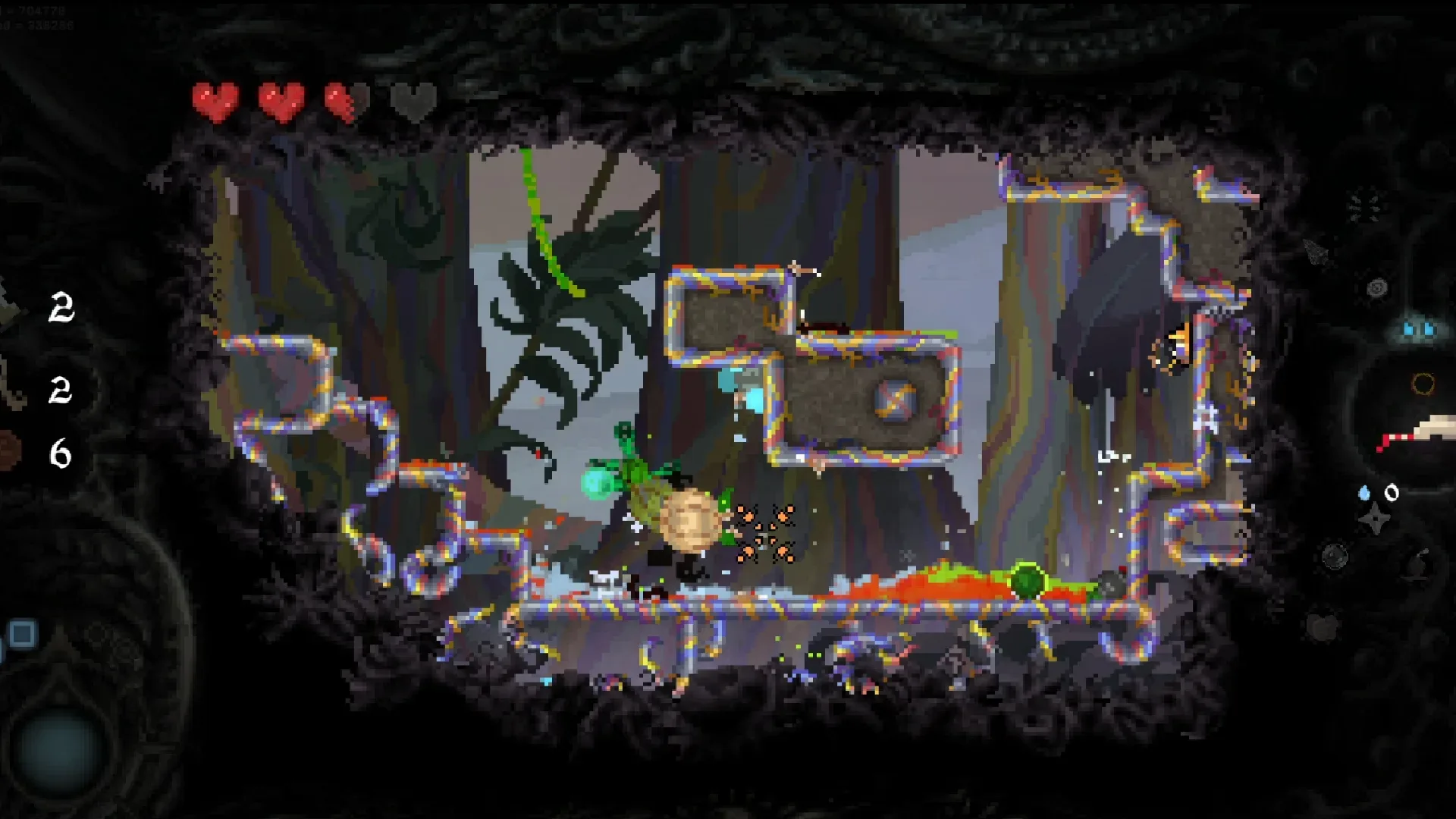
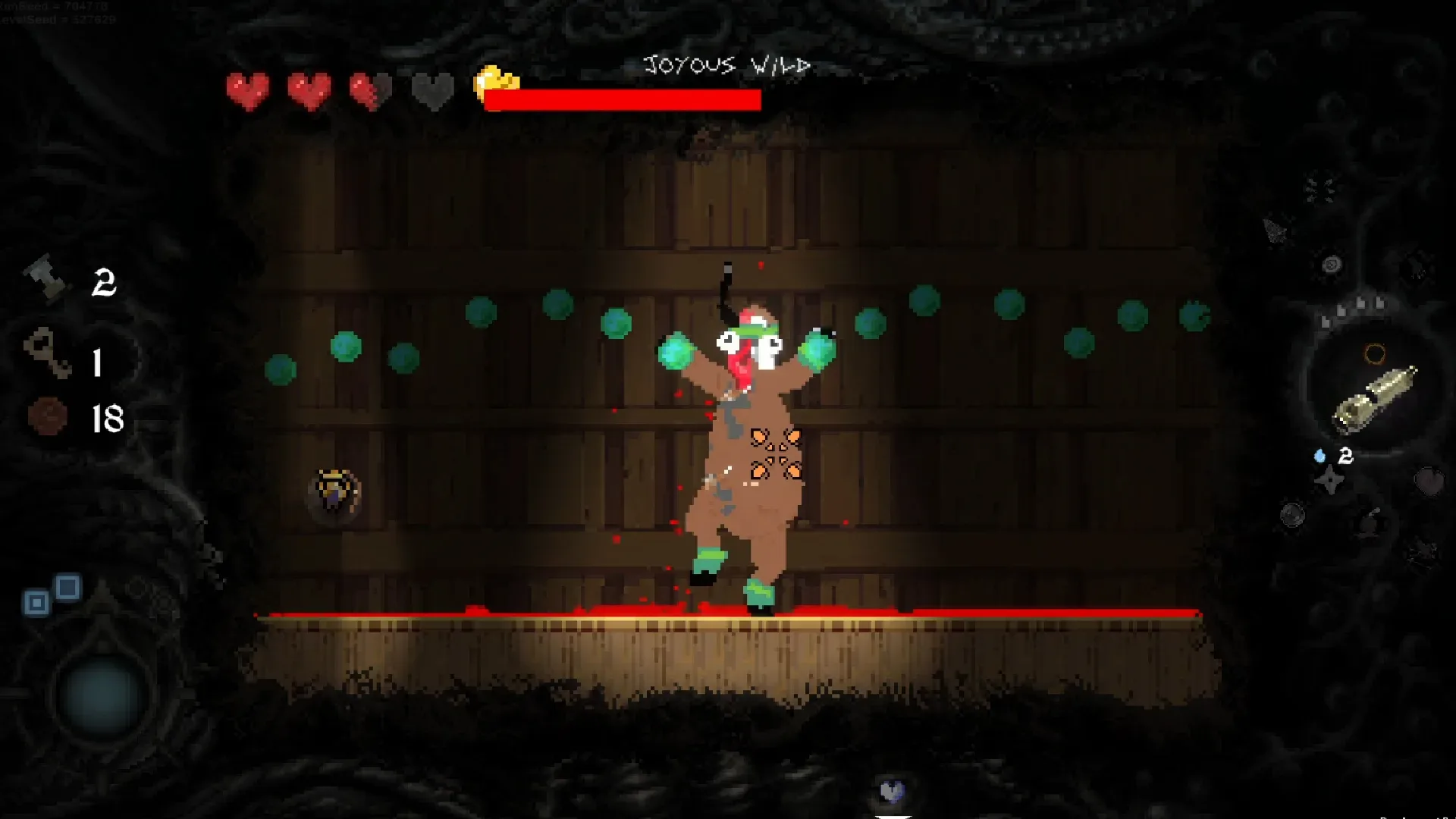
Its initial details point to a game built around compact, repeatable action spaces rather than long continuous stages. Saltitude Games says Little Prince Tyger will contain more than 1,000 handcrafted, single-screen levels, with each run shaped by changing perks, weapons and abilities. The stated combination is deliberate: low-resolution 2D visuals frame combat intended to be precise, while physics and fluid simulation are meant to make the environment part of the player’s tactical toolkit.
A bow is the starting point, not the whole build
Archery is central to Little Prince Tyger’s identity. The hunter begins with a bow and arrow, and the announced perk system reaches beyond a simple damage increase. Potential modifications include bleed damage, movement changes, and adjustments to an arrow’s draw speed and weight.
Those terms matter because they suggest that firing an arrow may involve several separate considerations. Draw speed generally describes how quickly a shot can be prepared. Arrow weight, in the context presented here, is a property that could affect how a projectile behaves within the game’s physics-driven combat. Meanwhile, bleed damage is a damage-over-time effect: rather than all harm arriving on impact, an enemy may continue taking damage after it has been hit.
The announcement does not specify exact numbers, upgrade rules or how these properties interact. Still, the range of examples indicates that runs may change not merely how hard the hunter hits, but how players approach aiming, positioning and timing. In a game emphasizing short one-screen challenges, even a small adjustment to movement or shot preparation could meaningfully alter the rhythm of a room.
The bow will not be the only available option. Runs can grant access to javelins, boomerangs, throwing knives and traps, among other weapons. That is an important distinction from a game where every build stays locked into one firing pattern. A javelin, boomerang, knife and trap each imply a different role in combat, whether that is a more committed throw, a returning projectile, a rapid thrown attack or a hazard placed in the environment. Exact mechanics have not been detailed, so players should not assume how any individual weapon will function until more is shown.
Physics and fluids are positioned as strategic tools
Little Prince Tyger is described as featuring physics-driven combat and environmental manipulation, alongside fluid simulation. In practical terms, physics-driven systems are ones where objects or projectiles are designed to respond to simulated properties and interactions rather than existing only as fixed visual effects. Fluid simulation refers to a system for representing and moving liquids in the game world.
What Saltitude Games has confirmed is that players can receive abilities that manipulate fluids or slow down time. The full list of fluids, their behavior and the exact puzzles or combat scenarios built around them have not been outlined. But their presence alongside projectile statistics is a useful clue to the game’s priorities: successful runs may ask players to read an arena and make use of changing conditions, not simply eliminate enemies as quickly as possible.
Time slowing is another perk example with potentially broad consequences for a precision-action game. If an encounter demands careful arrow placement or quick reaction to hazards, slowing time could create a window to line up shots, reassess movement or exploit the environment. That is analysis based on the announced focus on precision and strategic action, rather than a confirmation of any specific in-game scenario.
The key promise is flexibility. A run may alter the hunter through numerical stat changes, add an ability that changes the rules of a space, or unlock a weapon with a different combat role. That kind of system gives an action-roguelite replay value when the changing options are consequential enough to encourage new tactics. Whether Little Prince Tyger achieves that balance will depend on details that remain unannounced, including the breadth of its perk pool and how frequently individual tools appear.
What “roguelite” means for Little Prince Tyger
The game is described as an action-roguelite, with loops that shift from one run to the next. In broad use, a roguelite is a game structured around repeated attempts in which temporary choices, upgrades or equipment can vary. The term can cover many different designs, so it does not by itself confirm Little Prince Tyger’s death penalties, progression between runs, save structure or level order.
What has been established is that its runs include a changing variety of perks and can open access to extra weapons. That means the same fundamental challenge can potentially be approached with a different set of capabilities on a later attempt. The developers are pairing that variability with handcrafted rather than procedurally described one-screen levels.
This creates an interesting design tension. Handcrafted rooms can support intentional enemy placement, terrain layouts and environmental interactions. Run-based perks can then challenge players to adapt to those authored spaces with an unfamiliar set of tools. The result, if the systems complement each other, could be a game in which a familiar room changes meaning depending on whether the hunter is specialized around arrows, traps, altered movement, fluid control or time manipulation.
More than 1,000 single-screen stages also signals a focus on density. A one-screen level is a self-contained play area that fits within a single view, as opposed to a sprawling map requiring prolonged traversal. The announcement calls these challenges bite-sized, a description that fits a structure where individual obstacles can be understood and retried in compact bursts. It does not confirm the duration of a run, the number of rooms per run, or how the game sequences its levels.
A dark quest told through memories
The narrative begins with a direct assignment: the Queen has sent the hunter to find Prince Galaad. Along the way, past memories will introduce characters named Sauterelle, Machiavelli and Dagaubert. They inhabit a world described as dark and unforgiving.
Those details establish the basic dramatic frame but leave several narrative questions open. It is not yet known how memories are encountered, whether they are optional discoveries or mandatory story moments, or what relationship each named character has to the missing prince and the Queen’s request. The use of memories does, however, suggest that the journey will reveal information about the world and its inhabitants alongside its action challenges.
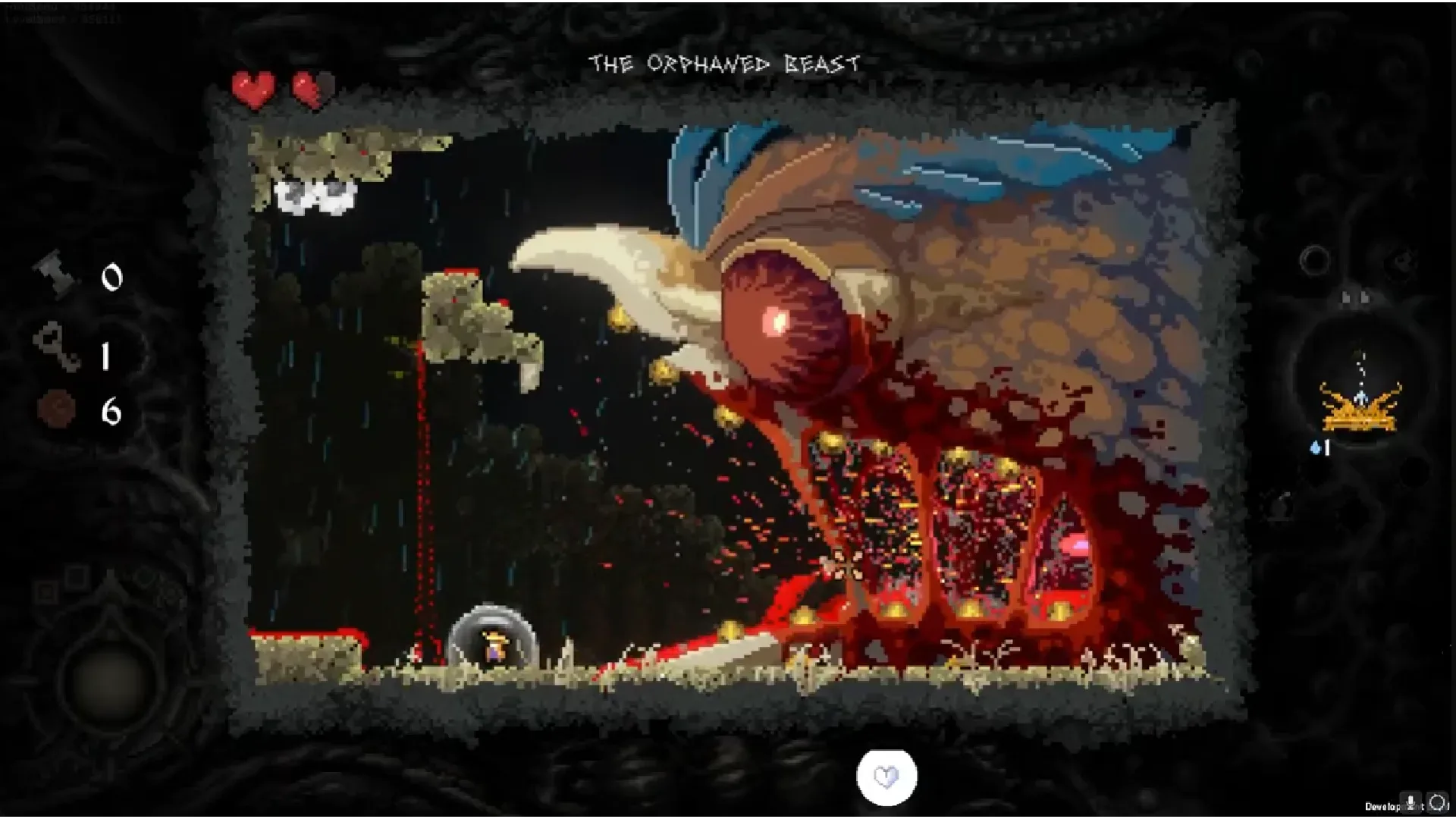
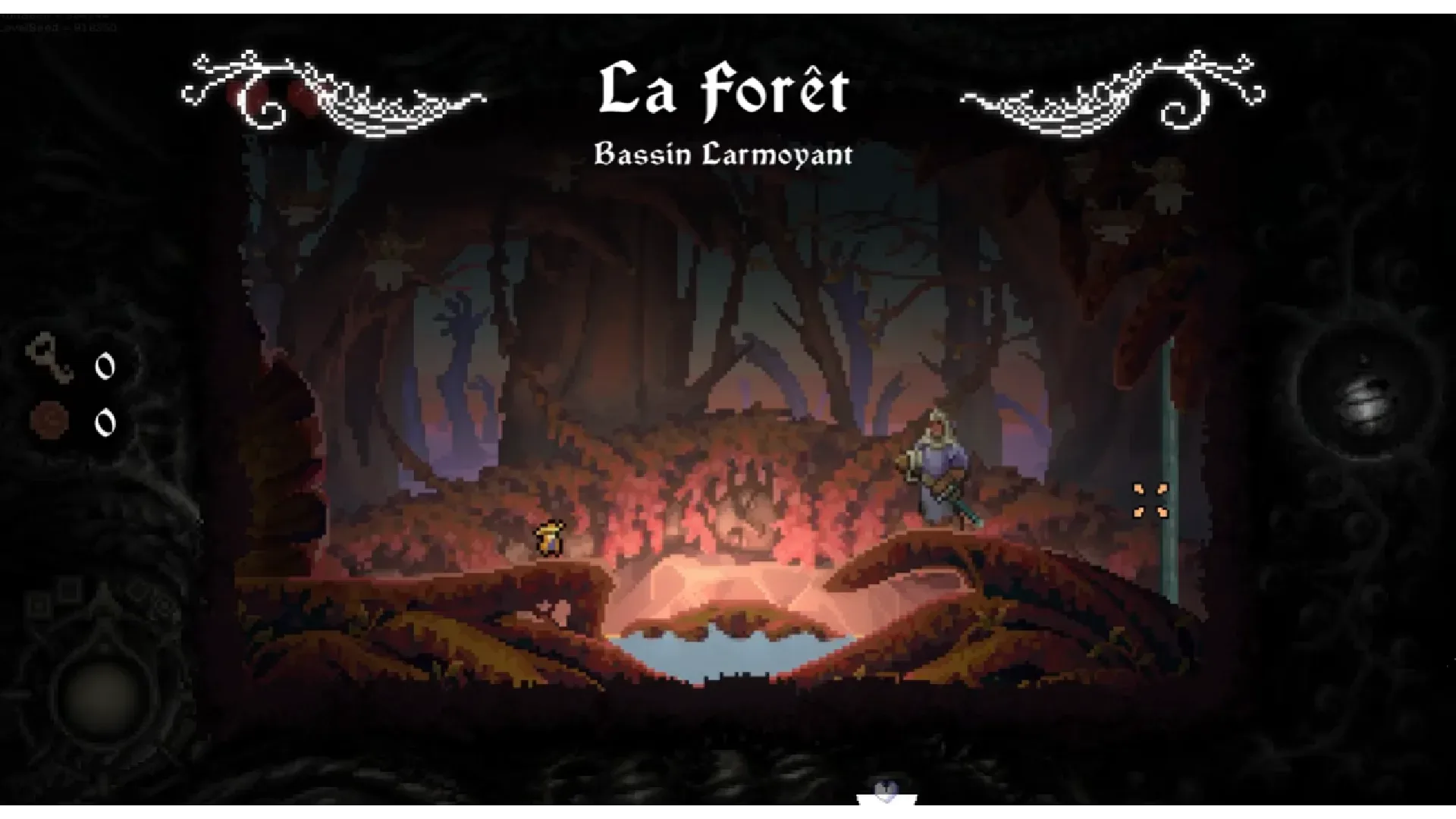
The visual presentation is equally specific in broad terms and reserved in finer ones. Little Prince Tyger uses a stylised, low-resolution look, with the hunter rendered as a tiny 2D pixelated figure. Low resolution here describes an intentionally limited pixel scale rather than an accidental lack of detail. The art direction can make small movements, projectile paths and environmental changes readable at a glance—an especially relevant consideration when archery and physics interactions are being emphasized. How readable the final game feels in motion remains a question for later footage and hands-on play.
What is confirmed—and what still is not
For prospective PC players, the currently confirmed outline is substantial enough to establish the game’s genre and core ideas, but not enough to settle many practical questions. There is a 2027 launch window and PC is the announced platform. No further platform plans are included in the available information.
- Confirmed: Little Prince Tyger is being developed by Saltitude Games and is planned for PC in 2027.
- Confirmed: It is a dark fantasy action-roguelite starring a small 2D hunter searching for Prince Galaad for the Queen.
- Confirmed: The game will feature over 1,000 handcrafted one-screen levels.
- Confirmed: Bow-and-arrow combat, physics-driven interactions, fluid simulation, run-changing perks and additional weapons are part of the pitch.
- Not yet detailed: Exact launch date, additional platforms, price, system requirements, progression between runs, and the specific rules governing levels, perks and weapons.
That last group is worth keeping in mind. Announcements often communicate a project’s direction rather than every final system, and Little Prince Tyger is still in development. The confirmed material makes a clear case for an action game where accurate shots and adaptable builds sit at the center, but its eventual depth will rest on the details around room design, weapon variety, progression and environmental interaction.
PC players looking ahead to other projects with a 2027 target can also follow LIVING HELL’s planned PC path. For Little Prince Tyger, the immediate takeaway is simpler: its hunter may be small, but the game is aiming for a large volume of compact trials where the right arrow, perk or environmental trick can make the difference.