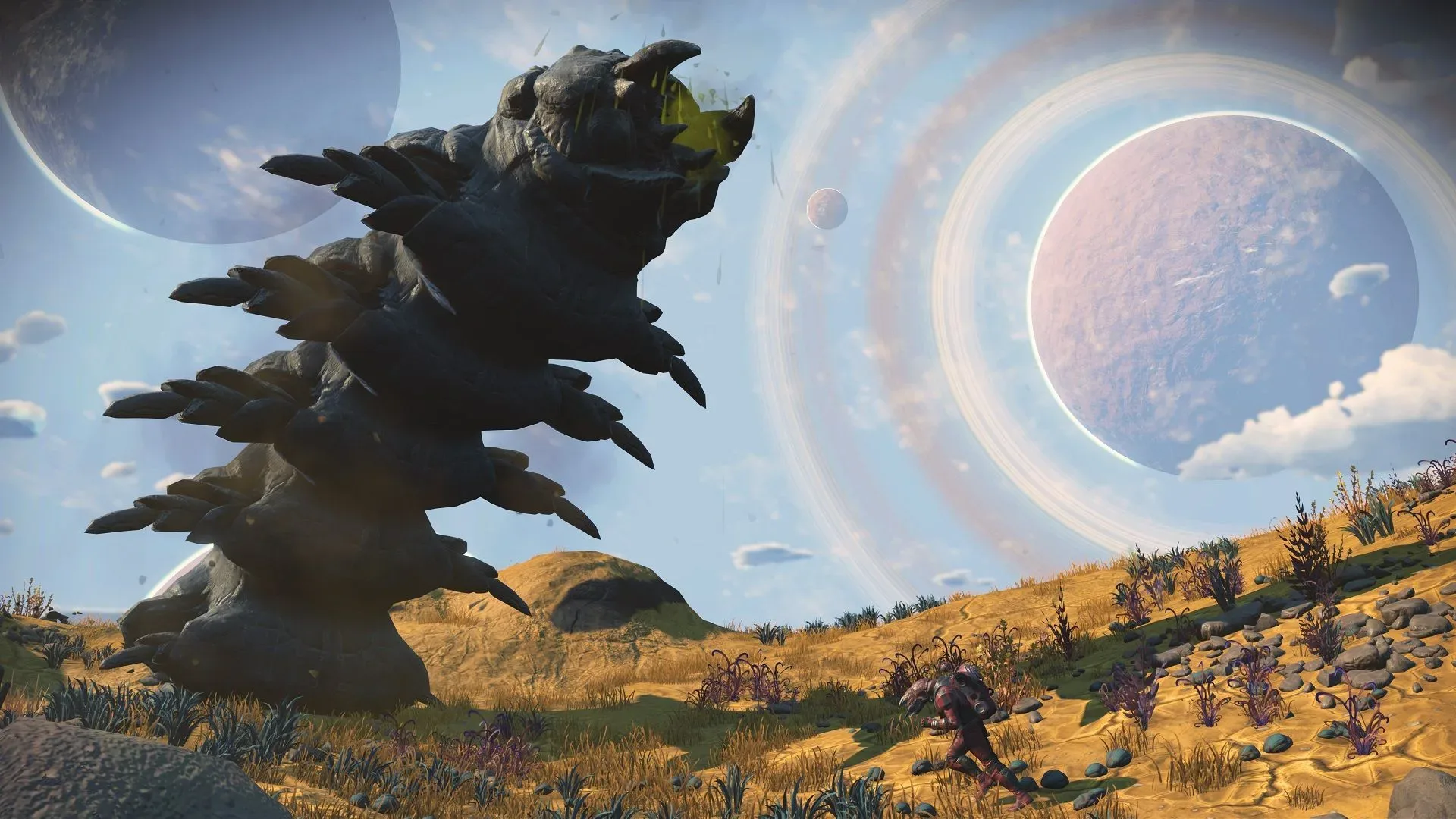
Light No Fire has made a rare return to the conversation, not through a major standalone reveal, but through the technology powering the newest No Man’s Sky update. Hello Games released the Cosmos update for No Man’s Sky on September 9, and its overview includes a pointed reference to the studio’s next large-scale survival game.
The important detail is not a new release window, platform list, or lengthy gameplay demonstration—none of those things have been supplied here. Instead, Hello Games founder Sean Murray described Cosmos as a place where the team can test and improve systems that it hopes players will eventually encounter in Light No Fire. That is a meaningful connection, even if it leaves the exact degree of overlap unresolved.
For fans waiting on Light No Fire, the appearance is useful precisely because the project has remained relatively quiet. It also underlines how Hello Games appears to be approaching development: ongoing work in No Man’s Sky can serve both its current community and as a proving ground for technical ideas that may suit a very different kind of world.
Cosmos expands the social and physical scale of No Man’s Sky
Cosmos is focused on major changes to space in No Man’s Sky. The update includes customizable space stations, along with resource-filled “space hulks,” giving players more to find and shape beyond planetary surfaces. Its largest social addition is the alliance system, which is designed to accommodate thousands of allied players and stations spread across the stars.
That scale matters. No Man’s Sky has long been built around a vast universe where people can range outward in almost any direction. Alliances potentially give players stronger reasons to coordinate within that enormity, collectively occupy places, and create communities with a more persistent presence.
Murray characterized the work as a step into territory the studio had not expected to tackle. He pointed to alliances numbering in the tens of thousands, communities acting together, and players claiming space stations as examples of the update’s ambition. He also made clear that getting there required substantial work.
“All of this is tech we get to test now, refine, and hopefully players will also experience on our other game, Light No Fire.”
The wording is careful. It does not promise that every Cosmos feature will be transplanted directly into Light No Fire. It does establish that the underlying technology is relevant to that game and that Hello Games expects at least some players to see the benefits of that refinement there.
Related coverage includes Light No Fire Hints Emerge as Hello Games Tests Major No Man's Sky Technology.
What could cross over to Light No Fire?
Light No Fire has been presented as a massive fantasy survival game set on a single planet described as Earth-sized. That premise separates it sharply from No Man’s Sky’s practically boundless science-fiction universe. Still, the new Cosmos systems suggest several areas where technical lessons may carry over.
- Large player organizations: Alliances demonstrate that Hello Games is working on systems intended to support enormous populations acting under shared banners.
- Persistent community spaces: In No Man’s Sky, the concept involves stations. Light No Fire could require its own equivalent, although it has not been confirmed what that would look like.
- World-building and claiming: A survival game centered on one enormous planet may benefit from durable player settlements, group territories, or broader shared projects.
- Lighting technology: Murray also referred to new volumetric lighting technology in the Cosmos overview, making it a plausible candidate for the fantasy game’s visual toolset.
Those are possibilities rather than announcements. The studio has not said that Light No Fire will feature station claiming, nor that its alliances will use the same rules or support the same numbers as No Man’s Sky. The useful takeaway is narrower: technology now being deployed and tested in the space exploration game is being considered for the next project.
That distinction is particularly important because the two worlds have different pressures. No Man’s Sky can place a great deal of distance between groups. Light No Fire’s one giant planet could place communities, rival groups, trading routes, landmarks, and settlements into a more concentrated shared geography. The social tools needed for that environment may resemble Cosmos alliances in broad purpose while behaving quite differently in practice.
An Earth-sized planet creates difficult design questions
The promise of a single planet at Earth scale is one of Light No Fire’s most striking ideas. It suggests a world with room for genuine discovery, long journeys, and regional identity without relying on a seemingly infinite series of procedural worlds. But it also raises a basic question: how does a developer populate and sustain a place so large once significant numbers of players begin settling into it?
Cosmos offers a hint at the sort of infrastructure Hello Games may be investigating. Massive alliances can help players organize at a scale that individual friend lists, temporary parties, or small clans cannot. A broad social framework can give communities a way to establish identity and coordinate goals when the map is too large for everyone to naturally meet.
At the same time, an Earth-sized fantasy planet may demand a different approach to points of interest. Space stations work as obvious hubs in No Man’s Sky because they fit its interstellar setting. Light No Fire could instead rely on settlements, dangerous wilderness, unusual landmarks, dungeons, travel networks, or other structures not yet identified by Hello Games. Nothing in the Cosmos material confirms which route it will take.
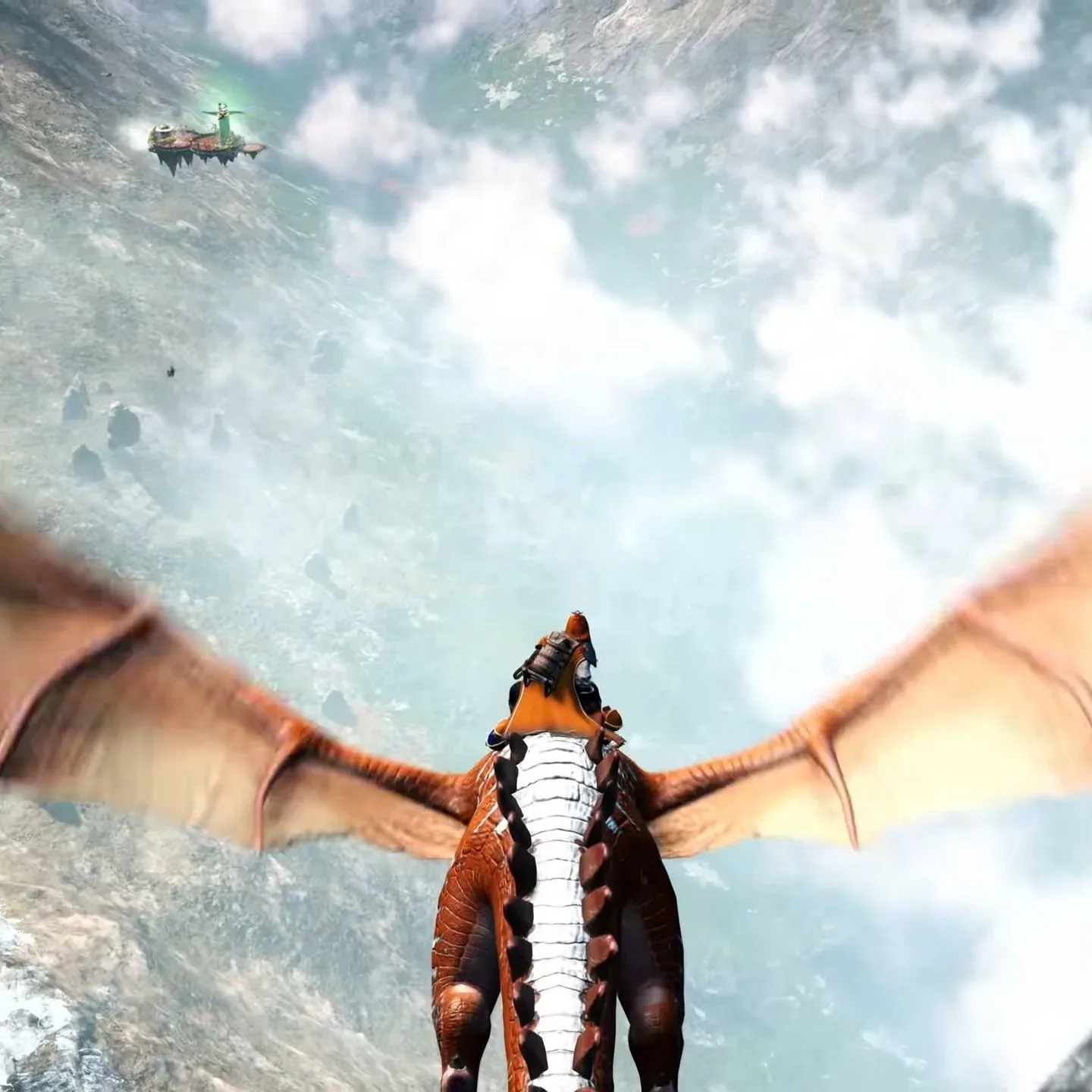
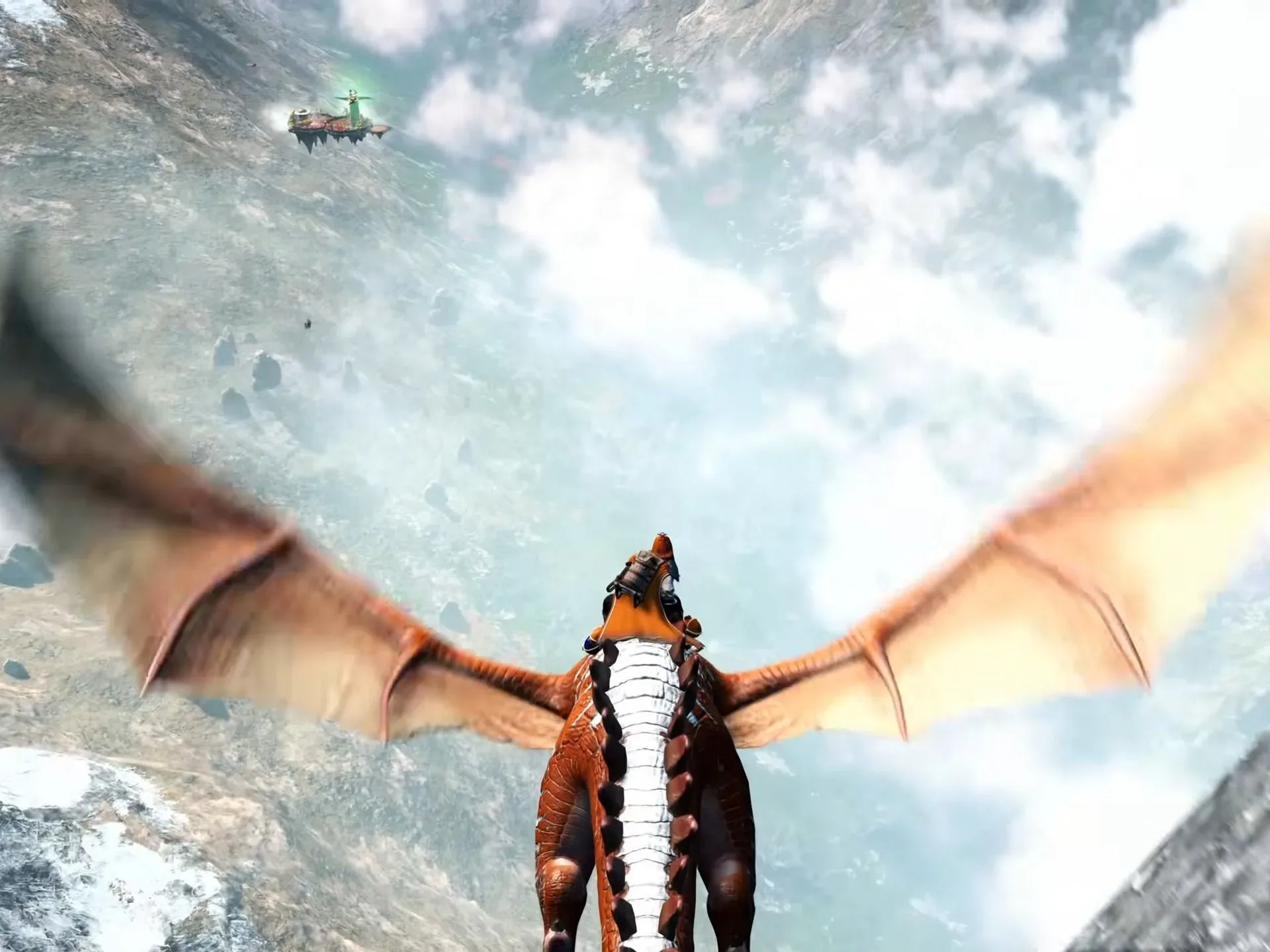
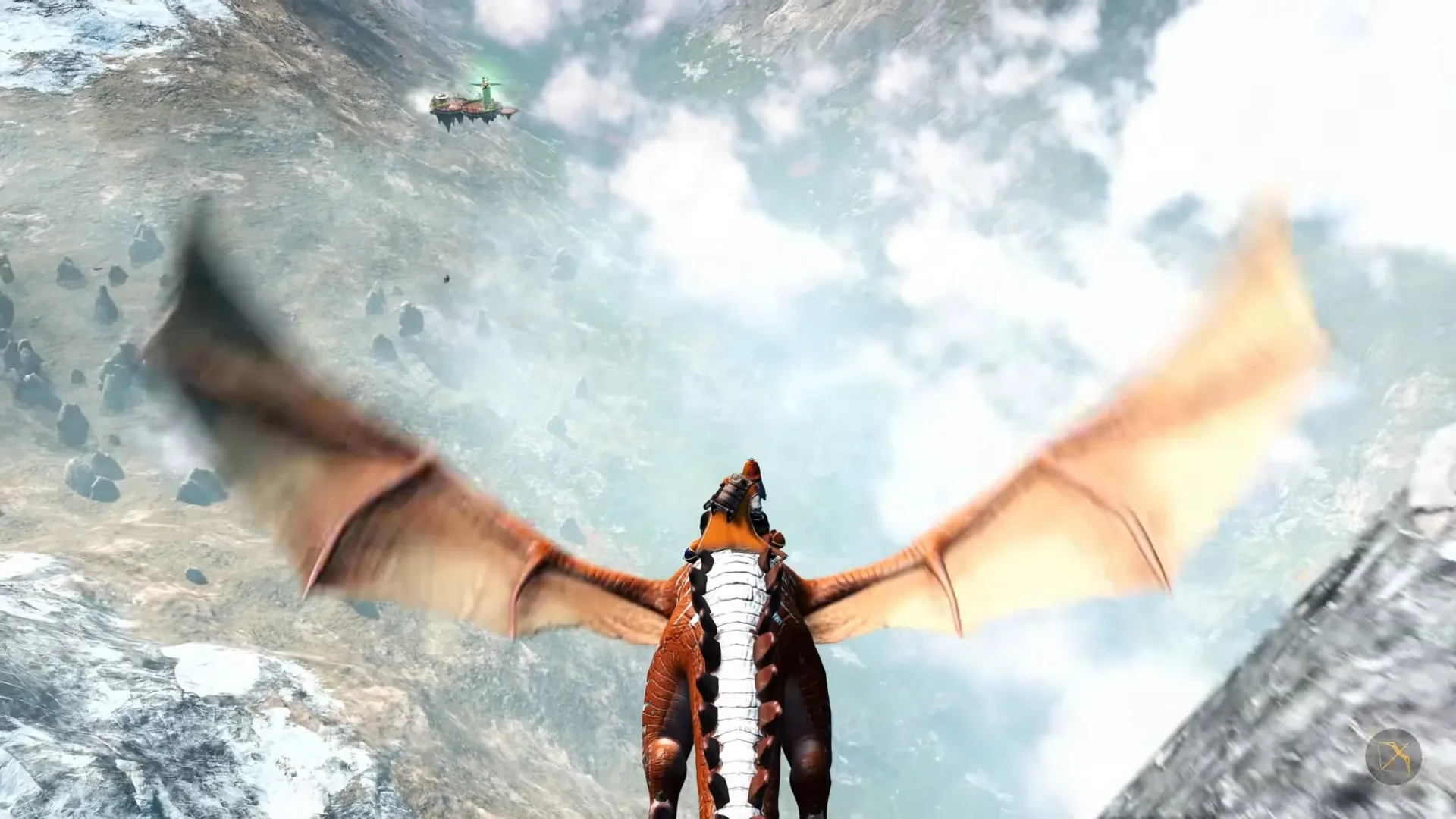
The previously shown Light No Fire footage used during the Cosmos overview is a reminder that the project’s fantasy tone remains intact amid all this backend discussion. It included humanoid rabbit warriors gathered together, a dragon mount in flight, and an ogre reacting with notable confusion. Those glimpses do not explain the final gameplay loop, but they contrast vividly with No Man’s Sky’s starships and stations. Shared tech does not necessarily mean shared atmosphere or identical activities.
No Man’s Sky remains Hello Games’ test environment
Hello Games has for years treated No Man’s Sky as a place where it can build, iterate on, and learn from ambitious systems. Cosmos makes that relationship more explicit than usual. A live game with a long-running player base provides an opportunity to see how technical features perform and how communities use them before similar ideas are adapted for a new setting.
That does not mean Light No Fire should be thought of as No Man’s Sky with swords, dragons, and rabbit people. Its single-world design, survival framing, and fantasy presentation imply different priorities. Yet Cosmos demonstrates a continuing investment in technology capable of supporting substantial player-driven activity, rather than only isolated exploration.
Volumetric lighting is another example of a possible bridge. The term generally refers to lighting effects that give visible presence to beams, haze, fog, and atmosphere. Murray’s mention of new lighting technology does not confirm a particular Light No Fire feature, but a fantasy planet with changing weather, forests, mountains, caves, and fire-lit settlements is an intuitive place for visual advances of that kind to matter.
The studio’s reported Light No Fire team is also relatively small, with Murray saying it has between 12 and 20 people working on the game at any one time. That makes the reuse and refinement of technology especially understandable. Building systems in a live project, then adapting lessons from them, can be a practical way for a compact team to pursue an unusually large ambition.
What remains unknown
Despite this encouraging sign of life, the unanswered questions around Light No Fire remain substantial. There is still no confirmed release date in this material, and no new platform announcement. There is also no firm explanation of how players will share the planet, how survival systems will work, whether groups can formally claim land, or what scale its multiplayer communities will ultimately reach.
Even the alliance connection has important caveats. Murray said the Cosmos technology would be tested and refined now, with the hope that players would experience it in Light No Fire. That is a statement of direction, not a feature checklist. Fans should avoid treating Cosmos as a complete preview of the forthcoming game.
Still, it is more concrete than silence. The September 9 update confirms that Hello Games is actively developing and evaluating technology it sees as relevant to Light No Fire. The prospect of communities with tens of thousands of players is especially intriguing when applied to a shared fantasy planet, even though the format, limits, and player roles have not been detailed.
For now, No Man’s Sky’s Cosmos update is the immediate destination for these systems, while Light No Fire remains the larger mystery. Anyone interested in other recent PC-focused game developments can also read about Exterminauts’ colorful co-op pest-control premise. As for Hello Games’ fantasy project, Cosmos supplies a welcome signal: work on the technology behind its enormous shared world is continuing, even if the full shape of that world is still being kept under wraps.