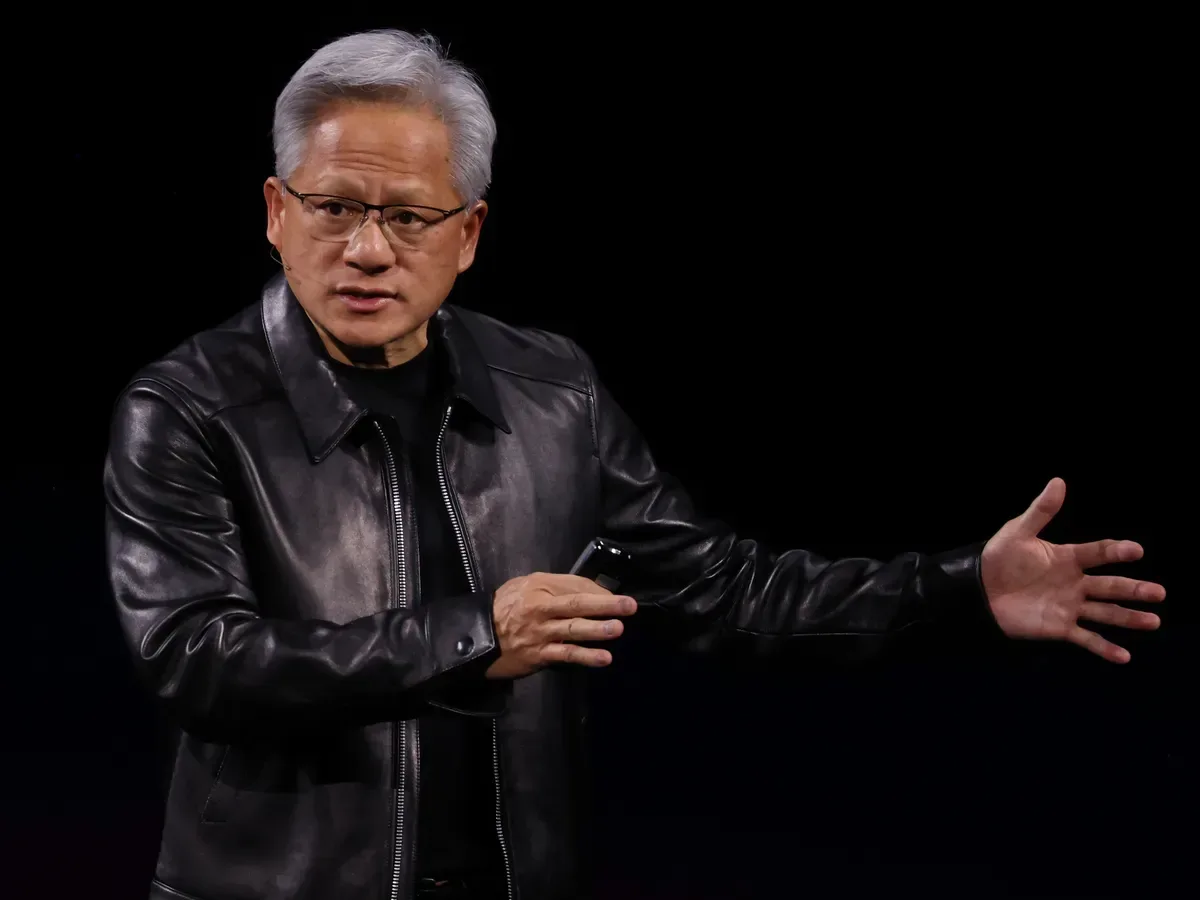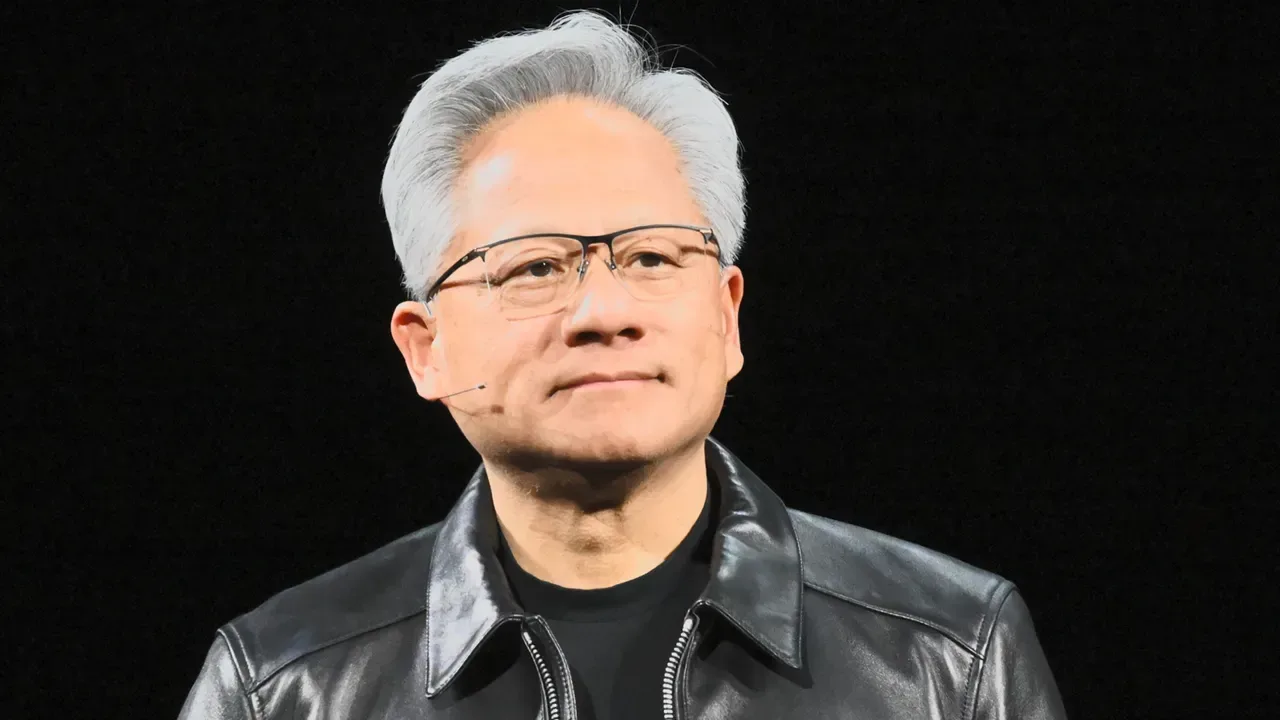
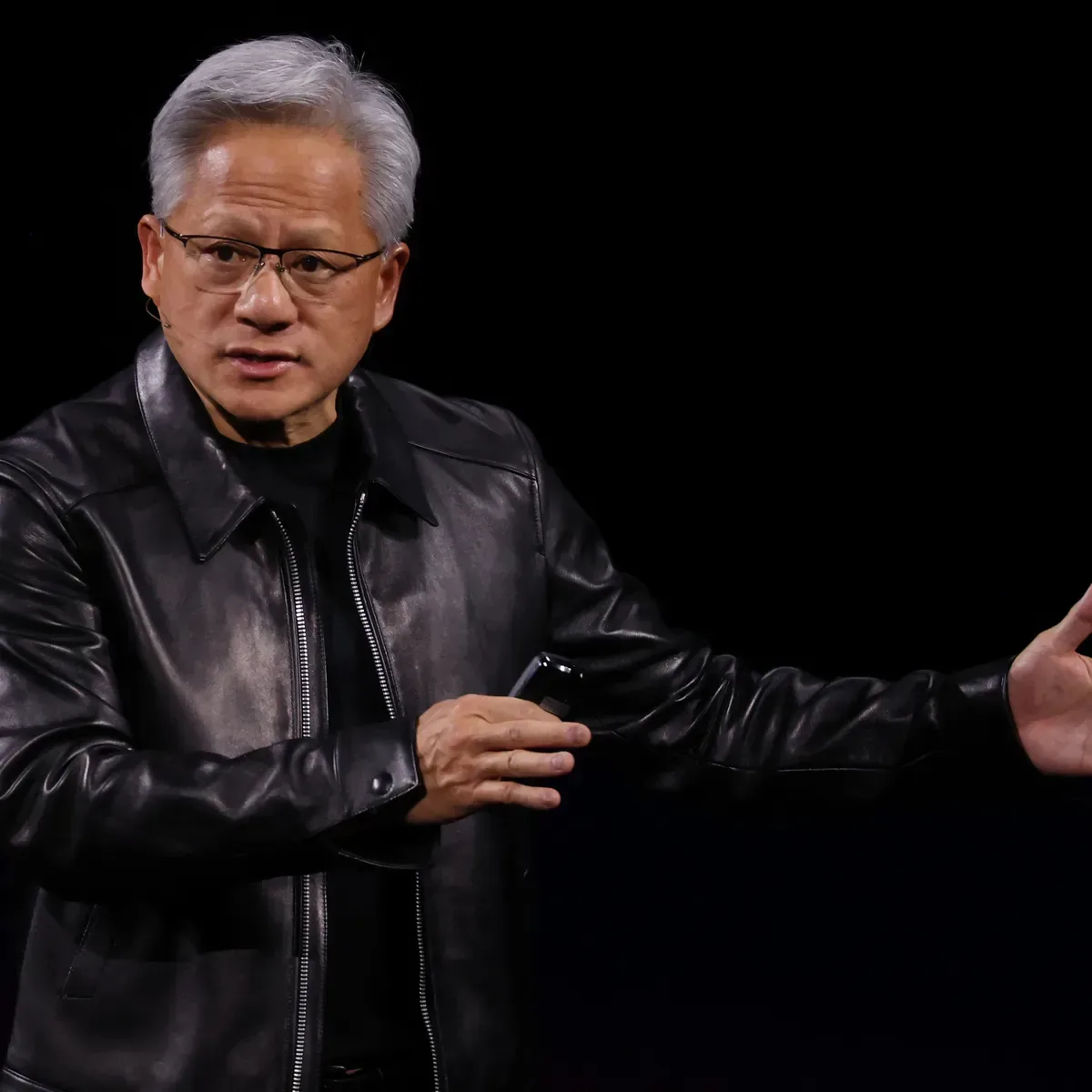
Reports that Jensen Huang has been reinstated as Nvidia’s CEO have set off two very different kinds of reaction: serious questions about corporate governance and national-security claims, and the internet’s inevitable urge to treat a boardroom reversal like a save file being reloaded.
The supplied account says Huang returned after a two-week absence amid allegations involving his personal conduct and security matters. Those allegations are allegations, not established findings in the material available here, and the details, evidence, and status of any potential investigations are not provided. That distinction matters, especially as online reactions have frequently leapt from reported claims to firm conclusions.
What is clear from the reported sequence is that the supposed return was unexpected. Nvidia CFO Collette Kress had served as interim CEO, and was said to have ruled out Huang’s return only the previous week. The company was also reported to have introduced an oversight committee intended to address future security concerns. A reversal after that combination of events naturally invites questions about how the decision was reached, what new information the board considered, and what authority the new committee will actually hold.
A board reversal with claimed government input
Nvidia Board Chair Harvey C. Jones was quoted as saying the board believed Huang was the right leader for Nvidia and that reinstating him served the interests of stockholders, employees, partners, and customers.
The most contentious element is the reported role of the U.S. government. Nvidia’s statement was said to describe the board as having received input from senior government levels, after which it concluded that Huang’s reinstatement created no national-security risk. That is a significant formulation. It does not, on its face, explain what information was supplied, who supplied it, what standards were used, or whether the input amounted to a formal clearance, informal advice, or something else entirely.
National security is a broad term that can cover risks to sensitive technology, supply chains, export controls, intelligence, cybersecurity, and strategic business relationships. A company statement that a board is confident there is no risk is therefore not the same thing as a public account of the evidence behind that confidence. The supplied material does not include that evidence.
President Donald Trump was reported to have publicly supported Huang’s return. He also reportedly described speaking with Nvidia’s board, saying he had helped make a deal, and said the government provided assurances based on what it knew. Trump was further reported to have called Huang directly.
Vice President JD Vance was also described as being personally involved in efforts over the weekend, using relationships in Silicon Valley and the business community to help resolve the situation. If accurately characterized, that level of executive-branch engagement in a listed company’s leadership decision explains why the response has moved beyond ordinary CEO succession chatter.
Related coverage includes Jensen Huang Returns as Nvidia CEO After Board Reversal, Government Role Draws Scrutiny.
Why the reaction is focused on process
The central concern voiced by critics is not simply whether Huang is qualified to lead Nvidia. It is whether a private company’s board was influenced by government pressure, and whether the public has been given enough information to evaluate a decision tied to security concerns.
Illinois Governor JB Pritzker argued that serious national-security questions should not be brushed aside by the administration or the board. Utah Senator John Curtis focused on the missing specifics: which officials offered input, what they told Nvidia, and the basis for the board’s no-risk conclusion.
Those are process questions. They do not establish misconduct by any individual, nor do they settle whether the reported return was good or bad for Nvidia. They identify the information that remains unavailable in the supplied account.
That gap is particularly important because corporate governance—the system through which a company is directed and overseen—depends on clearly defined board responsibilities. A board can weigh operational continuity, shareholder interests, reputational risk, employee concerns, and legal advice. But when outside political influence is alleged or publicly acknowledged, the distinction between advice, persuasion, and pressure becomes an unavoidable part of the story.
Online commenters have used far stronger language, including accusations of corruption and predictions that the allegations against Huang will disappear. Those comments reflect public distrust, not verified proof. One response called for an investigation if reports concerning chip sales to blacklisted Chinese customers proved true; another said it expected allegations around spying and business practices to be waved away. Neither comment supplies evidence, and neither should be treated as a finding of fact.
What the oversight committee could mean
The reported creation of an oversight committee may prove as consequential as the CEO decision itself, though the supplied material does not spell out its membership, powers, reporting requirements, or independence.
In practical terms, an oversight committee can be meaningful only if its remit is clear. Questions worth watching include:
- Whether it can independently review security-related concerns and internal policy compliance.
- Whether it reports to the full board, a particular board committee, or senior management.
- Whether it has authority to commission outside reviews.
- Whether its findings will lead to public disclosure, internal recommendations, or both.
- How it will interact with leadership if future allegations arise.
None of those answers are provided in the account. Still, the committee’s existence suggests that Nvidia, at least as described, recognized a need for stronger guardrails even as it moved to restore Huang. That creates an apparent tension: the company is reportedly expressing confidence in the returning CEO while also building a structure meant to prevent further security scandals.
Those positions are not inherently incompatible. Boards often respond to controversy by retaining or restoring leadership while changing oversight processes. But the approach raises a straightforward accountability test: will the reforms have independence and durability, or will they be mostly symbolic?
For PC gamers, leadership news is not the same as a product announcement
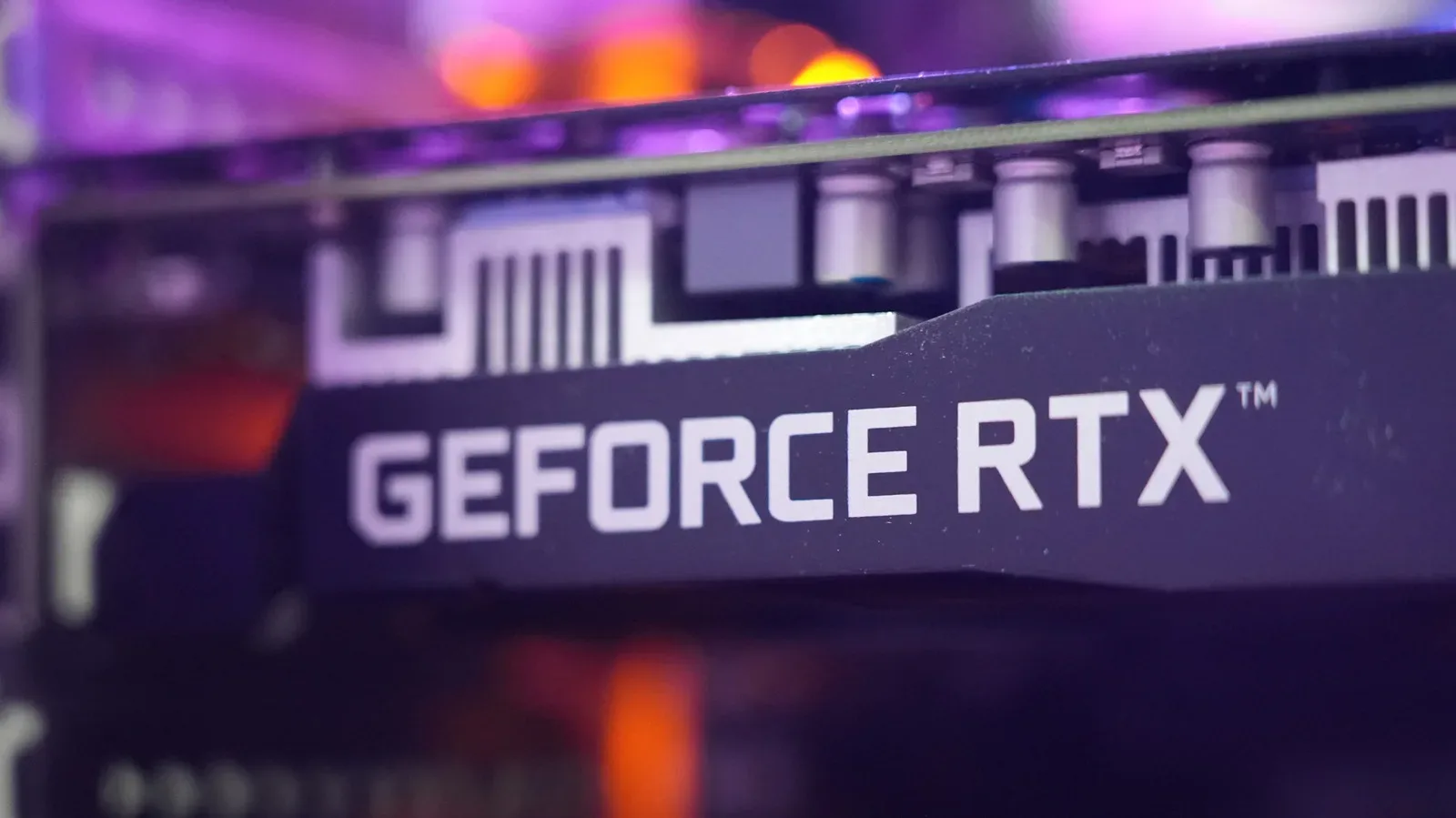
Nvidia’s place in PC gaming makes any upheaval around its leadership especially visible. Its GeForce brand and graphics hardware are central reference points in enthusiast PC conversations, so a story involving its CEO rapidly travels beyond financial reporting and into gaming forums.
Yet gamers should be careful not to read this episode as an immediate announcement about graphics cards, drivers, game support, pricing, or product availability. The supplied information contains no new consumer-hardware roadmap, no stated change to Nvidia’s gaming products, and no technical update tied to the reported reinstatement.
The near-term practical effect for players is therefore mostly informational: the company’s leadership and oversight arrangements are under a spotlight. Longer-term implications would depend on whether the controversy affects decisions, partnerships, regulatory relationships, or internal operations. The material does not establish that any of those outcomes will occur.
That distinction is useful in an environment where speculation moves faster than official details. A CEO story can matter to a hardware company without automatically changing what a person should buy, upgrade, install, or expect from their current PC.
The memes arrived before the paperwork did
While elected officials and commentators debated the implications, gaming-adjacent social media took a familiar route: turning a complicated corporate story into a reference everyone instantly understands.
Rapper Lotus Juice joked that Huang’s reinstatement looked as though he had taken time away specifically for Grand Theft Auto 6. It is a gag built on the enormous cultural pull of Rockstar’s upcoming game rather than a claim about Huang’s real schedule. For more evidence of how readily GTA 6 becomes the internet’s all-purpose punchline, see the viral “family friendly GTA” bit surrounding its rating talk.
Another joke leaned on The Elder Scrolls III: Morrowind. A post referenced the game’s famous warning that a character’s death has severed the thread of prophecy, then supplied a blunt solution: “Quick load.” In gaming terms, a quick load restores an earlier saved state after an unwanted outcome. The joke frames the reported executive return as a player undoing a disastrous choice rather than a company resolving a real-world governance dispute.
That is why the reference landed. It compresses the reversal into a familiar player action: something went wrong, so reload the last save and pretend the disastrous branch never happened. The joke is funny precisely because real companies cannot actually quick-load their reputational damage, unanswered questions, or newly created oversight structures.
AI-generated GIFs of Huang returning to an office reportedly added to the surreal tone. They also underline a modern problem with fast-moving reaction cycles: visual jokes can make a developing story feel settled or cinematic even where the underlying claims remain incomplete.
What remains unresolved
Several key matters remain unanswered in the material provided:
- What specific information did senior U.S. officials provide to Nvidia’s board?
- Which officials participated, and in what capacity?
- What was the board’s full rationale for reversing the interim leadership arrangement?
- What powers and safeguards will the new oversight committee possess?
- What is the status of the allegations that preceded Huang’s reported absence?
- Will Nvidia offer a fuller public explanation of its risk assessment and governance changes?
There were also reports of additional allegations about Huang’s management style during his absence, as well as discussion of possible interest from Elon Musk. No substantiating details are included here, so they should be treated as unresolved reports rather than evidence of a change in Nvidia’s direction.
For now, the reported reinstatement has become more than a personnel story. It is a case study in how leadership, public power, security language, investor interests, and online culture can collide around a company with major relevance to PC gaming. The Morrowind memes may be cleaner than the facts—but they cannot answer the questions a real quick load leaves behind.