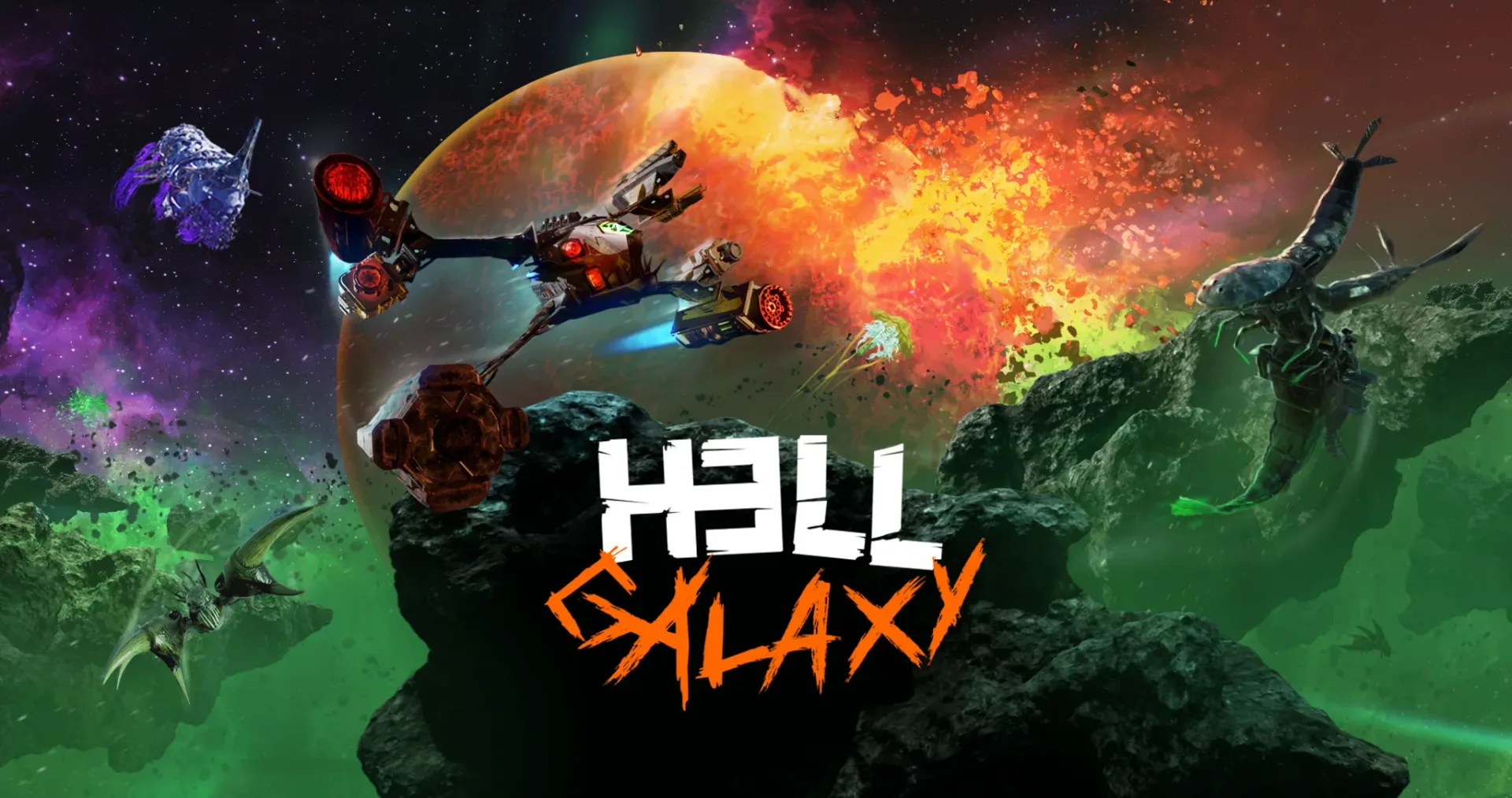
Hell Galaxy has received its first major post-1.0 update. Called Chop Shop V1.5, the free Steam update places ship customisation and management at the centre of its changes, while also revising trading, inventory, scanner feedback, space stations and cockpit information displays.
The dark sci-fi space combat RPG, developed by The Italian Games Factory, lets players travel the Neterun galaxy. Its new patch is particularly aimed at the parts of a space RPG that happen between battles: deciding which components suit a hull, understanding how those components connect, keeping track of gear, and moving between different ship builds without wiping prior work.
For returning players, one practical detail stands out immediately: existing saves remain supported. That means a pilot can install V1.5 and continue their current progress rather than beginning again to access the revised systems.
A clearer workshop for ship modules
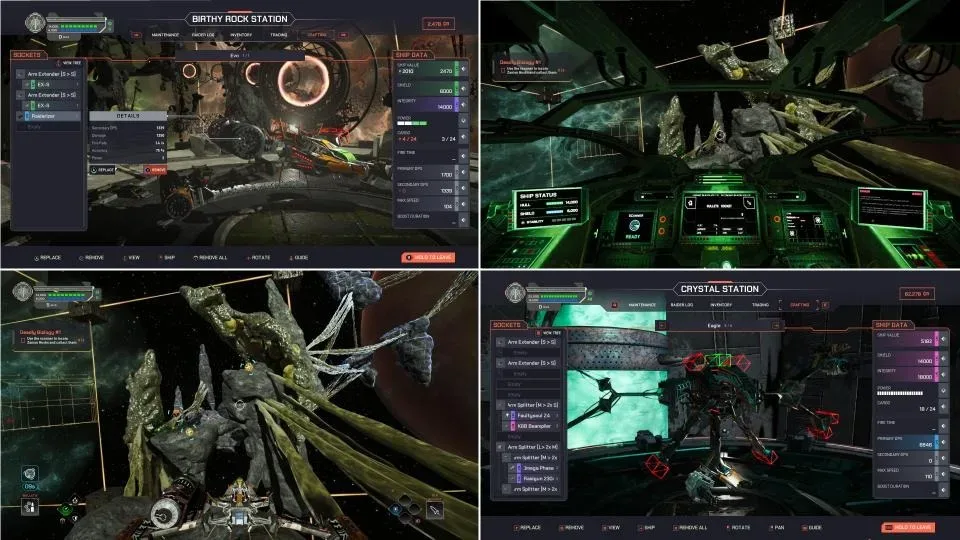
The largest V1.5 change is a rebuilt ship customisation interface. The screen puts sockets and modules on the left, a fully modelled 3D ship in the middle, and detailed information for the currently relevant module on the right. Visual links between components and the craft are intended to make their relationship easier to read.
In this context, a socket is a designated place on a ship for a module, while a module is a component selected for that slot. The update’s layout matters because equipment systems can become difficult to parse when the game separates a component list from the actual vehicle it affects. Showing the craft at the same time as its sockets and item details should make the fitting process more legible, especially when players are deciding among several possible parts.
V1.5 also adds the ability to compare modules before equipping them. That is a small-sounding addition with a meaningful quality-of-life purpose: players should be able to inspect alternatives before committing to a loadout, rather than equipping an item merely to determine how it differs from the currently installed part.
The update is described as an overhaul of both customisation and crafting, though the available details focus on the new management interface, module comparison and ship configuration handling. It does not outline specific crafting recipes, resources, or newly added item types. As such, the reliable takeaway is that the workbench-side experience has been substantially reorganised, not that every underlying crafting rule has necessarily changed.
Individual configurations now stay with each hull
Ship configurations have also been reworked so that every hull retains its own module setup. In straightforward terms, a player’s chosen parts are now associated with the specific ship they were fitted to.
Related coverage includes Hell Galaxy Chop Shop V1.5 Reworks Ships and Crafting.
That distinction can be important in a game built around multiple ships. Without per-hull configurations, changing craft can force a player to reconstruct an old build later, remember which parts were used, or accept that a newer experiment has overwritten an established setup. Hell Galaxy’s revised approach is designed to let players move between ships without losing customised configurations.
It should also make experimentation less punishing. A pilot can maintain one completed build on one hull and try a different combination on another, then return to the previous craft without reassembling its modules. The patch notes do not define the stat effects or tactical roles of particular modules, so players should not assume a prescribed “best” configuration from this system change alone. Its benefit is flexibility and better preservation of a player’s own choices.
Why loadout persistence is useful
- Less repeated setup: previously customised ships retain their module arrangements.
- More room to test: different hulls can hold separate builds at the same time.
- Faster switching: returning to an older craft should not require rebuilding it from memory.
- Better decision-making: module comparisons and the new 3D display provide more context before parts are installed.
Those improvements are primarily about usability rather than a promise of additional ships or modules. Still, in a space combat RPG, reducing the friction around preparation can matter as much as changing the combat itself: a build system is only as inviting as the process required to use it.
Trading, inventory and cockpit feedback also change
Chop Shop is not limited to the hangar. The update includes redesigned interfaces for trading and inventory, improved scanner feedback, reworked space stations, and additional monitors in the first-person cockpit view.
Trading and inventory screens are foundational menus in a game with modules and crafting systems. Trading concerns exchanges, while inventory is the player’s stored collection of items and equipment. Revising both alongside the ship-management UI suggests an effort to make the broader loop of obtaining, assessing and fitting gear feel more coherent. The update information does not specify exact visual layouts or transaction changes, so it remains unclear how deeply those individual screens have been altered.
Scanner feedback refers to the information a player receives from the game’s scanning tools. Better feedback can mean clearer communication of what a scan has registered, though no precise new indicators or scanner functions have been detailed. Similarly, space stations have been reworked, but the available announcement does not break down whether those changes are navigational, visual, functional, or a mix of all three.
The cockpit monitors are more concrete in intent. New displays have been added to the first-person view so more information is visible directly in the pilot’s field of vision. Rather than forcing players to leave that perspective to check every relevant detail, the game is moving some of that information into the cockpit itself.
That is a user-interface change with an immersion angle. A cockpit view is not just a camera position; it is also a place where a game can communicate status, navigation or system details through in-world screens. The update describes the monitors as surfacing additional information, but does not identify exactly which data they show. Players should therefore expect extra readouts, without treating the patch as confirmation of any particular combat, navigation or resource meter.
Hell Galaxy moves from Unreal Engine 5.4 to 5.8
Under the hood, Hell Galaxy has migrated from Unreal Engine 5.4 to Unreal Engine 5.8. Unreal Engine is the technology framework used to build and run a game, covering numerous systems that developers use as they make and update a project.
The stated purpose of the migration is to establish a stronger technical base for more frequent updates and deeper gameplay mechanics on the path toward Version 2.0. It is a forward-looking development change rather than a detailed list of immediate player-facing features. No specific performance targets, graphical upgrades or Version 2.0 mechanics have been announced as part of this update, so it would be premature to infer them from the engine number alone.
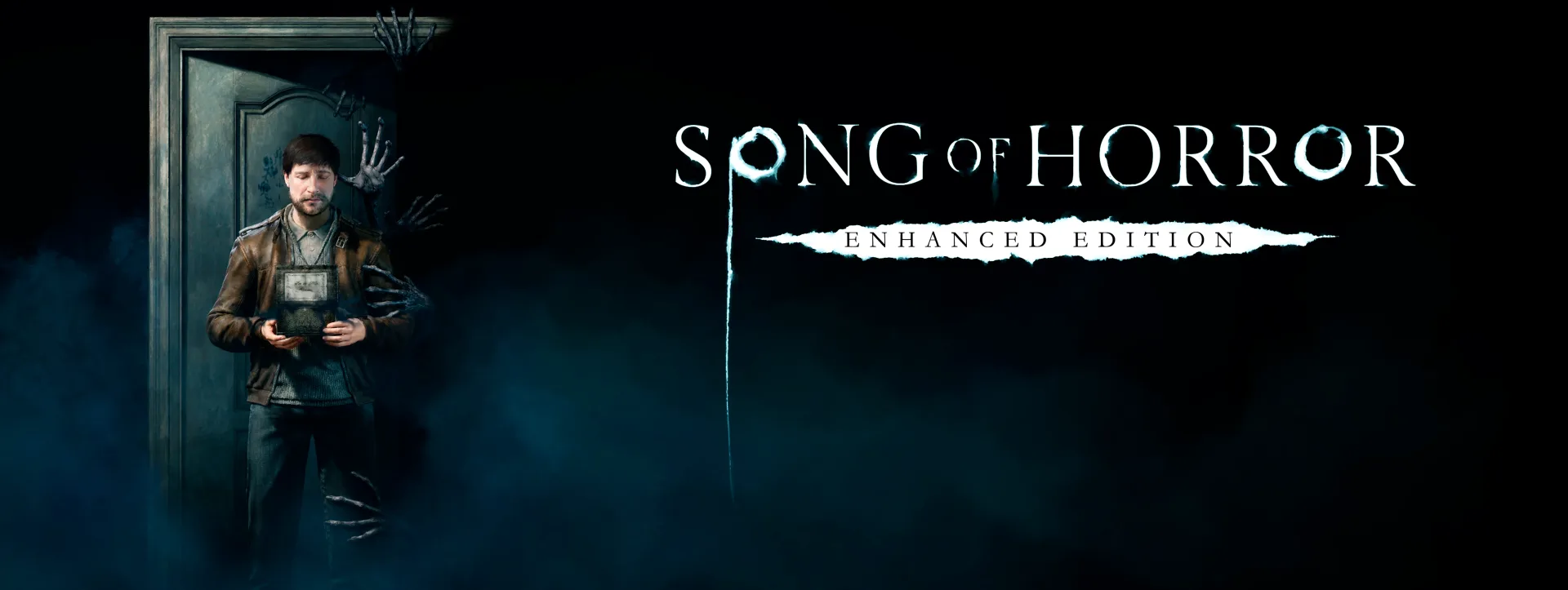
Nevertheless, an engine upgrade can be significant for a game in active development. The value here is in the infrastructure: the studio is positioning Hell Galaxy’s current version to accommodate future work. Players interested in how other projects approach a move within Unreal Engine’s ecosystem can also read about Song of Horror: Enhanced Edition’s Unreal Engine 5 upgrade.
Turkish support and save compatibility
V1.5 adds Turkish language support, expanding the game’s available language options. Alongside the assurance of save compatibility, it rounds out an update that is as concerned with continuity and access as it is with the ship screen itself.
Save compatibility is particularly relevant to a first major patch after a 1.0 launch. Major interface and systems revisions can leave players wondering whether progress will carry over. Hell Galaxy’s update explicitly says existing saves work with the new version, allowing returning pilots to continue exploring the Neterun galaxy with their established progress intact.
What players can expect from Chop Shop V1.5
Chop Shop V1.5 is available now at no extra charge for everyone who owns Hell Galaxy on Steam. The game remains available through Steam at the price shown on its store listing.
For players already in Hell Galaxy, the immediate reasons to update are the rebuilt module-management presentation, pre-equip comparisons and the new per-hull configuration system. Those changes target a familiar problem in equipment-heavy games: players want to try options, but not at the cost of losing a build they already like.
For newcomers, the patch does not itself provide a newly specified gameplay mode or separate expansion. Instead, it presents a more structured foundation for the game’s ship-focused progression and signals further development toward Version 2.0. The key promise is not a single flashy component, but a smoother relationship between the player, their ships, their modules, and the information needed to manage all of them.