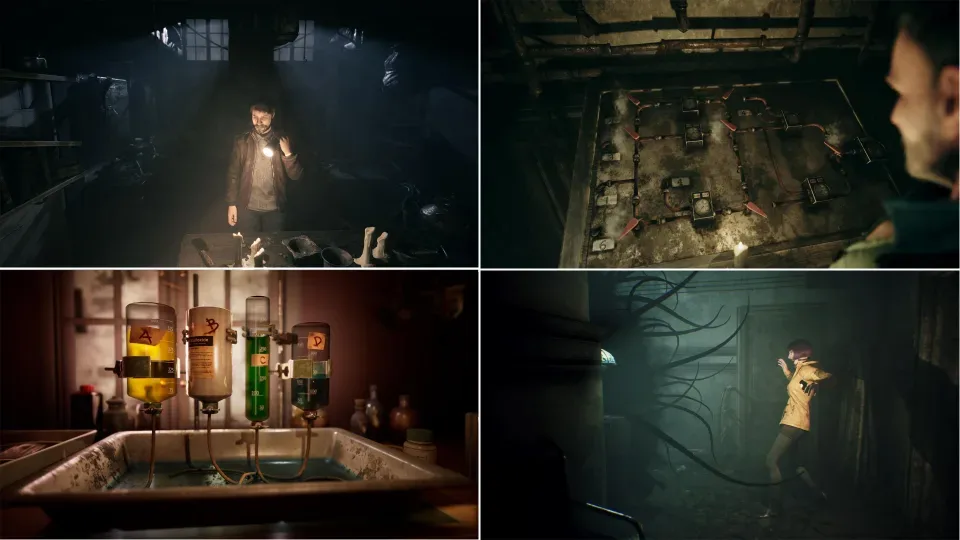
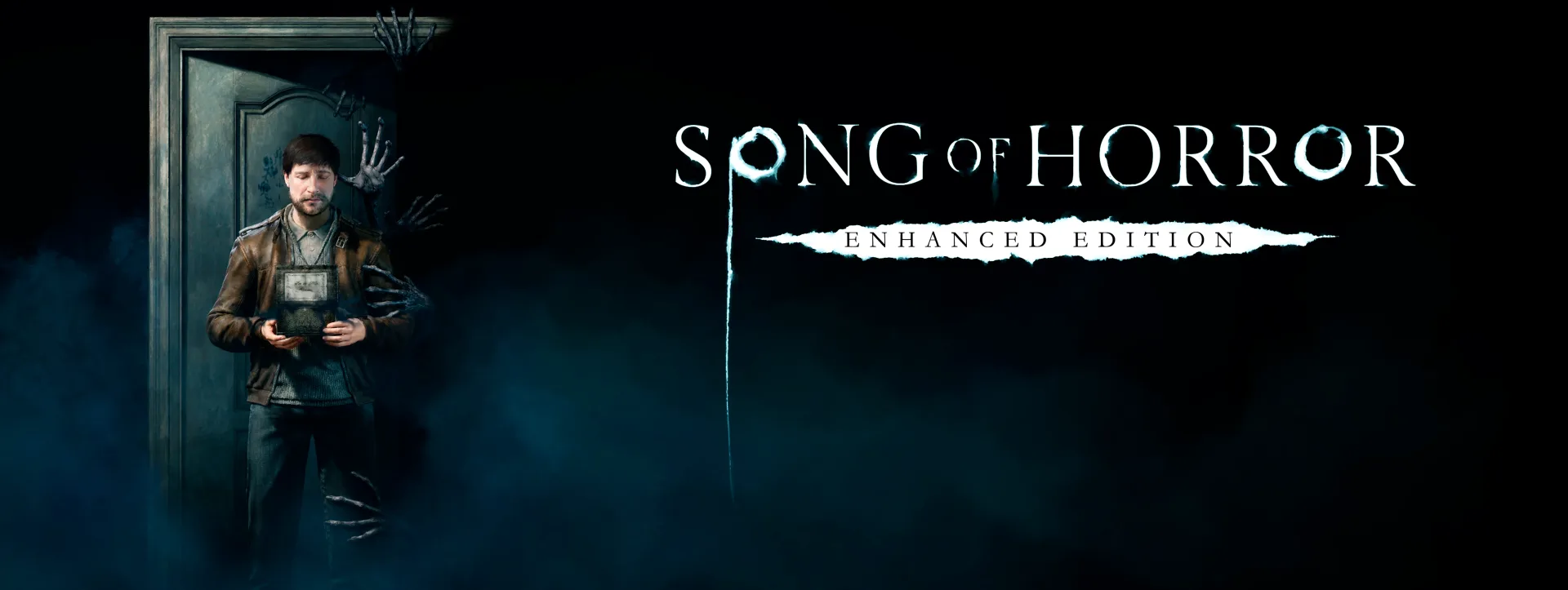
Song of Horror: Enhanced Edition is planned for Steam in October 2027. Meridiem will publish the updated version of the psychological horror game developed by Protocol Games, with changes spanning its technology, presentation and core play systems.
The new edition is built around an upgrade to Unreal Engine 5, ray-traced lighting, redesigned character models, refreshed visual effects and a substantially revised animation setup. On the gameplay side, the planned work includes changes to encounters with the supernatural threat known as The Presence, redesigned puzzles, clearer environmental interactions, an improved control scheme, and refinements to the map, tutorials and difficulty system.
That is a broad remit for a horror re-release. Rather than positioning the Enhanced Edition as purely a resolution or texture pass, the announced feature list points toward an effort to revisit how the game communicates information, how its characters perform on screen, and how players navigate its most dangerous situations.
A technical rebuild centered on light and character expression
The headline technical change is the move to Unreal Engine 5. An engine is the underlying development framework that handles systems such as rendering, animation, asset management and gameplay tools. An engine upgrade does not automatically tell players exactly how every scene will look or perform, but it establishes the technical foundation for the stated visual overhaul.
One specifically named feature is ray tracing. In practical terms, ray-traced lighting is a rendering technique designed to simulate the paths of light more directly than many conventional lighting approximations. It can affect reflections, shadows and the way illumination appears to bounce around a room. For a game built around unsettling interiors and a dark, oppressive mood, lighting is not merely decorative: it helps define what players can see, what they may only think they saw, and which spaces feel unsafe.
The announcement also promises redesigned character models and enhanced visual effects. Character models are the 3D representations of people in the game world; revised versions can change the detail, shape and on-screen presence of those characters. Visual effects can cover a wide range of atmospheric elements and screen-space presentation, though the precise effects being altered have not been detailed.
Animation is another major pillar. The Enhanced Edition is set to include a new animation system and more than 1,000 new facial animations, alongside new body and facial animation work listed among its gameplay improvements. Facial animation matters particularly in a character-driven horror investigation, where fear, hesitation and distress can carry narrative weight without needing a line of dialogue to explain them. The scale of the facial-animation count indicates a sizable amount of new performance material, although it does not by itself establish which scenes or characters receive it.
The Presence remains the central source of uncertainty
Song of Horror’s defining antagonist is The Presence, a supernatural entity that dynamically pursues characters. The tension comes from the threat not being restricted to a fixed set of scripted scares. Scripted sequences are predetermined moments that happen at a particular point or under a particular condition. A dynamic pursuer, by contrast, is intended to react within the game’s systems and make danger feel less mechanically predictable.
Related coverage includes Song of Horror: Enhanced Edition Set for Steam in October 2027.
The Enhanced Edition will adjust encounters involving The Presence. Specific behavioral changes have not been outlined, so it would be premature to assume a new AI model, new encounter types or a particular difficulty increase. What is clear is that the antagonist’s encounters are among the systems receiving direct attention.
That focus makes sense within the game’s stated structure. A horror game can build atmosphere through environments, sound and story, but an active threat changes the player’s relationship with every room and every interaction. Searching for a clue is not only a puzzle task when an unpredictable enemy may interrupt the process. It becomes a risk calculation: keep exploring for useful information, or leave before the situation becomes fatal.
For players returning to the original game, the most consequential questions may therefore be less about raw graphical fidelity and more about the feel of those encounters. How readily The Presence pressures the group, how readable its dangers are, and how the revised controls and environmental interactions support a response will all shape the experience. Those details remain to be seen, but the announced scope recognizes that horror pacing depends on systems as much as scenery.
Permanent deaths give every playable character weight
Song of Horror features 13 playable characters. Their actions and decisions influence the investigation, and a character can die permanently. When that happens, the story continues with another character rather than treating the loss as a temporary setback.
Permanent character death is often called permadeath: a failure state where the affected character does not simply return after a reload within the normal course of play. In Song of Horror’s case, this system is tied to a roster of investigators, which shifts the consequence away from an immediate end to the entire narrative. The case continues, but it continues without the person lost.
That structure can make ordinary decisions more meaningful. The question is not only whether a player can solve a puzzle efficiently, but whether they are prepared to expose a particular character to a potentially lethal area or encounter. It also means that story progression can carry the imprint of prior setbacks. A character’s absence is part of the ongoing investigation rather than a moment that is simply erased.
The announced difficulty refinements are especially relevant here. Difficulty in a game with lasting character losses is more than a matter of enemies doing more damage or puzzles offering fewer hints. It also concerns how clearly the game teaches its rules, how much information players have before making a risky choice, and whether its control and interaction systems communicate intent reliably. The announcement confirms that the difficulty system, tutorials and map are being refined, but does not specify their individual changes.
Puzzles and navigation are also being revisited
The investigation sends players through locations including an antique shop, a forgotten abbey and an abandoned asylum. These are spaces for collecting clues and solving puzzles, and the Enhanced Edition will redesign puzzles while making interactions with the environment more intuitive.
“More intuitive” does not necessarily mean simpler. In a mystery game, a puzzle can remain demanding while presenting its relevant objects, clues or possible actions more clearly. The distinction matters. Difficulty that arises from connecting narrative evidence or understanding an environment can support the investigative premise; difficulty caused by unclear interaction feedback can instead obscure it. The stated interaction changes suggest attention to that boundary, though the final puzzle designs have not been described.
The map and tutorials are likewise set for refinement. Maps are not just convenience features in large or maze-like horror environments. They can influence the rhythm of play by helping players retrace a route, remember unexplored areas and decide whether a detour is worth the danger. Tutorials establish the language of the game’s systems—especially useful when those systems include an active supernatural pursuer and lasting character deaths.
The improved control scheme may have a similarly practical impact. Controls are the direct layer between a player and actions such as movement, inspection or object use. In horror, responsiveness and clarity can affect whether pressure feels suspenseful or frustrating. No platform features beyond Steam have been announced for this edition, and no detailed control options have been specified.
What the Enhanced Edition does—and does not—confirm
The confirmed direction is extensive: a Steam release in October 2027; Unreal Engine 5; ray-traced lighting; redesigned character models; upgraded visual effects; a revised animation system; more than 1,000 new facial animations; reworked puzzles; adjusted encounters with The Presence; and refinements to controls, interactions, difficulty, tutorials and the map.
Just as important, several practical details have not been provided. There is no stated price, no exact October launch day, no system-requirements information and no detailed list of every altered puzzle or enemy behavior. There is also no announced breakdown of how the refined difficulty system will operate. Players interested in the release should treat the announced features as the current outline rather than assume additional specifications.
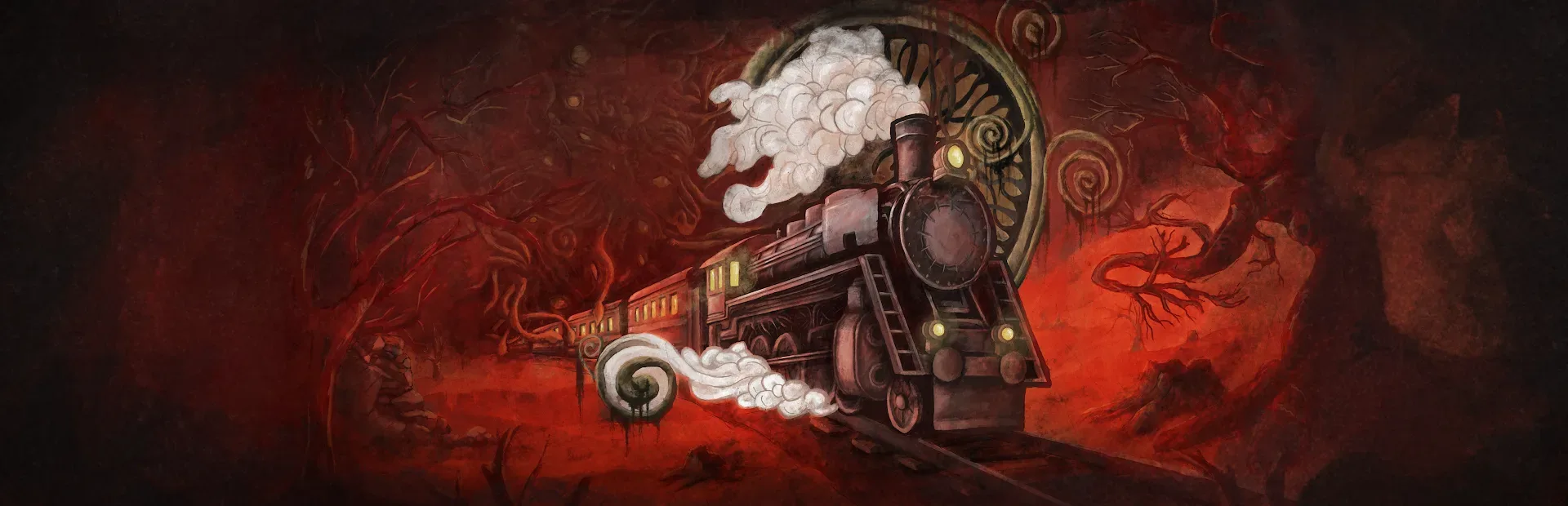
The larger appeal remains consistent with the game’s premise: classic horror influences combined with contemporary mechanics, a Lovecraftian atmosphere, and a threat that can make an investigation feel unstable even when the immediate objective is clear. The Enhanced Edition’s job is to reinforce that premise across presentation and play, not merely make the same locations look newer.
Those following Steam-focused game updates can also find another PC story in this report on RuneScape’s Well of Restoration event. For Song of Horror, the next key milestone is the planned October 2027 Steam launch, when the scope of these announced changes can be assessed in full.