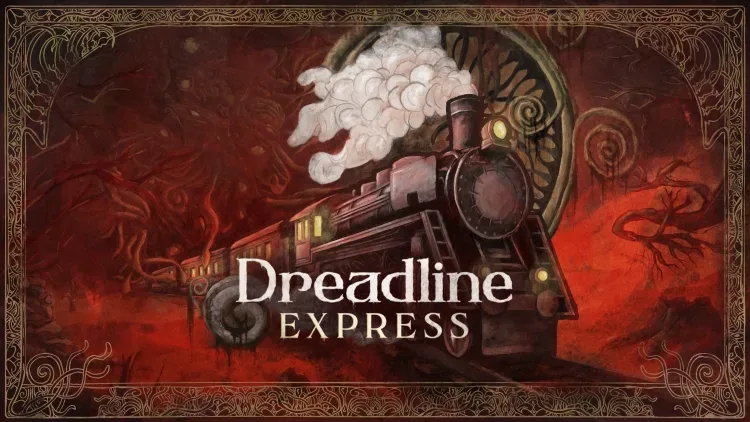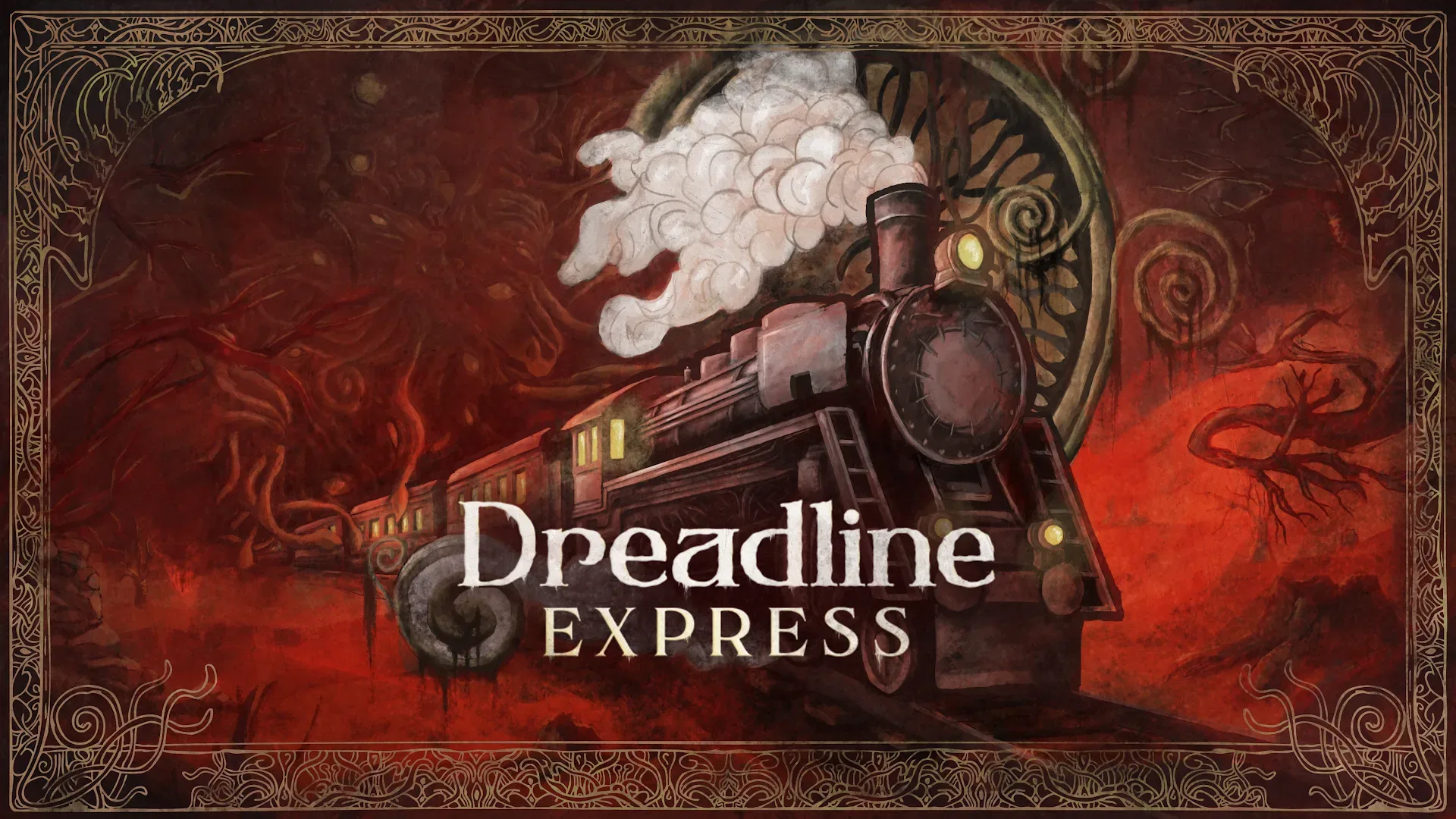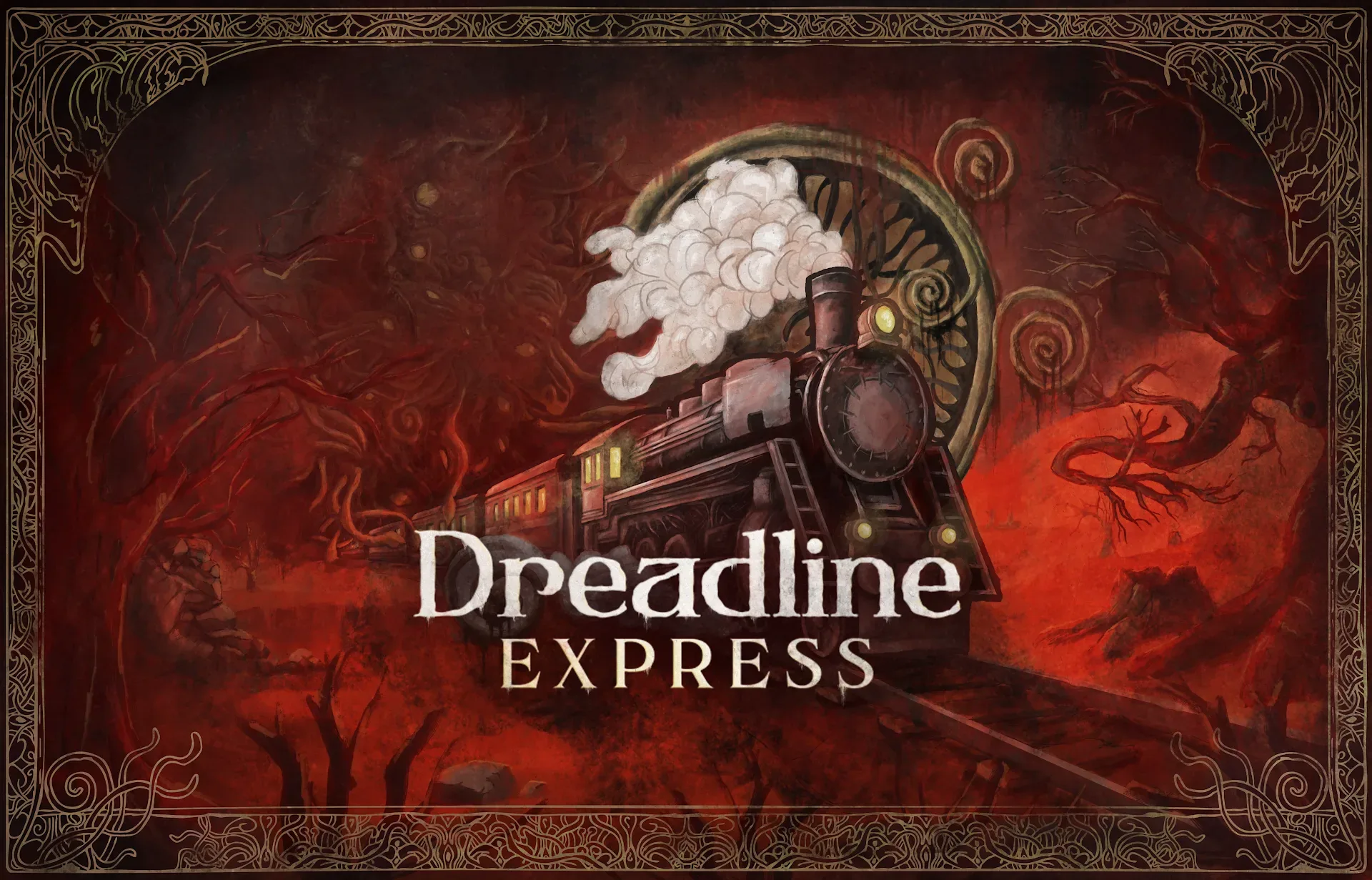
Dreadline Express has received two nominations at The Horror Game Awards 2026: Best Narrative and Best Soundtrack. The first-person psychological horror adventure was developed by David Konečný and published by Shoreline Games, and it launched on Steam in October.
The Best Narrative nomination recognizes the game’s story, written by Konečný. Its Best Soundtrack nomination recognizes original music by Karel Vaněk. The awards’ winners are scheduled to be announced on 20 November 2026.
A train-bound horror story with more than one mystery
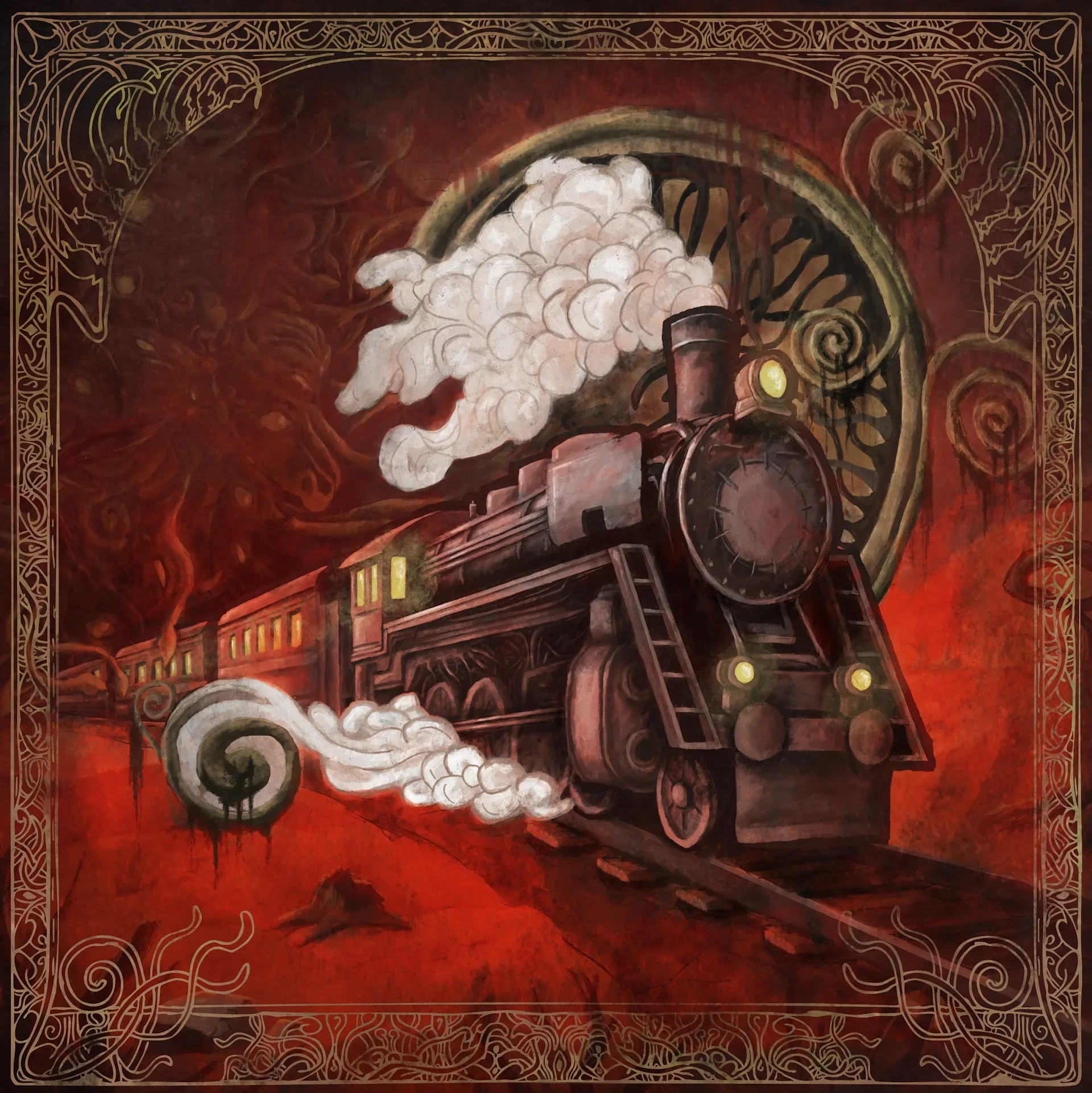
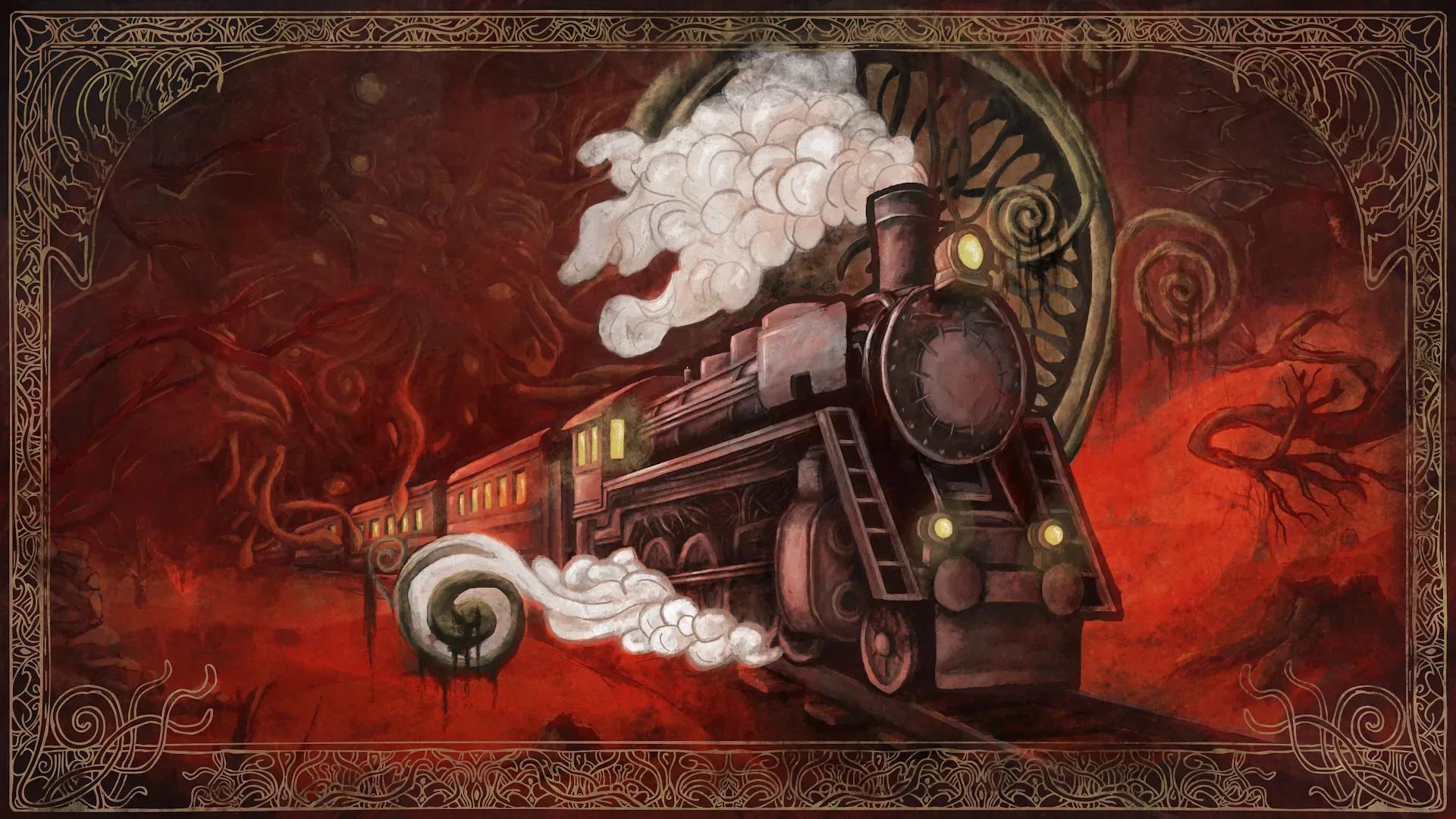
Dreadline Express is set aboard the last train carrying what remains of humanity. That premise gives the game a deliberately enclosed setting: rather than spreading its story across an open world, it places players in connected train carriages where movement, discovery and conversation feed into the central mystery.
The game combines psychological horror with exploration and environmental puzzles. Psychological horror generally puts its tension in atmosphere, uncertainty, emotional unease and the player’s interpretation of events, rather than making direct combat or repeated monster encounters the sole source of danger. For Dreadline Express, the stated focus on secrets, relationships and unfolding revelations suggests that the train’s passengers are as central to the threat and intrigue as the setting itself.
Each character aboard the train has secrets, and those secrets can affect the wider narrative. That is an important distinction from a story in which dialogue merely supplies lore. Here, character information is presented as part of the structure through which players make progress and determine how the journey develops.
What the two nominations recognize
A Best Narrative nomination is not simply recognition of a high-concept setting. In this case, it points toward the game’s interconnected mystery structure, character-driven revelations and choice-led progression. The last-train premise establishes the pressure around the story, but the narrative design is also built around what players find, whom they engage with and how they connect separate clues.
The Best Soundtrack nomination places Karel Vaněk’s original score alongside that storytelling effort. Soundtrack recognition can be especially meaningful for psychological horror because music is one of the clearest tools available for controlling mood without explaining everything outright. A score can signal tension, solitude, vulnerability or unease while leaving the player to decide what an event means. Dreadline Express is specifically framed around an atmospheric soundscape, making its music part of the game’s intended horror identity rather than a detached accompaniment.
Neither nomination guarantees a win, and no winner has yet been named. The current news is recognition in two separate categories: one for Konečný’s writing and one for Vaněk’s music.
Related coverage includes Dreadline Express Earns Two Horror Game Awards 2026 Nominations.
The card-based narrative system, explained
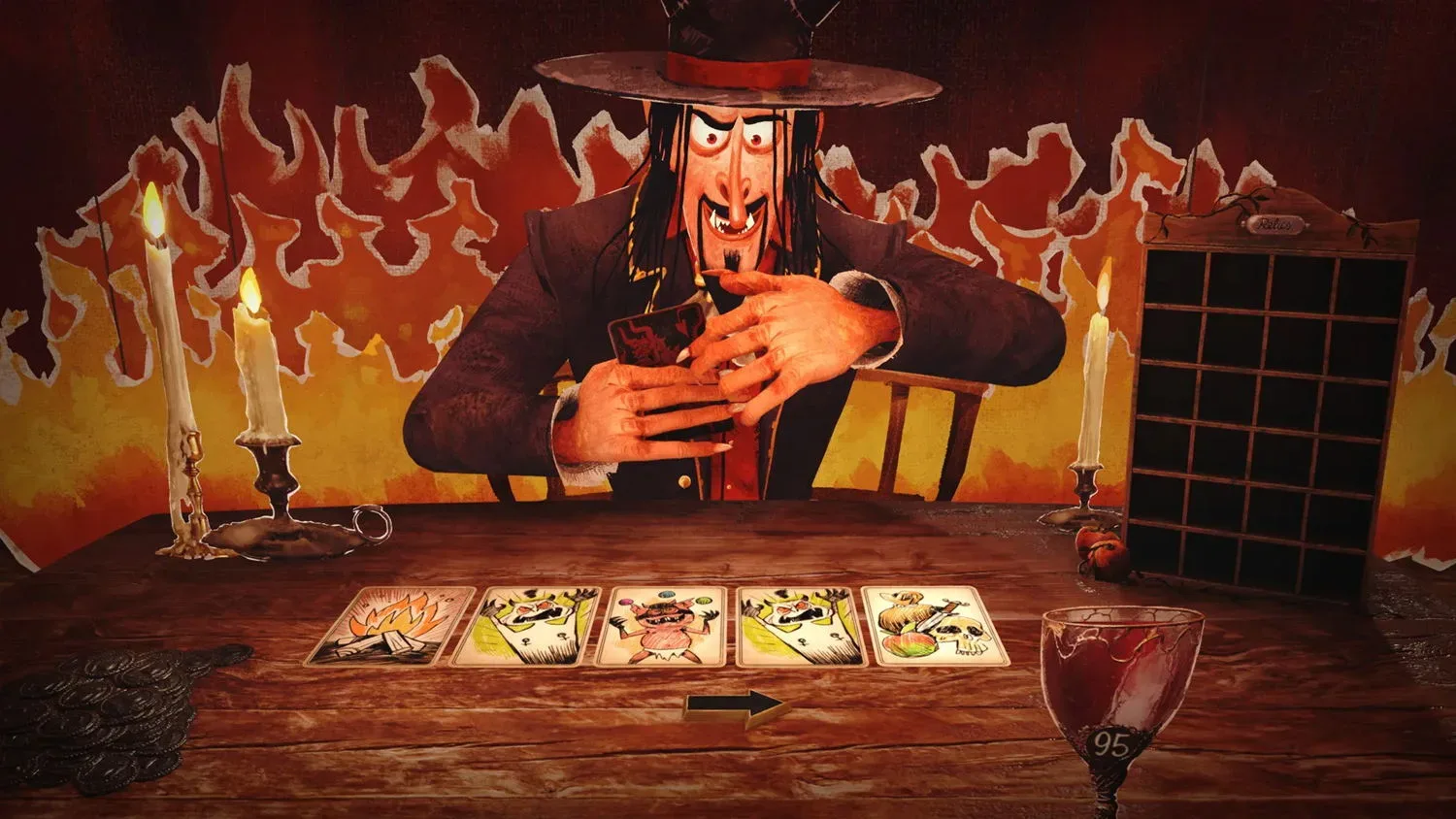
Dreadline Express uses a card-based narrative system in which discoveries become playable cards. In practical terms, a card is not described as a combat ability or a traditional deck-building resource. Instead, it is a way of turning information found during exploration into something the player can actively use in the narrative.
That matters because mystery games often face a difficult design problem: players may find a clue, understand that it is important, then have little sense of where or how it can be applied. By making discoveries into cards, Dreadline Express gives clues a visible, interactive role. The system is intended to let players uncover connections and open further possibilities.
The available details do not specify every rule governing those cards, so it would be premature to assume fixed combinations, chance mechanics or a particular number of narrative routes. What is clear is the core function: exploration produces discoveries, discoveries become cards, and cards help players advance through connections in the story.
That approach also fits the game’s train setting. Multiple carriages naturally create separated spaces, and environmental puzzles can make access to one place dependent on knowledge or evidence discovered in another. A card system can make that progression legible without reducing the mystery to a simple checklist. The player is asked not only to locate something, but to recognize the relevance of what has been found.
Choice-driven progression and relationships
The game emphasizes free exploration and choice-driven progression. “Free exploration” here should not be read as a promise of a huge map; the described world is a train made up of multiple carriages. Its significance is that players are encouraged to investigate that space and its mysteries rather than being carried through a single strictly prescribed sequence.
Choice-driven progression means player decisions shape how the journey proceeds. Dreadline Express also makes relationships a stated part of that process. Since its characters hold secrets that affect the narrative, interactions are likely to matter not just for characterization, but for what connections become available and which possibilities open up.
This makes the game’s two nominations unusually complementary. The narrative component concerns how mysteries, characters and choices are arranged; the soundtrack component concerns the mood surrounding that process. In an enclosed horror setting, those disciplines can reinforce one another. Exploration may feel more precarious when music deepens the sense of isolation, while a character’s secret can carry more weight when the soundscape refuses to make a scene feel safe.
Why the Steam launch matters
Dreadline Express arrived on Steam in October, meaning the award recognition comes shortly after launch. The game has been drawing horror players through its story-focused approach and atmospheric audio, and the nominations put those two elements at the center of its awards showing.
For PC players looking at recent smaller-scale horror releases, the key details are straightforward: this is a first-person adventure rather than a game described around action combat; it uses environmental puzzles and exploration; its mysteries span several train carriages; and its cards are designed to turn discoveries into narrative tools. Those traits place emphasis on investigation, interpretation and player-directed connections.
Players interested in other newly available Steam experiments can also see how a very different system-led game approaches progression in The Devil’s Due’s roguelite poker and Tarot-route setup. Dreadline Express, however, uses cards for storytelling connections within a psychological-horror mystery, not for the poker-driven framework described there.
What happens next
The Horror Game Awards 2026 will announce its winners on 20 November. Until then, Dreadline Express stands as a nominee in both Best Narrative and Best Soundtrack, recognizing David Konečný’s story work and Karel Vaněk’s original music.
Its awards case rests on a coherent set of ideas: a confined train carrying humanity’s remnants, multiple interlinked mysteries, characters with consequential secrets, environmental puzzles, free exploration, and a card-based system that makes discoveries playable. Whether it takes either category remains to be seen, but the nominations spotlight a horror game built around the act of piecing things together.