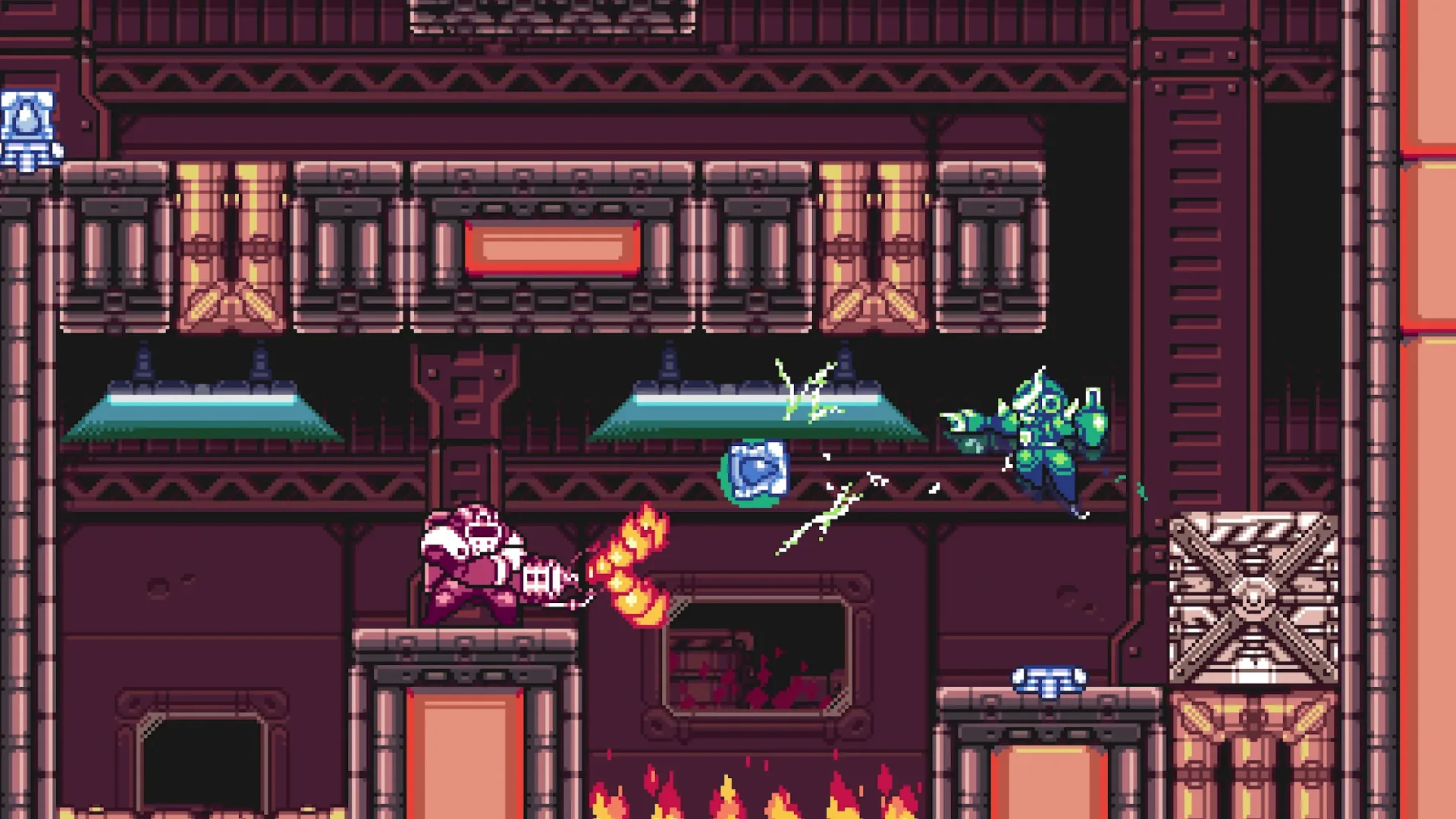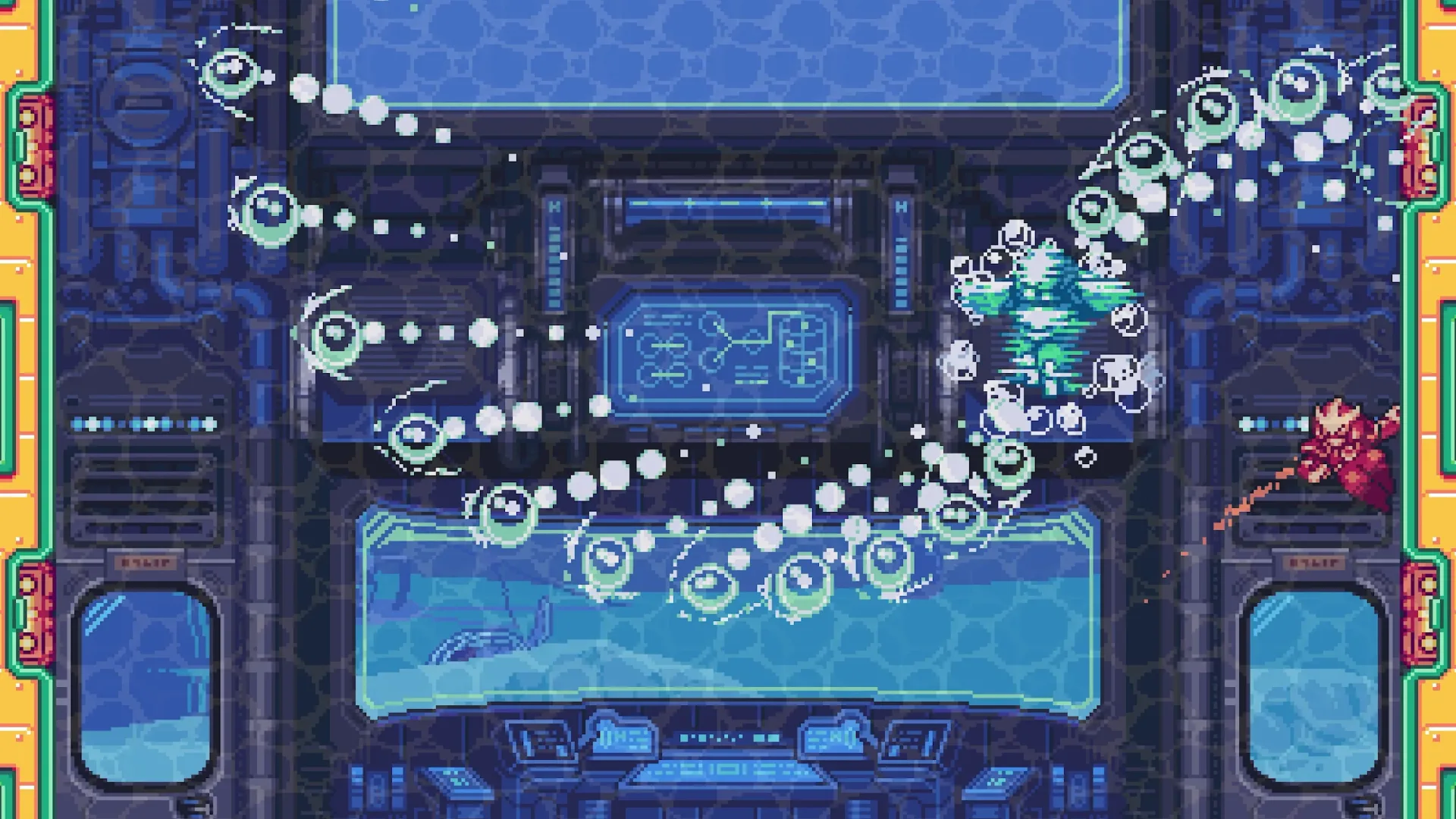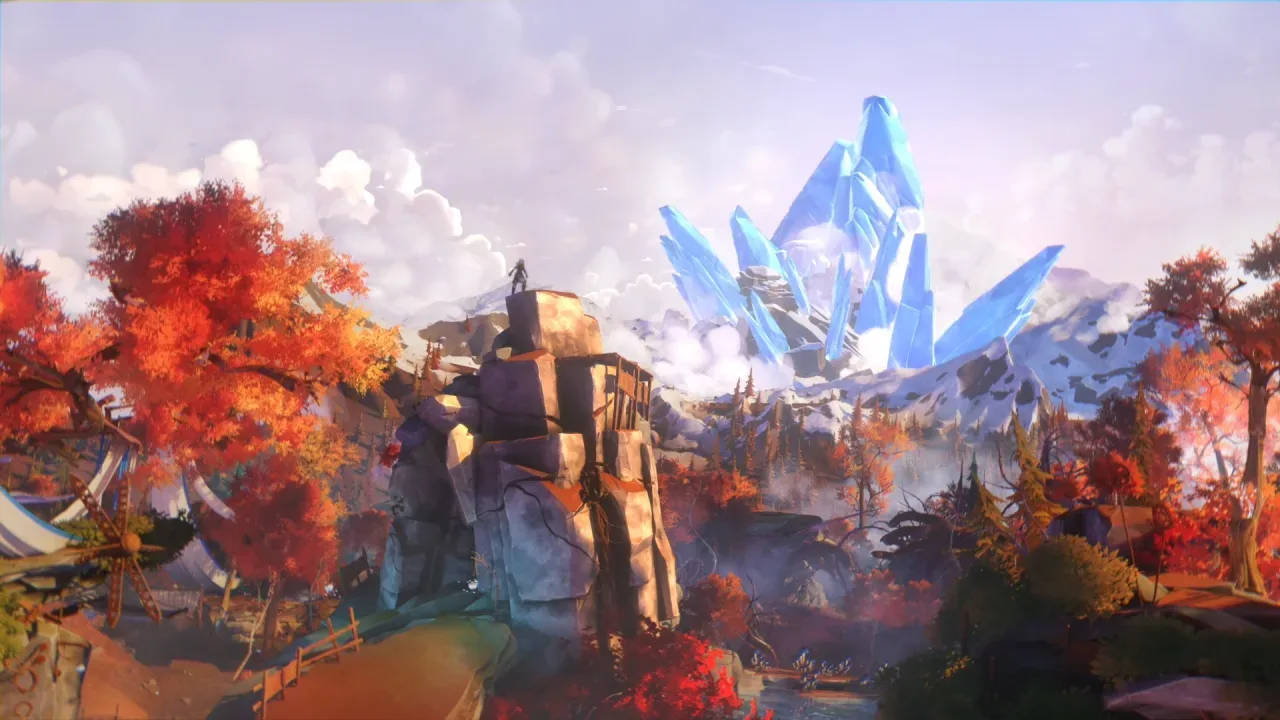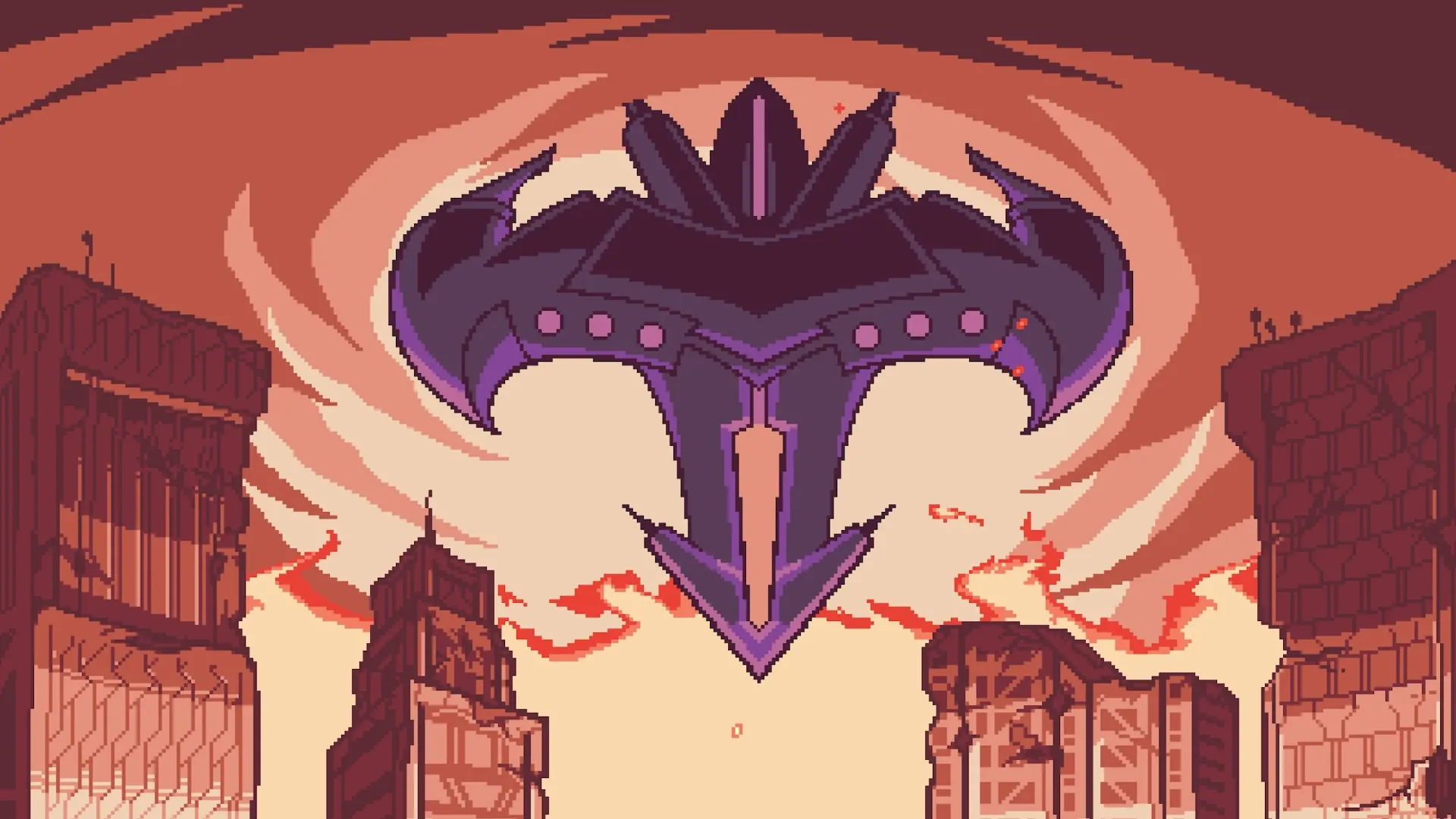
Gravity Circuit 2 has put its first playable signal into the wild. Developer Domesticated Ant Games and publisher Dear Villagers have released a demo on Steam, while confirming a planned Spring 2027 launch for PC, PlayStation 5, Nintendo Switch 2 and Nintendo Switch.
The demo offers roughly 30 minutes of play over two stages. More importantly than a raw stopwatch number, it includes both playable leads: returning close-range fighter Kai and newcomer Cable. That makes this an early chance to compare the sequel’s central combat approaches rather than merely sample one carefully selected slice of a larger game. A trailer accompanying the news also revealed the release window.
For a sequel built around 2D combat and platforming, the two-character setup is a meaningful change in how missions can be approached. Kai and Cable can be chosen before starting a mission, and their tool sets point toward substantially different priorities. One looks built to get right into an enemy’s personal space; the other appears designed to turn space itself into a resource. In video-game terms, the Hunter Army may wish to review its workplace safety documentation.
A rebuilt city, and a new Ark-sized problem
The sequel takes place years after the original Gravity Circuit, in a rebuilt Kernel City. The rebuilding suggests a setting that has had time to recover, but the calm is evidently short-lived: a new Ark has arrived with invading Hunter Army forces.
That premise places Kai back in action while introducing Cable as a second playable protagonist. The supplied details do not establish whether the pair have separate story routes, how often missions branch, or whether their choices affect narrative scenes. What is clear is that the character decision happens before a mission and is tied directly to different fighting styles. Players should therefore think of the selection as a gameplay decision first, rather than assume it is purely cosmetic.
Kernel City’s stages are described as 2D levels that combine combat, platforming and secrets. “2D” here refers to the game being presented and navigated along a side-on plane, with movement and level challenges designed around that format. Platforming means traversal is part of the challenge: jumping, positioning and reaching routes matter alongside defeating enemies. Secrets indicate that players may be rewarded for looking beyond the most obvious route, though the current information does not specify the form those secrets take.
Kai keeps the gloves on; Cable brings ammunition economics
Kai retains a close-combat style. The broad implication is straightforward: his kit is suited to direct engagement, where getting near opponents is a feature rather than an administrative error. Returning players will likely find that role immediately legible, even though the demo is the appropriate place to see how his moves feel within this sequel’s new systems.
Cable is the more overtly different option. He uses projectiles for longer-range offense, can make multiple jumps that damage enemies, and has powers that convert defeated enemies into scrap. That scrap can then be spent as ammunition.
Related coverage includes Gravity Circuit 2 Demo Launches on Steam Ahead of Spring 2027 Release.
This last detail is especially worth unpacking. An ammunition loop is a system where a player’s ability to use certain attacks depends on a consumable resource. Here, Cable’s resource is not simply found in a crate and forgotten: defeated foes can become the material that supports his ranged capabilities. The stated design connects enemy defeat, positioning and projectile use in one cycle. In practical terms, a player using Cable may need to consider not just which enemy to attack, but when turning that enemy into scrap is most useful.
That does not automatically mean Cable is easier or harder than Kai; no difficulty comparison has been provided. It does mean their strengths are framed differently. Kai’s close-combat identity invites direct confrontation. Cable can attack from farther away, use damaging multi-jumps to interact with enemies during movement, and derive ammunition from fallen opposition. Those distinctions could make the same stage feel different depending on the selection at the mission screen.
Customization is part of the sequel’s pitch
The announced systems extend beyond the two starting move sets. Booster Chips and Burst Techniques are intended to shape moves and stats. A move set is the collection of attacks and actions available to a character; stats are the numerical attributes that can influence performance. The announcement does not list individual chips, techniques or affected stats, so it would be premature to claim exactly how deep the customization goes. Still, their stated purpose is clear: players will have tools to alter how a chosen character plays.
This is significant because it suggests the Kai-versus-Cable choice is not necessarily the final word on a player’s preferred style. The initial character sets the foundation, while customization can potentially adjust that foundation. A close-range specialist may be tuned differently by two players; a ranged character’s resource-focused kit may likewise leave room for varied priorities. The demo includes an early look at these new customization elements, making it useful for players interested in the system as well as those simply keen to punch robots in a scientifically satisfying direction.
Bosses will also provide Circuit Shards, which grant upgrades and abilities. In plain terms, these are progression rewards tied to boss encounters. The announcement does not say whether every boss gives a shard, whether shards are optional, or whether upgrades apply across both characters. But the design establishes a recognizable rhythm: push through a level, face a major challenge, then receive something that expands the player’s capabilities.
The distinction matters. Booster Chips and Burst Techniques are described as systems that shape move sets and stats, while Circuit Shards are explicitly boss-dropped upgrades and abilities. Both contribute to character growth, but they appear to serve different functions: one concerns configuring play style, and the other connects advancement to defeating bosses. More details will be needed to establish how these layers interact.
What the Steam demo actually covers
The currently available Steam demo includes two stages and both Kai and Cable, with roughly 30 minutes of gameplay stated for the package. That provides a focused preview rather than a promise of the full game’s structure, total length, complete upgrade selection or final balance.
Players approaching the demo can get the most useful read by trying both characters in the same available content. Kai’s close-range approach and Cable’s projectiles, damaging multiple jumps and scrap-to-ammunition abilities should make the contrast apparent. Replaying a stage with the other fighter may also reveal how much the level design accommodates different movement and combat tools.
It is also sensible to separate what the demo can demonstrate from what remains unconfirmed. It can show the two featured characters, two stages, the basic action-platforming flow and at least some of the new customization concept. It cannot, on the information available, answer questions about the final mission count, the full boss roster, every Circuit Shard, the extent of secrets, or every customization option. A demo is a sample, not a legally binding tour of every cupboard in Kernel City.
Platforms and the road to Spring 2027
Gravity Circuit 2 is planned for PC through Steam and the Epic Games Store, plus PlayStation 5, Nintendo Switch 2 and Nintendo Switch. The release timing is a window rather than a specific date: Spring 2027. As a result, the exact launch day has not been announced in the supplied information.
The simultaneous inclusion of current PlayStation hardware and both named Nintendo Switch platforms gives the project a broad planned console footprint, alongside the two listed PC storefronts. It does not establish details such as cross-save, performance targets, physical editions, regional timing or platform-specific features, so those remain open questions.
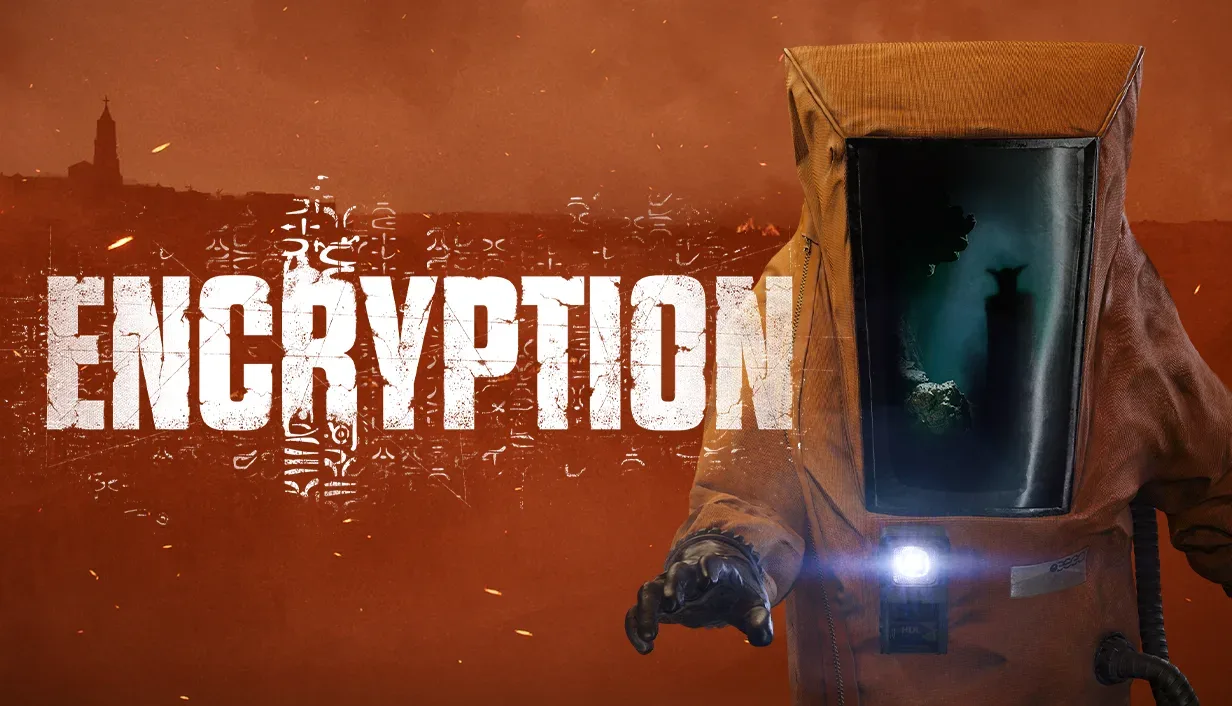
For players keeping an eye on the 2027 PC calendar, Encryption’s planned 2027 PC release is another example of how quickly that future release slate is taking shape. Gravity Circuit 2, however, has something particularly useful in hand now: a playable demo rather than only a distant logo and a brave release-window promise.
A first look at a more flexible Gravity Circuit
The core proposition is compact but promising. A rebuilt Kernel City supplies the backdrop; an invading Hunter Army supplies the urgent mechanical inconvenience. Kai returns with close-combat fundamentals, while Cable introduces longer-range attacks, damaging aerial movement and a scrap-based ammunition mechanic. Above that, Booster Chips, Burst Techniques and boss-earned Circuit Shards aim to add layers of customization and progression.
Dominic Ninmark is composing a new soundtrack for the sequel, rounding out the announced package for its 2D levels. Beyond that, the most responsible expectation is also the simplest one: the Steam demo is now the direct way to see how the two characters and early systems work, while the full game remains planned for Spring 2027. Until more is detailed, Kernel City’s next defense plan appears to be equal parts skill, upgrades and turning hostile machinery into extremely impolite ammunition.