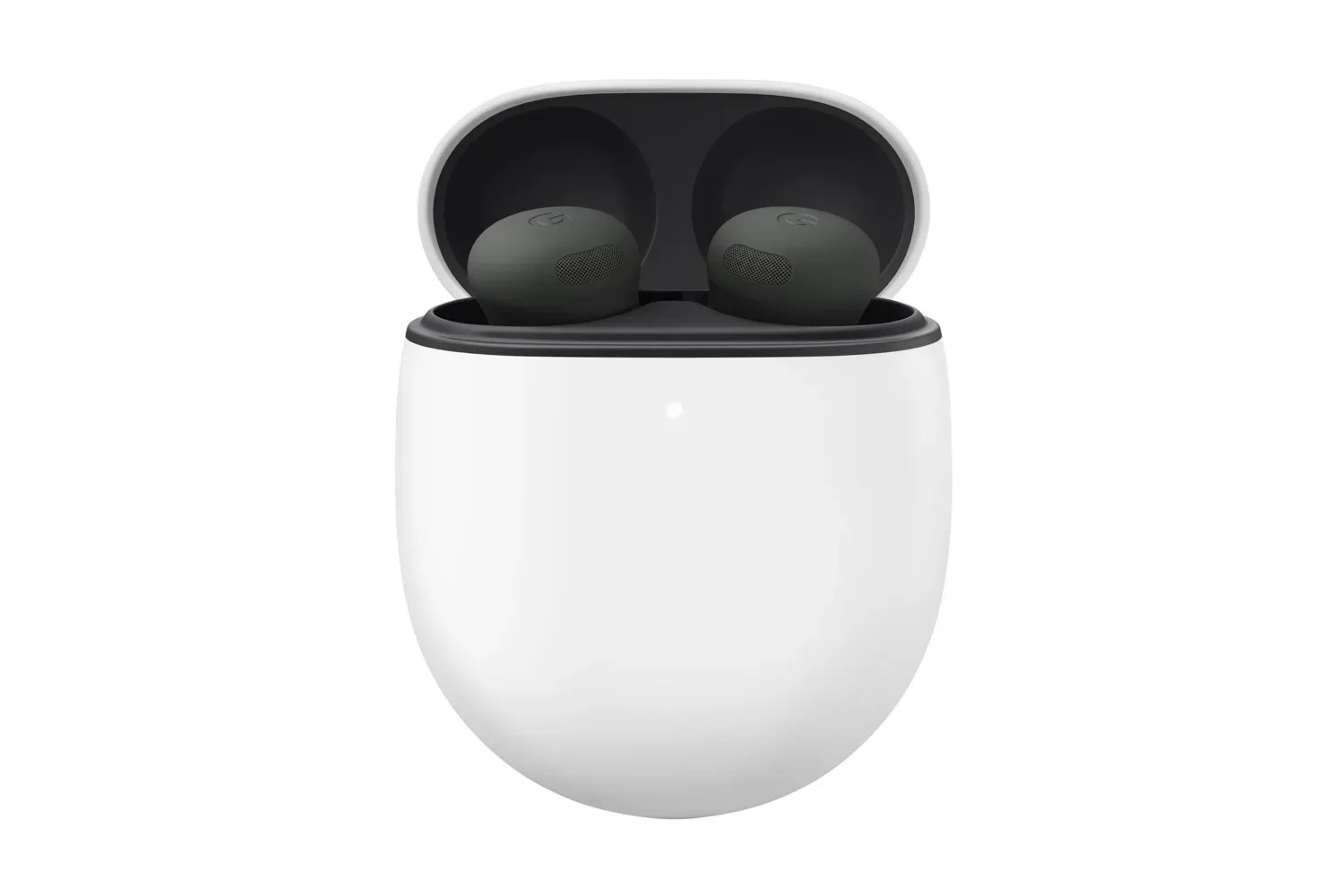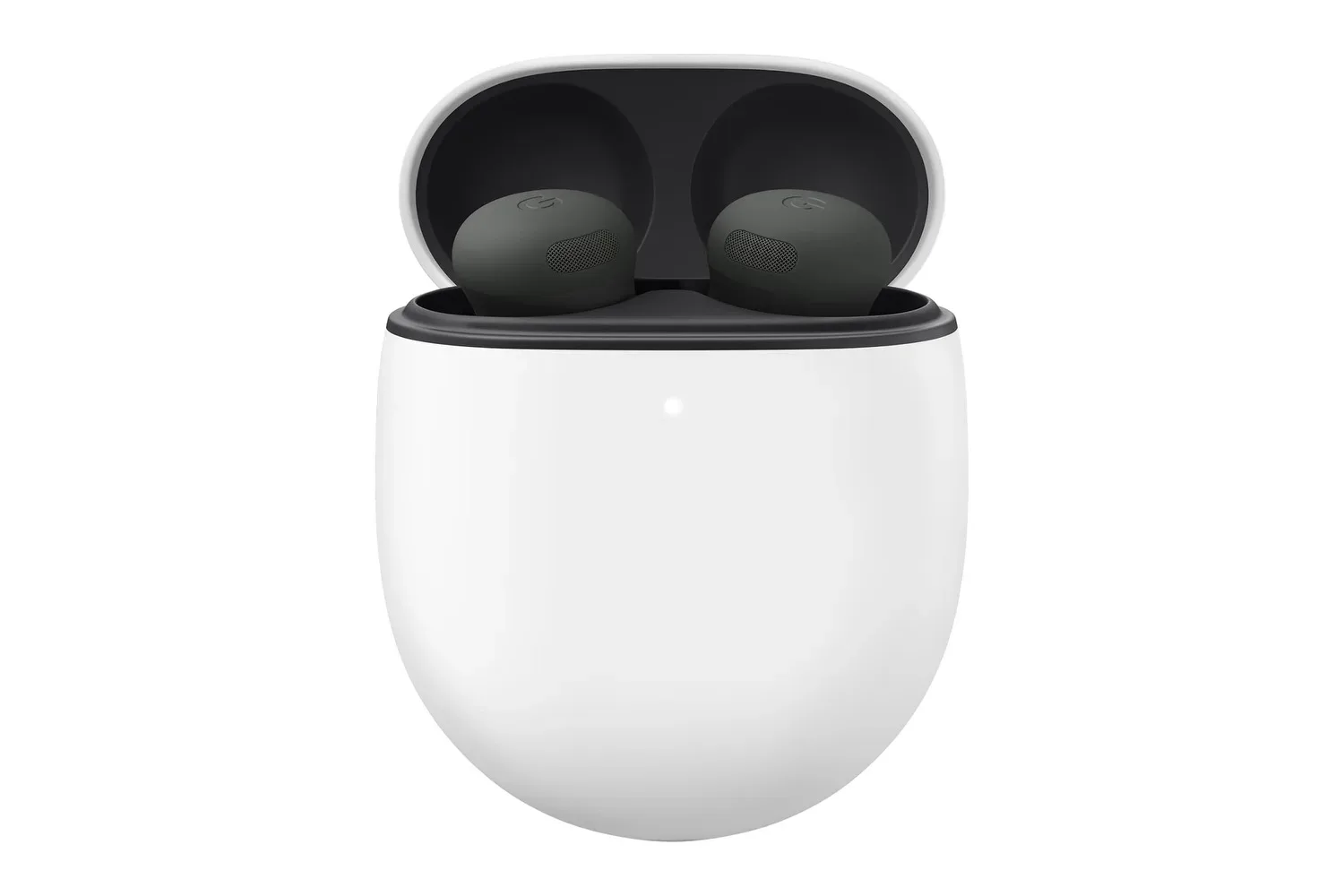
Google Pixel Buds Pro 2 are listed at $180, a $49 reduction from a usual $229 price. That works out to roughly 21% off. For gamers and everyday mobile users who already live in the Android ecosystem, the appeal is not just a lower number at checkout: these are Google’s premium earbuds, built around adaptive active noise cancellation, voice features, device switching and a case that is rated for substantial total battery life.
The important qualification is that the headline battery and noise-control claims are usage-dependent. Earbuds are small computers with very small batteries, so a buyer should look closely at what changes when active noise cancellation is enabled, how the fit works, and whether the software features line up with the phone or tablet they actually use. Pixel Buds Pro 2 are positioned to work best with Pixel and Android phones.
The price and the core proposition
At $180, the Pixel Buds Pro 2 sit below the stated $229 usual price. The discount matters because their feature list is aimed at the premium wireless-earbud category: a Tensor A1 chip in each bud, Silent Seal 2.0 active noise cancellation, a transparency mode, spatial audio with head tracking for mobile video, multipoint connectivity, and Google Gemini access.
For a player, a commuter, or someone working from a phone and laptop, the most practical features are likely to be less flashy than the on-board AI branding. Noise control can make a bus, train, shared room or busy household easier to manage. Multipoint can reduce the friction of changing between two connected devices. And a fit that remains stable matters just as much during a workout as it does during an extended mobile session.
That does not make every feature equally useful to every buyer. Someone who mainly wants a simple, inexpensive Bluetooth set may not need adaptive cancellation, head-tracked spatial audio or assistant integration. Conversely, a Pixel or Android owner looking for a single pair for calls, music, video and travel has more reason to weigh the combined package.
What adaptive ANC means here
ANC, short for active noise cancellation, uses microphones and audio processing to counter surrounding sound. It is distinct from passive isolation, which is the physical reduction of noise created by a well-sealed ear tip. Both matter. Even a sophisticated cancellation system needs a reliable physical seal to work as intended.
Pixel Buds Pro 2 use Google’s Tensor A1 chip for real-time audio processing and Silent Seal 2.0. The system is described as adapting both to the listener’s ears and to the surrounding environment. In plain terms, the earbuds are intended to keep adjusting their noise reduction rather than treating a quiet room, a train and a changing route between them as identical situations.
There are four included ear-tip sizes, and the buds use a twist-to-adjust stabilizer. Those details are not cosmetic. Selecting the appropriate tip and securing the buds properly can affect comfort, stability and isolation. Anyone buying primarily for noisy travel or exercise should give that setup step real attention rather than assuming the first tips installed will be the right fit.
The stated goal is continuous reduction as the environment changes. It is sensible to treat that as a design objective, not a promise that all sound disappears. ANC is typically most useful when a listener wants to reduce persistent environmental distraction while keeping audio at a more reasonable level.
Battery figures: separate the buds from the case
Google rates the Pixel Buds Pro 2 for up to eight hours from the earbuds with ANC active, or up to 12 hours without ANC. The charging case raises the quoted totals to up to 30 hours with ANC or up to 48 hours without ANC.
Those are four different figures, and mixing them up is an easy way to overestimate a single listening stretch. The eight- and 12-hour claims concern the earbuds themselves. The 30- and 48-hour figures include recharging them from the case. For day-to-day planning, the former numbers matter if there is no chance to return the buds to the case; the latter are more relevant for a trip, commute-heavy week or gaming setup where the case travels along.
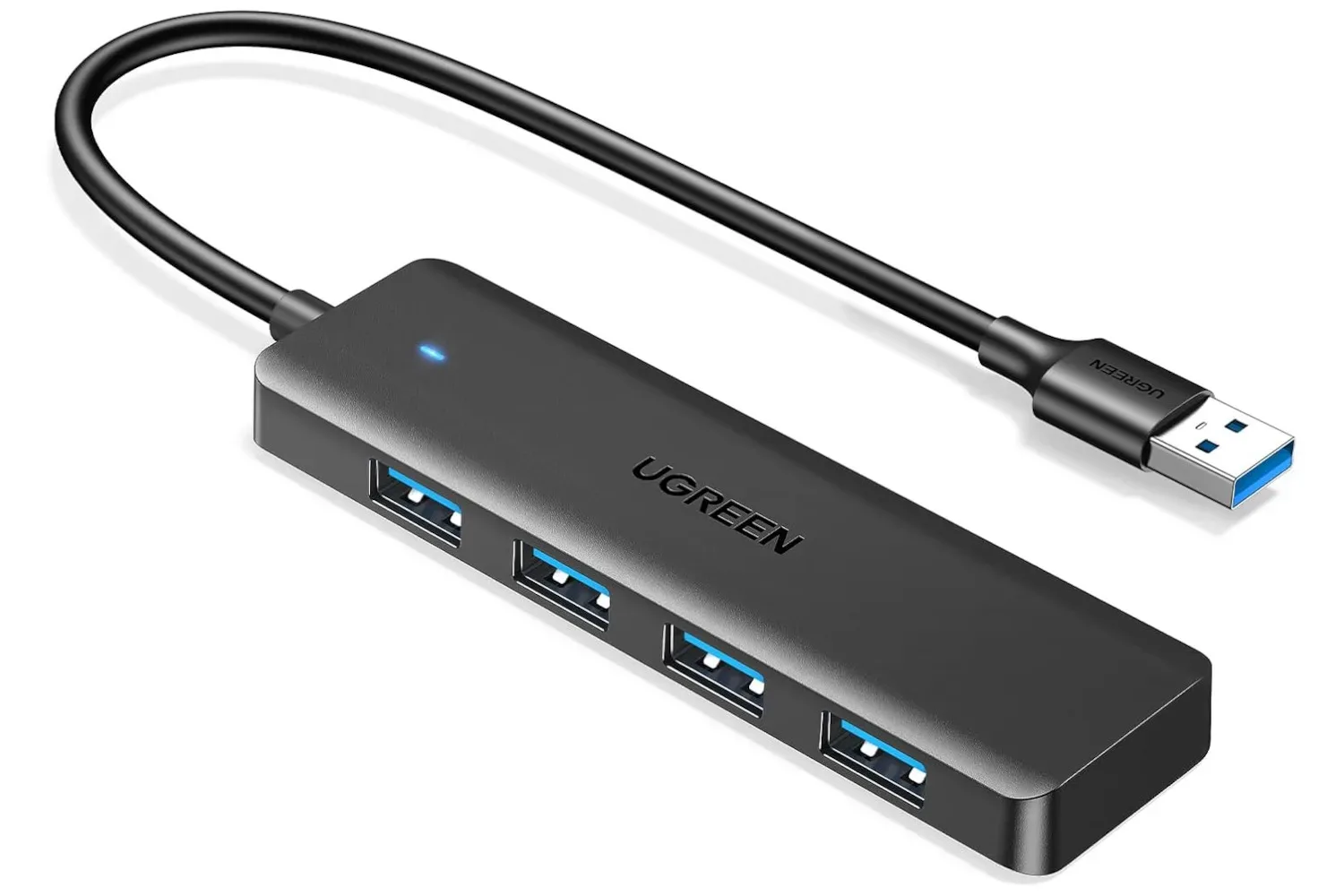
The case can be charged by USB-C or wirelessly on a Qi pad. Qi is a common wireless-charging standard, so a compatible charging pad can replenish the case without connecting a cable. A cable remains an option for users who prefer a conventional desk setup. Readers considering their wider PC area can also compare the modest, practical upgrades covered in our guide to a straightforward USB hub desk upgrade.
Conversation Detection, calls and switching devices
Conversation Detection is designed to respond when the wearer starts talking. It pauses music and changes to Transparency Mode, then returns to music playback when the conversation ends. Transparency Mode is the counterpart to isolation: it uses the earbuds’ microphones to let outside sound through, so a listener can engage with someone nearby without necessarily removing an earbud.
That automation could be especially convenient for brief interruptions, whether that is a coworker, a family member or a quick interaction while out. It also means buyers who dislike automatic changes to their listening should consider whether they want a feature that reacts to speech in the first place. The practical value is in fewer manual pauses and fewer moments spent pulling a bud out just to answer a simple question.
For voice calls, the earbuds include Clear Calling and a voice accelerometer, with the aim of keeping speech clear in ambient noise. A voice accelerometer is a sensor used to help identify the wearer’s voice-related vibrations. It is part of the effort to separate speech from the surrounding sound when a user is on a call.
Multipoint is another potentially useful quality-of-life feature. When enabled, it supports switching between two connected devices. It is relevant to the person who listens to music or game-related video on a tablet, then needs to take a call on a phone, or alternates between personal and work hardware. It should not be confused with a guarantee of unlimited simultaneous connections: the stated capability is switching between two devices.
Gemini and mobile media features
Gemini support allows users to ask questions, get directions and brainstorm without taking out a phone. The value of that will naturally depend on whether a buyer already uses Google’s AI tools and is comfortable making requests by voice. It is best understood as an accessibility and convenience layer rather than a replacement for the fundamentals: a secure seal, decent battery planning and dependable connection behavior remain the basic earbud concerns.
For movies and TV watched on a phone or tablet, the Pixel Buds Pro 2 also offer spatial audio combined with head tracking. Spatial audio is intended to create a more positional, immersive presentation than ordinary stereo. Head tracking changes that presentation in response to head movement. The feature is specifically framed around mobile video viewing, making it potentially relevant to people who watch streams, trailers or shows away from a television or desktop setup.
It should not be treated as a substitute for checking platform and content support. The supplied details establish that the earbuds include the feature for mobile viewing; they do not establish that every app, game or video source will use it in the same way.
Fit, resistance ratings and finding the case
The compact buds, twist-to-adjust stabilizer and four ear-tip sizes are intended to provide a secure fit during exercise or a run. This is a meaningful part of the product’s design, particularly for listeners who want earbuds that stay put rather than needing constant repositioning.
The earbuds carry an IP54 dust- and water-resistance rating, while the case is rated IPX4. The different labels matter. An IP rating is a standardized shorthand for resistance to dust and water, and the X in IPX4 indicates that no dust-protection number is supplied for the case. These are resistance ratings, not a claim that the buds or case are invulnerable to every water or dust scenario.
If the case goes missing, its built-in speaker can work with Google’s Find My Device app to help locate it. That is a modest but useful protection against one of the more frustrating true-wireless problems: the earbuds may be in hand, while the charging case has vanished somewhere in a bag, room or car.
Who should consider the $180 listing?
The clearest audience is a Pixel or Android user seeking premium, feature-heavy wireless earbuds at below the stated regular price. The deal brings adaptive ANC, up to eight hours of claimed in-bud listening with ANC, a stated 30 hours with the case in that same mode, wireless charging, multipoint, calls features and Android-oriented assistant functionality into a $180 package.
They are also worth a closer look for people whose routine switches between solitary listening and frequent interruption. Conversation Detection and Transparency Mode target precisely that situation, while the stabilizer and tip options aim to support active use. Mobile-video viewers may find the spatial-audio and head-tracking support relevant as well.
Buyers should temper expectations in the right places: the listed battery figures are maximum claims that change with ANC use, fit is personal even with multiple tip sizes, and the strongest experience is intended for Pixel or Android phones. But for shoppers who want the complete Google-oriented set of features rather than basic wireless playback, the $49 reduction is a concrete reason to consider Pixel Buds Pro 2 now.
Shop the products
Check current price, model and availability at the retailer.