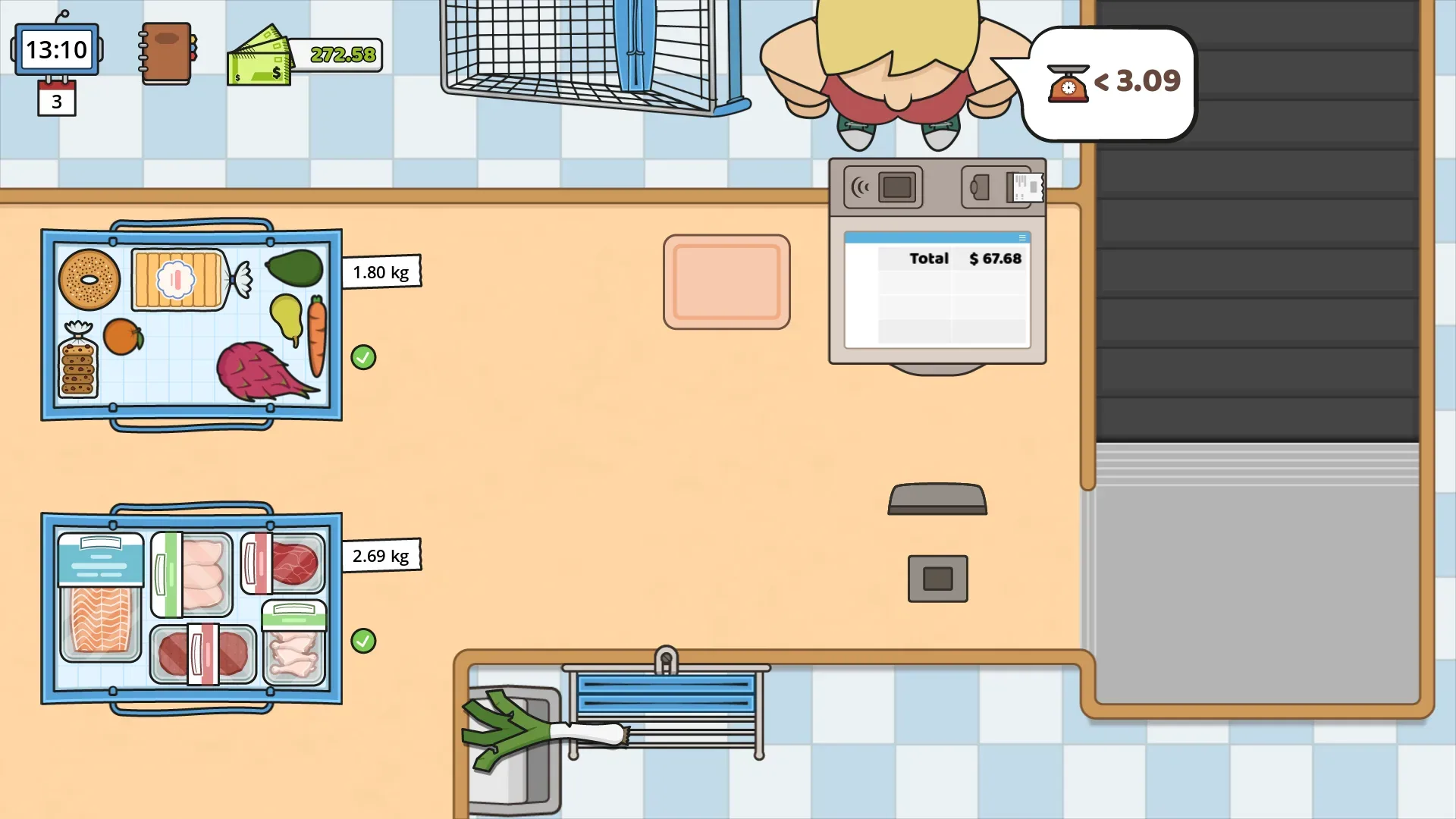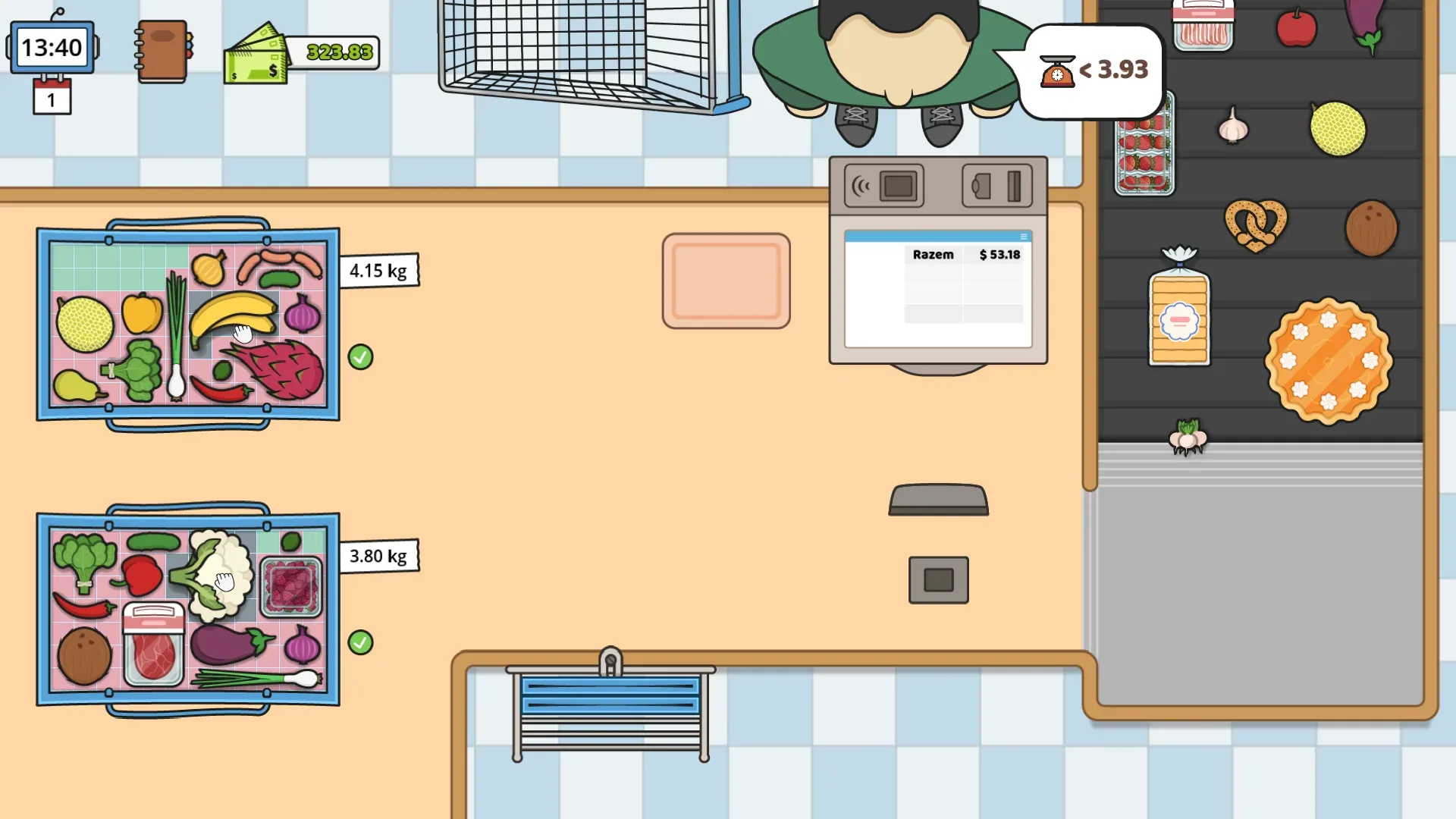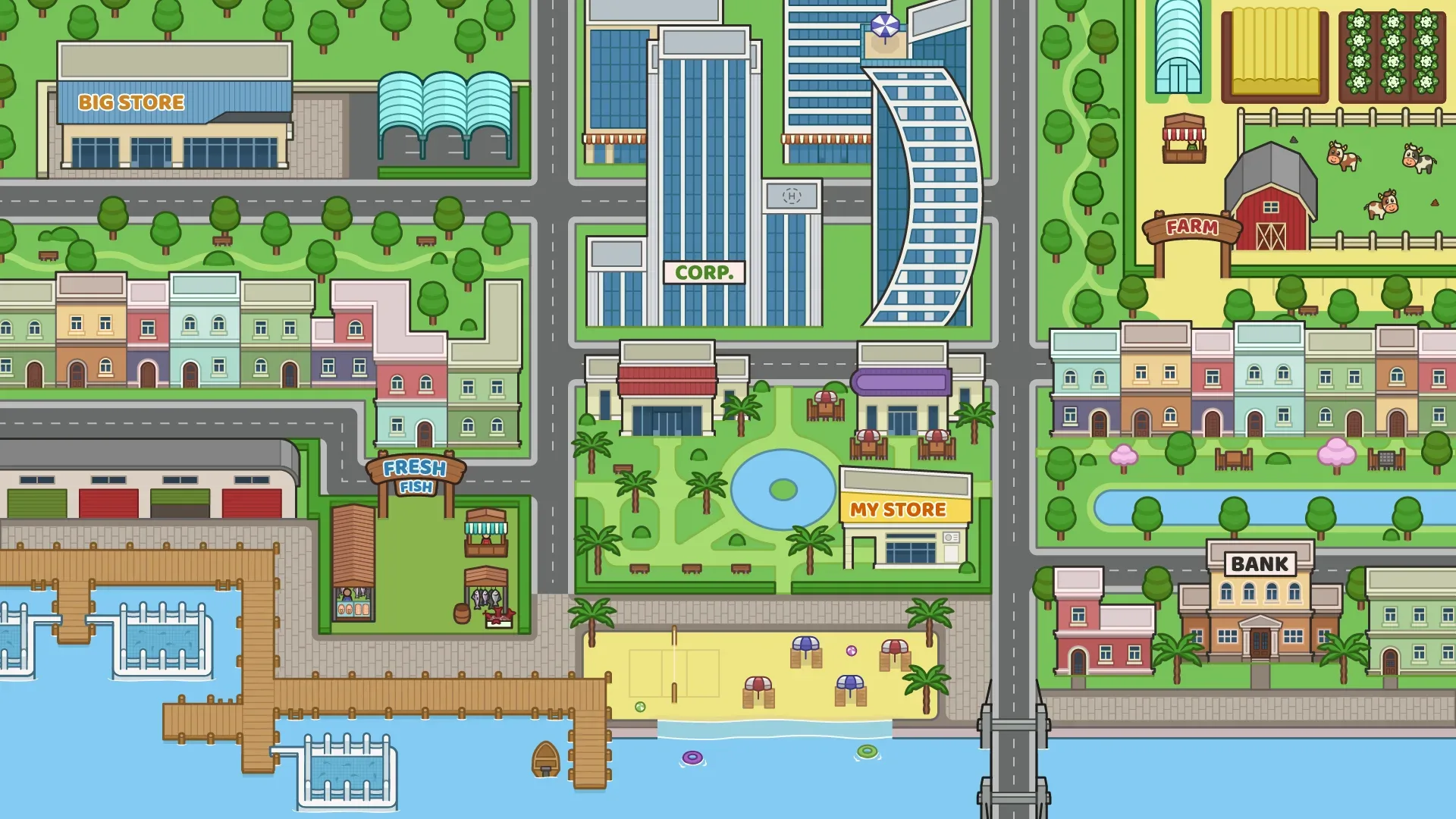
Gently Packed, the grocery-packing simulator from Polish developer Two Ducks Studio and publisher Pixel Doors, has entered Early Access on Steam, GOG and the Epic Games Store. Its premise is agreeably ordinary until a fully stocked paper bag meets a watermelon, at which point the checkout lane becomes a tiny, produce-filled geometry exam.
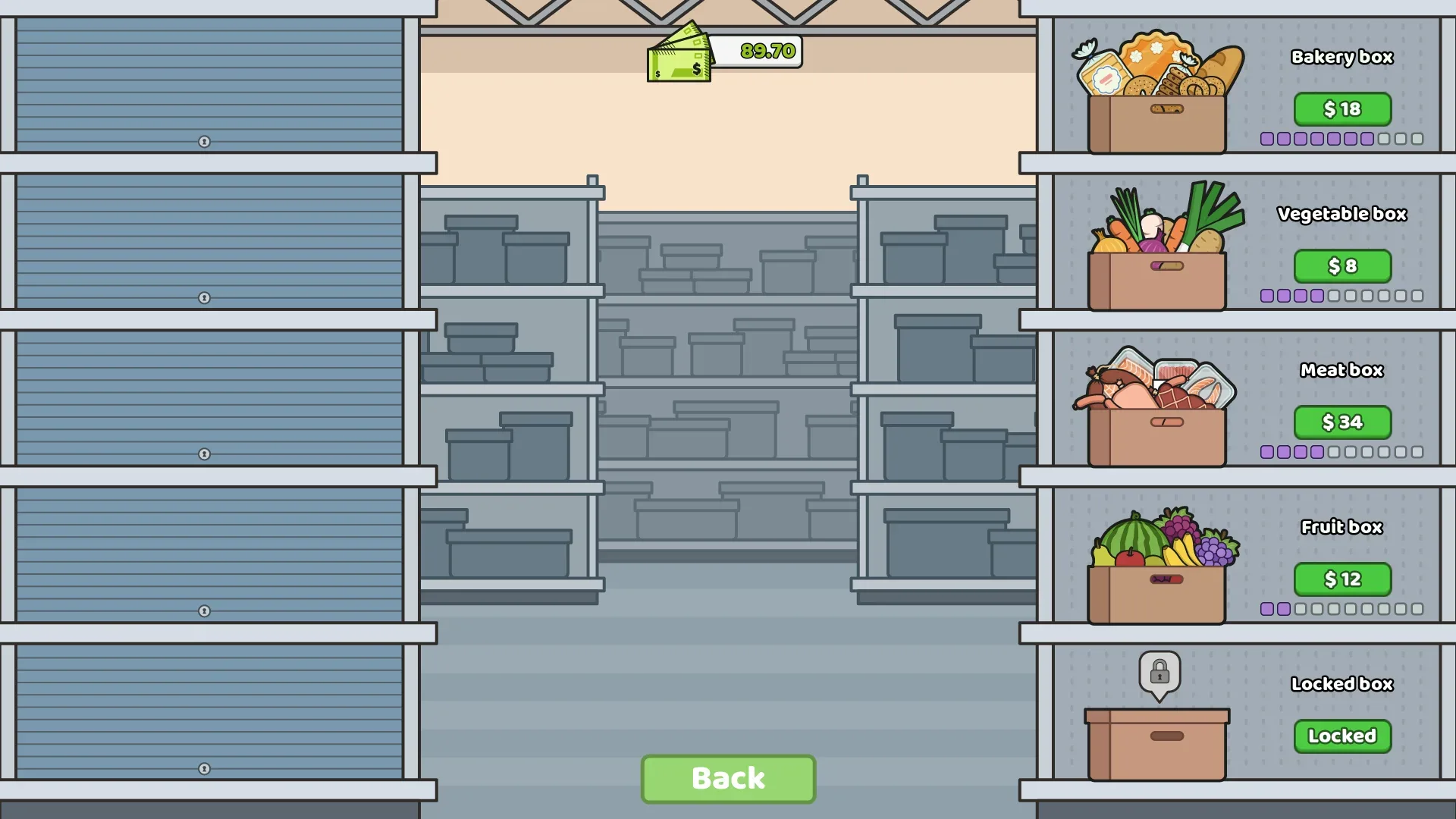
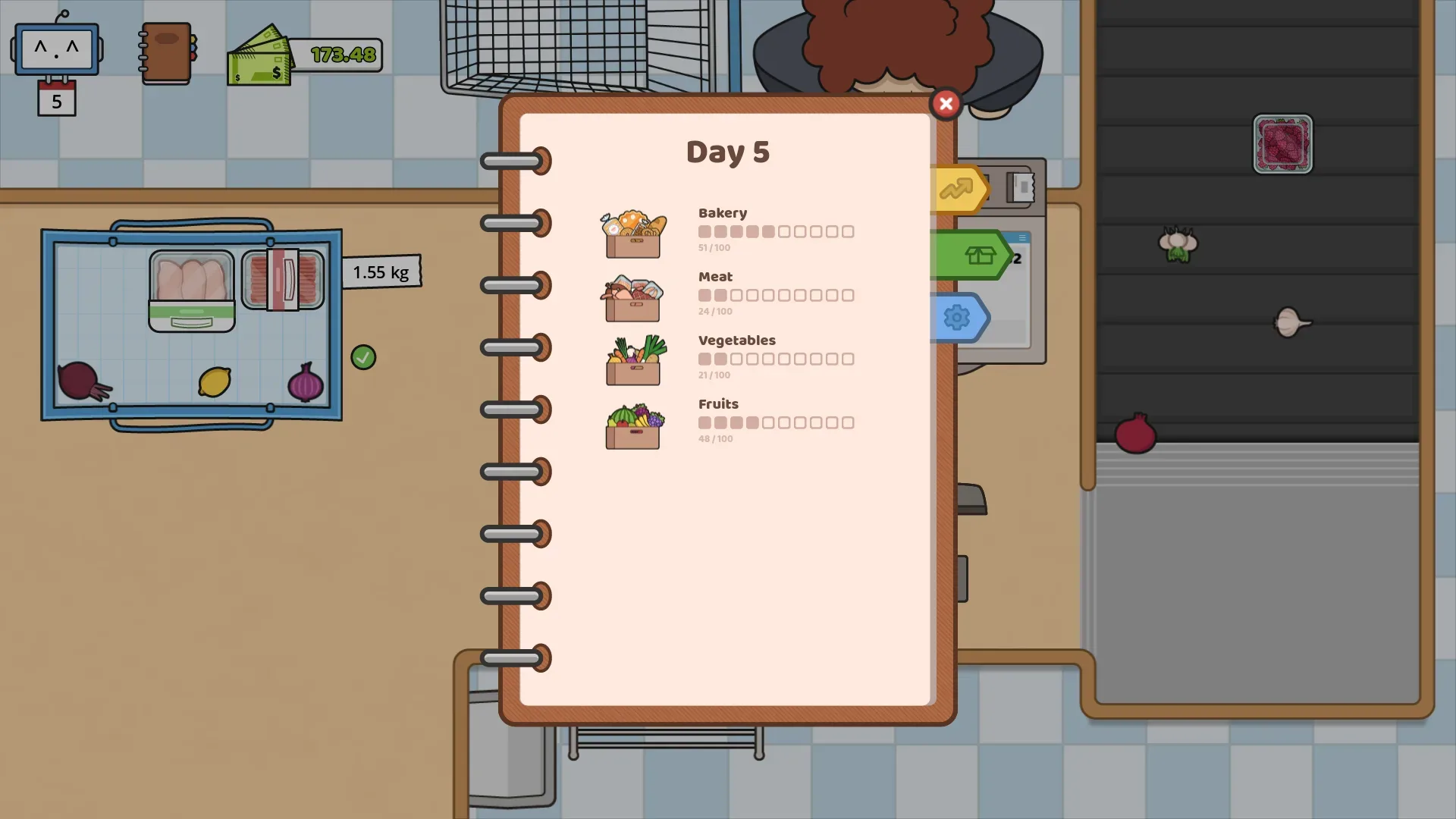
Players work as a supermarket cashier, scanning items, serving customers and arranging each order into paper bags. The job also includes upgrading the store and progressing toward repayment of a corporate franchise loan. That combination gives the game a clear structure beyond simply placing cartons and fruit in aesthetically satisfying piles: every neatly packed bag sits inside the wider work of keeping a shop moving and its finances improving.
The Early Access release arrives after the game passed 15,000 Steam wishlists before launch. Its October Steam Next Fest demo also generated substantial attention, with more than 5,000 wishlists added in less than a week. For a game about putting groceries into bags, that is a notably full basket of early interest.
A checkout sim built around the quietest kind of pressure
The defining feature outlined for Gently Packed is its default no-time-limit mode. Players can take as long as they need to assess an order, shift products around and test a new arrangement. There is no stated rush timer demanding that every can, box and oversized piece of produce be processed at maximum velocity.
That distinction matters because packing games can draw their challenge from very different places. A time limit tests speed, reactions and prioritisation under pressure. Gently Packed instead puts the attention on spatial arrangement: deciding what should sit at the bottom, what can fit into a gap, and whether the bag has one last improbable pocket of space left. The game’s stated example of fitting a watermelon into an apparently full bag neatly captures the intended puzzle. It is less about beating the clock than proving the bag’s pessimistic first impression wrong.
“Cozy” and “therapeutic” are often used to describe games designed to make repetition feel soothing rather than punishing. In this case, the supplied details support that label through the no-pressure default mode and the tactile-sounding routine of scanning, sorting and packing. The appeal is likely to be the small sequence of decisions within each order: evaluate the shapes, stack carefully, adjust when an object refuses to cooperate, then send the customer away with groceries that have not become a paper-bag avalanché.
What players actually do
The announced activity loop has several connected parts:
- Scan products: Process items as a cashier before they go into the bagging stage.
- Pack groceries: Arrange products inside paper bags, experimenting with placement and available space.
- Serve customers: Work through the supermarket’s orders as part of the checkout role.
- Upgrade the store: Improve the shop over time.
- Pay down a franchise loan: Progress toward clearing the corporate debt attached to the business.
The important caveat is that the available release details do not specify the exact upgrades, the loan’s mechanics, the length of the progression path or what content will change during Early Access. Players considering the game should therefore treat the confirmed loop as the current high-level outline, rather than assuming a particular set of systems that has not been described.
Related coverage includes Gently Packed Opens Its Grocery-Packing Sim in Early Access.
Still, the known structure suggests two complementary motivations. The first is immediate: make this bag work. The second is longer-term: maintain and improve the store while reducing the debt. The first supplies the pleasant tabletop-scale puzzle; the second gives all that careful bagging a broader objective. A watermelon may be inconvenient, but at least it is inconvenient in service of capitalism’s most polite repayment plan.
Why the no-timer default changes the tone
In game design terms, a default setting matters because it communicates the experience the developer expects most players to have first. Here, the stated default removes time pressure, making deliberate experimentation the baseline rather than an optional accessibility concession or an afterthought.
That does not mean the game is without challenge. A packing puzzle can still ask players to reason about the order in which items are placed and how much room a paper bag can accommodate. The difference is that a failed arrangement does not need to feel like a test of reflexes. A player can rotate their approach, unpack mentally or physically, and see whether a more stable stack can emerge. The pleasure is in solving a small practical problem, not in watching a countdown turn the checkout into an emergency broadcast.
This approach may especially suit people looking for a focused task that can be played at a self-directed pace. The gameplay has a defined goal and an inherent possibility of improvement, yet the default mode does not frame slow consideration as failure. The apparently humble subject also helps: groceries are familiar objects, and paper bags make for a recognisable constraint. Nothing about the described loop requires a grand fantasy setting when a cantaloupe can already create drama by rolling toward the bread.
Early Access: what is confirmed, and what is not
Early Access means the game is available to buy and play while still under development. It does not automatically describe the size of the launch version, the future update schedule or the date of a full release. None of those details were included with the release information for Gently Packed, so they should not be inferred from the Early Access label alone.
What is confirmed is straightforward: Gently Packed is available now through Steam, GOG and the Epic Games Store. The release was dated November 19, 2026. It follows a demo appearance during October’s Steam Next Fest, where players were able to engage with an earlier public slice of the game and provide feedback.
That feedback element is particularly relevant to a game whose core action depends on how objects feel to place, arrange and revise. A packing system can sound obvious on paper but relies on its rules being readable in play: players need to understand why an object fits, why it does not, and whether an alternative arrangement offers a genuine solution. The release material thanks demo players and other supporters, but it does not detail any specific change made as a result of that feedback. It is best understood as evidence of community interest rather than a confirmed list of revisions.
Wishlists provide interest, not a verdict
Crossing 15,000 Steam wishlists before Early Access is an encouraging signal that a sizeable audience had marked the game for future attention. The additional gain of over 5,000 wishlists in under a week during the October demo period points to strong momentum around that showing.
However, a wishlist is not the same as a sale, a review score or a measure of long-term player retention. It shows intent or curiosity, not a final judgement of the Early Access build. That distinction is useful whenever pre-release numbers are discussed. Gently Packed’s figures demonstrate visibility and interest; they do not, by themselves, establish how the released version will be received over time.
Even so, the response makes sense alongside the game’s immediately legible hook. The job of packing groceries is easy to understand, while the prospect of doing it carefully—without being shouted at by a timer—gives it a distinct angle. The game seems to be betting that ordinary checkout work can become compelling when reduced to its most satisfying component: making awkward shapes coexist inside a small paper container.
Where Gently Packed fits in the day’s releases
Gently Packed joins the wider batch of games releasing on November 19, 2026, but its pitch is deliberately intimate. Rather than asking players to save a world or win a war, it asks whether they can respect the structural integrity of the bananas. The answer may depend on the watermelon, which remains the grocery aisle’s most spherical agent of chaos.
For prospective players, the practical choice is simple. Those drawn to paced, hands-on organising puzzles can find the game now on Steam, GOG and Epic. Those who prefer clearly defined information about the full feature set, updates and eventual 1.0 plans may want to monitor the project as its Early Access period develops, since those details were not part of the release announcement.
For now, Two Ducks Studio’s supermarket sim is open for business. The scanner is ready, the paper bags are waiting, and somewhere near the conveyor belt, a watermelon is preparing to test the limits of human ingenuity.