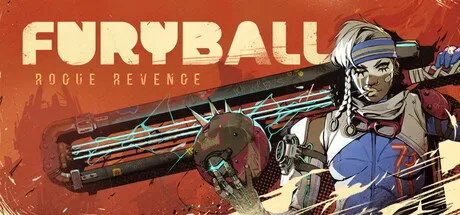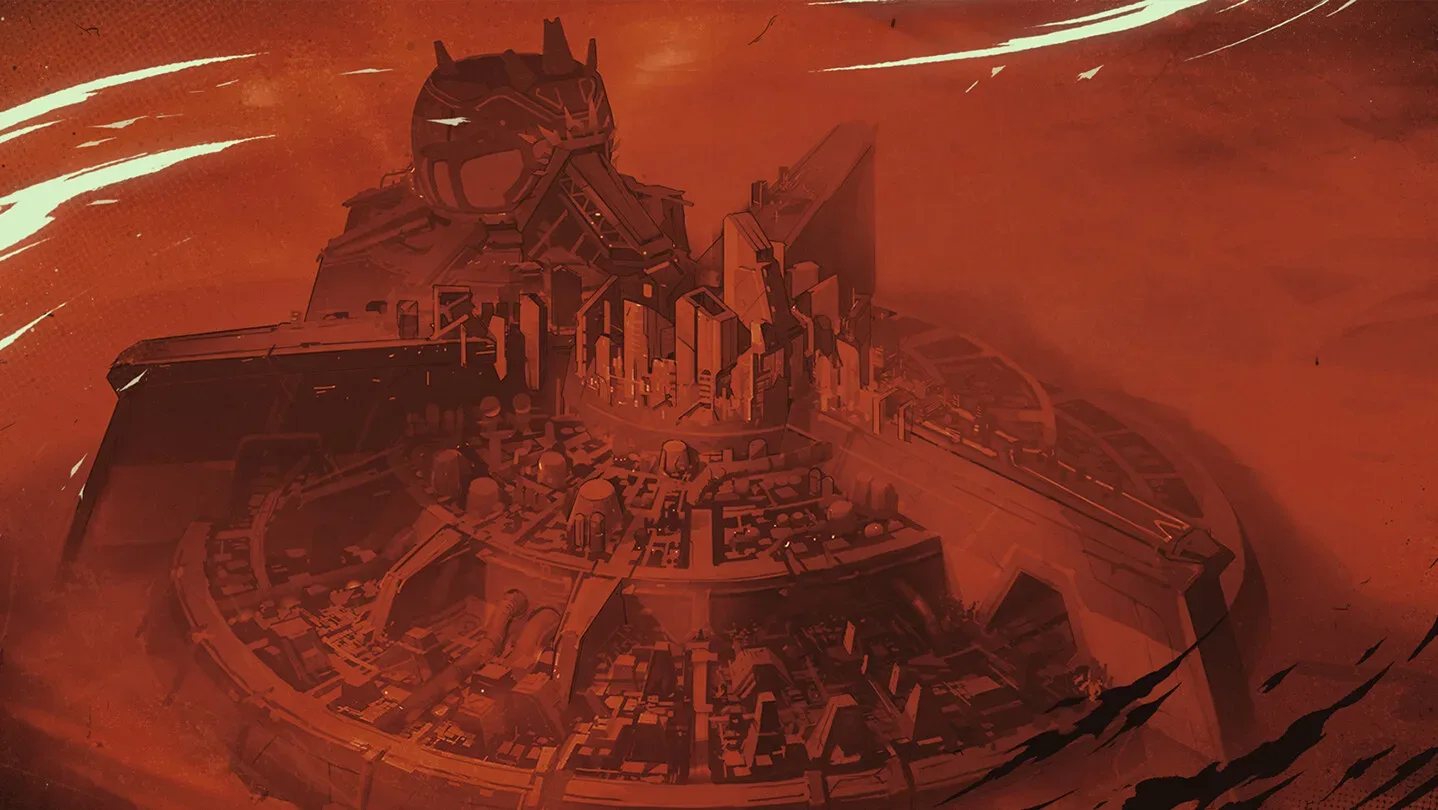
Furyball: Rogue Revenge is scheduled to enter Steam Early Access for PC on September 23 at 3 PM CEST, which corresponds to 9 AM ET and 6 AM PT. Developed by independent studio Rebound, the action roguelite puts players in control of Azami, whose route across the retro-futuristic city of Neo-Arcadia is built around one unusual combat tool: a bouncing bullet ball.
The Early Access release is planned as the foundation for a larger version 1.0 release. At launch, the game will contain two districts, their associated gangs, two weapons, two ball tunings, two handgears, more than 50 items, 10 skills and 24 challenges. Rebound says development updates will continue through 2027, adding another district, bosses, narrative quests and a mode called the Furydome before the 1.0 version and a console release.
The launch trailer, which features a new track from French Touch producer The Toxic Avenger, can be viewed on YouTube.
A roguelite built around a ricocheting weapon
Rebound describes Furyball: Rogue Revenge as a “Beat’em Ball,” a label intended to capture its mix of fast action and a ball-based offensive system. The stated premise is straightforward but deliberately offbeat: Azami has one night to make it across Neo-Arcadia, while every arena is framed as a hazardous pinball table.
That pinball-table comparison is the key piece of information for understanding the game’s identity. Rather than presenting a standard firearm, sword, or fixed combo system as the central weapon, Furyball makes the bouncing ball the focal point. The available details establish that it is a projectile that ricochets; they do not yet spell out the exact control scheme, the effects of the listed tunings and handgears, or how each weapon changes a run. Those are important details to keep separate from the confirmed Early Access feature list.
In broad terms, a roguelite is an action game structure based around repeatable runs and changing build choices. Such games commonly ask players to adapt to temporary tools, upgrades or items obtained during an attempt. Furyball’s announced inventory of items, skills, weapons, ball tunings and handgears indicates that build variety is a major part of its Early Access design. Exactly how persistent progression works, and what carries forward between runs, has not been detailed here.
The other part of the pitch is tone. Neo-Arcadia is described as a retro-futuristic citadel inspired by 1970s grindhouse cinema, while the game itself is positioned as fast, violent and irreverent. That gives the project a deliberately pulpy frame: a stylized city, hostile gangs, and arena spaces designed to punish bad positioning rather than merely contain a fight.
What will be available in Early Access
The September 23 build will begin with two districts and two opposing gangs:
- The Madbull Warriors, in a ballpark transformed into a bullring.
- The Iron Angels, in a golf course repurposed for war.
Those environments underline the game’s commitment to turning familiar sporting spaces into combat arenas. The announcement does not identify the specific bosses or enemy types attached to either group, but it does confirm that the two districts are the playable starting scope for Early Access.
Players will also have access to the following progression and customization components:
- 2 weapons
- 2 ball tunings
- 2 handgears
- More than 50 items
- 10 skills
- 24 challenges
The terminology matters because it suggests several layers of choice, but should not be read as a complete explanation of their functions. A ball tuning likely concerns the game’s signature projectile in some fashion, and handgear appears to be another distinct equipment category; however, the current information does not define their statistics, effects, unlock conditions or combinations. Likewise, the 24 challenges are confirmed as part of the package, but their objectives and rewards have not been specified.
For prospective players, the practical takeaway is that this is not being presented as a finished, full-scale campaign on day one. It is a smaller initial set of locations and systems intended to expand during development. That scope can appeal to players who want to see a focused action concept take shape, while people waiting for all promised regions, bosses and story content may prefer to watch the update roadmap first.
The path from Early Access to version 1.0
Rebound’s roadmap calls for updates through 2027. The planned additions are a third district, new bosses, narrative quests and the Furydome. The studio has linked those updates to the eventual 1.0 release and a console version.
The third district would increase the number of announced major areas from two to three. New bosses are also explicitly planned, although neither their number nor their place in the game’s progression has been confirmed. Narrative quests signal an intended expansion of the story surrounding Azami’s overnight journey through Neo-Arcadia, but no plot particulars beyond that central trip have been announced.
Furydome is named as a future feature, though its format has not been explained. It would be premature to label it an arena mode, endgame system, survival challenge or anything else until Rebound provides those details. The useful certainty is simply that it is part of the post-launch plan rather than the stated September 23 Early Access offering.
Early Access is not a guarantee that every roadmap item will arrive on a fixed timetable. It is a development model in which a game is sold before its full planned version is complete, then updated over time. Rebound has stated that players will help make the game bigger, which establishes an intention to develop the project alongside its community. The announcement does not provide a detailed patch calendar, so players should treat the broad 2027 window as a development target rather than a list of dated content drops.
Price, introductory discount and what to consider
Furyball: Rogue Revenge will launch at €9.89 / $9.89 for its first two weeks, reduced from a stated €14.99 / $14.99 regular price. Other listed regular regional prices are £13.99, C$19.99, CNY 69, KRW 19,000 and JPY 1,990. Rebound has said the price will increase before version 1.0.
That two-week launch price is one of the clearest practical decisions facing interested players. Buying during the introductory period means paying the announced discounted figure for the currently available Early Access scope. Waiting can make sense for those who want firmer detail on systems, content cadence, the third district, bosses, quests or the Furydome, but the studio has already indicated that the price will rise before the complete release.
Prospective buyers should also distinguish between the launch platform and the broader release plan. The September 23 debut is on PC through Steam. A console release is planned alongside the move to 1.0, but no platforms or release date have been specified.
A crowded roguelite field, with a clear mechanical hook
Action roguelites often make their case through a familiar loop: enter a run, gain temporary power, confront tougher encounters and start again with a different approach. Furyball’s announced hook is that its combat is not merely decorated with pinball imagery; the ricocheting ball is the player’s only stated weapon, and the arenas themselves are presented as pinball tables built to inflict damage.
That distinction could matter. A visual theme alone does not change how an action game feels, but a projectile that bounces through an arena can make angle, timing and the layout of a space central to every encounter. The announced concept suggests that environmental danger is meant to be part of the combat equation. Still, the exact degree of precision, control and difficulty involved cannot be established until the Early Access build is in players’ hands.
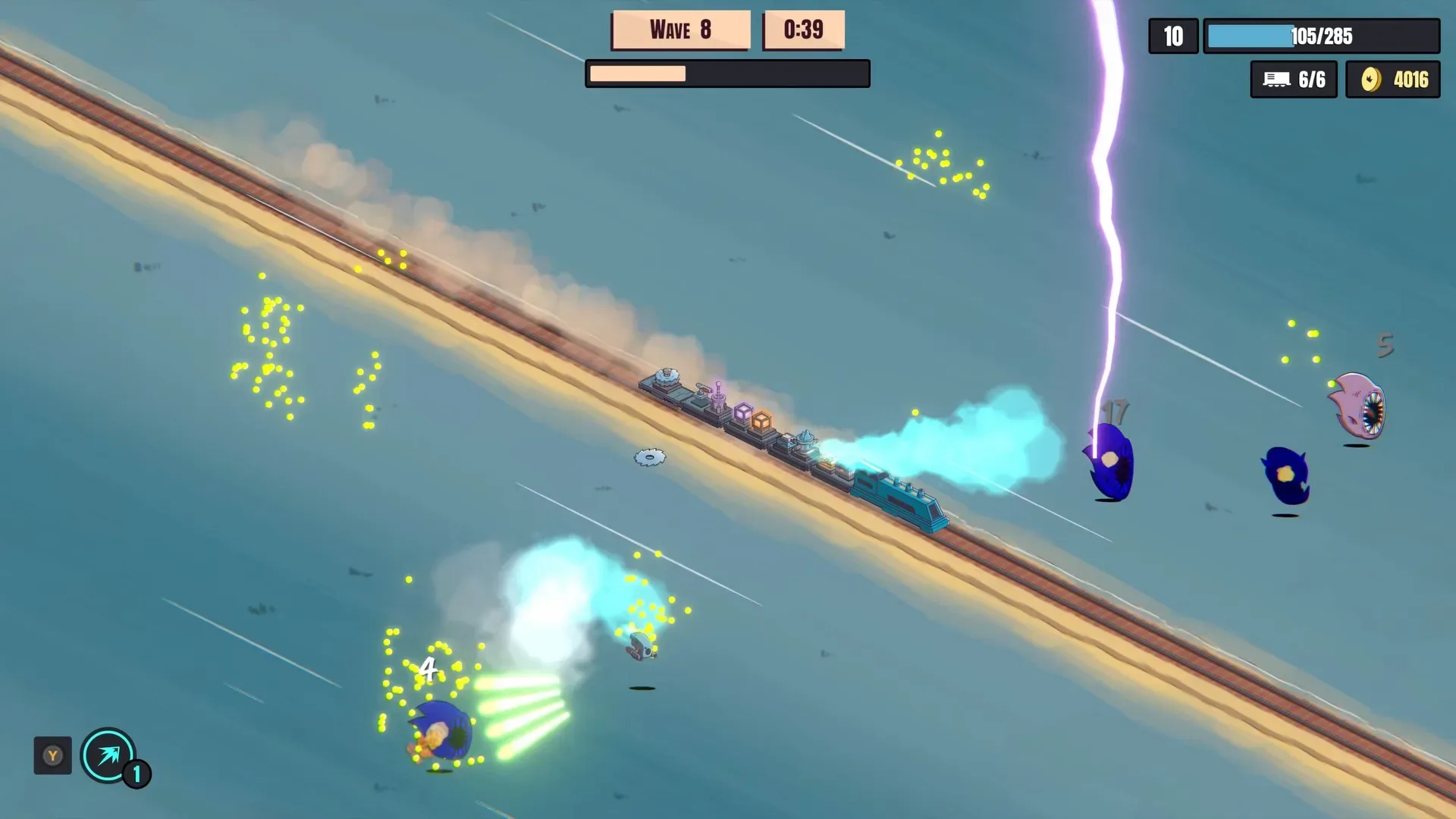
Furyball also arrives amid a busy period for PC roguelites. Players looking for another run-based release can compare its premise with the drone-guarded train runs planned in Endless Rails, though the two games have distinctly different stated settings and action hooks.
For now, Furyball: Rogue Revenge’s promise rests on a compact but unusual opening package: two hostile districts, a large set of announced items relative to that initial area count, and a combat identity shaped by a weapon that must keep moving. Its September 23 Steam Early Access launch will show whether that pinball-inspired idea can support the repeatable variety that a roguelite needs, while Rebound works toward the larger 1.0 plan.