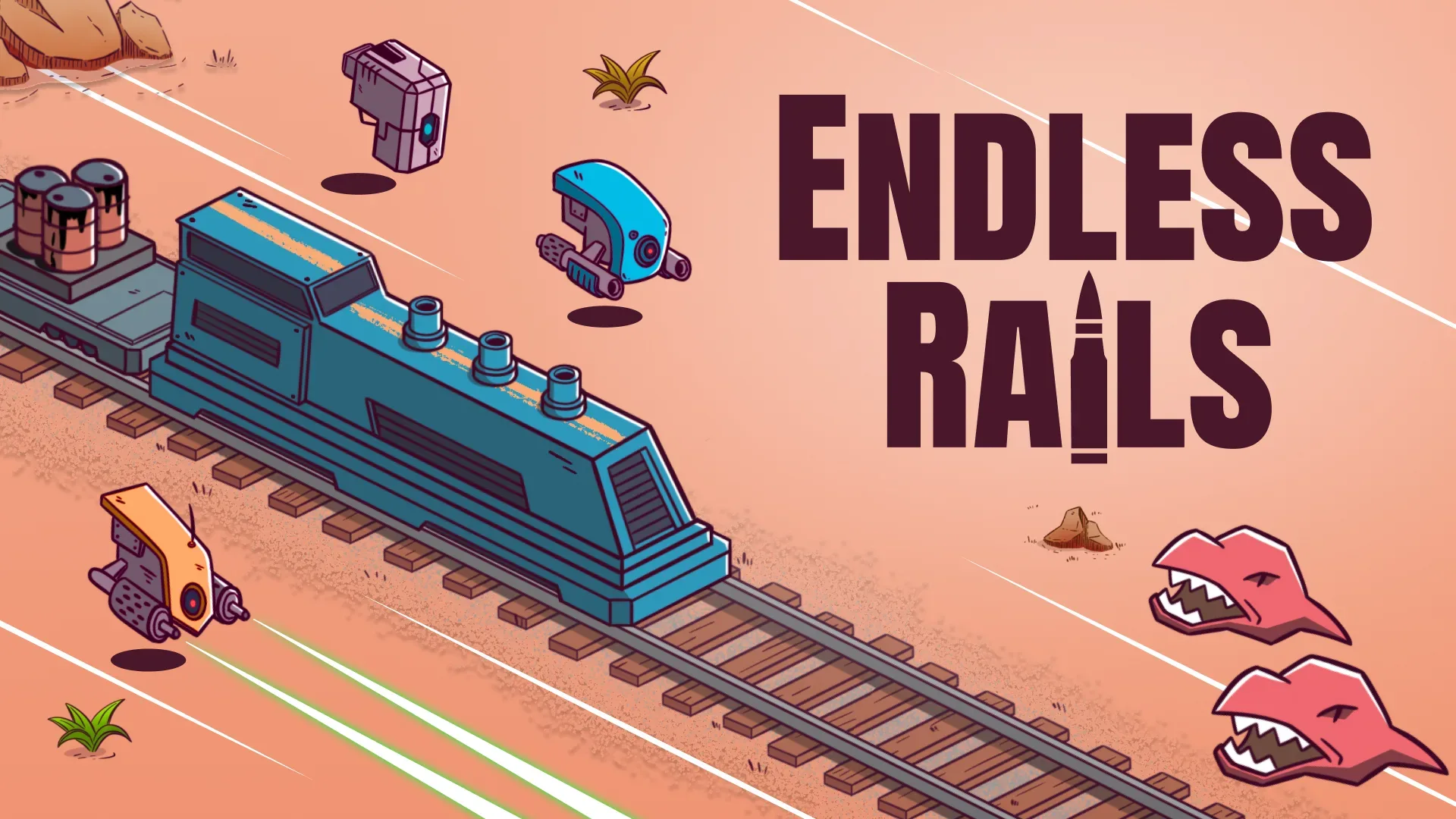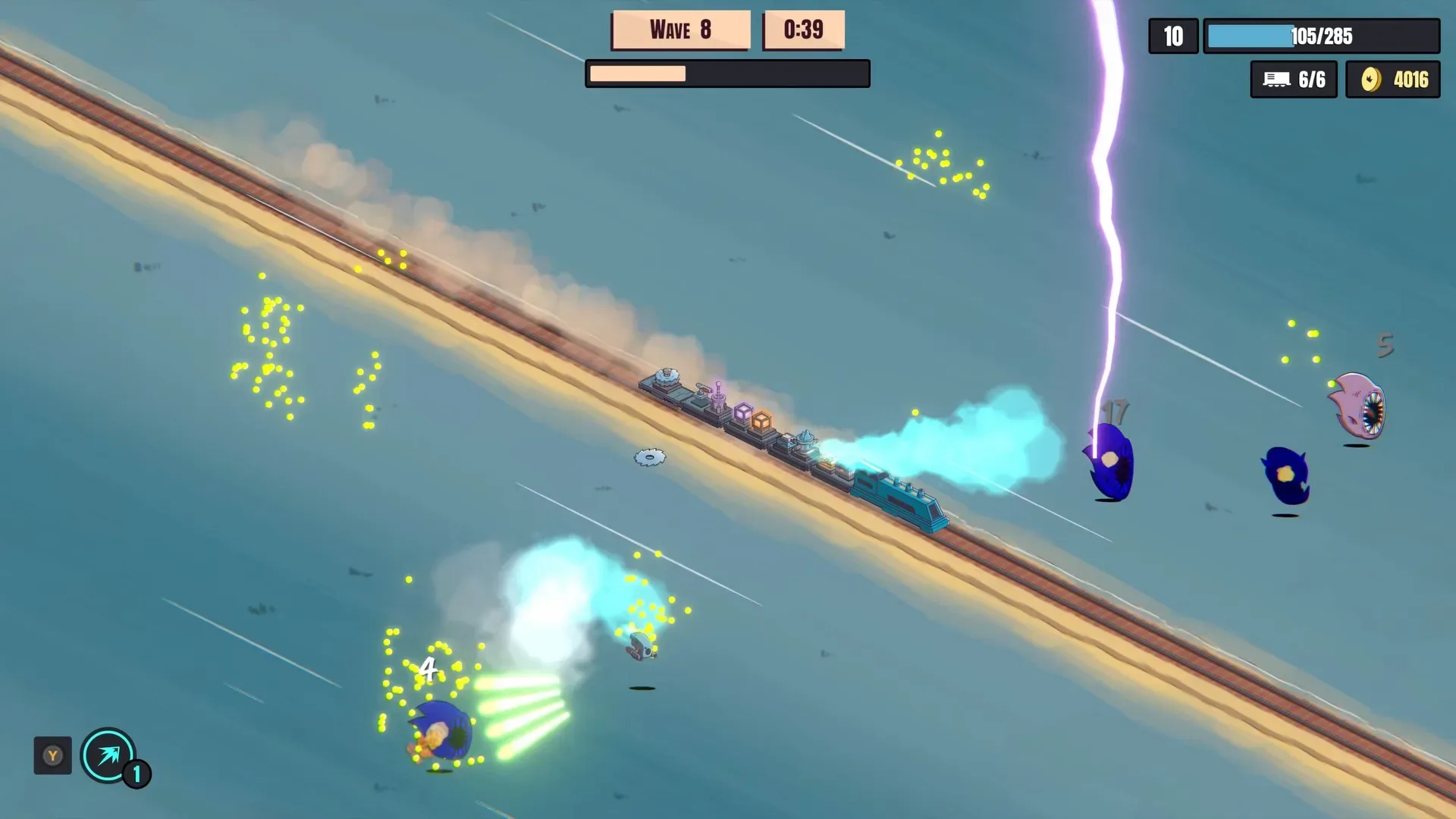
Endless Rails, an isometric bullet-heaven roguelite from Studio Monoblok, is scheduled to launch on Steam on September 29, 2026. The game puts players in command of a train crossing a hostile wasteland, with a circulating fleet of auto-firing drones serving as its moving defence.
The standard edition is set at $6.99 / £6.29 / €6.99. It will receive a 30% launch discount for its first two weeks on sale. A Supporter Edition, containing the game, its official soundtrack, and a digital art book, will also be available at launch for $9.99 / £8.89 / €9.99, with that edition receiving the same two-week discount.
The premise has the wonderfully sensible logic of a wasteland rail service: the train does not stop being in danger simply because the passengers have not complained yet. Players will need to turn a vulnerable locomotive into an increasingly capable convoy, making choices at stations between brief, high-pressure stretches of combat.
A train build is the heart of Endless Rails
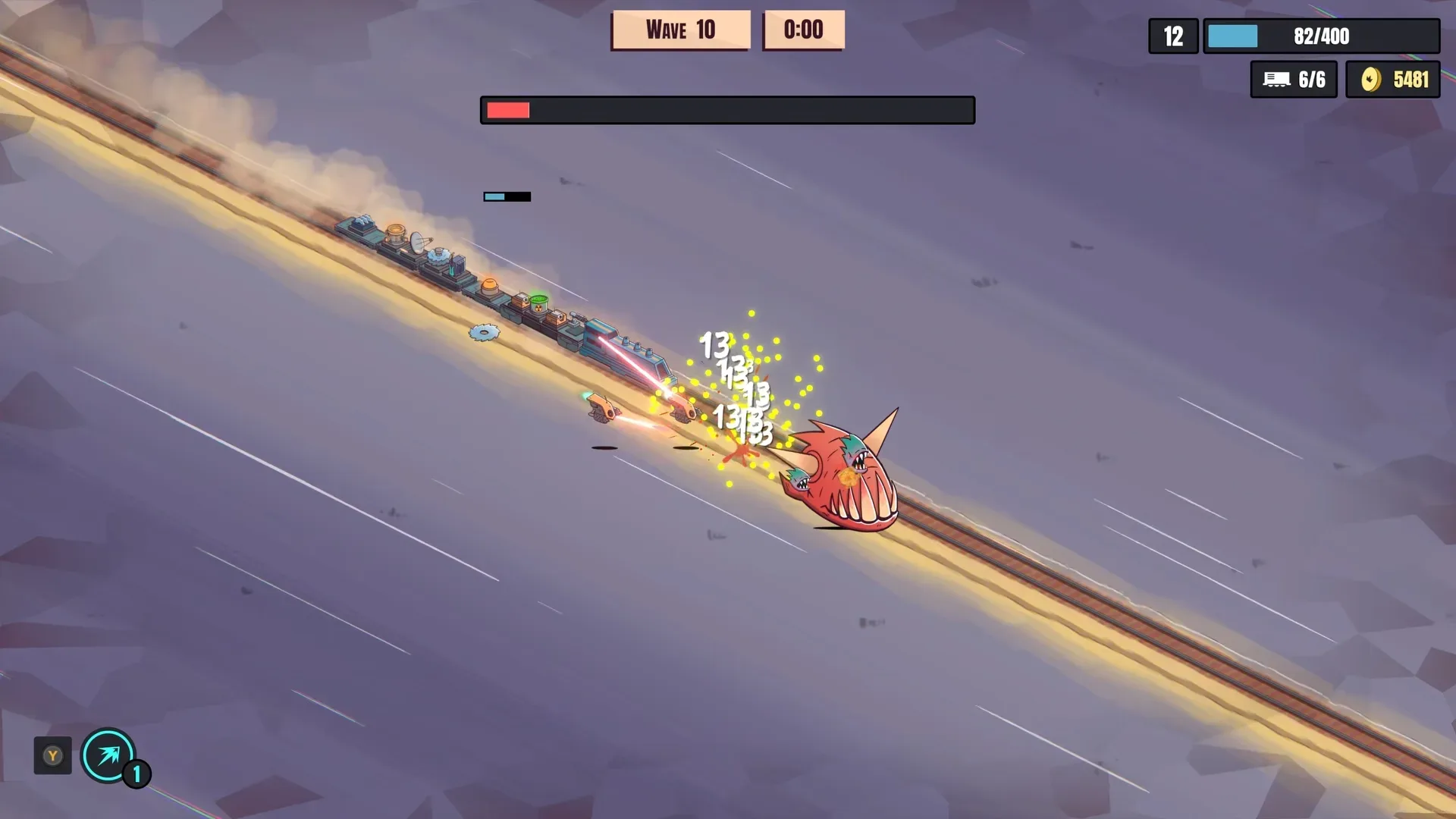
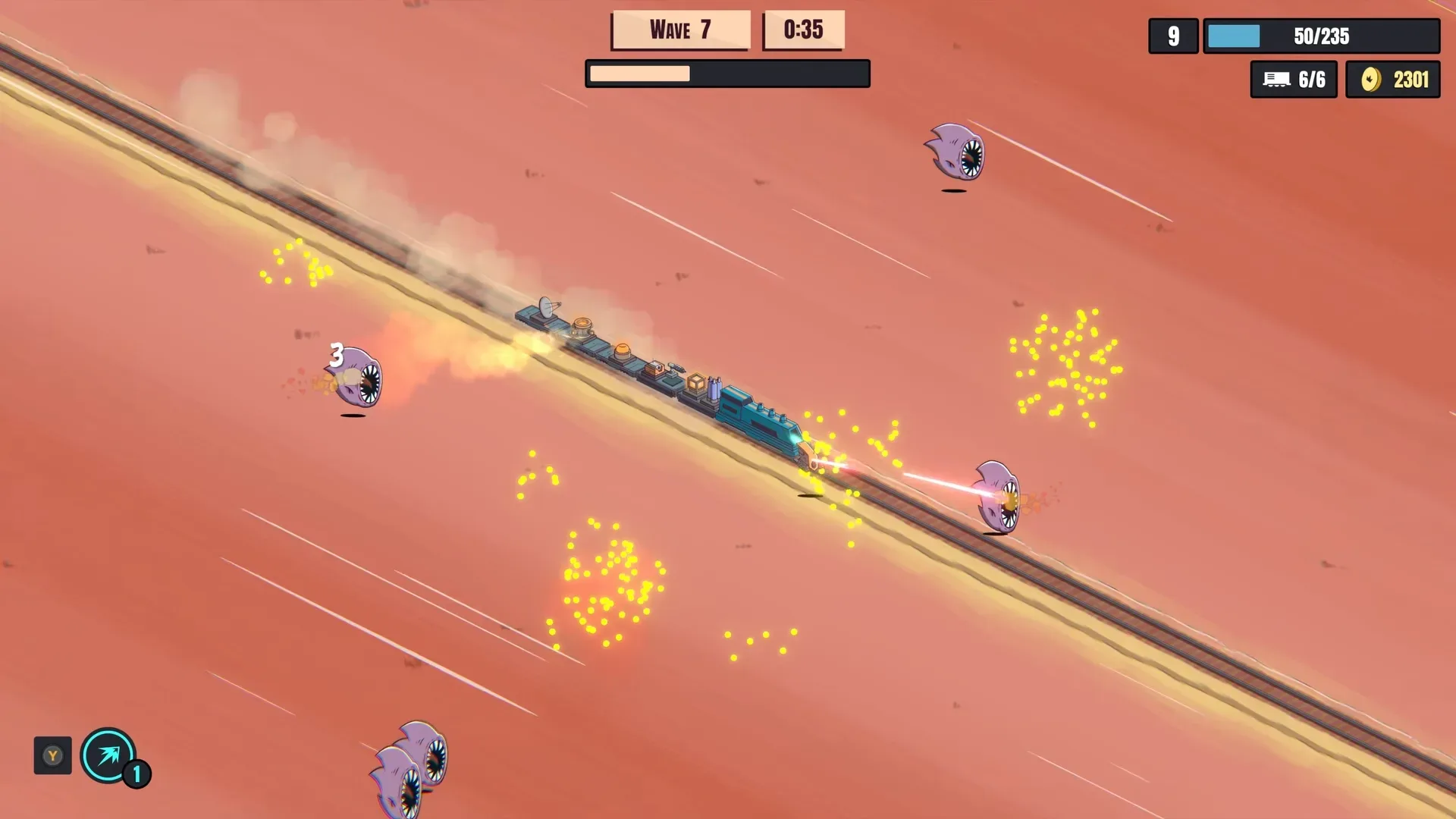
Endless Rails divides its play loop between short rides and station management. Each ride is intended to last roughly 20 to 30 seconds, placing the emphasis on rapidly surviving enemy pressure rather than undertaking one uninterrupted, marathon-length journey.
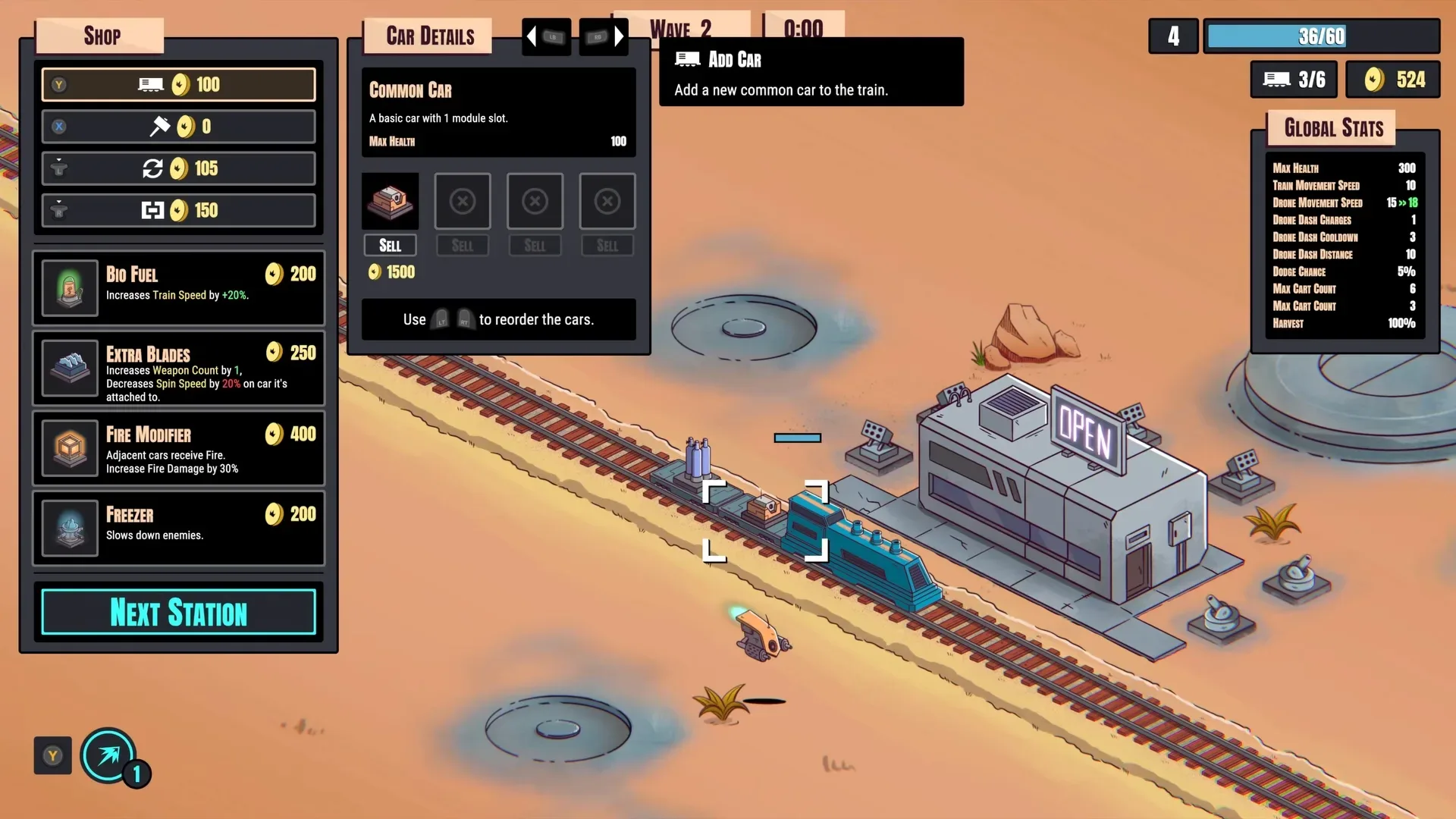
Between those rides, stations provide an opportunity to spend coins on additions and improvements. Available investments include new train cars, weapons, additional drone slots, and buffs. That makes the train itself more than scenery or a health bar on rails: it is the central build players shape from stop to stop.
Cars can be repositioned within the convoy, while matching or otherwise compatible cars can be merged to make them stronger. Merging also opens extra module slots. In practical terms, this means a decision can involve more than choosing the next item from a shop. Players will be considering whether a car is more useful where it is, whether combining it creates a stronger unit, and what can be placed into the newly available capacity afterwards.
That structure should give the game’s compact individual rides a strategic layer. The shooting may be automated, but the configuration leading into each encounter is not. A useful build will presumably be one that balances the train’s available weaponry, drone capacity, buffs, car placement, and modules against the immediate needs of a run.
What “bullet-heaven” means here
Bullet heaven is commonly used for action games where the player faces dense waves of opponents and attacks are largely automatic or triggered with limited direct aiming. The challenge tends to come from movement, survival, positioning, and selecting upgrades that turn a modest setup into a screen-clearing engine.
Related coverage includes Endless Rails Sets September 29, 2026 Steam Launch With Introductory Discount.
Endless Rails adapts that broad idea to its train-and-drone setup. Its drones orbit and defend the train while firing automatically, so the game’s stated focus is not twitchy weapon aiming. Instead, the important decisions occur in how the defensive fleet and the convoy supporting it are assembled. Unlockable drone types and weapons add further routes for changing that setup over time.
The isometric viewpoint is also worth spelling out. An isometric presentation shows the world from an elevated angle, letting players see a broader slice of the action around the train than a side-on or first-person view would. For a game about threats approaching a moving convoy from multiple directions, that perspective is a natural fit for tracking the battlefield around the cars.
Short runs, repeatable progression
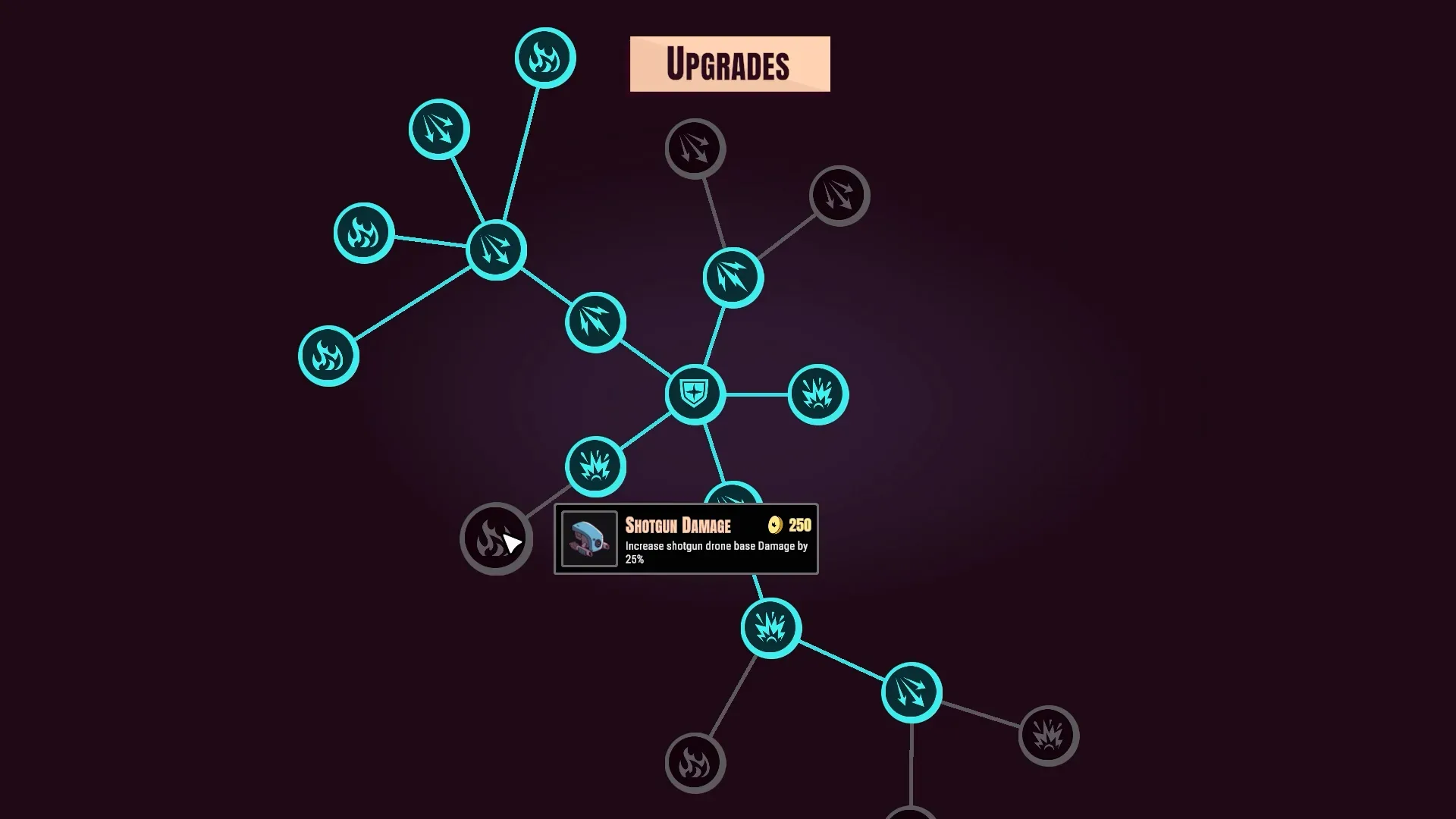
The game is also a roguelite. In this case, that means it combines repeatable runs with progress that persists between attempts. Endless Rails has a permanent upgrade tree, so subsequent runs begin with some additional strength rather than resetting every aspect of progress to zero.
This distinction matters for players deciding what kind of repeatable action game it is. The immediate station-to-station build is temporary and shaped by the coins earned and spent during a particular attempt. The permanent upgrade tree sits outside that moment-to-moment loop, creating longer-term advancement across multiple runs.
With rides lasting only 20–30 seconds, the format is designed for quick sessions. That does not necessarily mean every full attempt is tiny, but it does mean the game is built around frequent decision points and frequent bursts of combat. A station arrives, a purchase or merge changes the convoy, and the next brief ride tests whether that decision made the train sturdier or merely more decorative.
For players who enjoy incremental improvement, this creates two connected forms of growth: the in-run growth of a specific train and the account-level growth supplied by the upgrade tree. The first is about adapting a current convoy; the second gives future attempts a stronger starting foundation.
Why merging and ordering could matter
The ability to reorder cars and merge them distinguishes Endless Rails’ progression from a straightforward sequence of passive upgrade picks. The available facts do not define every interaction between car positions and combat, so it would be premature to claim exactly how placement affects outcomes. Still, allowing both reordering and merging clearly makes the convoy’s layout an intentional part of the game’s decision-making.
At a minimum, players are being given a choice between maintaining a wider collection of cars and consolidating strength into upgraded cars with more module slots. More slots suggest further room for customization, while reordering means the player is not permanently locked into the order in which additions were acquired.
That flexibility may be particularly welcome in a run-based game. A purchase that seemed sensible at one station may fit a different arrangement after later cars, buffs, weapons, or drone slots enter the picture. Letting players revise the convoy offers a way to respond to an evolving build instead of simply accepting every early choice as fixed rail infrastructure.
Launch editions and soundtrack extras
Those interested only in the game can choose the base edition. The Supporter Edition adds two explicitly named digital extras: the official soundtrack and a digital art book. Both editions receive the same 30% launch reduction during the first two weeks, so the choice is about whether those extras have value to the buyer rather than access to a different gameplay package.
A sample from the soundtrack can be heard in the game’s official trailer. The listing of an art book and soundtrack is also separate from the game’s stated unlockable drones and weapons; those unlocks belong to the game’s progression and gameplay systems, while the Supporter Edition’s additions are digital bonus material.
Endless Rails joins a growing group of PC games built around fast runs and persistent improvement, though its train-management angle gives the core loop a clear identity. Readers looking for another Steam title focused on fast growth and evolving combat setups can also see Stupid Never Dies’ detailed approach to growth and hub upgrades.
For Endless Rails, the central question at launch will be how much strategic variety its cars, modules, weapons, buffs, and drone types can create across those rapid rides. The announced systems point toward a game where the firing handles itself, but building a train that can keep firing—and survive long enough to reach the next station—is the real job.