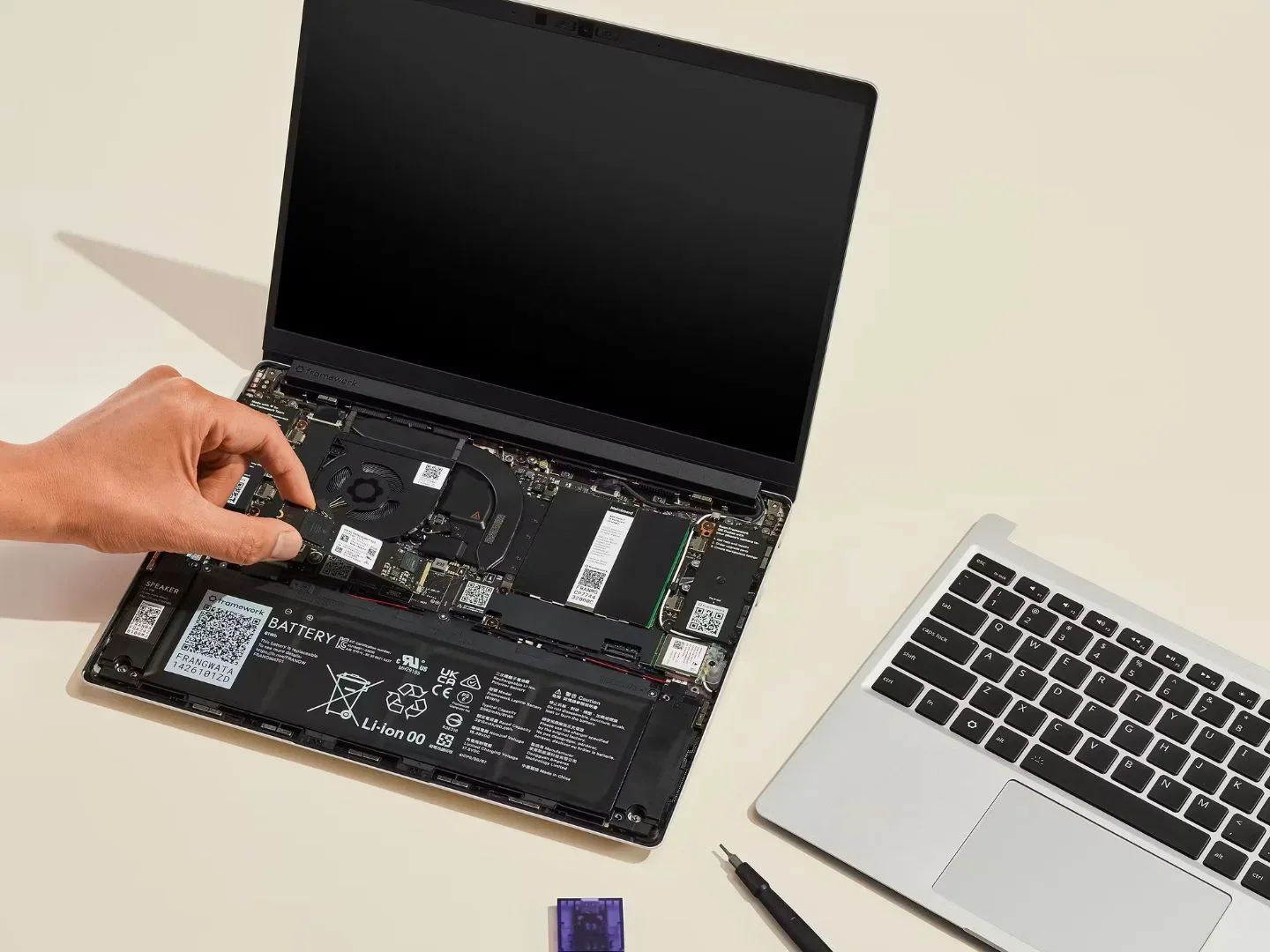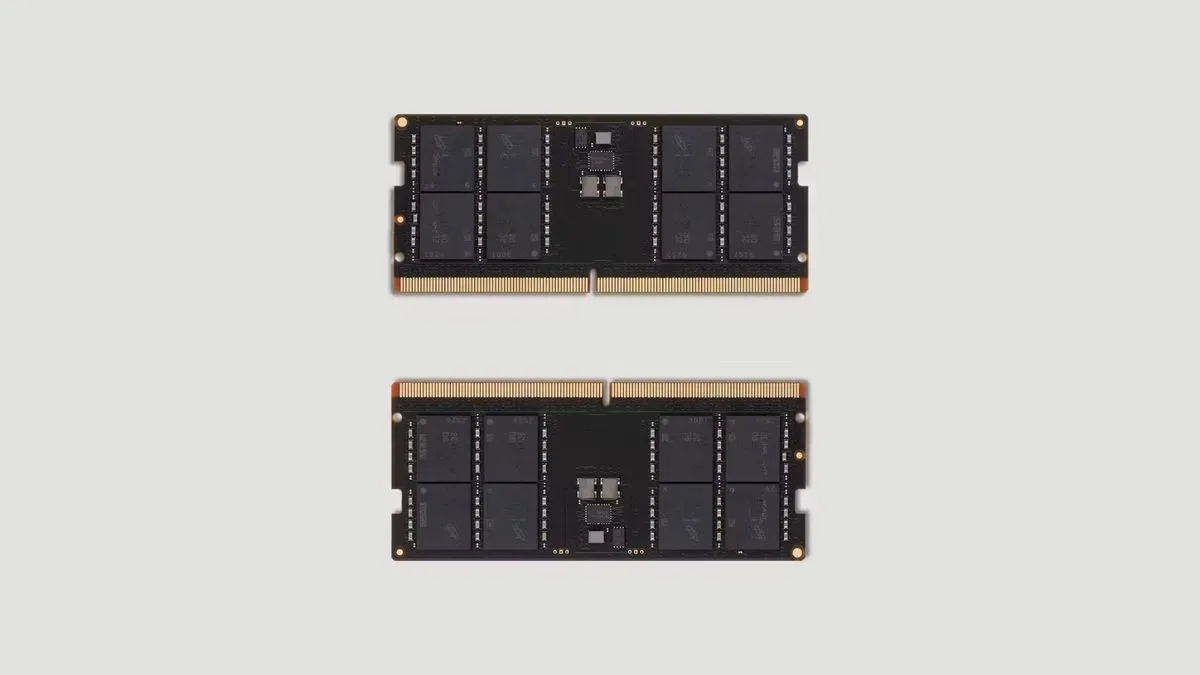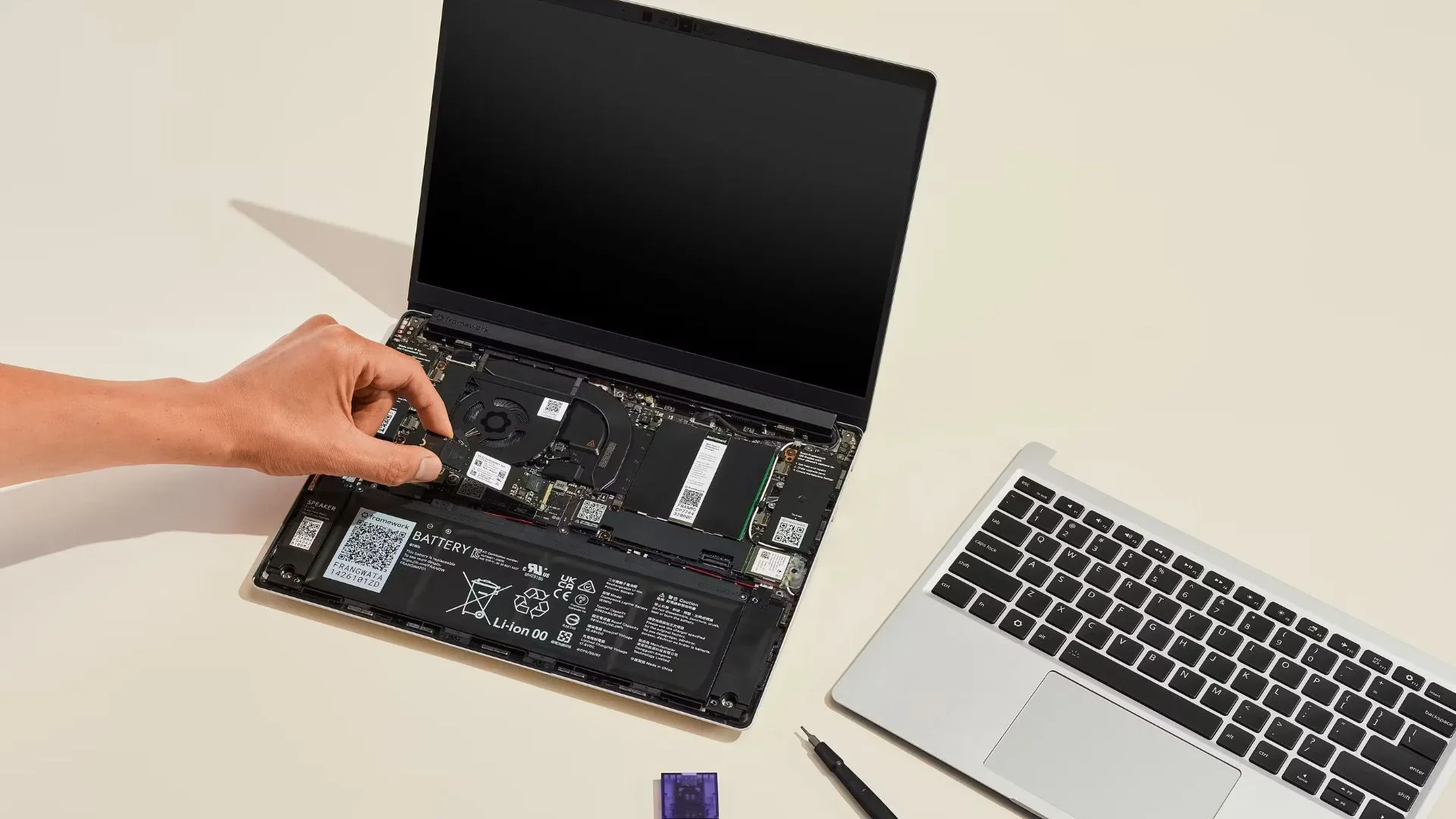
In an era when PC component pricing can feel like a boss battle designed to drain every last coin, Framework is taking an unusually buyer-friendly route with a newly secured supply of laptop memory. The company says it has obtained a limited quantity of Micron 32GB and 64GB LPCAMM2 modules at a lower cost and will use that improved supply position to reduce prices on eligible Framework Laptop 13 Pro configurations.
The notable wrinkle is that the change is not reserved solely for people placing a new order. Framework says it is applying the lower pricing across both a selection of pending pre-orders and certain orders that have already shipped. For affected customers whose laptops have shipped, the company plans to automatically refund the difference. Customers with qualifying orders that remain pending should see their order price adjusted automatically instead.
That distinction matters. Hardware buyers are accustomed to watching a product become cheaper just after they commit, then being told the price they paid is simply the price they paid. A retroactive adjustment does not erase the broader cost pressures affecting PCs, but it does recognize the awkward timing involved in buying configurable hardware while supply costs are moving around beneath the checkout page.
What Framework says is changing
The updates concern LPCAMM2 memory availability and Intel Core Ultra X9 processor options for the Framework Laptop 13 Pro. The immediate driver is the limited supply of Micron LPCAMM2 modules in 32GB and 64GB capacities that Framework obtained for less than its prior supplier cost.
Earlier in July, component cost increases had pushed Framework to alter memory configurations and pricing. The new supply does not return costs to the original pre-order launch baseline. Framework is clear that the new costs are still above that earlier starting point. They are, however, lower than the costs behind the most recent pricing for new pre-orders, allowing the company to pull some of that increase back.
In practical terms, the eligible outcomes break down like this:
- Already shipped eligible orders: Framework says it will automatically issue a refund matching the relevant price reduction.
- Eligible pending pre-orders: The purchase price will be adjusted automatically.
- Pending buyers considering a memory change: Framework says they can modify the amount of RAM in their laptop, potentially using the revised pricing to choose a higher-capacity configuration.
There is an important word repeated throughout this situation: limited. The cheaper Micron inventory is not described as an open-ended supply arrangement, and the reductions apply to a subset of pending pre-orders rather than every outstanding order. Anyone with an order in progress should look for the specific adjustment information tied to their configuration instead of assuming every Laptop 13 Pro purchase receives the same result.
Why memory pricing has such an outsized effect
RAM is one of those computer parts that can seem invisible until it becomes the bottleneck. It is not as glamorous as a graphics processor and does not arrive with the immediate, obvious cachet of a faster CPU. Yet memory capacity has a direct effect on how comfortably a modern computer can juggle an operating system, browser tabs, creative applications, communication tools and games.
Related coverage includes Framework Cuts Laptop Memory Prices and Will Refund Recent Buyers.
For gaming use, a system with more memory has room to breathe when a game is competing with launchers, voice chat, a browser, capture software and background utilities. The right capacity is not a universal number, since workloads and games differ, but the 32GB and 64GB modules in this update are squarely in the territory buyers may consider when they want their laptop to handle demanding multitasking without treating every extra open app like an unwanted random encounter.
LPCAMM2 is also relevant because it is a laptop memory format rather than a simple footnote on a spec sheet. Laptop designs have long faced a tension between thin hardware and parts that owners can replace or upgrade. Framework’s broader approach has made modularity and repairability central ideas, so availability and pricing of a memory format used in its configurations can have a meaningful impact on the value proposition buyers see at checkout.
Memory supply conditions are not occurring in isolation, either. The wider technology sector has been dealing with RAM shortages and volatile component costs. Those pressures can ripple from suppliers to device builders and then to shoppers, especially on laptops where a configured machine combines multiple tightly planned components. The fact that a lower-cost batch has become available does not mean the underlying market problem has disappeared. It means one manufacturer found a limited opening and decided to share the benefit.
A small policy choice with a large consumer signal
The actual dollar reductions have not been specified here, so it would be premature to frame this as a blanket price collapse or a permanent reset for high-memory laptop configurations. The more meaningful story is the policy: lower input costs led not only to lower new-order pricing, but also to refunds and adjustments for some people who were already in the purchasing pipeline.
Companies often make the opposite calculation. A customer who has received a product has completed the transaction; a customer awaiting shipment has already accepted a price. There may be operational reasons for that approach, particularly in fast-changing supply markets, but it is not the only possible response. Framework’s move suggests that the price adjustment is being treated as part of the customer relationship, not merely as an incentive for the next wave of buyers.
It is also a useful reminder that “component shortage” should not become an all-purpose phrase that only travels in one direction. When costs rise, manufacturers may need to raise prices, reduce configurations or alter purchasing plans. When costs fall, buyers naturally notice whether that relief is reflected in the final product price. Passing savings along does not eliminate the company’s own costs or risks, but it makes the connection between supplier pricing and retail pricing more visible.
Framework is not alone in drawing attention for a consumer-focused response to volatile hardware economics. Arctic recently made comparable commitments involving customer refunds after tariff-related developments in the United States. These cases do not establish a guaranteed new industry norm, especially while hardware supply remains unsettled, but they offer a contrast to the familiar experience of prices going up quickly and coming down cautiously.
What pending Framework buyers should keep in mind
For people with a Framework Laptop 13 Pro pre-order, the central point is that a pending order may offer more flexibility than a shipped one. Framework says eligible pending orders receive an automatic price adjustment, while buyers may also have the option to change their memory selection. Someone who originally chose a lower capacity to control the total may now want to investigate whether a 32GB or 64GB option fits their revised budget.
That is a personal purchasing decision rather than an automatic recommendation. More RAM can be useful, but buyers should consider their applications, the lifespan they expect from the laptop and their available budget. The key benefit is choice: a lower memory price can alter the calculation before a system is finalized.
Customers whose machines have shipped have a simpler path if their order is covered. Framework says the difference will be refunded automatically, meaning affected buyers should not need to reconfigure a finished purchase or begin a return process solely because the price changed. As always with a limited-supply adjustment, it is sensible to consult the order details and the company’s stated eligibility information for the exact configuration involved.
Memory constraints reach beyond modern laptops
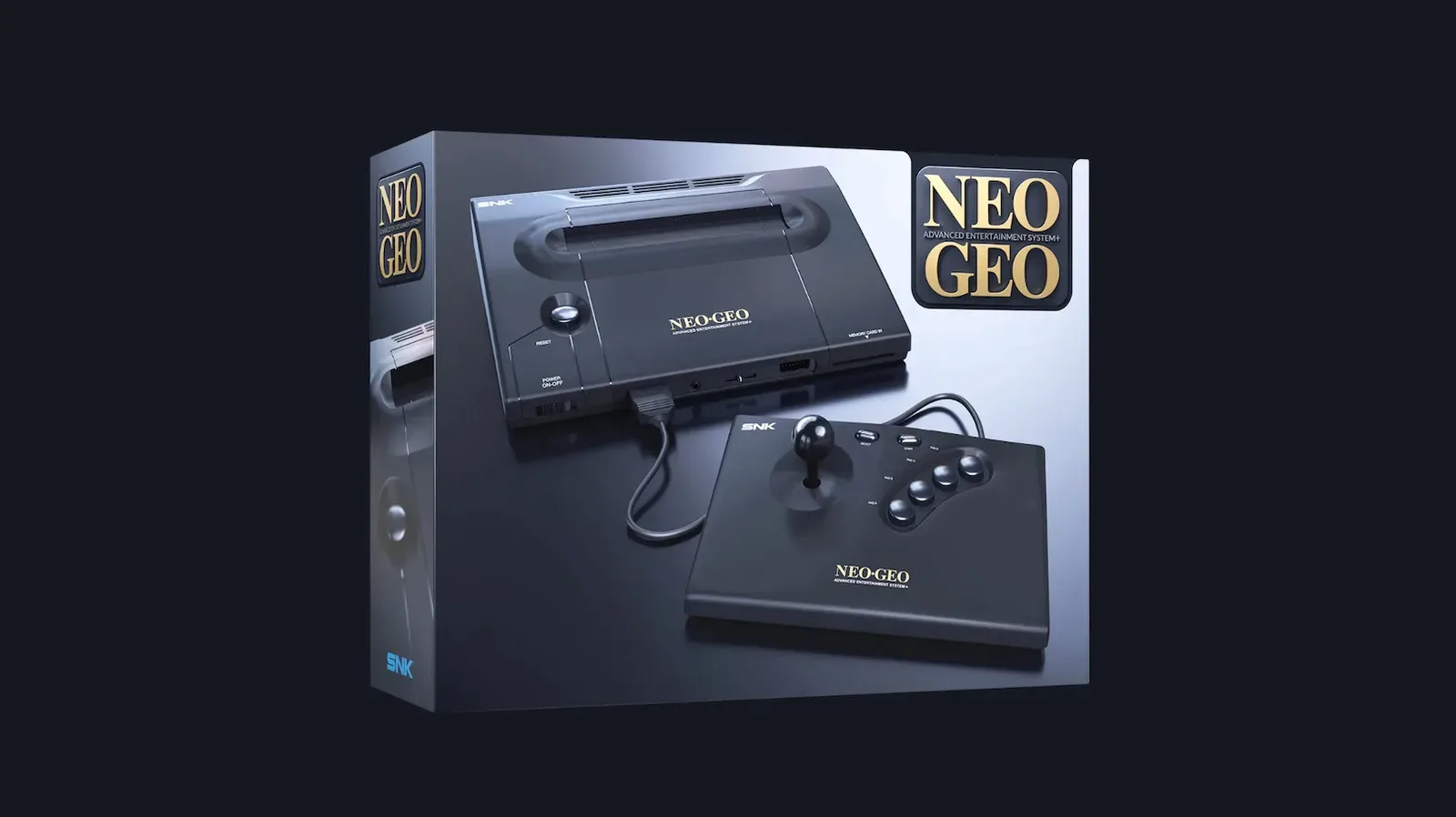
The pressure around memory availability is not limited to sleek portable PCs. It can affect ambitious projects across the game hardware landscape, including efforts aimed at enthusiast and retro audiences. The recently reported delay of the Neo Geo AES+ is another illustration of how memory supply constraints can influence a product roadmap far away from the conventional laptop aisle. Neo Geo AES+ memory-related delay coverage underscores the point: a constrained component market has consequences for both new PCs and specialized gaming machines.
For now, Framework’s update is a focused, finite piece of good news rather than a promise that every PC part is about to become inexpensive. The company has identified a cheaper batch of 32GB and 64GB Micron LPCAMM2 memory, reduced eligible Laptop 13 Pro pricing, and extended part of that relief to customers who already bought in. In a market where the cost of a build can change before a preorder becomes a delivery, that is a welcome bit of transparency—and a rare case where the post-purchase patch includes a refund.