For players building the perfect flight loadout—AirPods for the cabin soundtrack, a phone for boarding details, a laptop for work and perhaps a Steam Deck for the hours between gates—there is one packing rule worth treating as more than airport folklore: battery-powered electronics belong in carry-on baggage.
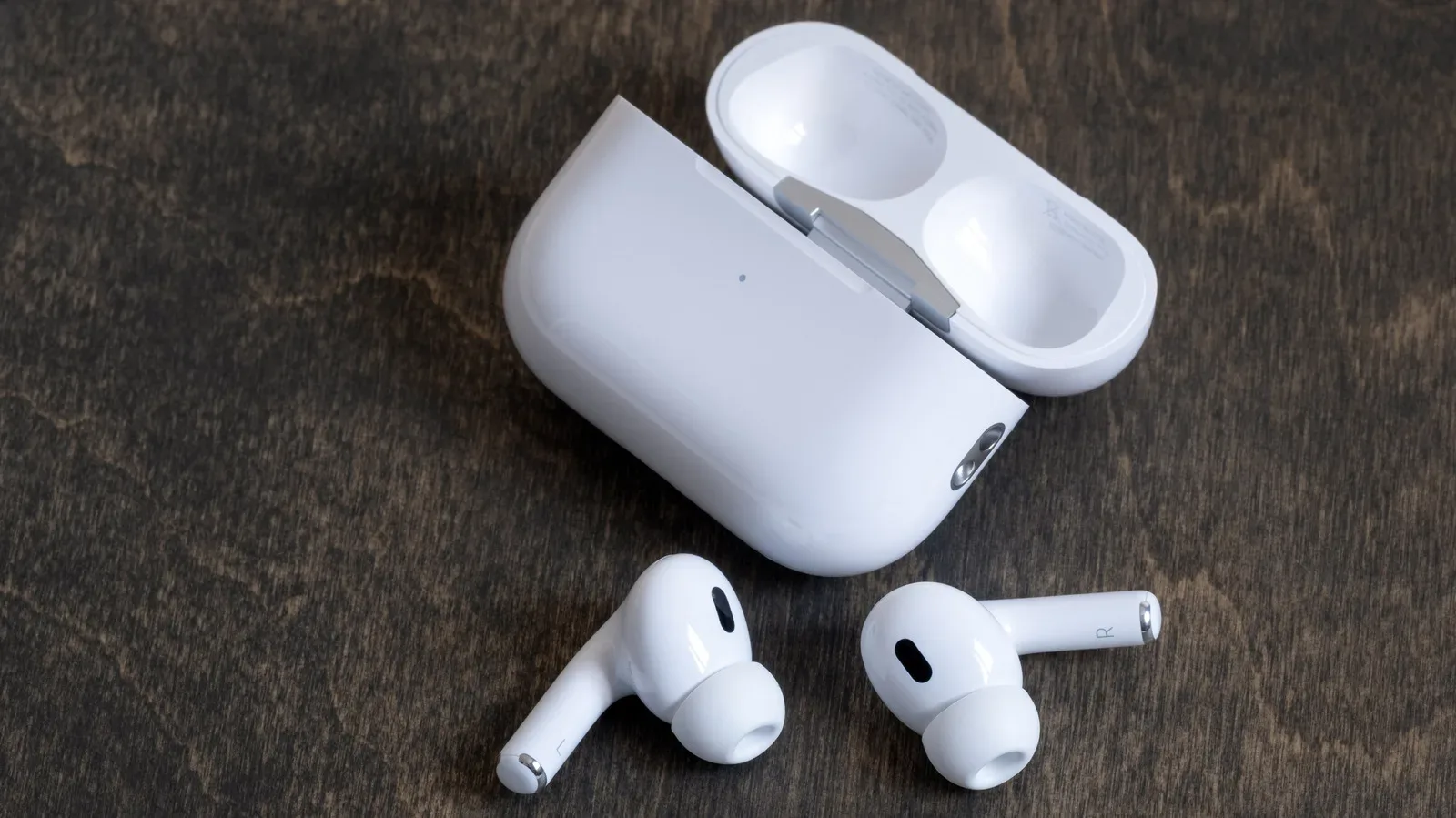
The point of confusion with AirPods is that the earbuds are not really the issue on their own. It is the charging case. That small case contains a lithium-ion battery, putting it in the same broad safety conversation as power banks and many other rechargeable devices. Under U.S. guidance described by the Transportation Security Administration and Federal Aviation Administration, lithium-ion batteries, including portable rechargers and power banks, are not for checked luggage. The practical answer is simple: put AirPods and their case in your carry-on.
That advice scales neatly to gaming travel. A Steam Deck, laptop, tablet, controller with an internal battery, charging brick that functions as a power bank, and spare rechargeable accessories all deserve a quick bag check before heading to the airport. If it has a rechargeable battery, carrying it into the cabin is the low-drama option.
The small AirPods case is the important part
AirPods are easy to overlook because the charging case is small, familiar and usually tucked into a pocket or the corner of a backpack. But airline battery restrictions are based on the energy storage component, not on whether the device feels harmless or expensive. A charging case is a battery-containing accessory. Its compact size does not turn it into an exception.
The same reasoning applies when a device does not use a separate case. Larger headphones with internal batteries, such as over-ear wireless models, still contain the component that matters for packing. Removing the case from the equation does not necessarily make checked baggage appropriate.
It is also worth separating two questions that are often mashed together at security: Can I bring this on the trip? and Where should I pack it? AirPods can be useful on a flight for podcasts, films, music and noise cancellation. The issue is not that they are prohibited from travel. It is that putting the battery-equipped equipment in the cargo hold creates the concern.
Why lithium-ion batteries get special treatment
The safety term behind these restrictions is thermal runaway. In plain language, this is a failure situation in which a lithium-ion battery overheats and can ignite. The risk can be associated with overheating, physical damage or exposure to water. It is not a claim that every device is likely to fail—quite the opposite, for a normal, undamaged consumer device the likelihood may be low—but aviation rules are designed around the consequences of the rare bad outcome.
A fire involving a battery is especially troublesome because it can be difficult to stop permanently. A halon extinguisher may knock down visible flames, but it may not cool battery cells enough to prevent a fire from starting again. Water may be needed to cool the cells. That is a much more manageable problem when the affected item is accessible in the passenger cabin than when it is inside checked baggage in the cargo hold.
That accessibility is the central distinction. A carry-on bag is not magically fireproof, and passengers should not attempt to improvise a response to a device emergency. But cabin crews have a chance to identify, isolate and address an incident. A loose battery-related problem deep in checked luggage is harder to reach. The rule is therefore precautionary rather than a judgment on whether an individual AirPods case, handheld console or laptop is poorly made.
A gamer’s packing audit before leaving for the airport
Gaming gear can multiply quickly on a trip. A traveler might begin with a handheld PC, then add Bluetooth earbuds, a phone, a laptop, a portable charger, a wireless mouse, a controller and cables. The cables are easy. The battery-containing products are the items to locate before choosing which bag each one enters.
- Carry-on: AirPods and charging case, power banks, laptop, tablet, e-reader, phone and portable gaming hardware such as a Steam Deck.
- Check closely: Controllers, headphones and other accessories that may have built-in rechargeable batteries.
- Reduce if possible: Duplicate devices and accessories that are not essential for the trip.
- Do not forget gifts: A battery-powered item does not stop being subject to the same packing logic because it is unopened or intended for somebody else.
This is less about turning a trip into a gear-free endurance challenge than about avoiding a preventable repacking session at the counter. If the flight plan already includes a laptop and phone, consider whether an additional tablet and handheld are truly needed. Fewer electronics means less to charge, less to screen and fewer chances to leave a crucial cable in a hotel room.
The calculation will differ by traveler. A long flight may make a handheld game system genuinely useful, especially for players who plan to spend the journey in an RPG or a backlog-clearing session. In that case, the answer is not to abandon the device; it is to keep it with the other battery gear in the carry-on. Travelers considering cross-region gaming plans may also be following developments such as temporary Final Fantasy 14 travel between North America and Europe, but real-world travel still starts with getting the hardware through screening and onto the plane correctly.
Screening is a separate source of friction
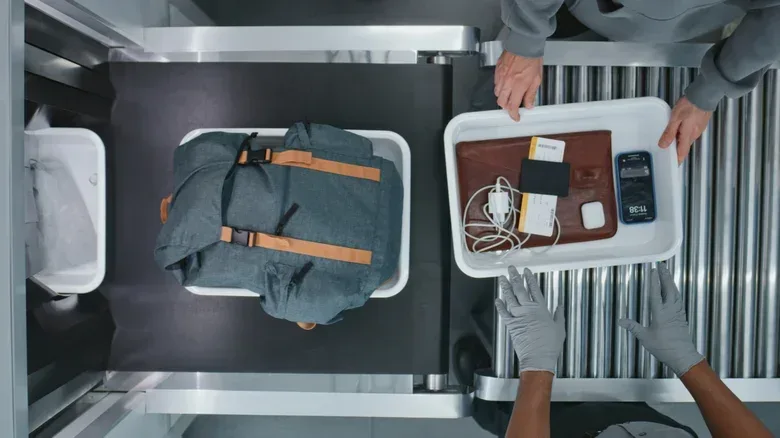
Battery packing rules and security-screening routines overlap, but they are not identical. The former is about where battery-equipped devices should travel; the latter is about helping screeners inspect what is in the bag. The practical preparation described for U.S. screening is to take electronic items out of pockets, off wrists or heads, and place them loose in the bins provided.
Laptops, tablets and e-readers should be removed from bags and sleeves. Even if a traveler was previously allowed to leave a device inside a backpack at another airport, relying on that experience can be a bad bet. Screening procedures can appear inconsistent from one location to another, and taking the device out in advance can avoid being asked to repeat the process.
For a gaming handheld, a sensible interpretation is to be ready to present it clearly if requested, rather than burying it beneath clothing, charging leads and snack wrappers. That does not mean every item will receive identical treatment at every checkpoint. It means packing so that a request does not trigger a full bag excavation while the line does its best boss-rush impression behind you.
Keep charging accessories understandable
Power banks deserve particular attention because they are explicitly among the lithium-ion battery items that should not be checked. A power bank is an external battery meant to recharge another device. It may resemble a compact charger, but its stored battery capacity is the relevant distinction. Keep it in the carry-on alongside the cable it uses, rather than treating it as a harmless spare and dropping it into a suitcase.
For players, this matters because a portable charger is often what makes a long day of travel workable. It can keep a phone available for tickets and messages or give a handheld an extra lease on life between outlets. Its usefulness is exactly why it should be packed deliberately, not tossed into checked baggage at the last minute.
Practical limits of the rule of thumb
“Put all battery devices in carry-on baggage” is a useful U.S. planning default, not a substitute for checking the requirements that apply to a particular flight. International regulations can vary, and a traveler with any uncertainty about a device or accessory should consult the TSA’s official guidance or leave the questionable item at home.
The same restraint can simplify the rest of the trip. Electric grooming devices may introduce another battery question, while a non-electric travel kit avoids it. Hotels often provide hair dryers, so travelers may not need to bring every powered personal-care item they own.
None of this requires panic about an AirPods case. Consumer electronics are built for everyday use, and an ordinary case is not automatically a hazard because it has been in a pocket or backpack. The reason for the restrictive approach is that aviation safety must account for the possibility of a fault, however uncommon, in a place where access is limited and fire response is complicated.
So the travel checklist for game players is refreshingly short: keep the AirPods case with you, keep the portable charger with you, keep the Steam Deck and other rechargeable hardware with you, and be prepared to remove larger electronics at screening. It is a modest bit of organization that protects a flight from an avoidable luggage issue—and preserves the chance that the only battery anxiety on the trip comes from watching a handheld’s percentage tick down during a 12-hour JRPG.