There are many ways for a game to become conspicuous on Steam. A huge trailer helps. A familiar franchise helps more. But sometimes the winning formula is apparently a wolf partner, a family that can swell into the thousands, and an impossible amount of childcare.
Family Time, an upcoming colony-management game from developer sgthale, has gained substantial visibility following the release of a demo on Itch.io. Its unusual premise has also translated into wishlist momentum on Steam: it was ranked 66th on the platform’s wishlist chart on October 6 and had climbed to 46th by October 16, with the game still moving upward at that point.
The attention has brought an unwelcome complication. A separate Steam listing from Hilly Games also uses the name Family Time. Sgthale says the listing is an infringement and that a DMCA notice has been filed. The dispute is not simply over a broad premise involving animal-eared characters and large families; sgthale’s objection is that the other page allegedly copied distinctive presentation elements, including its banner, description and layout.
A colony sim built around runaway family management
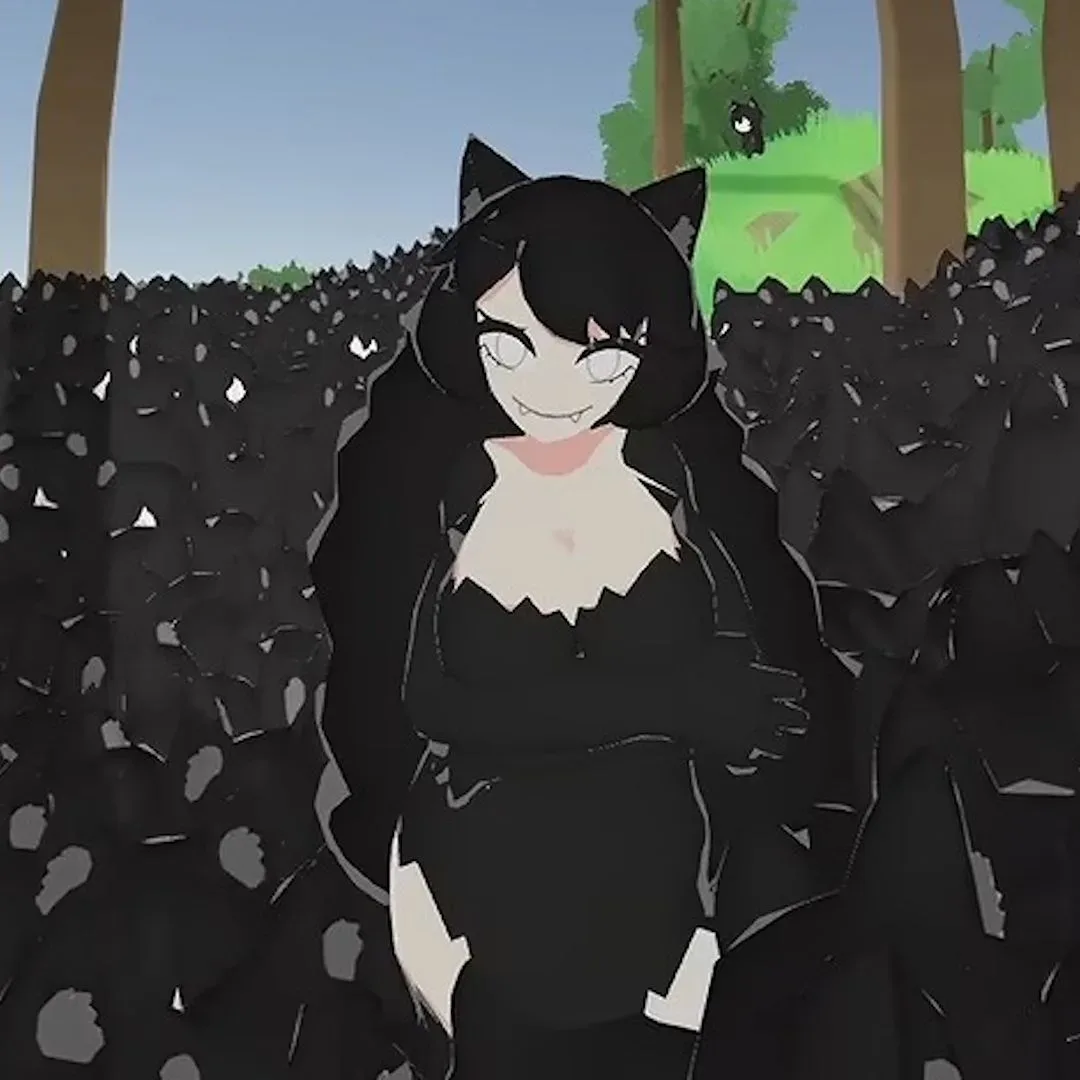
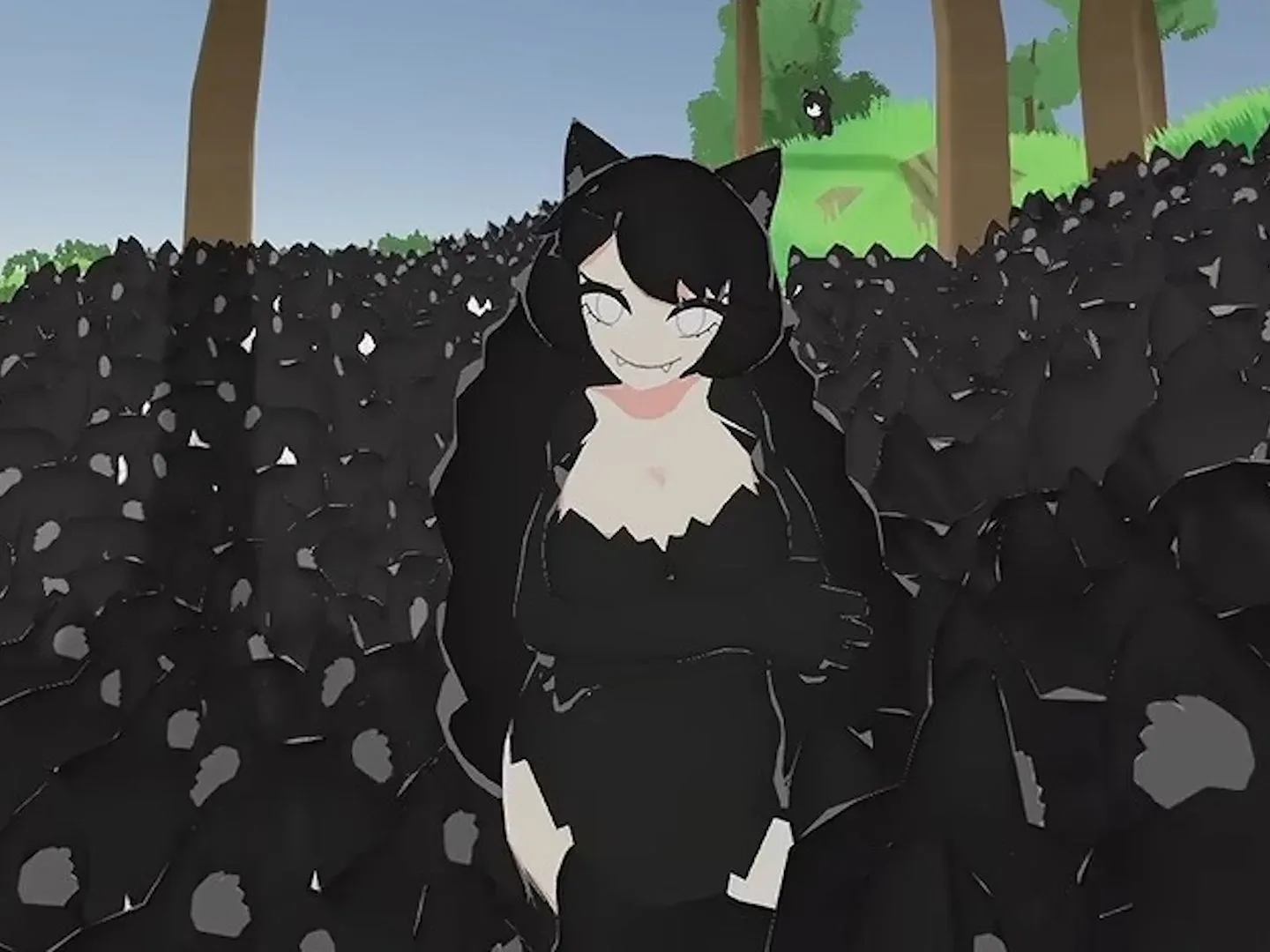
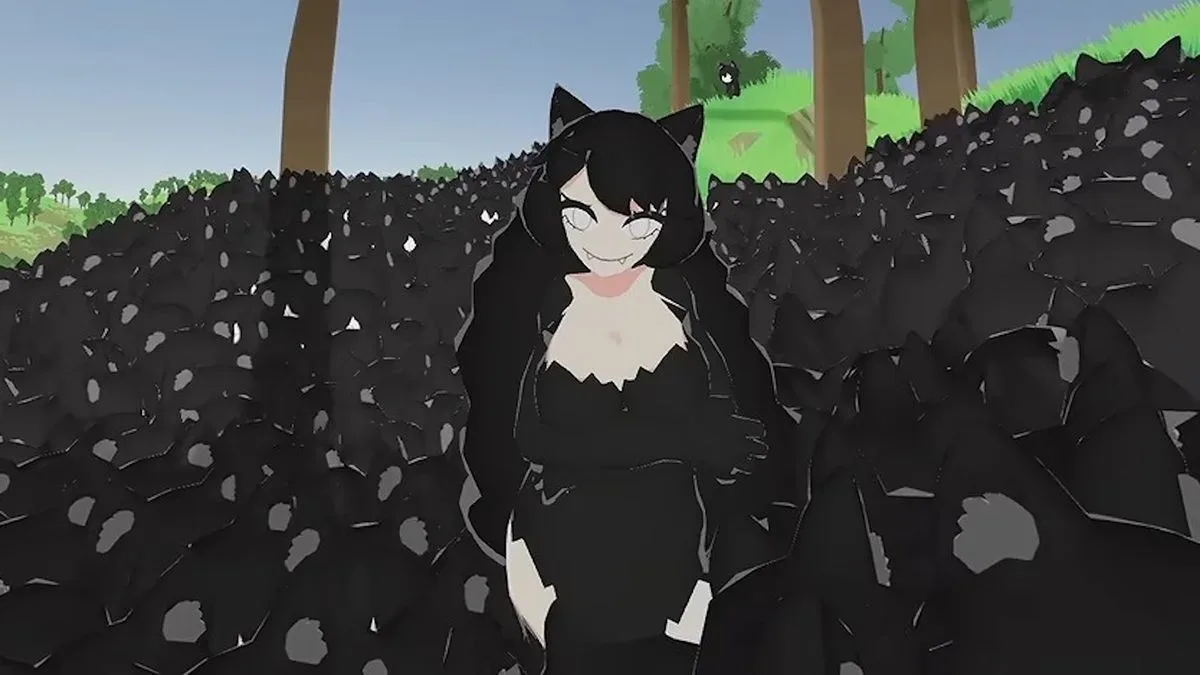
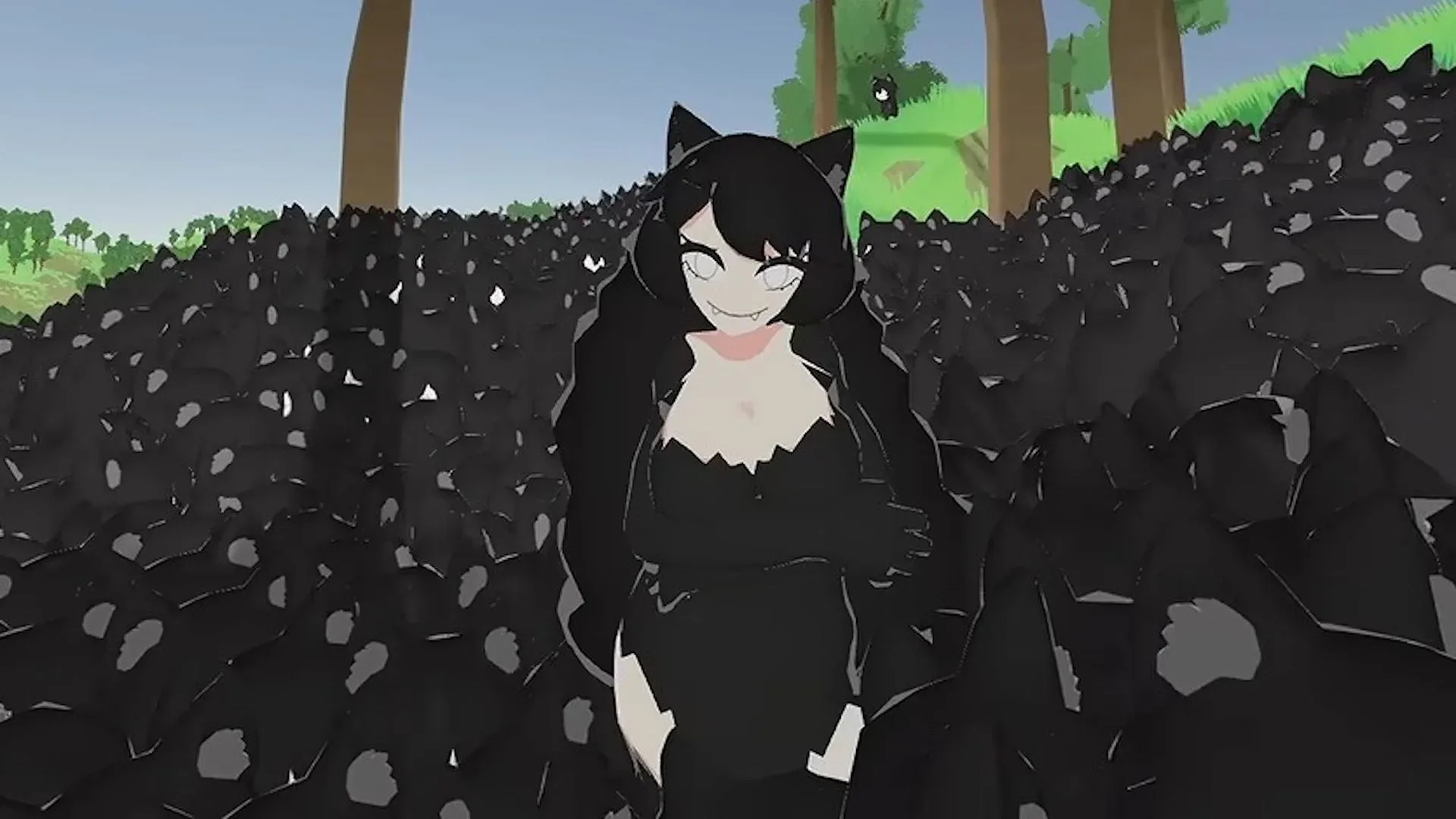
The authentic Family Time frames its concept plainly: players build a family of thousands of wolf children with a wolf partner. The core loop, based on the available description, is a balancing act between growth, labor and care.
Wolf Mama continually adds children to the household. That expanding population is useful because the children can be directed to hunt animals and build shelters. Yet the same population is also the game’s central responsibility: neglecting the needs of potentially thousands of children results in failure. It is a deliberately exaggerated management scenario where the workforce and the upkeep burden are the very same thing.
That places the game loosely in the colony simulation category. A colony sim is generally a management game focused on directing a population, assigning work and keeping a settlement functioning under competing demands. Here, the available details point to a smaller-scale and more casual interpretation of that structure, rather than a claim that it follows every convention of the genre. Its hook is less about a conventional settlement than the escalation of “family” into a logistical emergency.
The tone matters. The wolf children’s anime-style presentation, including requests for “mama” and “uppies,” is plainly part of why the demo caught on in certain online communities. The appeal is an intentionally silly collision between cute character behavior and a resource-management problem that becomes absurdly large.
The fox version and why the argument goes beyond an idea
Hilly Games’ listing describes a one-to-four-player wilderness scenario in which players and friends crash a car, encounter a fox mama, raise thousands of fox children, and teach them to farm, build and hunt. On the surface, switching wolves for foxes and adding co-op creates differences in character species and proposed player count.
Related coverage includes Family Time Copycat Sparks Plagiarism Debate as Wolf Colony Sim Climbs Steam Wishlist Charts.
But sgthale’s position is more specific than “nobody else may make a family game.” The developer has said people remain free to make games in this emerging family-focused genre. The complaint instead concerns allegedly copied expression: the particular visual and textual way a concept is presented to prospective players, including a banner, the wording of the description and page layout.
That distinction is important in any plagiarism dispute. A broad gameplay idea—such as managing a large group of characters, building shelters, or using cute animal people—is not the same thing as a specific game’s artwork, page design or written copy. The supplied information does not establish a legal outcome, and it would be premature to declare one. It does, however, explain why sgthale sees a same-name Steam page with a strikingly parallel pitch as a more serious problem than another developer independently making a playful family-management game.
“It is an infringement of expression since they copied banner, description, layout but people are free to make family genre games,” sgthale said.
Steam discussion posts responding to the Hilly Games listing have been strongly negative, with users characterizing it as blatant plagiarism. Community reaction is not a legal ruling, but it can affect how easily a listing converts attention into wishlists, sales or trust. In a storefront driven by quick browsing and search results, players may encounter the derivative-looking page before they understand which project came first.
What a DMCA notice does—and does not—settle
A DMCA notice is a request made under the Digital Millennium Copyright Act’s takedown system, asking an online service to remove or restrict material alleged to infringe copyright. It is not a court decision and does not, by itself, prove that infringement occurred. Nor does sending one guarantee an instant removal.
Sgthale says Steam had asked whether the developer wanted the copycat removed from the platform and that the answer was yes, but a further response had not yet arrived. That account indicates a process was underway, not that the listing had been finally resolved. The practical frustration is easy to understand: a game’s viral window can be brief, while review and moderation processes can take time.
For a small creator, timing is often nearly as consequential as the eventual decision. A game rising rapidly up a public wishlist chart is enjoying valuable attention at the exact moment a similarly named page can redirect searches or create confusion. A matching title adds to that risk because shoppers may not scrutinize a developer name, page history or gameplay description before clicking.
That is why page-level imitation can be more damaging than genre-level similarity. Games routinely share mechanics and themes. Storefront presentation is where audiences are meant to identify the product, the developer and the promise being made. If those signals become muddled, the original project can lose the clean association it worked to build.
Copycat fears are becoming a wider indie concern
The episode arrives amid heightened anxiety around rapid copycats, AI-assisted imitation and low-effort recombinations of newly visible ideas. Developers without extensive legal budgets can face an uncomfortable choice: share enough about an in-progress project to build interest, or hold details close in the hope that the concept will be harder to mimic.
That anxiety was also visible after Needle In A Haystack Simulator received unexpected attention. Its creator, Studio Bitdot, faced a rush of copycat listings and apologized for the poor state of the imitators appearing around the simple, self-explanatory concept. The lesson is not that unusual ideas should be hidden. It is that a game need not be massive or technically elaborate to attract opportunistic storefront competition once it finds an audience.
The concern is part of a larger debate about originality, authorship and the speed at which digital storefronts can fill with lookalikes. For a related discussion of the broader issue, see Masahiro Sakurai’s comments on AI copycats and originality in games.
AI disclosure complicates the conversation
There is an extra wrinkle in this case: the disputed fox-themed listing does not disclose AI use on Steam, while sgthale’s original Family Time does disclose limited AI use. The developer says AI has been used for concept art, prototype textures and rapid mesh tests, with those materials ultimately replaced by artist-created graphic designs and hand-tailored models.
In technical terms, a mesh is the geometric structure used to create a 3D model. A prototype mesh test is therefore an early visual or structural experiment, not necessarily an asset intended for the finished game. Likewise, concept art and prototype textures can be used during planning and iteration, even if later production assets are made through a different workflow.
Disclosure does not end the debate over generative AI, particularly for players and artists who want to know how material was produced. But it does make the stated process visible. In sgthale’s description, the AI-assisted elements are temporary development material that is replaced by work from artists and custom-built models. The information available does not support assuming that the competing listing used AI merely because it has been accused of copying.
Sgthale’s earlier Steam project, MyRobot, is a chatbot sandbox with optional AI features. The developer has said users can host their own AI models for privacy or choose online AI services, including a mixture of the two. Its Patreon offers AI tokens at two membership levels and brings in more than $49,000 per month. That history helps explain why AI is not a peripheral subject in discussions around sgthale’s work, even though the current complaint centers on alleged copied storefront expression.
What players can do while the listing dispute plays out
For people interested in the wolf-family version specifically, the most practical precaution is to check the developer name before wishlisting or following a Steam page. The original is from sgthale; the disputed same-name fox listing is from Hilly Games. Reading the full description is also useful, since the wolf game’s premise is centered on Wolf Mama and managing the needs of a large wolf-child family, while the other listing describes a crash, a fox mama and one-to-four-player co-op.
Players should avoid treating viral accusations as a substitute for platform action or a final legal finding. At the same time, precise reporting tools, accurate tags and careful attention to developer names are more useful than amplifying misleading links. A storefront only works as intended when customers can tell what they are looking at.
For sgthale, the immediate issue is whether Steam acts on the DMCA request and whether the apparent overlap in title and presentation remains visible during Family Time’s wishlist surge. For everyone watching, the unusual colony sim has become an example of two modern Steam realities arriving at once: a niche idea can catch fire quickly, and attention can bring imitators just as quickly.