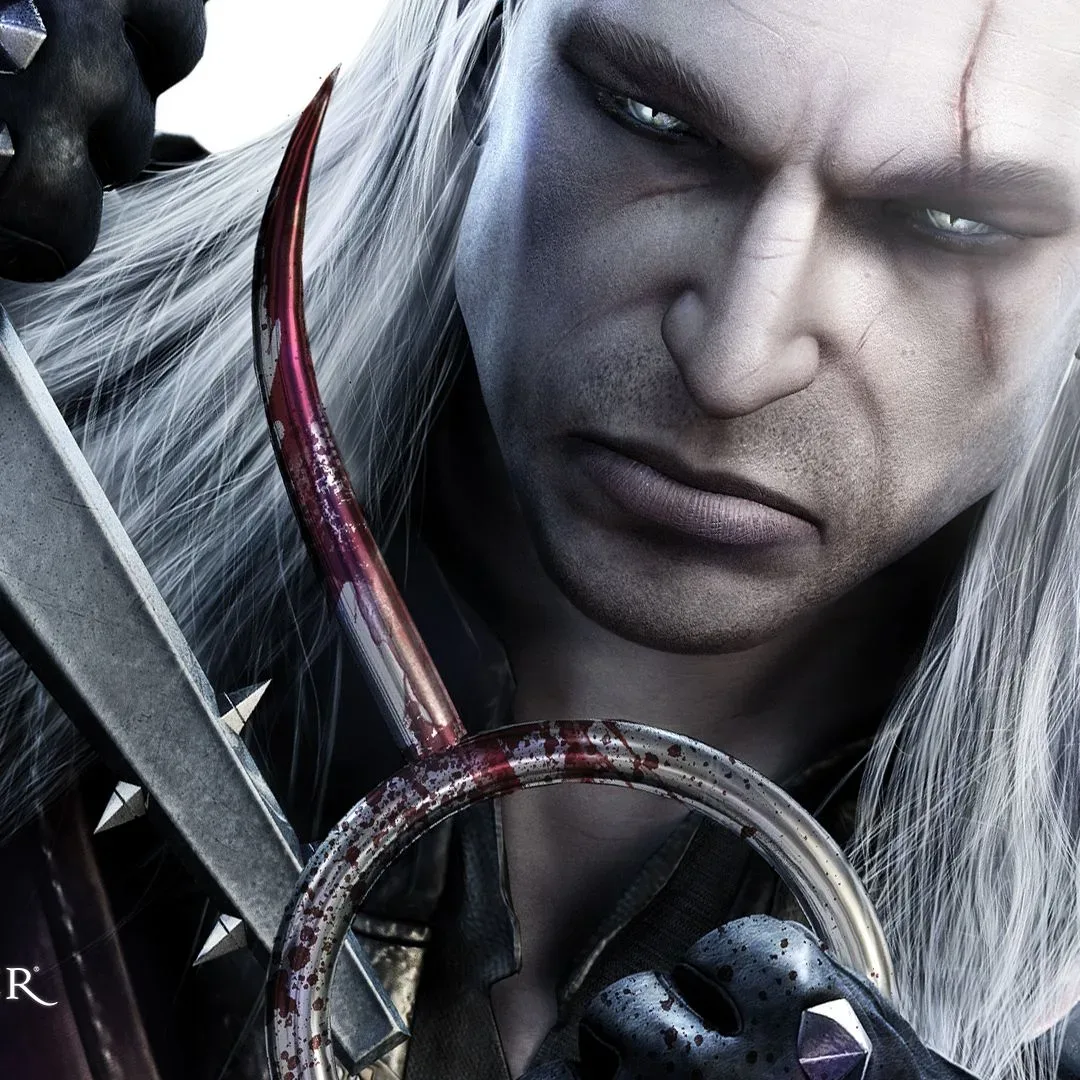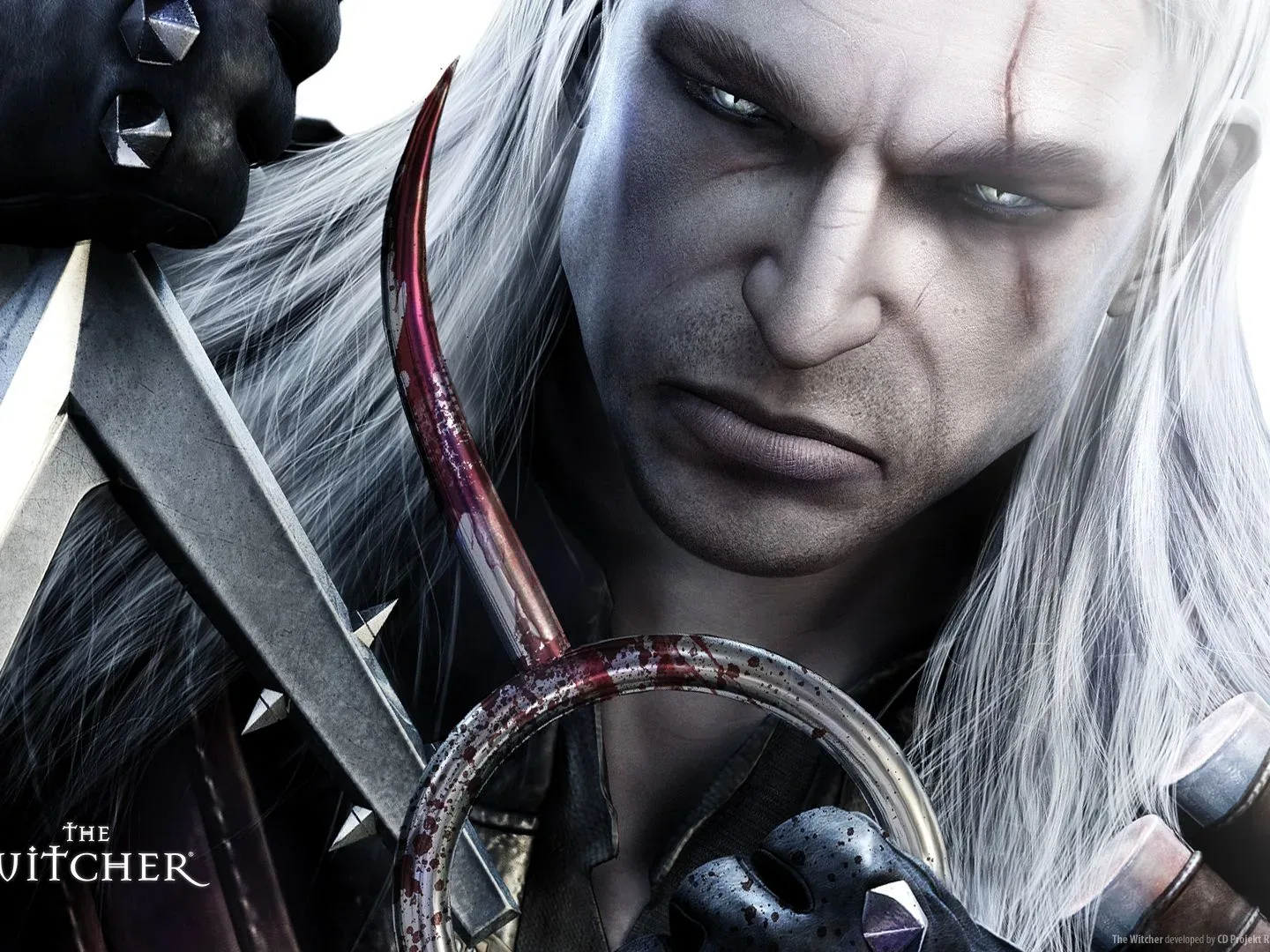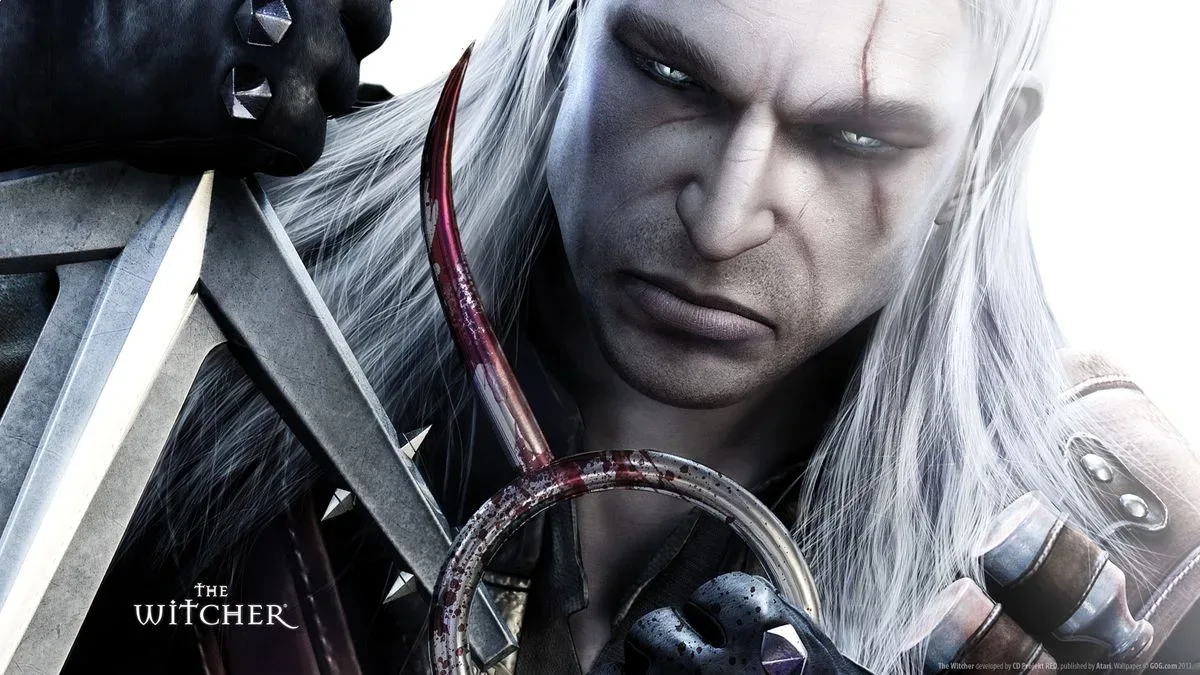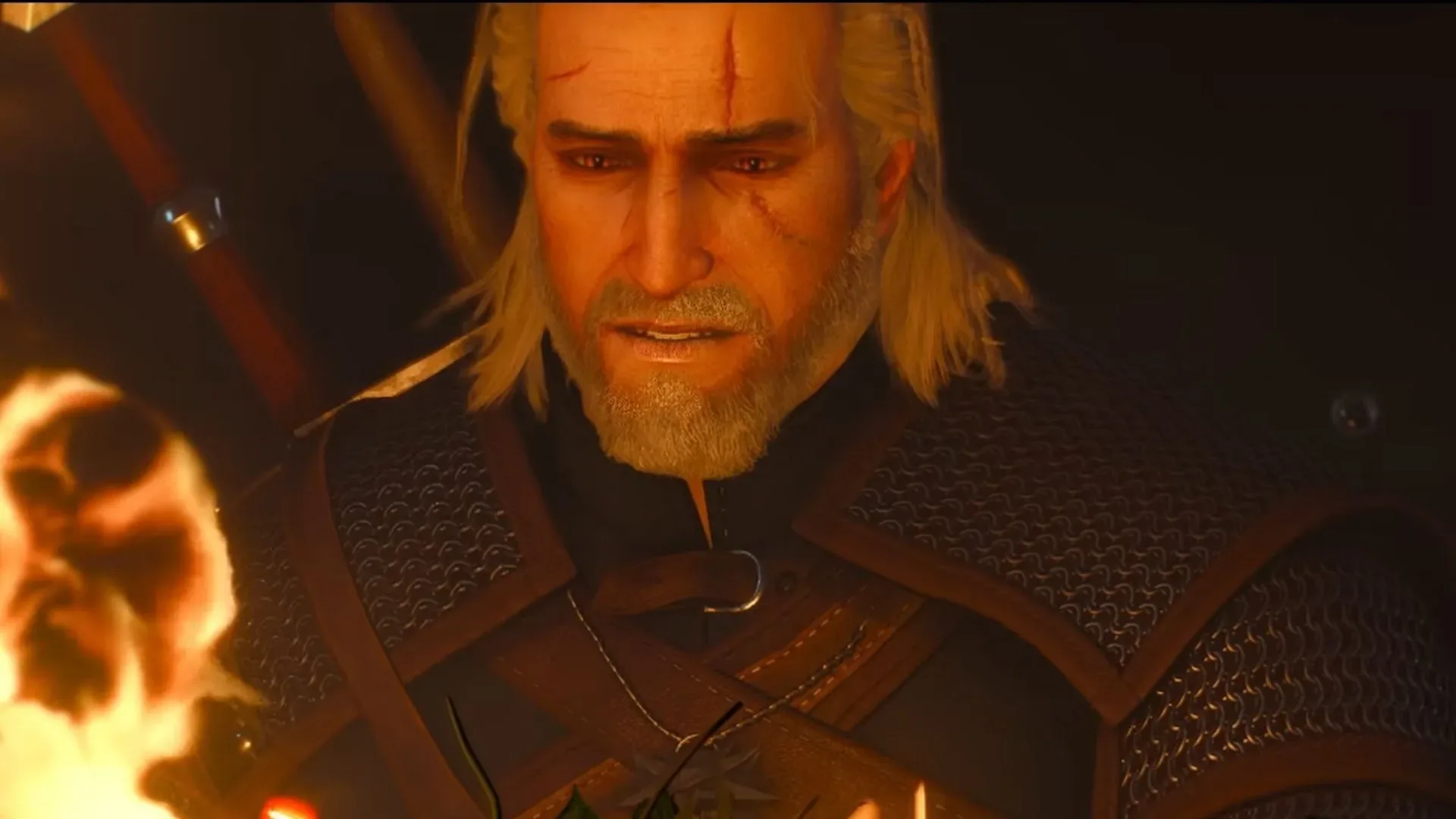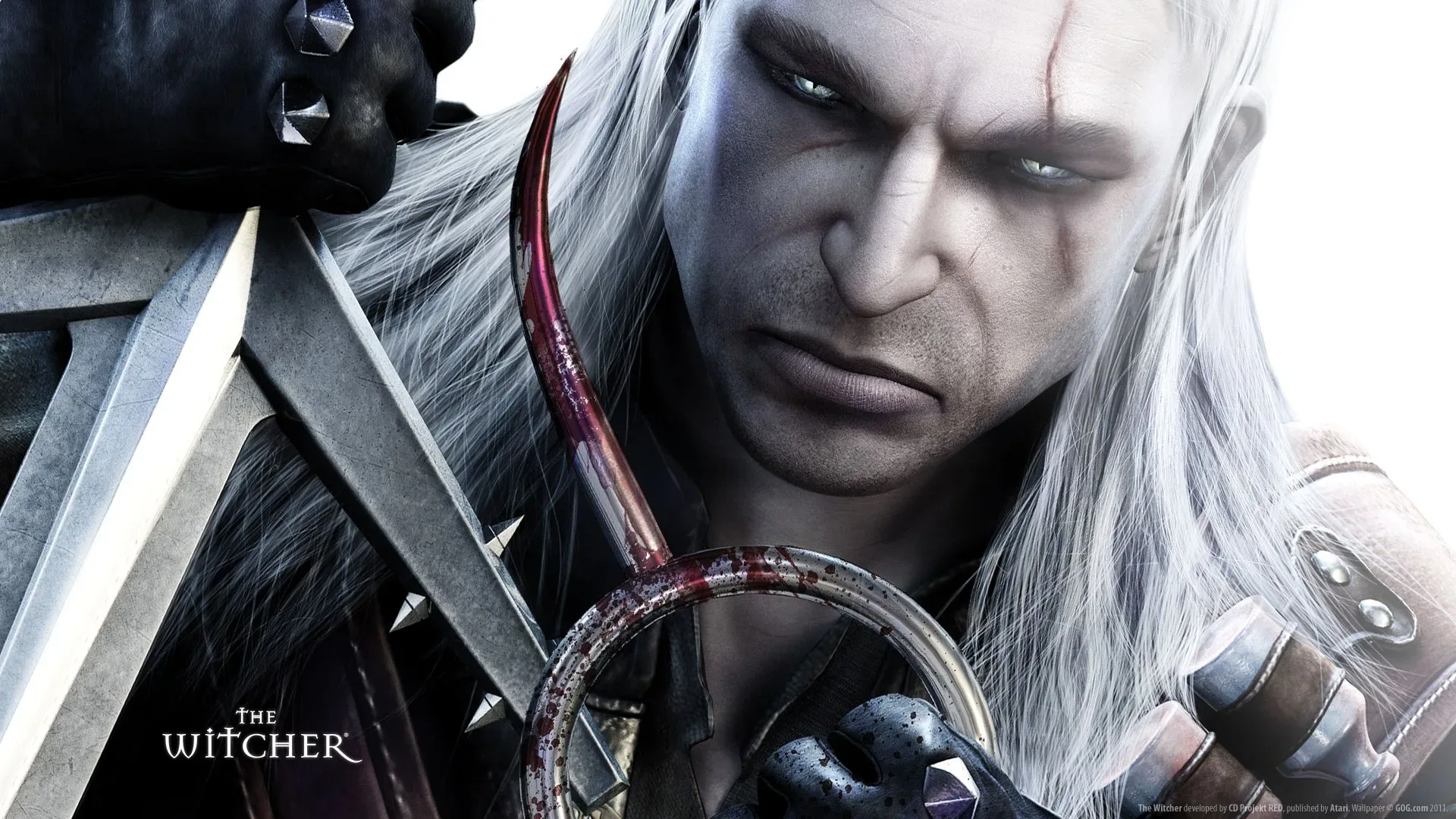
Doug Cockle’s voice is inseparable from Geralt of Rivia for many English-speaking players, yet the actor says the performance that launched that association was recorded at startling speed. For the original The Witcher, Cockle recalls spending roughly eight days recording Geralt’s dialogue, including a five-day stretch of six- to seven-hour sessions that left his voice “wrecked.”
That is an especially demanding schedule for a role built around an unusually low vocal register. Geralt’s delivery is controlled, rough-edged and often restrained rather than broadly theatrical. Keeping that sound consistent across long sessions is one challenge; doing it while the character is carrying a large role-playing game’s dialogue is another. Cockle’s account offers a useful reminder that an iconic game performance can be shaped by compressed studio work, careful endurance and a sharply defined character brief—not only by a long runway of preparation.
A character built before the English novels were available
Cockle said he originally attended an audition and met a CD Projekt Red developer who explained Geralt to him. At that point, Andrzej Sapkowski’s Witcher novels had not yet been translated into English, so Cockle could not use the books as preparation material.
That limitation matters because an actor adapting a character from novels would normally be able to study prose descriptions, dialogue rhythms and the character’s internal perspective. Cockle instead had to work from the production’s explanation of the role and the material available in the booth. The voice audiences now recognize as Geralt was therefore not a straightforward attempt to duplicate an English-language literary reference. It was a performance established through the game’s interpretation of the character.
The actor was nevertheless immediately drawn to the setting. He described himself as a longtime fantasy reader, naming The Lord of the Rings, The Hobbit, The Dragonriders of Pern and Conan the Barbarian among the worlds he enjoyed. To Cockle, the appeal was the chance to explore a new fantasy setting rather than revisit a familiar one.
“What I really liked about the concept of The Witcher when I was introduced to it was just this whole new fantasy world,” Cockle said.
That enthusiasm helps explain why the absence of an English translation was not necessarily a creative dead end. A fantasy role still needs a performer to establish a presence: how guarded the protagonist feels, how much emotion is allowed through the surface, and how dialogue lands when a player hears it repeatedly across a role-playing game. Cockle’s voice gave Geralt a distinctive identity early in the game series’ English-language history.
Why the low voice was a physical challenge
A vocal register is the range in which a performer is speaking or singing. Cockle characterized Geralt’s voice as “very, very low” in his own register. Maintaining a voice at the low end of a performer’s comfortable range for many hours can be exhausting, particularly when it must remain clear enough for recording.
Related coverage includes Doug Cockle Recorded Geralt's Entire The Witcher Performance in Just Eight Days.
For Cockle, the immediate consequence was straightforward: after a full day in the booth, he says his voice was badly fatigued. His routine after sessions was to return to his hotel and drink peppermint tea or lemon-and-ginger tea through the evening, then return the next day and continue. He recalls the work taking around eight days in total, with five days occurring consecutively.
Those details also clarify what “recording a role” means in a game context. It is not simply delivering a few central scenes in sequence. Role-playing games can require dialogue for conversations, story developments and many different player-facing moments. The performance has to remain recognizable whether Geralt is speaking in a pivotal narrative exchange or delivering a more functional line. Consistency becomes part of the craft.
In this case, the recognizable quality was a deep, gravelly restraint. The original game’s Geralt could not rely on the books’ English translations as a direct preparatory tool for Cockle, and the actor had limited time to establish him in the booth. Yet the result became the foundation for a voice that followed the character through later games and became a major part of the series’ English-language identity.
Eight days, a huge role, and the limits of the number
The eight-day figure is striking, but it should be read precisely. Cockle is recalling the time he spent recording Geralt for the first game, rather than offering a complete accounting of every part of game production. It does not tell us how much dialogue was written, how sessions were organized, or how much direction and editing occurred around the recording. What it does convey clearly is the intensity of the actor’s portion of the process.
It also underlines why voice acting is more than a cosmetic layer added after a game is otherwise complete. A lead character’s delivery helps players interpret the tone of choices, encounters and relationships. Geralt’s reserve can make a line feel dry, weary, skeptical or quietly compassionate depending on the delivery. That kind of tonal control is central to a protagonist in a story-heavy RPG.
The broader value of a defined performance is easy to see across narrative games. A strong voice can make an enormous setting feel anchored around a person rather than merely a list of quests and lore. It is an idea explored from another angle in this look at how Mass Effect 2 makes a galaxy-scale story feel personal: large worlds work best when players have a compelling human—or witcher—connection within them.
Cockle’s Geralt is set to return
Cockle is confirmed to reprise the role in The Witcher 4. The game is targeting a tentative 2028 release window, so that timing should be treated as a target rather than a firm launch date. CD Projekt Red has also said that Geralt will always have an important place in the series even when he is not the active focus.
That framing suggests an important distinction for longtime players: a returning voice does not automatically mean the same kind of starring role. Geralt’s importance to the series and his exact narrative position are separate questions. The available information establishes Cockle’s return and the character’s continuing significance, but does not define the full scope of Geralt’s involvement.
For now, Cockle’s recollection casts the first game in a revealing light. One of gaming’s best-known fantasy voices began with an audition, a developer’s explanation of a character, no English translation of the novels to consult, and a physically taxing run of recording sessions. The speed of that work makes the longevity of the performance more remarkable: Geralt’s sound was forged under pressure, and it endured.